Polar fleece fabric is a popular textile known for its warmth, softness, and lightweight characteristics. Comprised primarily of polyester fibers, this fabric is favored in various applications, from outdoor apparel to home textiles. For B2B buyers, understanding what polar fleece fabric is made of, its specifications, and the quality indicators is crucial for making informed purchasing decisions. This article will delve into the composition of polar fleece, its key specifications, quality evaluation methods, reliable sourcing options, pricing considerations, and its diverse applications across industries.
Evaluating the Quality of Polar Fleece Fabric for Bulk Orders
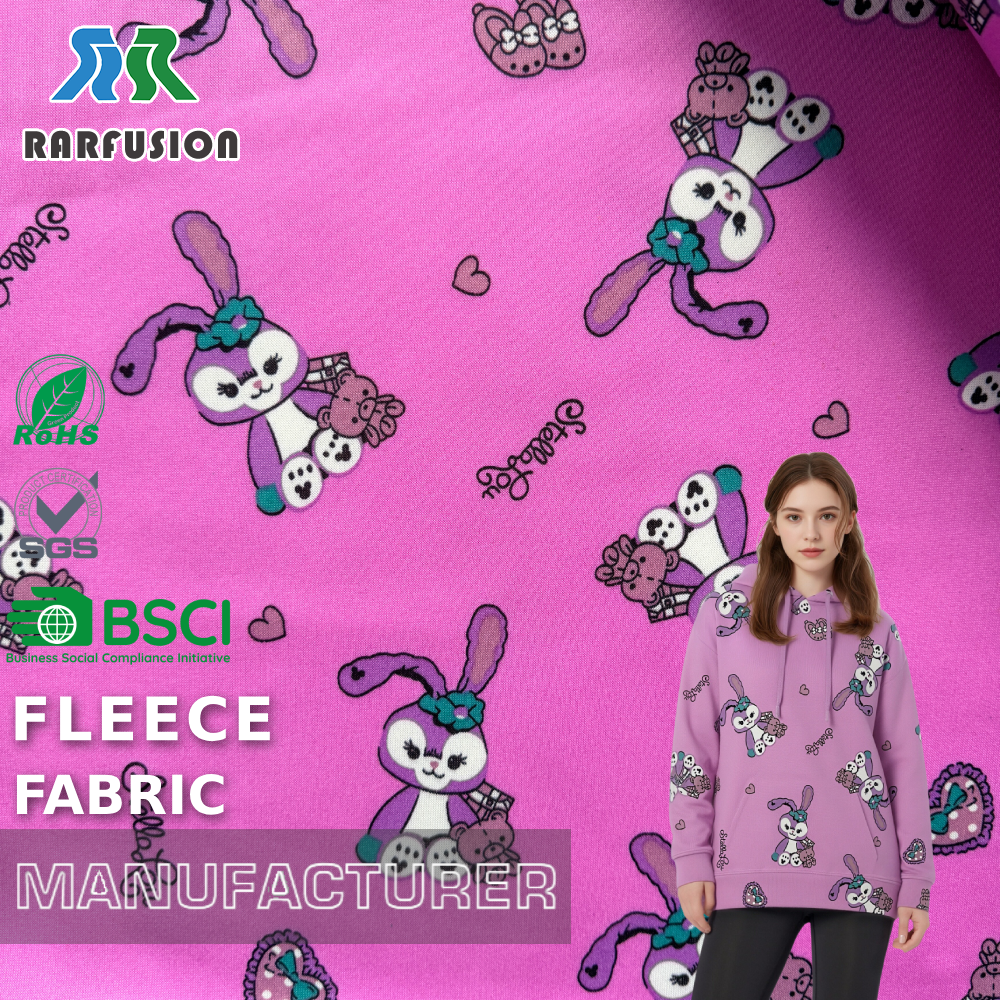
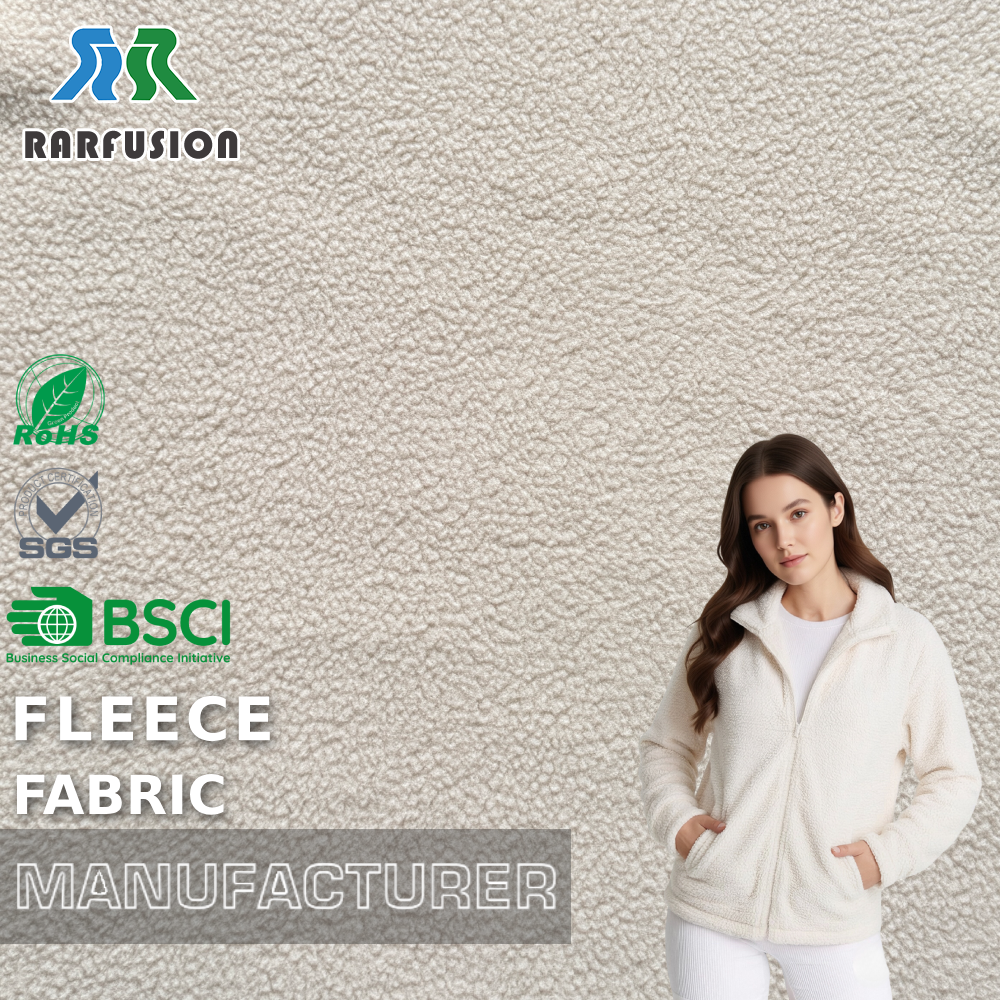
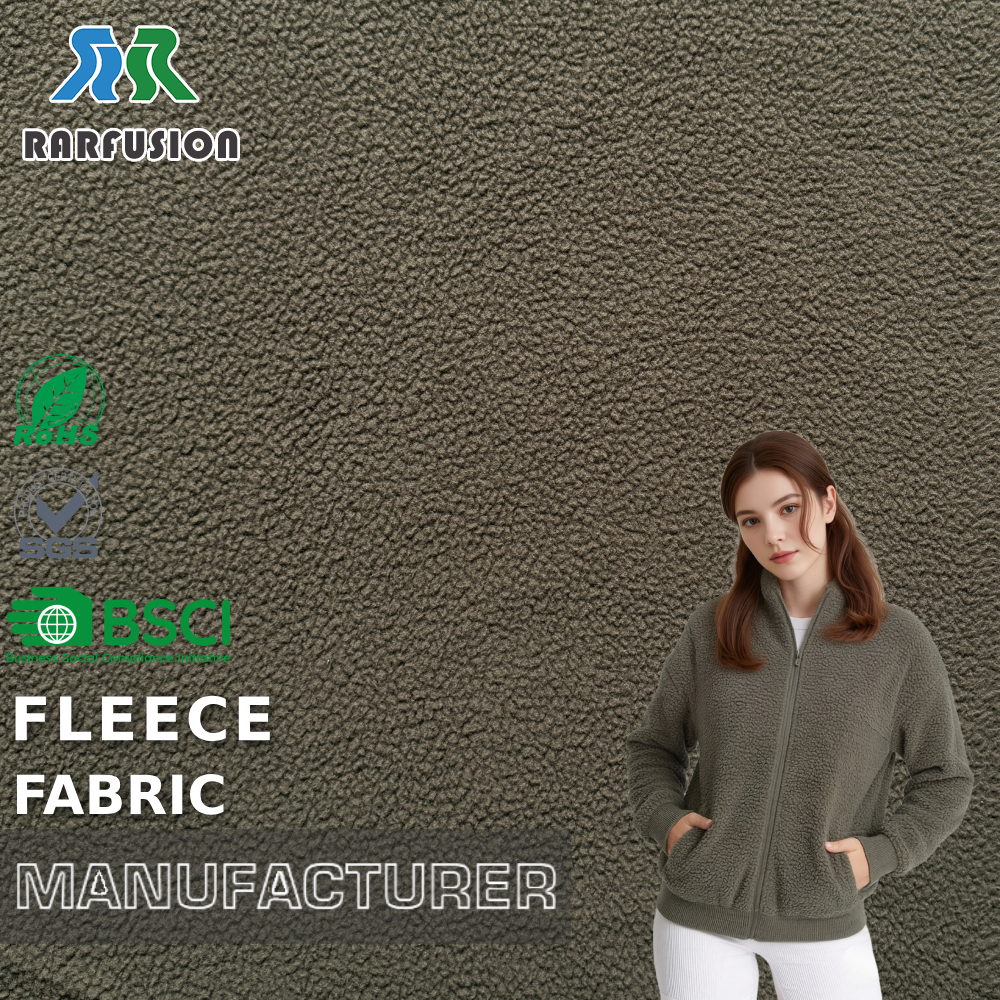
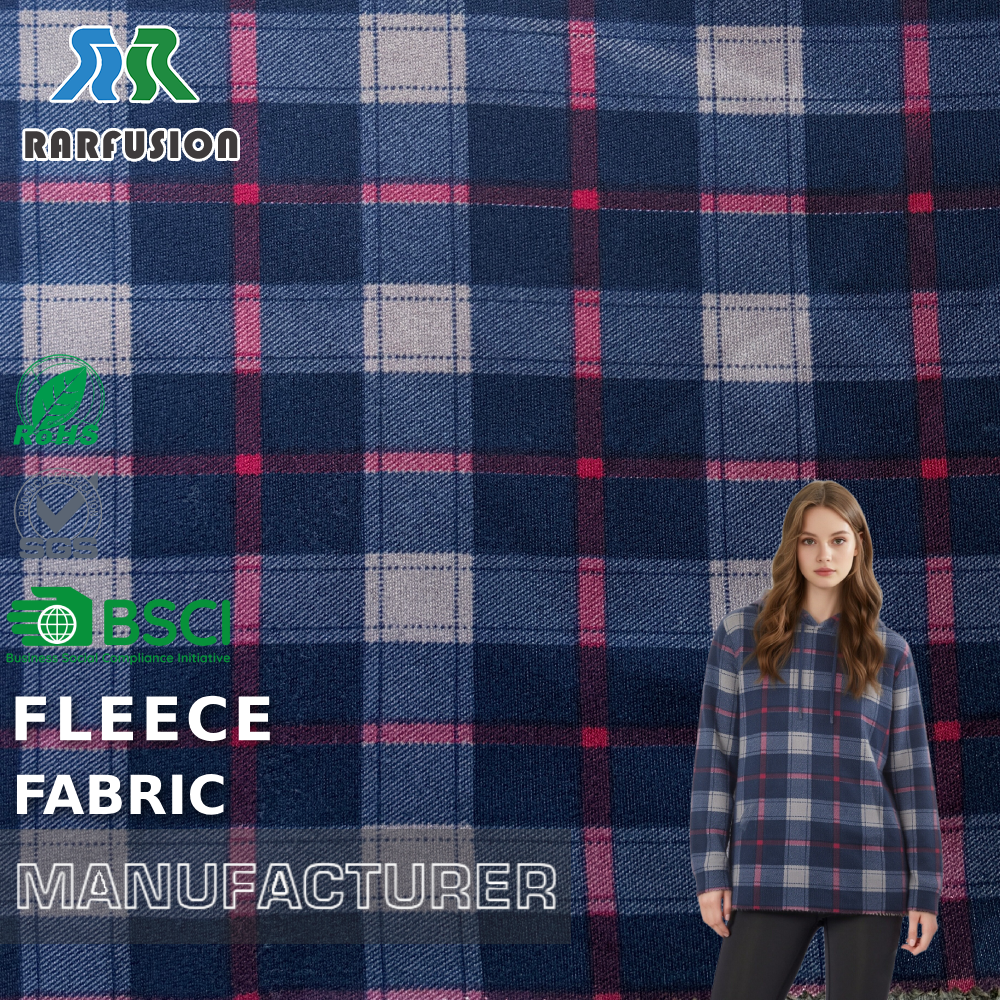
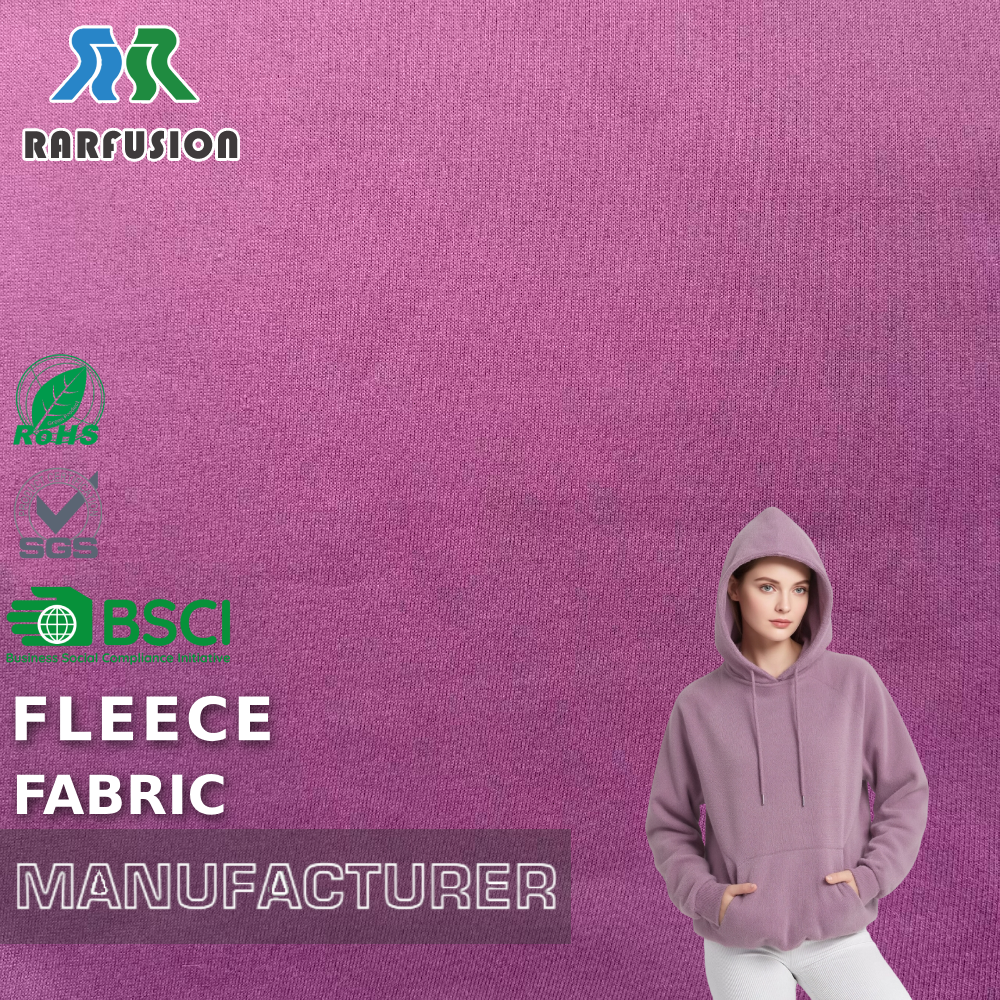
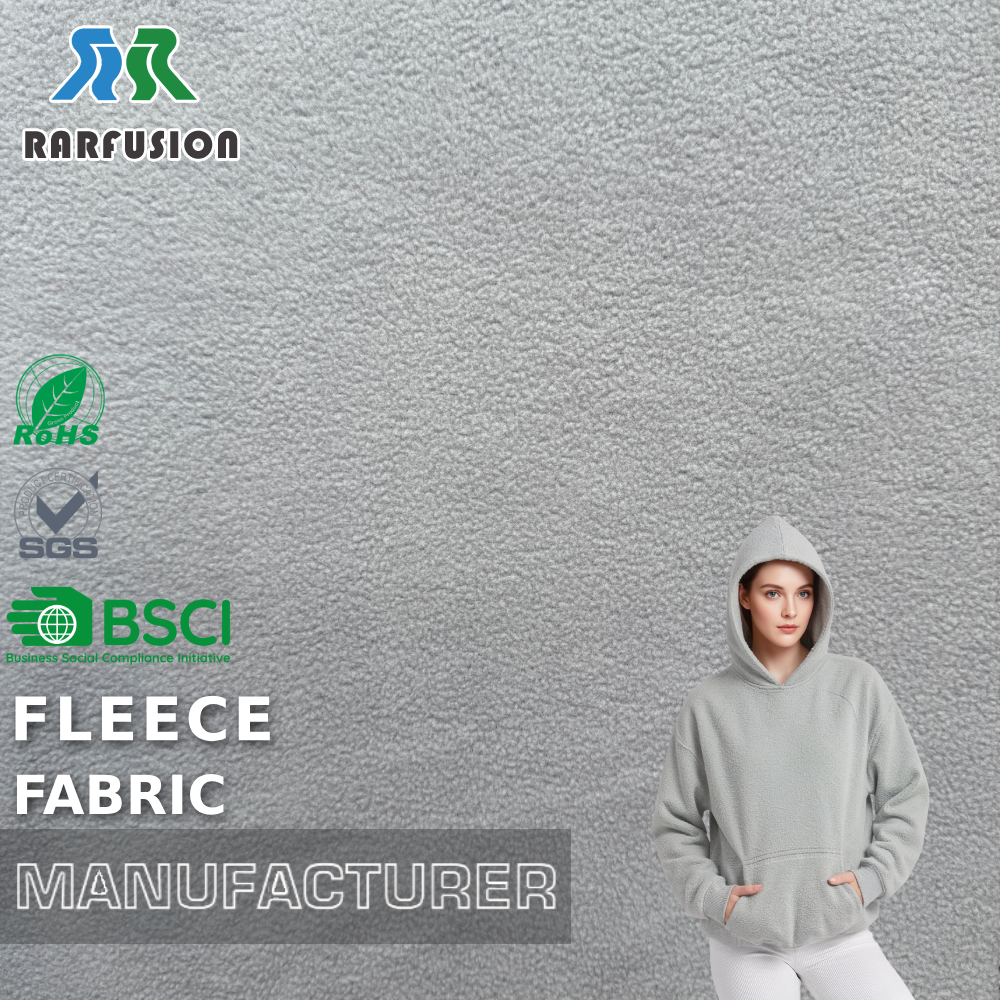
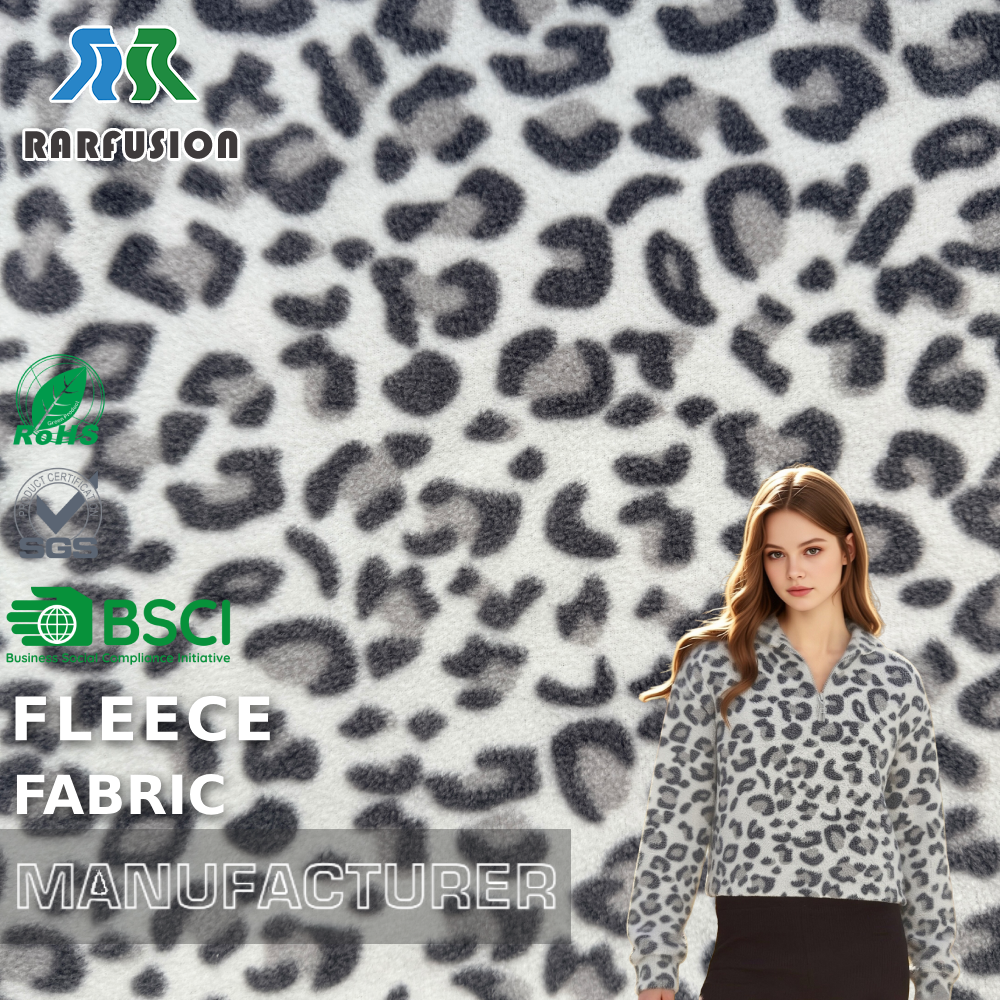
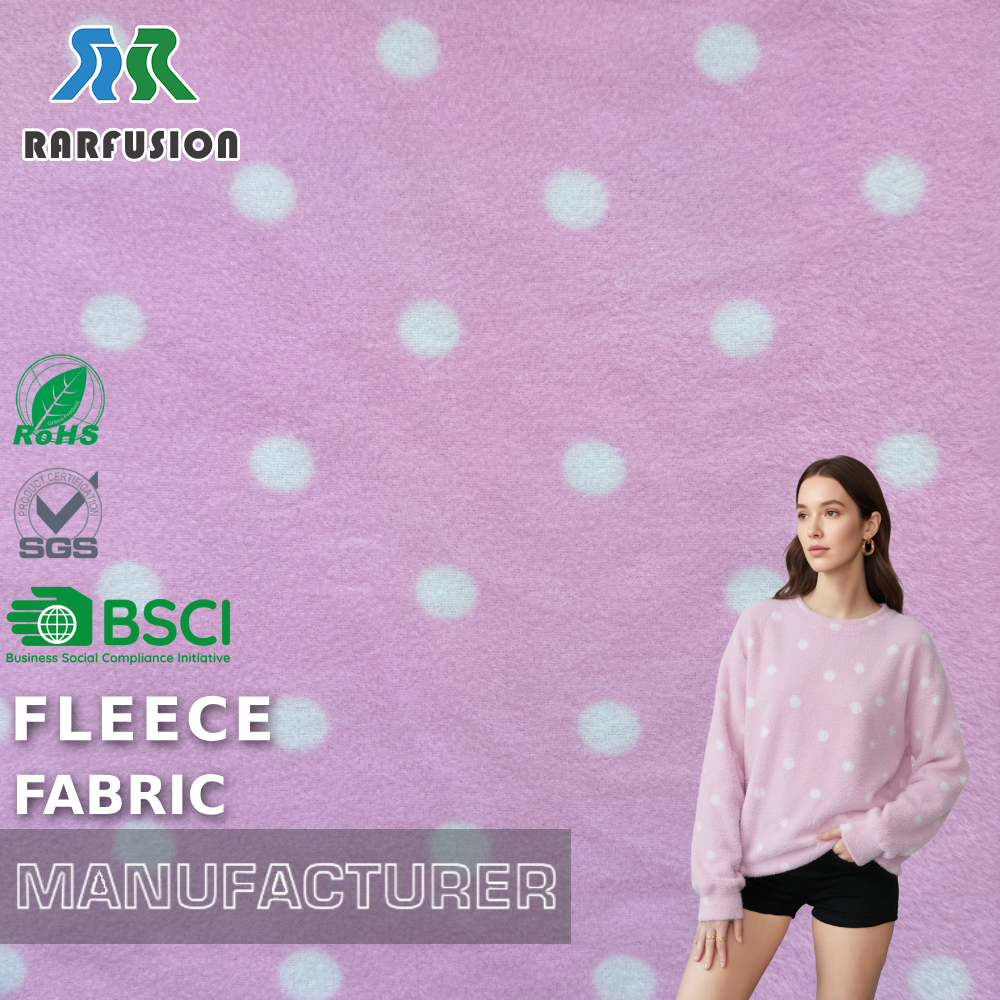
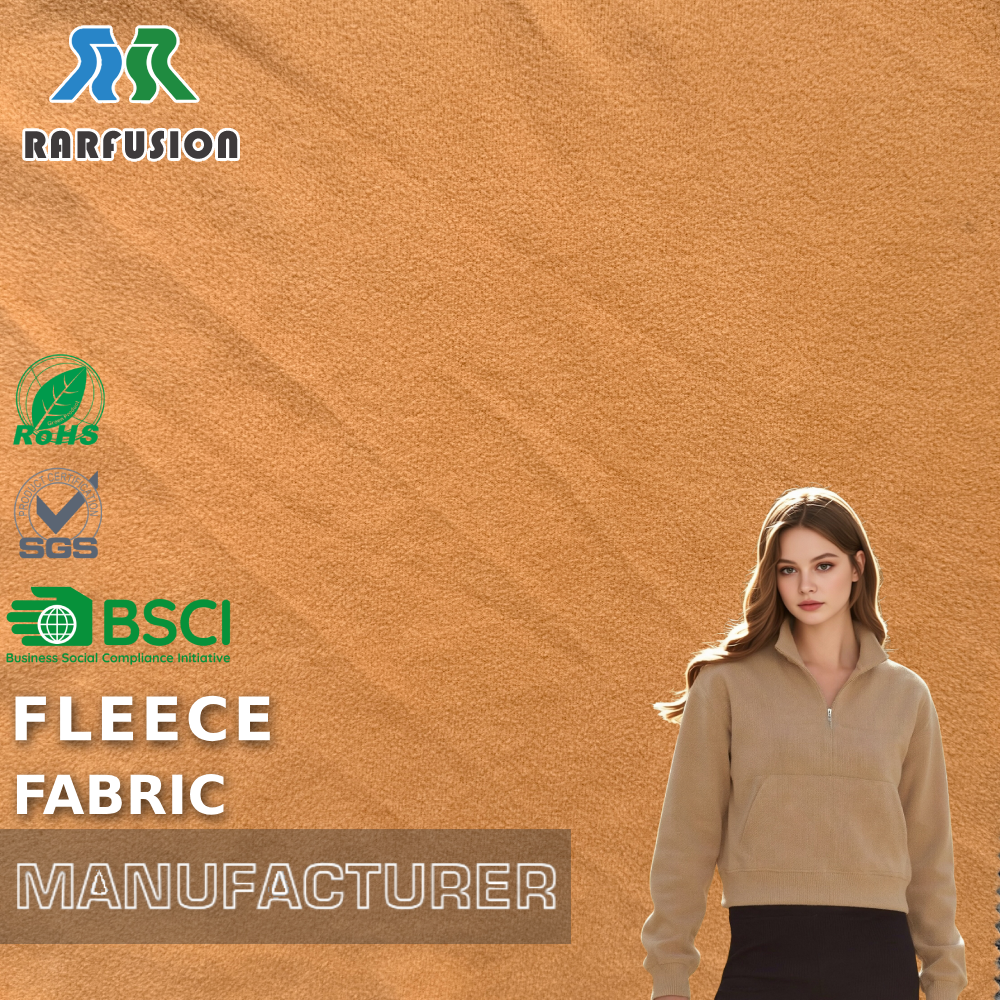
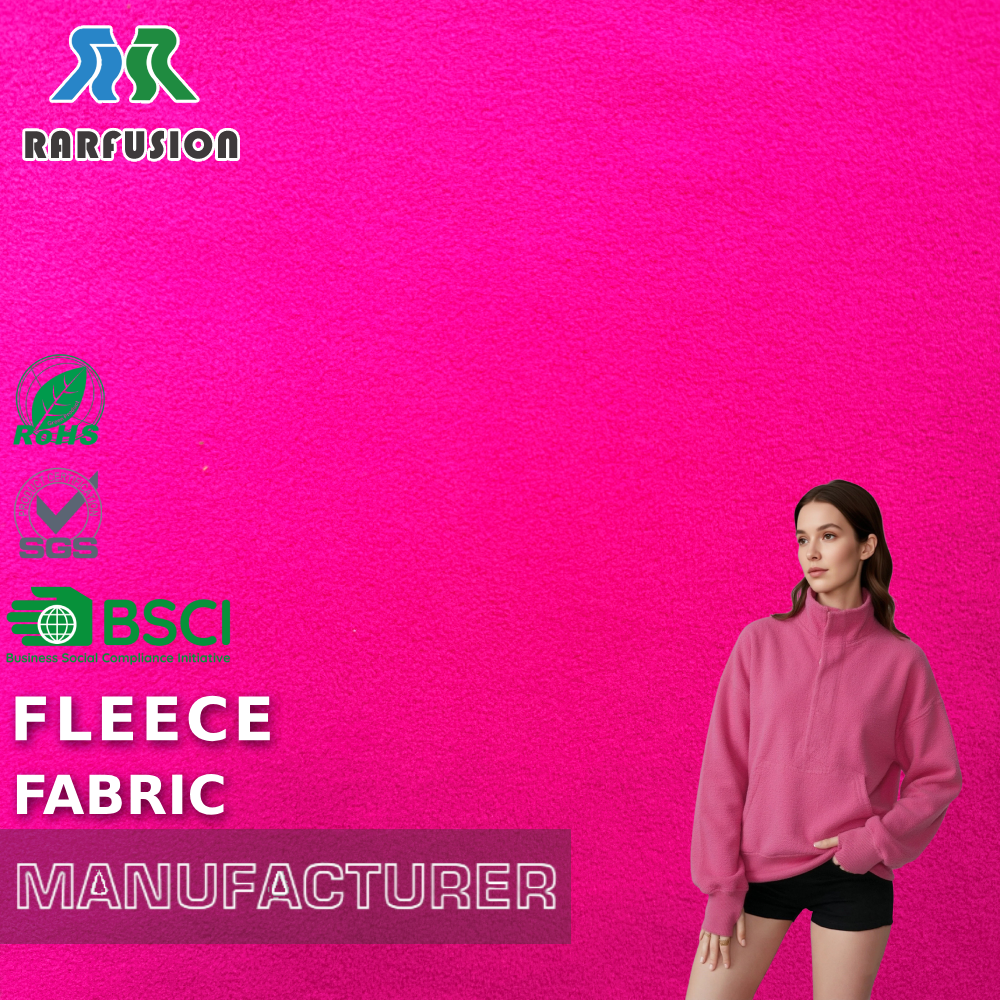
Quality evaluation of polar fleece fabric is essential to ensure that the final product meets customer expectations. Buyers should begin by requesting samples of the fabric. This allows for an assessment of its texture, weight, and overall appearance. When inspecting samples, it is crucial to check for uniformity in color and texture, as inconsistencies can indicate poor manufacturing practices.
Another critical aspect is the fabric's performance in real-world conditions. Buyers should inquire about the fabric's resistance to fading, shrinking, and pilling, as these factors can significantly affect the longevity of the final product. A reputable supplier should provide information on the testing methods used to validate these properties.
Lastly, buyers should consider the supplier’s quality control processes. A supplier with established quality assurance protocols, including regular inspections and compliance with industry standards, can provide more reliable products. Additionally, checking for certifications, such as OEKO-TEX or GOTS, can provide further assurance of the fabric’s quality and safety.