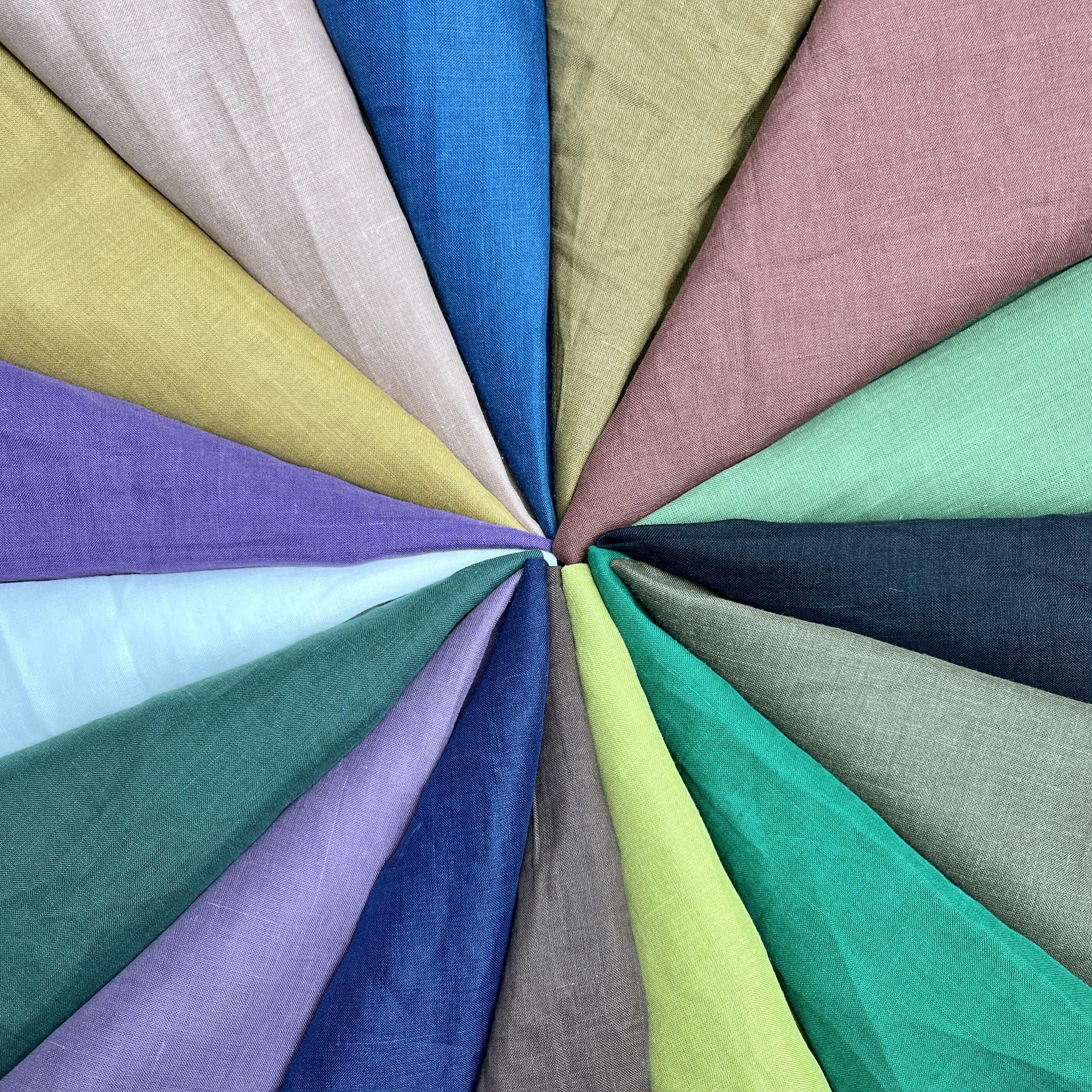
Ramie fabric is unique because it’s lightweight on the skin, easy for air to pass through and incredibly long-lasting. This is a natural fiber that’s been around forever and it comes from a plant; for years people have been making clothes and other textiles out of cotton. Unlike more heavy or bulky fabrics, ramie remains cool and fresh, even during the summer months. It’s thick, so it doesn’t rip or wear out easily. Rarfusion understands the significance of such attributes when selecting the right Knit Fabric for various applications. Whether you’re interested in making shirts, curtains or a bag, ramie provides that nice combo of comfort and durability that sets this fabric apart from other textiles.
Why is it important for ramie cloth to be durable when you purchase a lot of them at once?
Consider producing hundreds or thousands of products, such as shirts or bags, only to have the fabric rip or lose its form after a short time. That would be a waste of money and time. Durable flannel fabric saves both. Ramie is synonymous with strength, but not all ramie fabric is created equal. How it’s made, the quality of the fibers and how it’s treated all determine how long it will last. At RarFusion we give special attention to the details because of experience alone tells us that durability equals less returns and happier customers. For example, a batch of ramie that has been engineered to hold its tensile strength and not stretch or thin through use is going to perform better in daily use, even after multiple washes.
Problems that encounter when using Ramie and how to solve them
Ramie textile is one that is strong, breathable and lightweight. It, however, has its difficulties like any fabric. A common problem with ramie is that it wrinkles too easily. This is because the fibers are stiff and don’t stretch very much. Creases appear easily when ramie clothes or objects made of ramie are folded or compressed. To remedy this, you should iron ramie fabric while it is slightly damp. The fabric can be pressed smooth again with a warm iron and pressing cloth. Another issue is that new white ramie can be rough or stiff. This stiffness can make the fabric unpleasant to touch at once.
Ramie fabric has been in trend over the years steadily.
There are more and more people that wish to do their bit by choosing environmentally friendly product. Wholesale fabric suppliers are especially interested in ramie that is why it is becoming the top choice among buyers who prioritize eco-friendliness. This is so because ramie, a natural fiber, is sourced from the branches of the ramie plant. It grows rapidly and requires less water and fewer chemicals than other fibers (like cotton). This makes farming ramie better for the earth, and saves water. At Rarafusion, we see buyers go to ramie often because it’s biodegradable. After ramie products become obsolete, they get decomposed naturally without affecting soil or water. This is particularly important when it comes to cutting pollution and waste. One reason buyers love ramie is that it is durable and long lasting. We’re helping people to not have to upgrade their clothes or fabrics all of the time by using long-lasting fabrics, and that means less waste at the end. The flannelette fabric also has a beautiful silky lustre and feels cool and fresh to wear.
How Ramie Fabric Fairs in Wholesale Markets Compare to other Natural Fibers?
Ramie fabrics is remarkable by reason at its composite peculiarities. Ramie is much stronger than cotton. Cotton is soft and stretchy, while ramie is not stretchy but holds its shape. And because ramie is strong, it lasts longer even after multiple washes. Unlike linen, which also comes from a plant, ramie is typically less expensive and simpler to cultivate. Linen and ramie are both cool to wear. But ramie tends to have more of a lustrous sheen and also offers a sleeker hand. Ramie is lighter and more appropriate for warm weather than wool or silk.