
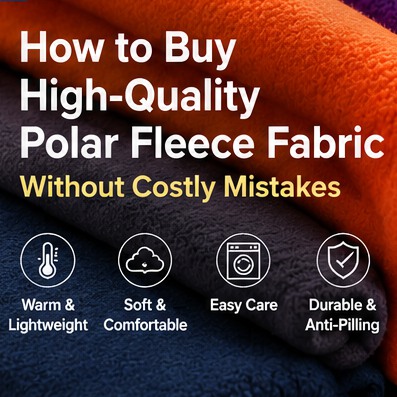
Buying Polar Fleece Fabric may seem straightforward, but choosing the wrong fabric can lead to quality complaints, delayed production, and unnecessary costs. I have seen buyers focus only on price and overlook important factors such as fabric weight, anti-pilling performance, and color consistency. A lower price often becomes much more expensive after production begins.
In this guide, I will share practical tips that help buyers choose the right fleece for clothing, blankets, and accessories while avoiding costly mistakes.
What Is Polar Fleece Fabric?
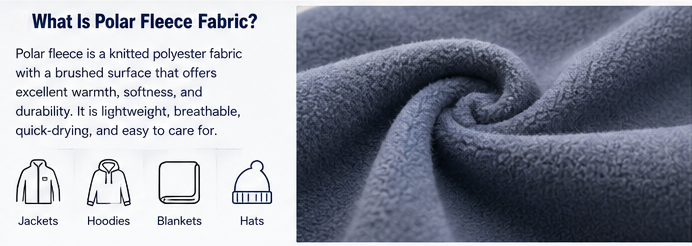
Polar Fleece Fabric is a knitted polyester fabric with a brushed surface that creates a soft, warm, and lightweight texture. Compared with traditional wool, polar fleece offers excellent insulation while remaining breathable, quick-drying, and easy to maintain.Because of these advantages, manufacturers use it in many products, including jacket, hoodies, blankets, hats, pet products, and outdoor apparel.
Toda's market also offers many options, including anti-pilling fleece, recycled fleece, and patterned polar fleece. Buyers can even choose custom colors such as Orange polar fleece fabric or purple Polar Fleece Fabric**, depending on their brand requirements.
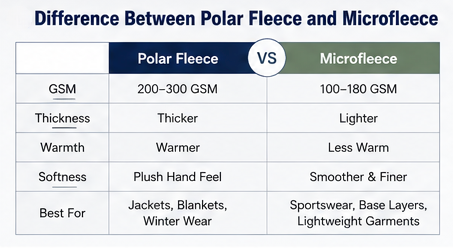
Difference Between Polar Fleece and Microfleece
One of the most common questions I hear is about the difference between polar fleece and microfleece.
Standad polar fleece usually weighs between 200 and 300 GSM. It provides better insulation and works well for jackets, blankets, and winter clothing.Microfleece normally weighs between 160 and 200 GSM. It feels lighter and softer, making it suitable for sportswear, base layers, and lightweight garments.
If I need fabric for a jacket or a heavy winter blanket, I choose standard polar fleece. If the goal is flexibility and breathability, microfleece becomes the better option.The right choice depends on your product rather than which fabric is "better."
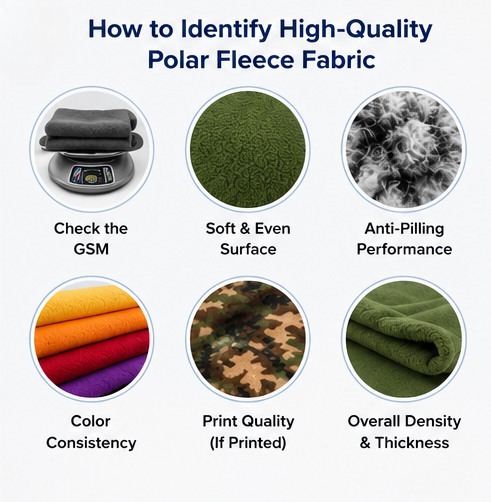
How to Identify High-Quality Polar Fleece Fabric
Before placing a bulk order, I always evaluate the fabric carefully.
1.Check the GSM.
Fabric weight affects warmth, durability, and price. Lightweight fleece works well for activewear, while heavier fleece suits jackets and blankets.
2.Inspect the surface.
High-quality fleece should feel soft, smooth, and even. The brushed finish should look consistent without loose fibers or bald spots.
3.Examine the color quality.
Whether you order solid shades or custom colors, the dye should remain consistent across every production lot.
4.Review the print quality.
Many brands now order camo polar fleece fabric or custom designs for seasonal collections. Printed fleece should display sharp graphics and strong color fastness without affecting the softness of the fabric.
Finally, always request samples before confirming a bulk order. A sample reveals much more than a product photo ever can.
Does Polar Fleece Shrink?
In most cases, high-quality polyester polar fleece shrinks very little because polyester fibers remain dimensionally stable. However, poor finishing, incorrect heat setting, or excessive washing temperatures may cause slight shrinkage.I recommend asking your supplier for shrinkage test results and washing a sample before production. This simple step can prevent unexpected sizing issues later.
Three Tips for Buying Polar Fleece Fabric
a. Define Your Product First
Different products require different fleece constructions. Jackets usually need heavier fabric, while sportswear performs better with lightweight fleece. Understanding the final application helps you choose the correct GSM and finish.
b. Request Samples
Never rely only on product photos or technical specifications. I always compare samples to evaluate softness, thickness, color, and overall quality before placing a bulk order.
c. Compare More Than Price
A lower quotation does not always provide better value. Compare fabric weight, anti-pilling treatment, dye quality, lead time, and production consistency instead of focusing only on cost.
Conclusion
Buying high-quality polar fleece fabric doesn't have to be complicated. I believe successful sourcing starts with understanding the fabric, requesting samples, comparing quality instead of price, and working with an experienced supplier.Whether you plan to manufacture jackets, blankets, outdoor apparel, or custom printed fleece products, taking a little extra time before placing an order can save significant costs later. Investing in the right fabric today helps you deliver better products, strengthen customer satisfaction, and build a more reliable supply chain for the future.