
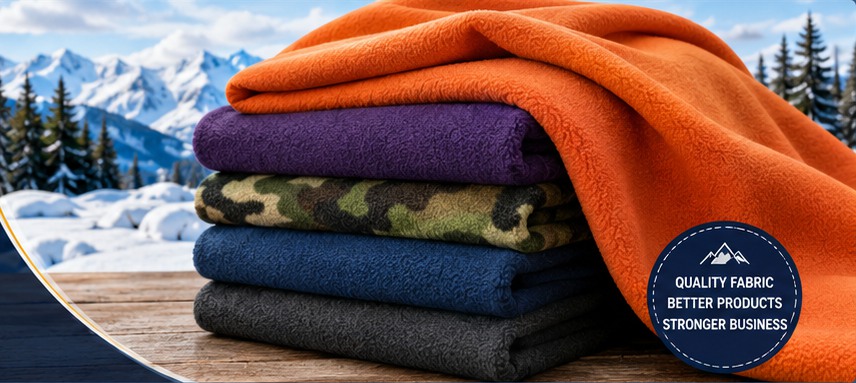
Choosing the right polar fleece fabric is no longer as simple as selecting a color and placing an order. Today's market offers a wide range of fleece options, from lightweight microfleece to heavy-duty anti-pilling fabrics, each designed for different applications. As someone who has worked with fleece fabrics for years, I know that selecting the right material can improve product quality, reduce production issues, and increase customer satisfaction.
In this guide, I explain the key factors every buyer should consider before purchasing polar fleece. Whether you manufacture clothing, blankets, outdoor gear, or custom textile products, these practical tips will help you make confident sourcing decisions in 2026.
What Is Polar Fleece Fabric?
Polar fleece fabric is a knitted polyester fabric that features a brushed surface for extra softness and warmth. Compared with natural wool, fabric polar fleece is lighter, dries faster, resists wrinkles, and requires less maintenance.Its versatility makes it one of the most popular fabrics for winter apparel and home textiles. You can find it in jackets, hoodies, blankets, hats, pet products, and outdoor equipment. Many manufacturers also produce recycled polar fleece using recycled polyester, making it an excellent option for brands with sustainability goals.
Key Factors to Consider Before Choosing Polar Fleece Fabric
Before making a purchasing decision, I always evaluate several quality indicators.
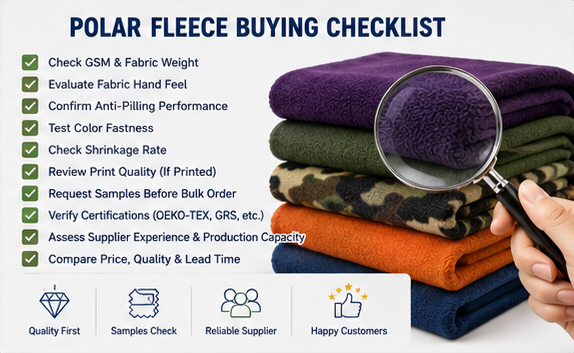
1.GSM (Weight): The fabric weight determines warmth and durability. Lightweight fleece suits sportswear, while heavier fabrics perform better for winter jackets and blankets.
2.Surface Quality: Premium fleece should feel soft, even, and smooth without rough fibers or thin spots.
3.Anti-Pilling Performance:High-quality anti-pilling treatment keeps garments looking new after repeated washing.
4.Fabric Density: Dense fleece generally provides better insulation and longer service life.
5.Color Fastness: Bright colors and printed fabrics should resist fading during washing and daily use.
Choosing the Right Polar Fleece Fabric for Different Products
Every application requires different fabric characteristics.For a jacket , I recommend heavier fleece with anti-pilling treatment because warmth and durability are essential.Blankets benefit from thicker fleece with a plush hand feel, while hoodies usually perform well with medium-weight fabrics that balance comfort and flexibility.Manufacturers producing hats can also select fleece based on different polar fleece hat patterns, depending on the season and intended market.For sewing enthusiasts and custom textile businesses, choosing the right pattern for polar fleece ensures attractive finished products while maintaining fabric performance.
Common Mistakes Buyers Should Avoid
Many sourcing problems happen because buyers overlook simple details.
Include:
Choosing the cheapest fabric instead of the best value.
Ignoring GSM and fabric density.
Ordering without requesting samples.
Forgetting to evaluate anti-pilling performance.
Not checking color consistency.
Working with suppliers who lack production experience.
Conclusion
Choosing the best Polar Fleece Fabric requires more than comparing quotations. I believe successful sourcing begins with understanding different fleece types, evaluating quality carefully, and matching the fabric to the final product.Whether you need fleece for jackets, blankets, outdoor apparel, or custom printed collections, requesting samples and reviewing technical specifications before placing a bulk order can significantly reduce sourcing risks. Investing in the right fabric today will help you deliver better products, strengthen customer confidence, and build a more reliable supply chain throughout 2026.