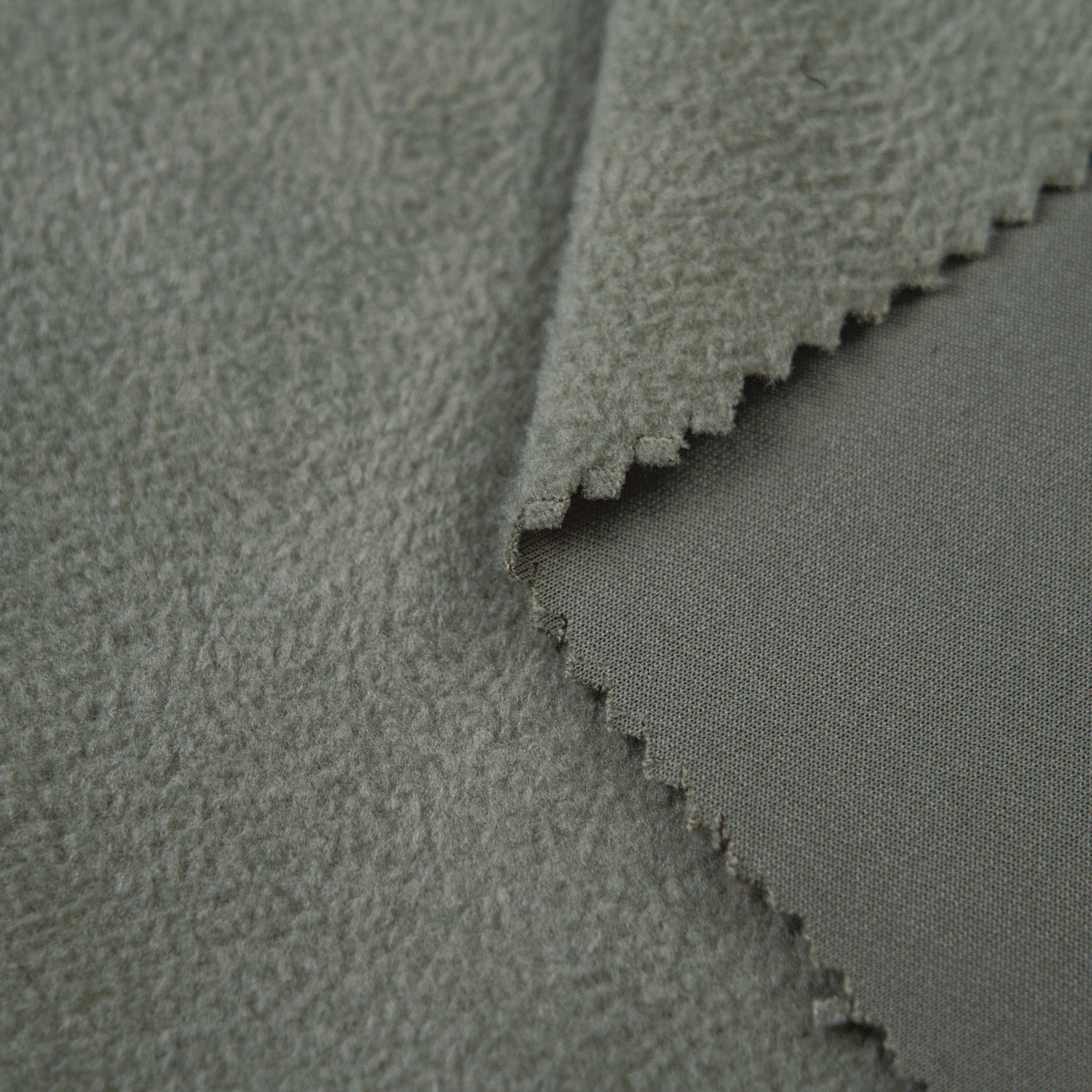
Polyester material cost factors is a versatile fabric widely used in various industries due to its strength, durability, and cost-effectiveness. For B2B buyers, particularly purchasing managers and product developers, understanding the specifications and applications of polyester is crucial for making informed purchasing decisions. This article provides insights into the key specifications of polyester, cost considerations for bulk purchasing, its applications across different sectors, common issues, and installation guidance to help you navigate your procurement process effectively.
Cost Factors to Consider When Purchasing Polyester in Bulk
When purchasing polyester in bulk, several cost factors must be taken into account to ensure you receive value for your investment:
Material Quality: The quality of polyester can vary significantly. Higher-quality polyester materials bulk orders tend to cost more but offer better durability and performance. It is essential to balance quality with budget constraints.
Order Quantity: Many manufacturers offer discounts based on order volume. Understanding the minimum order quantity (MOQ) for different products can help you optimize your purchasing strategy.
Customizations: Customizing polyester fabric—whether through specific colors, prints, or finishes—can increase costs. Buyers should weigh the necessity of custom features against the overall budget.
Shipping and Handling: Bulk orders often incur additional shipping costs, especially if the fabric is shipped internationally. Understanding the logistics involved, including freight costs and potential tariffs, is crucial for accurate budgeting.
Lead Time: Consideration of lead time is also vital. Longer lead times can affect production schedules, which may lead to increased costs if rush orders are needed.
By understanding these cost factors, you can better assess your total expenditure when purchasing polyester material in bulk orders.