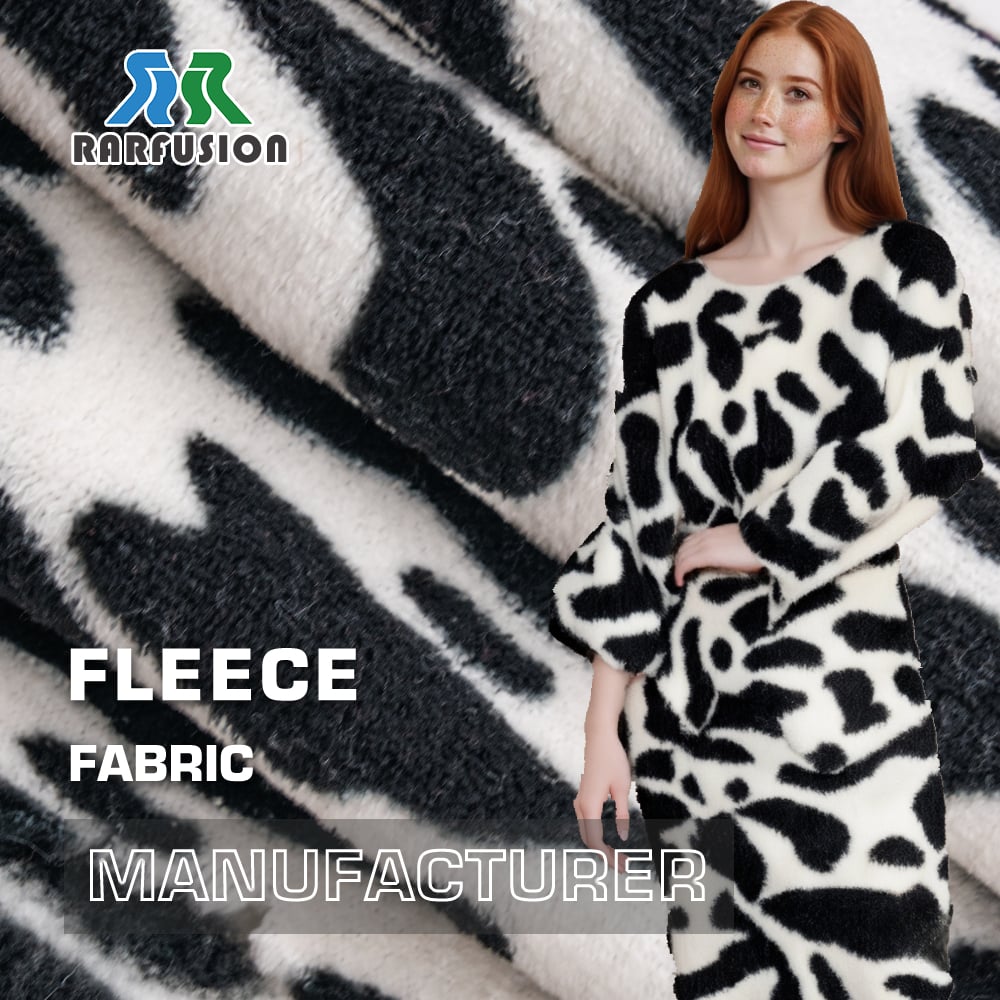
Polyester is a versatile and widely used synthetic fabric known for its durability, affordability, and ease of care. In the context of industrial and commercial applications, selecting the sourcing polyester fabrics right polyester softshell can significantly impact product quality and performance. As a B2B buyer, it’s essential to understand the polyester fabrics various types of polyester, their polyester fabrics specifications, and they fit your specific project needs. This article will guide you through the critical factors to consider when choosing polyester fabrics, ensuring you make informed purchasing decisions.
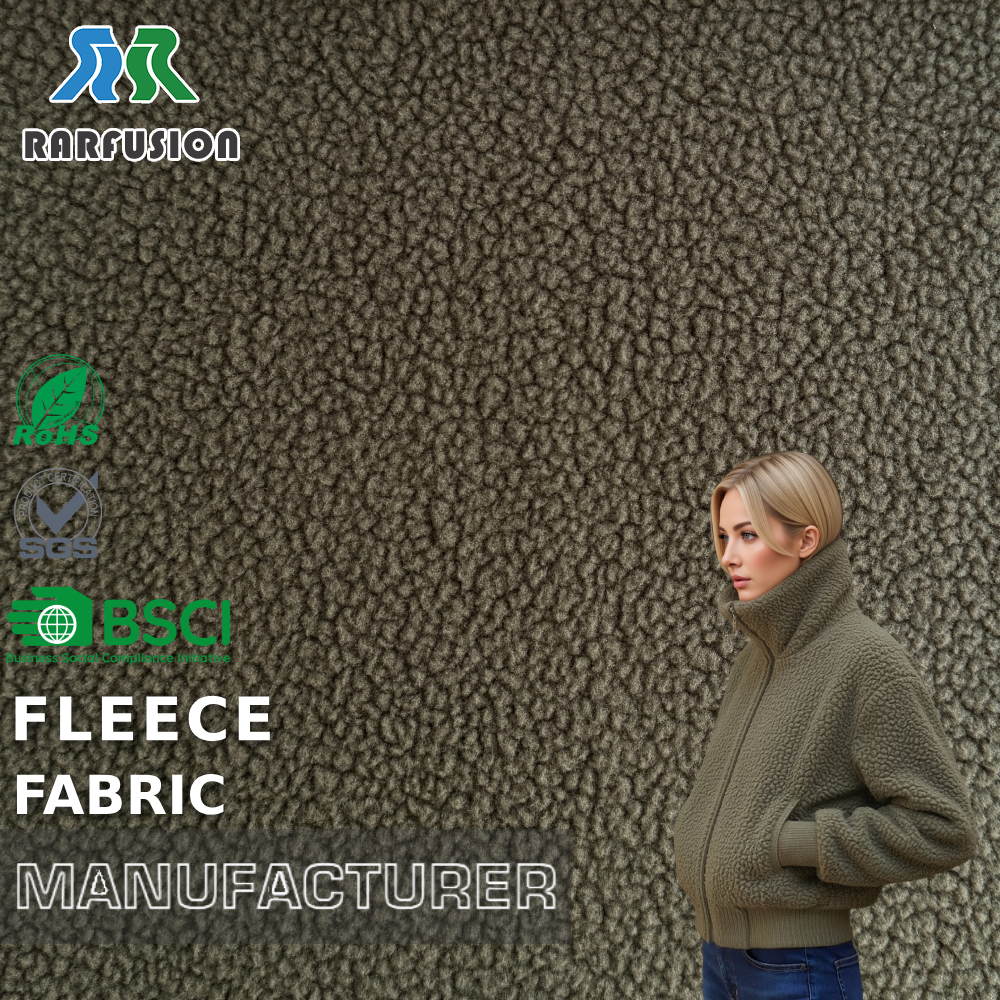
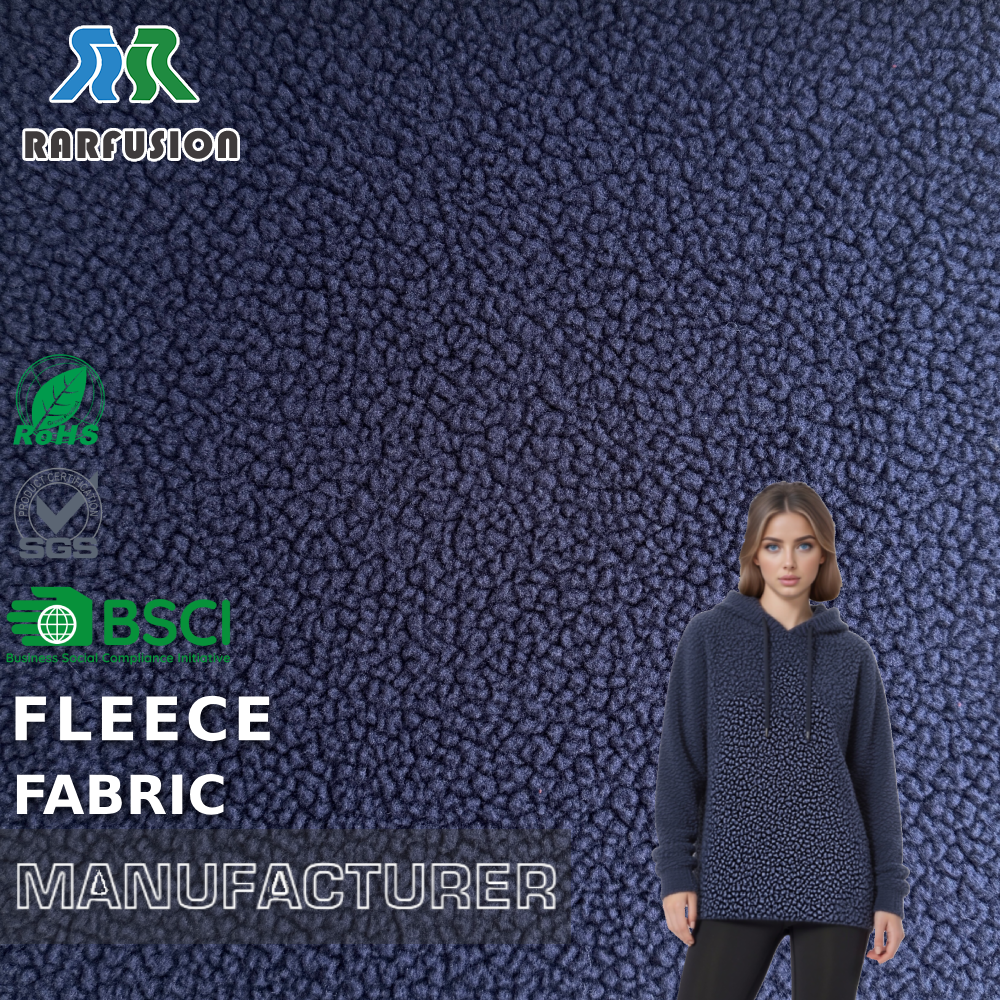

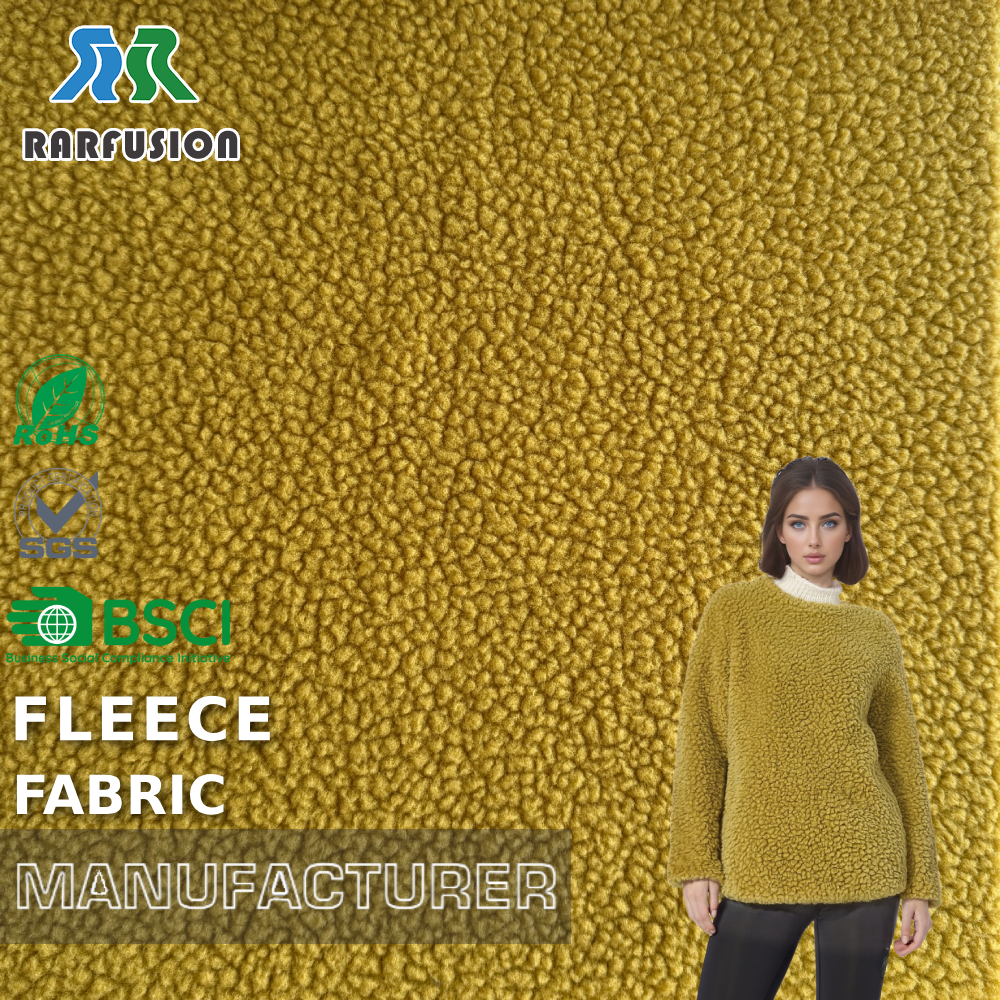
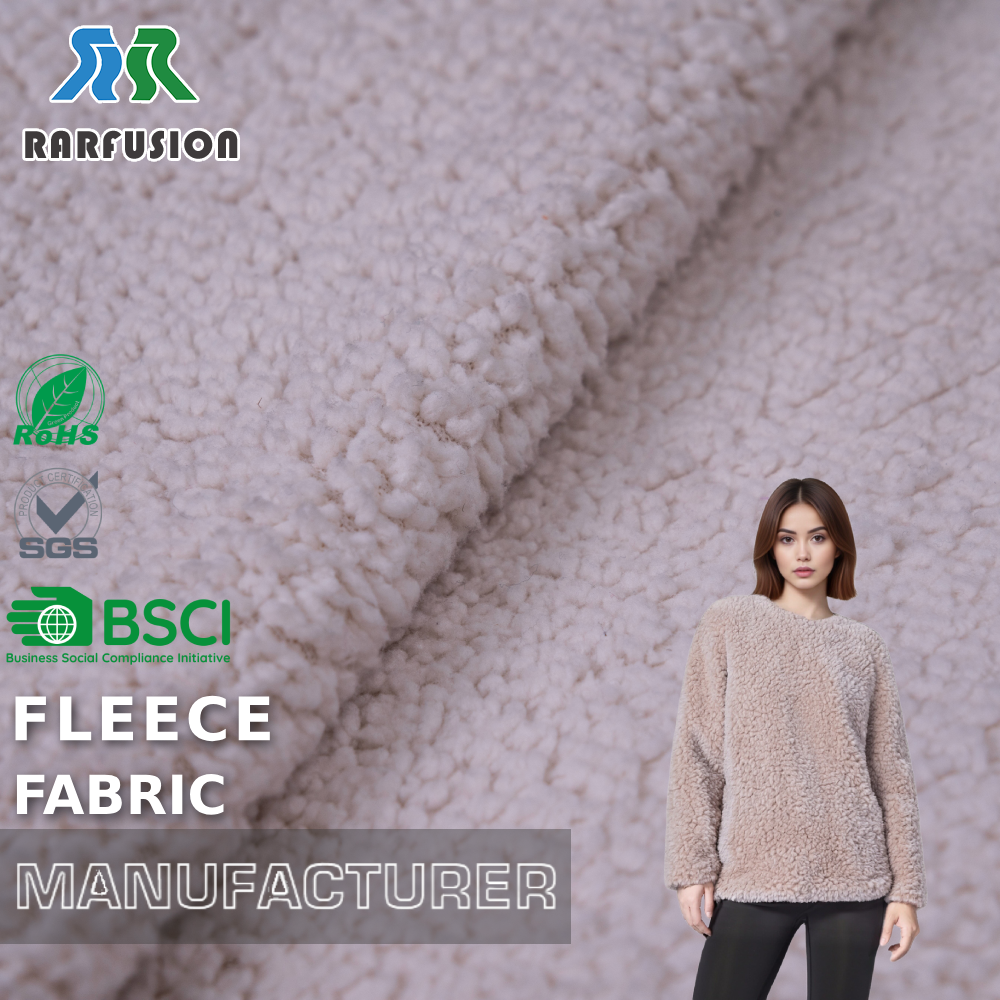

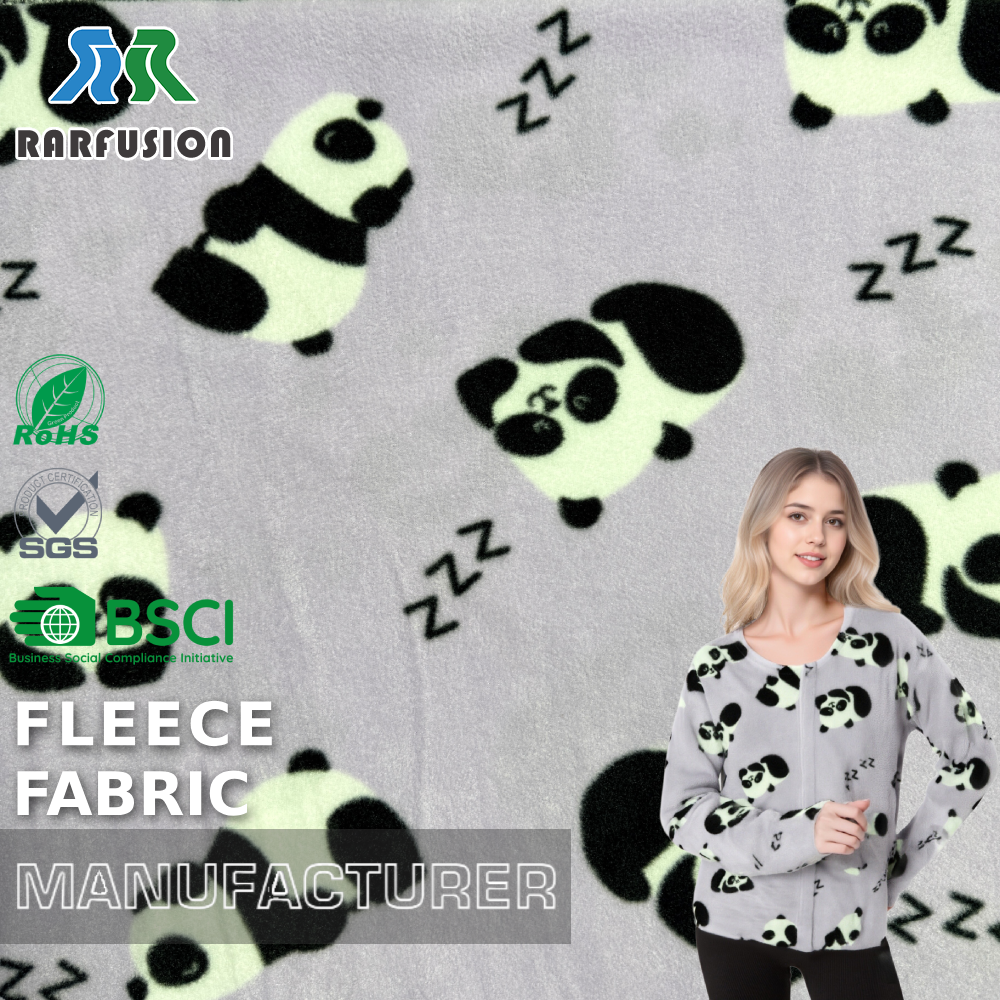
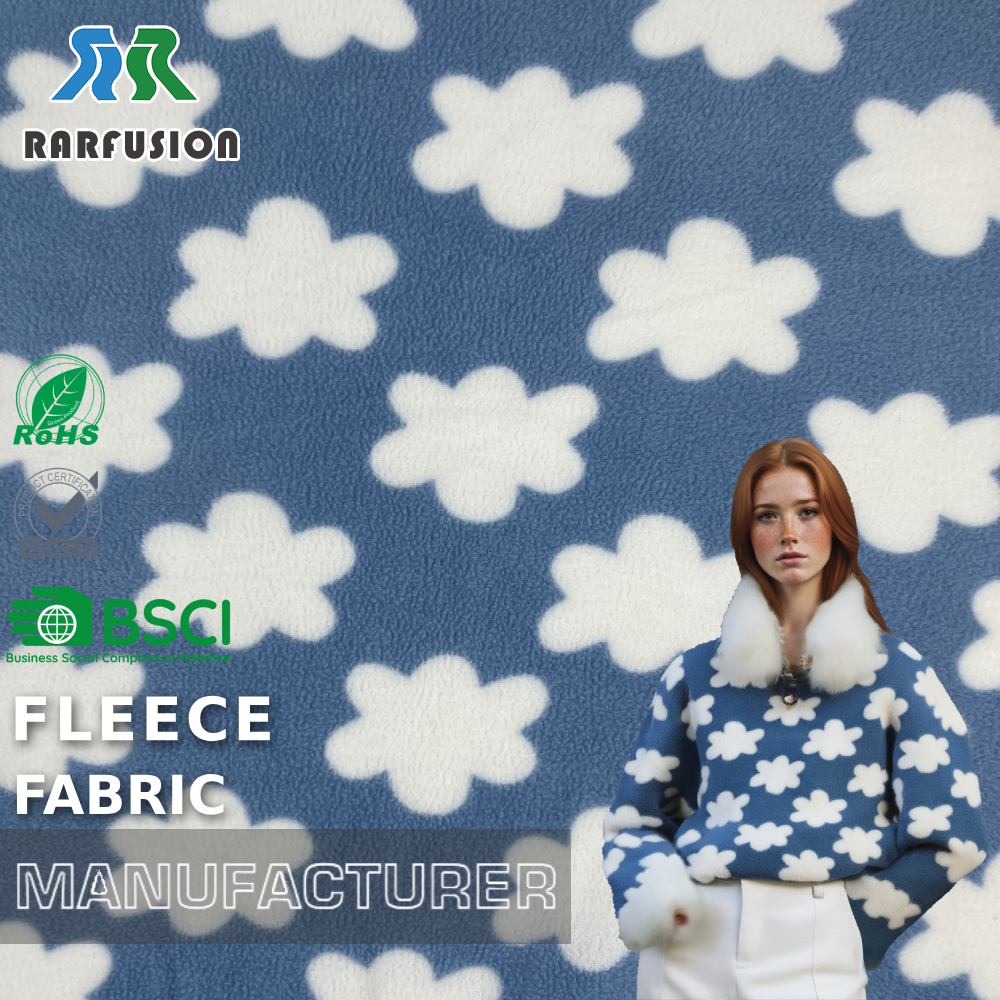
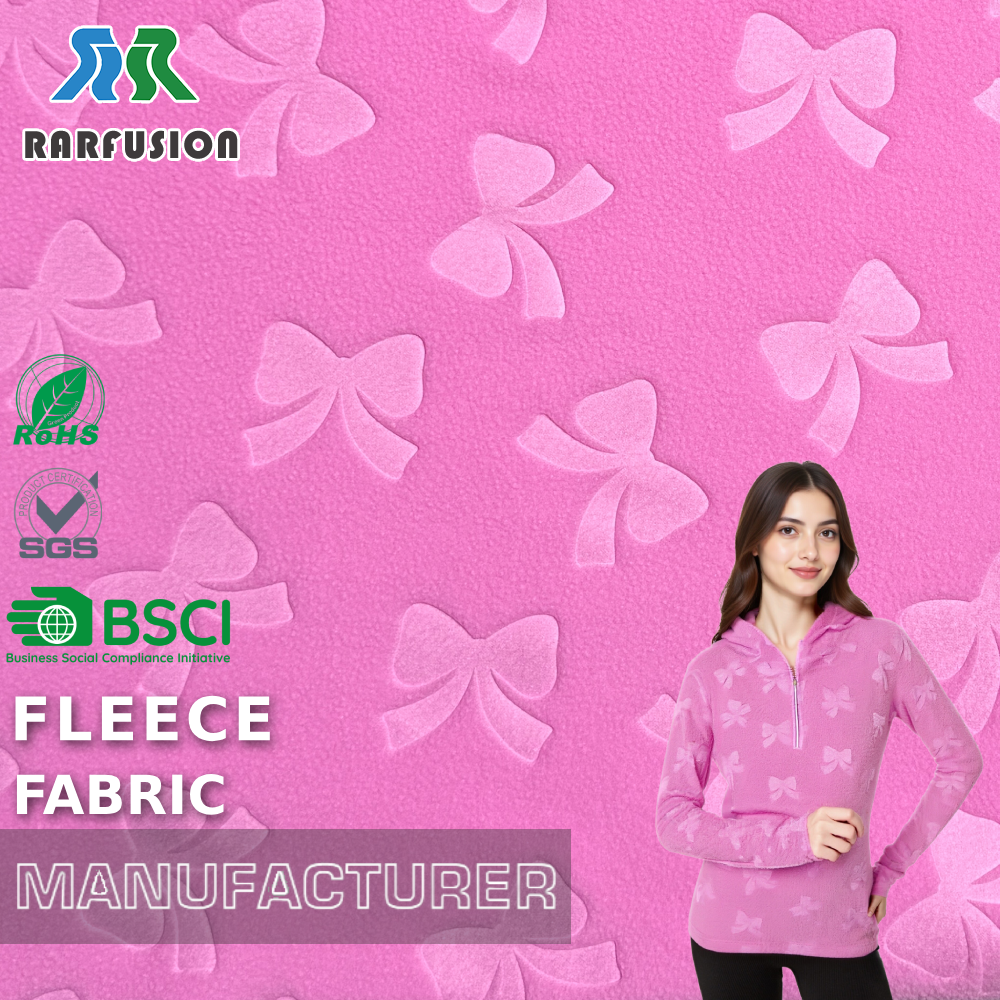

Comparing Polyester Specifications to Meet Your Project Needs
When comparing polyester fabrics, several specifications should be taken into account to ensure they align with your project requirements. Key specifications include:
Denier: This measures the fiber thickness. A higher denier indicates a thicker and often more durable fabric, which is ideal for heavy-duty applications. Conversely, a lower denier provides a lighter, more breathable option suitable for clothing.
Tensile Strength: This property defines the fabric's resistance to pulling forces. For industrial applications, high tensile strength is crucial to prevent tears and ensure longevity.
Moisture Wicking: Fabrics with moisture-wicking properties can draw sweat away from the body, making them ideal for activewear. This performance feature can significantly enhance comfort for end-users.
Colorfastness: This specification indicates how well the sourcing polyester fabrics polyester fabrics fpolyester fabrics abric retains its color after exposure to washing and sunlight. High colorfastness is essential for products exposed to harsh conditions.
Flame Resistance: For certain applications, particularly industrial settings, flame-retardant polyester soft shell fabric may be necessary to meet safety regulations.
By carefully evaluating these specifications, buyers can ensure that the polyester fabric chosen will perform effectively in its intended application, ultimately leading to higher customer satisfaction and reduced return rates.