
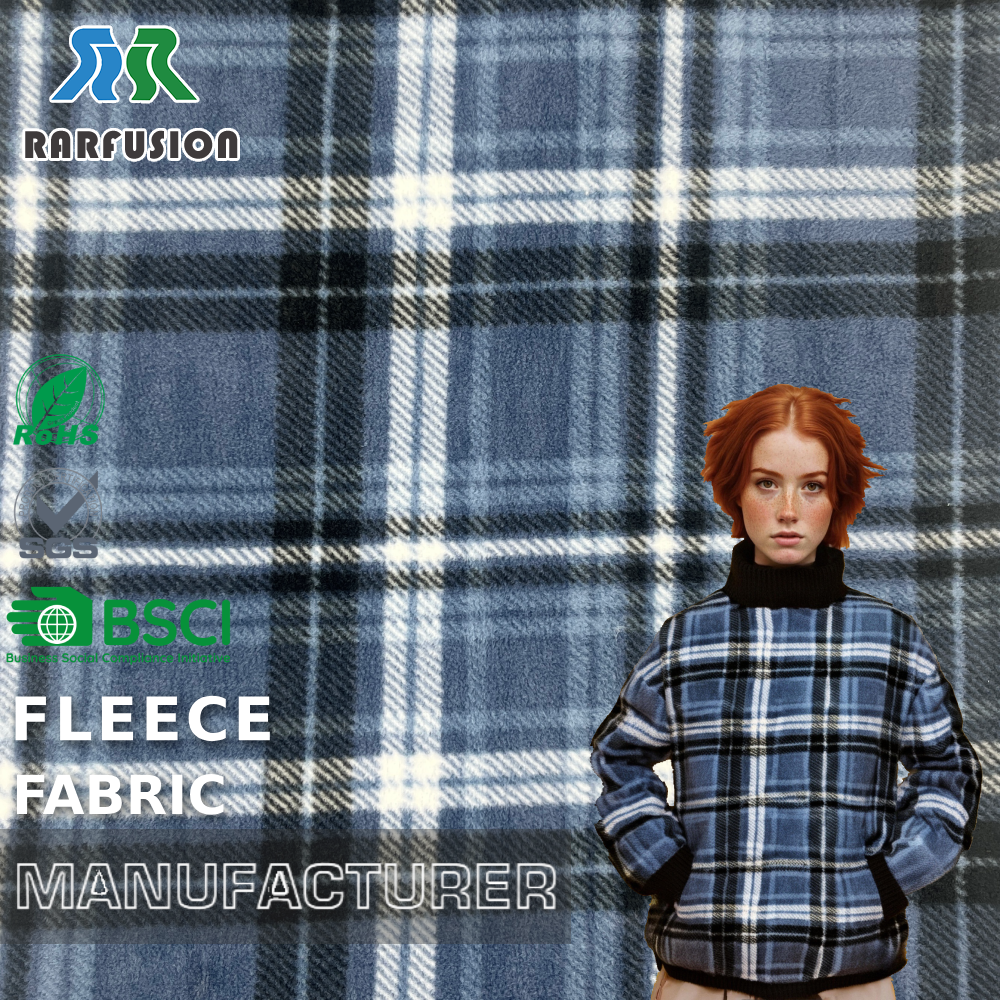
As a fabric supplier with years of business experience, I often encounter customers using the same type of polar fleece for both children’s clothing and outerwear, which leads to constant quality issues. I always emphasize to my clients that the procurement standards for children’s wear polar fleece and outerwear polar fleece are completely different. Today, from a merchant’s perspective, I will clarify the core purchasing criteria to help you select the right fabric, reduce after-sales problems, and improve product competitiveness.
1. Safety for Children’s Wear, Quality for Outerwear
Many customers fall into the misunderstanding that all polar fleece is similar and can be used universally. From a practical business standpoint, this approach carries high risks. Children’s wear targets kids with delicate skin, so safety and skin-friendliness are bottom-line requirements that directly affect product compliance and reputation. Outerwear is designed for daily wear, so warmth retention and shape retention are key factors influencing pricing and market acceptance. When recommending fabrics to clients, I always insist on matching them to the intended use and do not recommend mixed use — this is how I take responsibility for my customers’ businesses.
2. Polar Fleece for Children’s Wear: Safety & Compliance as the Top Priority
When recommending polar fleece for children’s clothing, I strictly control several core indicators. First is safety level: it must meet Class A standards to eliminate hidden safety risks at the source. Second is skin-friendly texture: I prioritize micro polar fleece, which is soft, smooth, non-irritating, and suitable for direct skin contact. It must also have excellent resistance to pilling and shedding, to prevent ingestion or discomfort from loose fibers. For weight, I suggest 180–220g lightweight styles to ensure children can move freely.
3. Polar Fleece for Outerwear: Practicality & Texture as Core Requirements
For customers making outerwear, I focus more on performance and appearance. I recommend medium to heavyweight fabrics at 240–320g, especially two-sided polar fleece, which offers high loft and superior warmth. The fabric should have full, dense granules to avoid sagging or deformation. It must also be durable and abrasion-resistant, with high pilling resistance, to withstand regular outdoor use.
4. Conclusion
As a fabric supplier, my clear advice to all customers is: For children’s clothing, focus on safe, skin-friendly, non-shedding compliant fabrics to uphold quality standards. For outerwear, select warm, structured, wear-resistant fabrics to enhance product competitiveness. Choosing the right polar fleece reduces after-sales risks, improves finished product quality, helps clients sell better, and maintains steady profits.