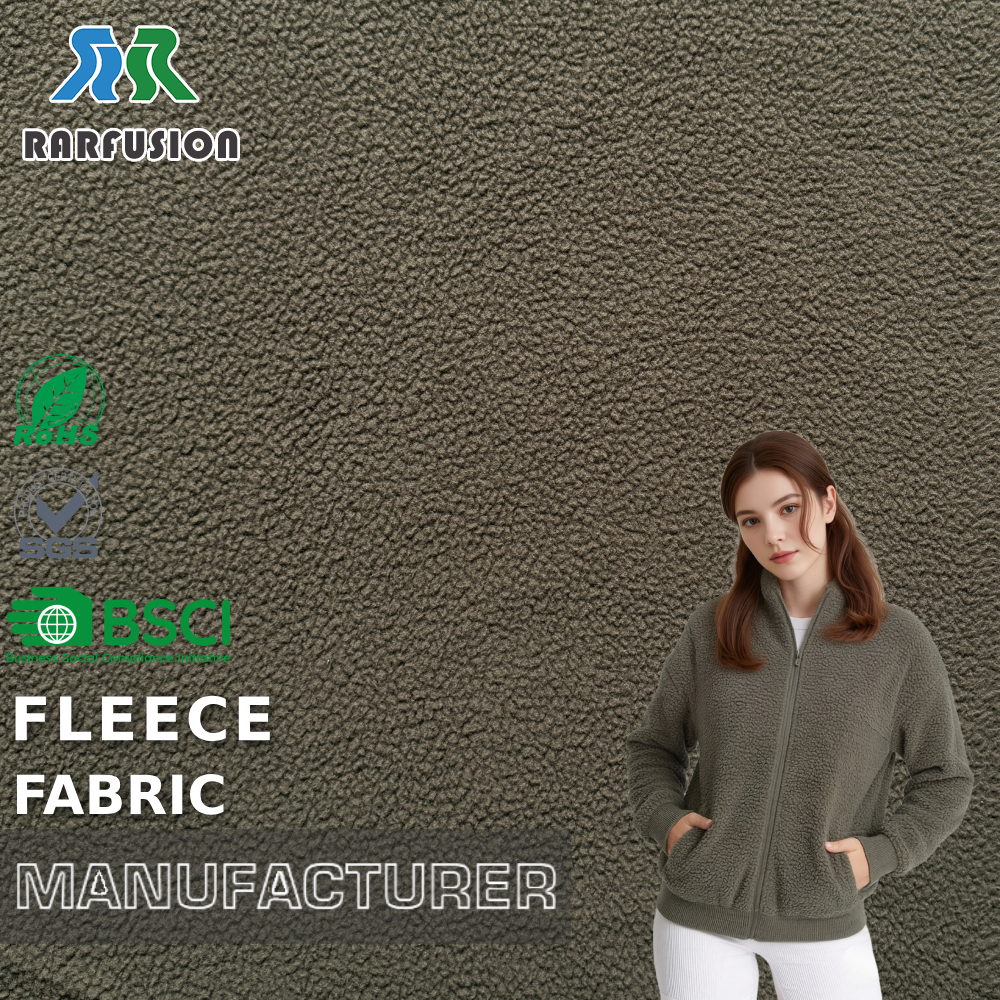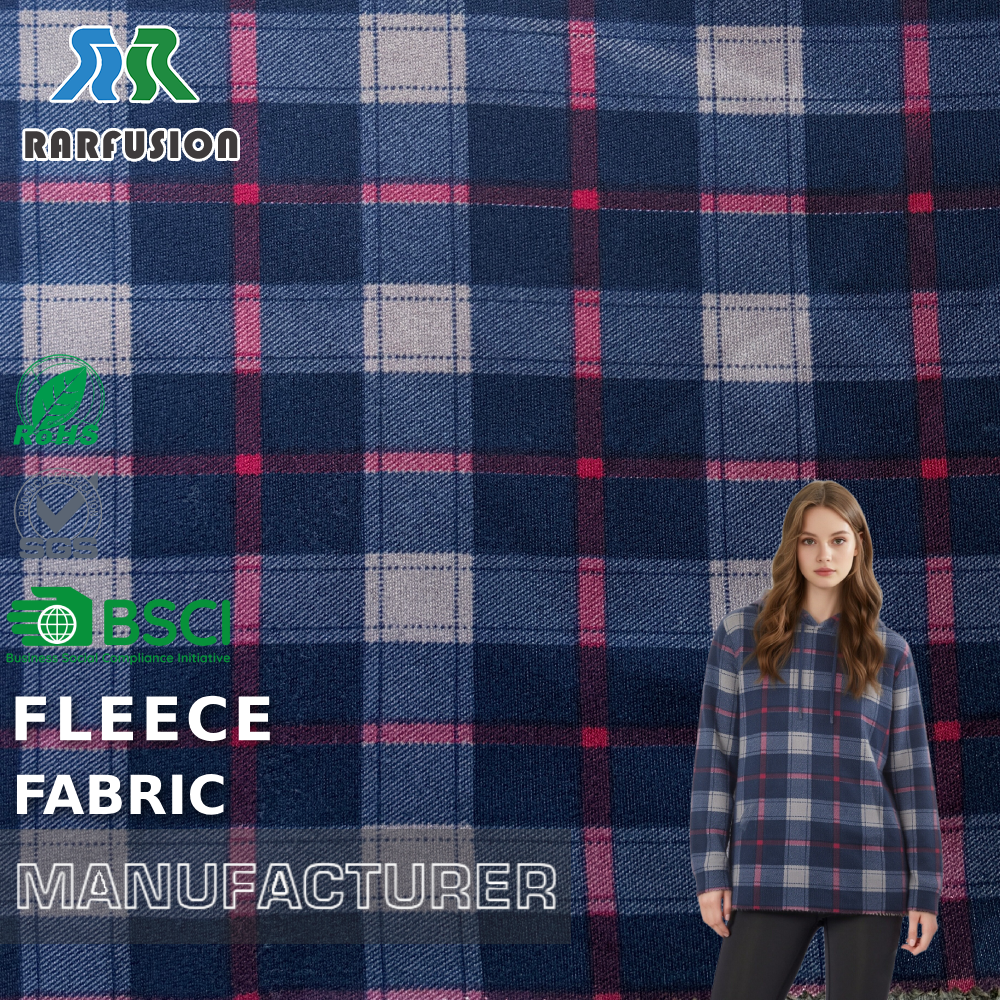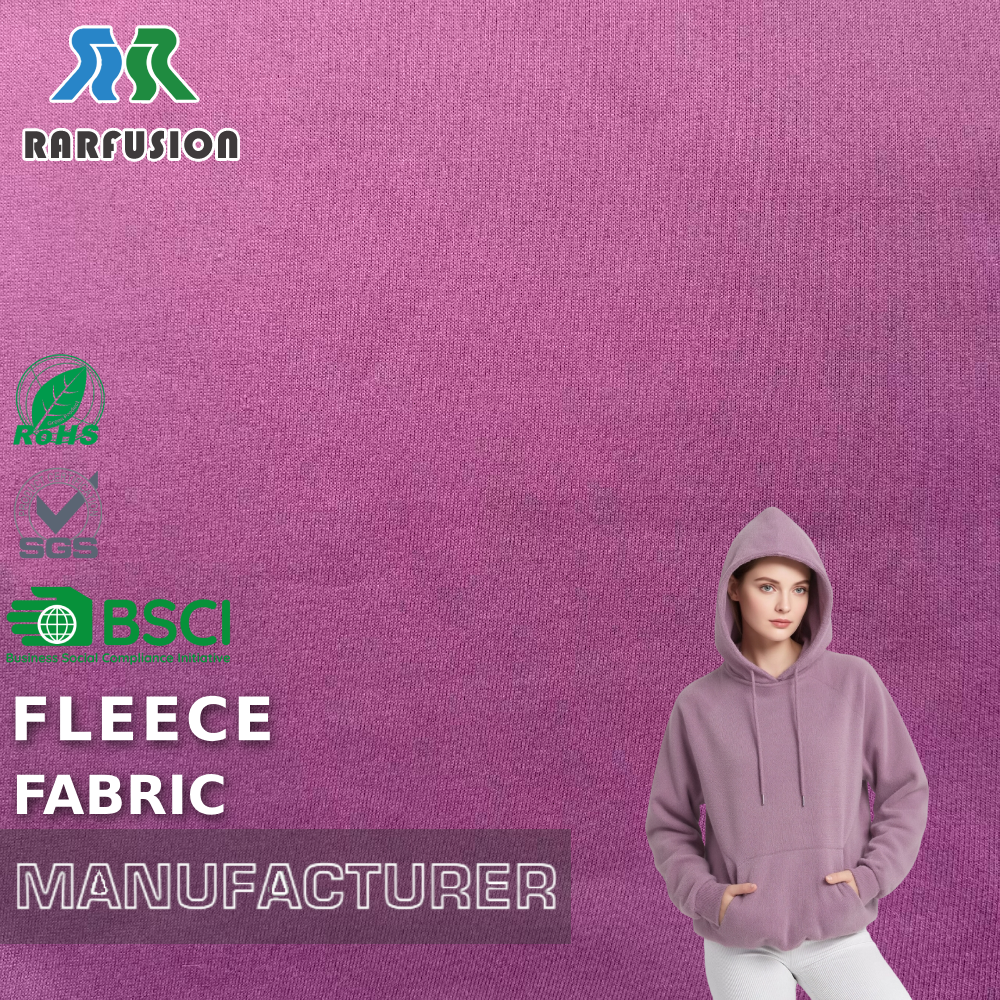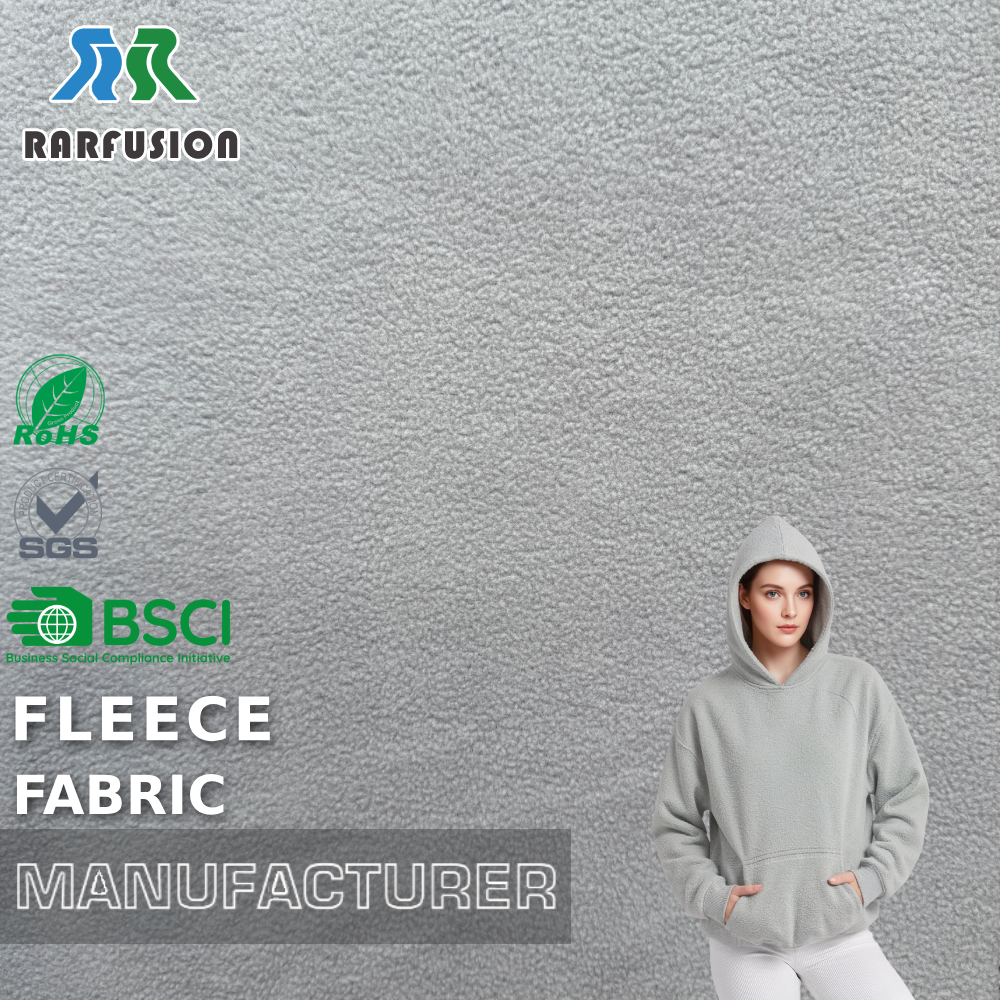
Choosing the Right Microfiber Fleece for Wholesale

Get a Free Quote

Our representative will contact you soon.
Email
Name
Company Name
Message
0/1000

Microfiber fleece

Microfiber fleece is a versatile and popular fabric choice for a variety of applications due to its softness, durability, and moisture-wicking properties. As a B2B buyer, understanding the nuances of this material is crucial when making wholesale orders. This article will address key considerations such as selecting the right soft coral fleece, evaluating quality specifications, understanding cost factors, troubleshooting common issues, and installation guidance to enhance your purchasing decisions.
Our Products

Key Specifications to Evaluate Microfiber Fleece Quality

Quality evaluation of Rarfusion microfiber fleece hinges on several key specifications that directly impact its performance: 

Pilling Resistance: This indicates how well the fabric can withstand wear without forming small balls of fiber on the surface. High-quality fleece should have excellent pilling resistance to maintain its appearance over time. 

Breathability: This property determines how well the fabric allows moisture vapor to escape. Breathable fleece is essential for applications requiring comfort, such as activewear. 

Shrinkage Rate: Consider the shrinkage rate during washing. Fabrics that shrink excessively can lead to fit issues post-purchase, so it’s crucial to seek materials that maintain their dimensions after laundering. 

Colorfastness: This refers to the fabric's ability to retain its color after exposure to washing and sunlight. High-quality microfiber fleece should have good colorfastness to ensure long-lasting vibrancy. 

Certification Standards: Look for certifications that indicate environmental sustainability or safety, such as Oeko-Tex. This can be important for buyers who prioritize eco-friendly products. 

Evaluating these specifications during the sampling phase can help ensure that the final product meets your quality expectations.
Understanding Cost Factors in Microfiber Fleece Purchasing

The cost of microfiber fleece can vary significantly based on several factors: 

Material Costs: The type of fibers used can influence the overall price. Polyester is generally less expensive than proprietary blends that incorporate other high-performance materials. 

Production Volume: Bulk orders often qualify for lower per-unit pricing. Understanding your minimum order quantity (MOQ) can help in negotiating costs effectively. 

Customization: If you require specific colors, patterns, or finishes, customization can increase the price. Be clear about your needs when communicating with suppliers to get accurate quotes. 

Shipping and Logistics: Consider the costs associated with shipping, which can fluctuate based on the destination and order size. Properly planning logistics can help mitigate these costs. 

By understanding these factors, you can better prepare your budget and make strategic purchasing decisions.

Common Problems with Microfiber Fleece and Their Solutions

While microfiber fleece is generally a reliable Rarfusion fabric, there are common issues that buyers may encounter: 

Static Electricity: Microfiber fleece can accumulate static, especially in dry conditions. To address this, consider using anti-static treatments during the finishing process. 

Color Bleeding: Poor dyeing processes may lead to color bleeding during washing. Ensure that your supplier uses high-quality dyes and tests for colorfastness. 

Durability Issues: If the fleece shows signs of wear quickly, it may not meet your quality standards. Discuss durability requirements with your supplier and request samples to test before placing large orders. 

Odor Retention: Some microfiber fabrics can retain odors after extended use. Look for materials that incorporate antimicrobial treatments to mitigate this issue. 

By identifying these potential problems early in the procurement process, you can work with suppliers to find solutions and ensure product quality.

Installation Guidance for Microfiber Fleece Products

Proper installation of Rarfusion microfiber fleece products is essential for optimal performance. Here are key considerations: 

Pre-Washing: It’s advisable to pre-wash microfiber fleece before use. This can help eliminate any residual chemicals from the manufacturing process and reduce the risk of shrinkage. 

Cutting and Sewing: Use sharp tools to cut the fleece cleanly, and ensure that sewing machines are equipped with the correct needle size to avoid snagging. A walking foot may be beneficial for thicker fabrics to prevent shifting. 

Heat Settings: If applying heat for bonding or other purposes, be mindful of the temperature settings. Excessive heat can damage the fibers, leading to diminished performance. 

Finishing Touches: After installation, inspect for any loose threads or imperfections. Addressing these details can enhance the overall quality and presentation of your finished product. 

Following these guidelines can help ensure that your microfiber fleece products perform effectively in their intended applications. 

By understanding these critical aspects of plain coral fleece, B2B buyers can make better purchasing decisions, leading to successful applications and satisfied clients.

How to Choose the Right Microfiber Fleece for Wholesale Orders

When selecting microfiber fleece for wholesale orders, consider the intended application and the specific performance requirements. Different grades of microfiber fleece are available, ranging from lightweight options suitable for apparel to heavier variants designed for industrial uses. 

Key factors include: 

Weight and Thickness: The weight of the fleece can affect its warmth, durability, and drape. For instance, a heavier fleece is generally more insulating, making it suitable for winter garments, while lighter options are ideal for layering. 

Fiber Composition: Microfiber fleece can be made from various fibers, including polyester and polyamide. Polyester is commonly used for its softness and moisture-wicking properties, while polyamide can provide additional strength and durability. 

End Use: Determine whether the polyester coral fleece will be used for clothing, blankets, or other applications. Each use may require different characteristics, such as stretchability, softness, or ease of care. 

By having a clear understanding of these factors, you can make informed choices that align with your customers' needs.

Why choose Rarfusion Microfiber fleece

Own finished fabric warehouse

Automatization, automation, and informatization can aid in improving the management of warehouses and make the fabric handling warehouses transparent and Flannel fabric. The pressures of customers on shipping and storage overseas can be relieved effectively by warehouses that are free.

Complete production chain

The White flannel at Rarfusion cast the soul of fleece fabric, from yarn, to fabric. It is knitted to create brand dreams. Innovations and new technologies are what we aim for. We strive to provide our customers with items that are more fashionable as well as more comfortable and more durable.

Rich production experience

Rarfusion (Shaoxing) International Trade Co., Ltd was Flannelette cloth in 2010. With more than ten years ' experience in research and development of fleece fabrics production, sales and RD Our company has the most modern technology and equipment, with complete production of supply, sales and production, and an annual production of 10 million kilos. Our products enjoy good sales both in the United States and internationally. We also have an outstanding reputation in the business.

Good after-sales service

Our support team will remain Flannel fabric by the yard to our customers even after they have purchased the product Strong after-sales service fosters long-lasting relationships with customers and enhances their satisfaction with our products Your questions happen to be our expertise and we are available anytime

Our Blog Posts

Why Rib Fabric Is Perfect for Cuffs, Collars, and Waistbands

27

Mar

Why Rib Fabric Is Perfect for Cuffs, Collars, and Waistbands

Rib fabric is the fancy variety of cloth you see on cuffs, collars and waistbands of shirts and jackets. It kind of resembles small little raised lines up and down the fabric. This is the pattern that makes rib fabric stretchy and strong. For garment...
View More
The Best Mesh Fabric for Backpack and Outdoor Gear Manufacturing

15

Jan

The Best Mesh Fabric for Backpack and Outdoor Gear Manufacturing

Type of fabric is crucial when it comes to directing how backpacks and outdoor gear will be made. One excellent option is mesh fabric. Mesh is a type of material that has many little holes in it. This design provides the characteristics of light and ...
View More
Polar Fleece for Children’s Wear vs. Outerwear: Different Procurement Standards

18

Apr

Polar Fleece for Children’s Wear vs. Outerwear: Different Procurement Standards

As a fabric supplier with years of business experience, I often encounter customers using the same type of polar fleece for both children’s clothing and outerwear, which leads to constant quality issues. I always emphasize to my clients that t...
View More
How to Choose the Best Polar Fleece Fabric: A Complete Buyer's Guide for 2026

06

Jul

How to Choose the Best Polar Fleece Fabric: A Complete Buyer's Guide for 2026

Choosing the right polar fleece fabric is no longer as simple as selecting a color and placing an order. Today's market offers a wide range of fleece options, from lightweight microfleece to heavy-duty anti-pilling fabrics, each designed for differen...
View More

Get a Free Quote

Our representative will contact you soon.
Email
Name
Company Name
Message
0/1000

Get a Free Quote

Our representative will contact you soon.
Email
Name
Company Name
Message
0/1000
because focus so professional.

Copyright © Rarfusion (Shaoxing) International Trade Co., Ltd. All Rights Reserved  -  Privacy Policy