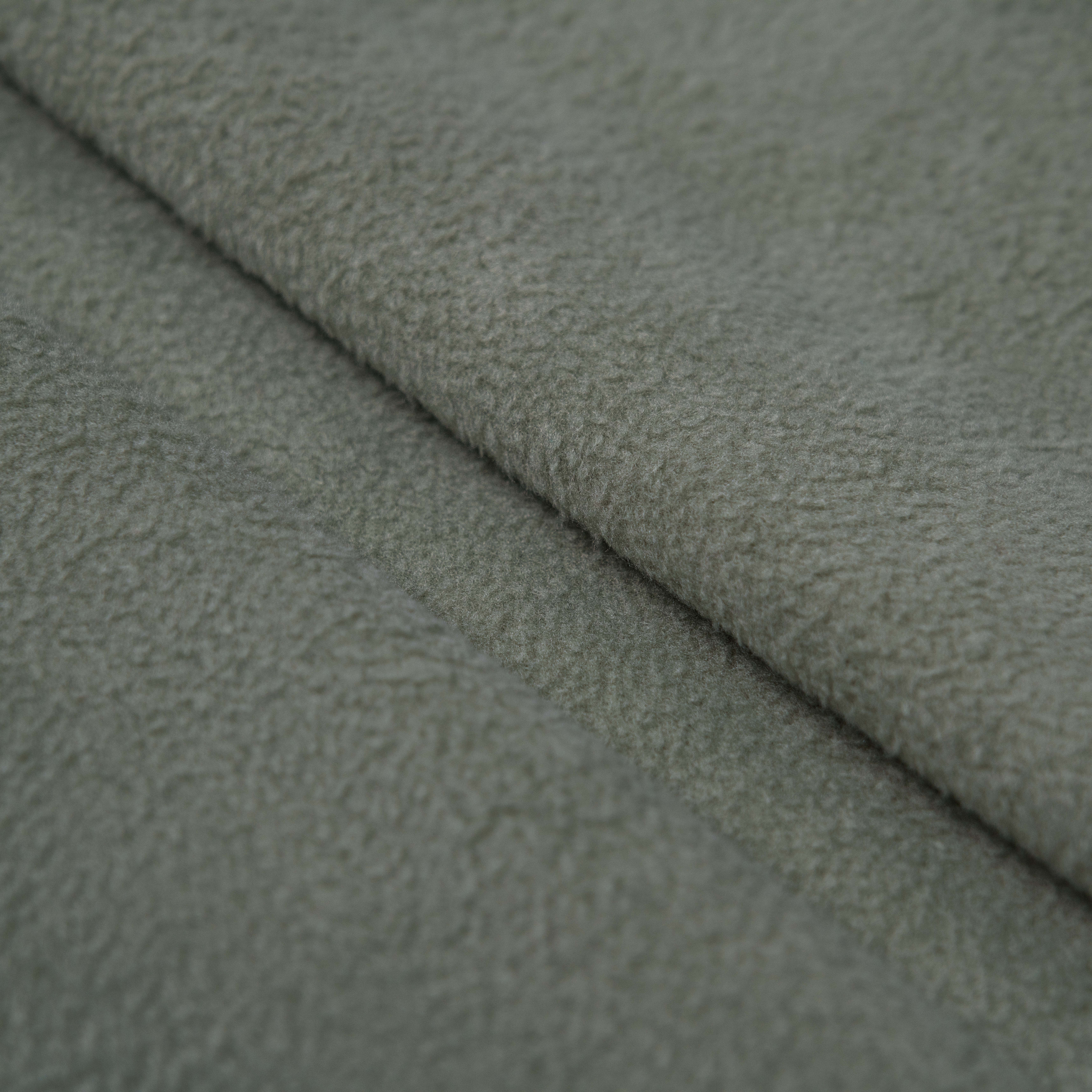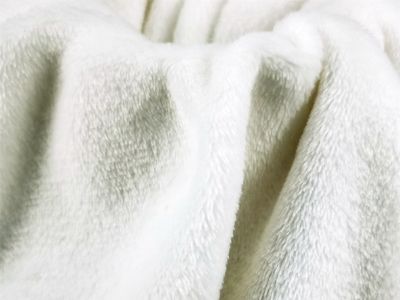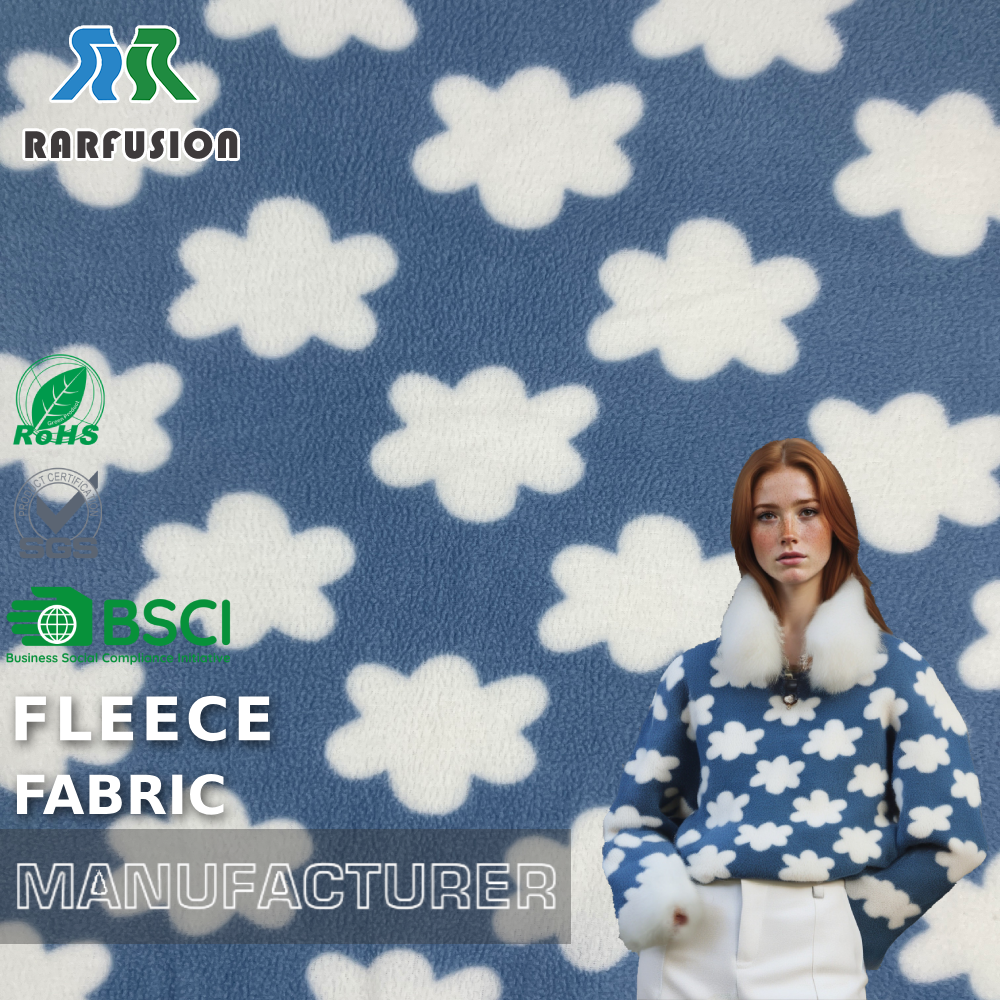
Wholesale fabric, particularly fleece materials, is a critical component in various industries, from fashion to manufacturing. Buyers looking for wholesale fabric often prioritize quality, cost-effectiveness, and suitability for their specific applications. This article will delve into essential considerations and specifications for purchasing wholesale fabric , evaluate quality assessment methods, address common sourcing challenges, and explore the wide-ranging applications of wholesale bulk fabric in different sectors.
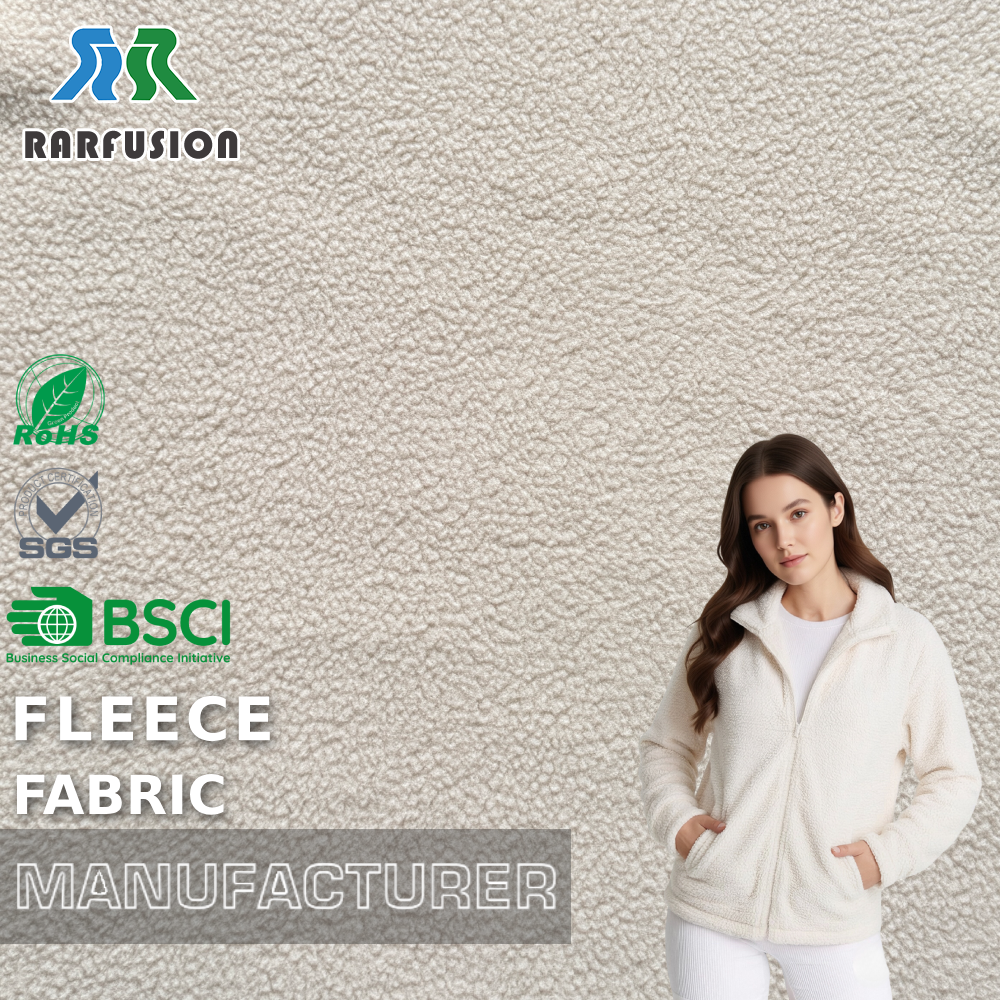
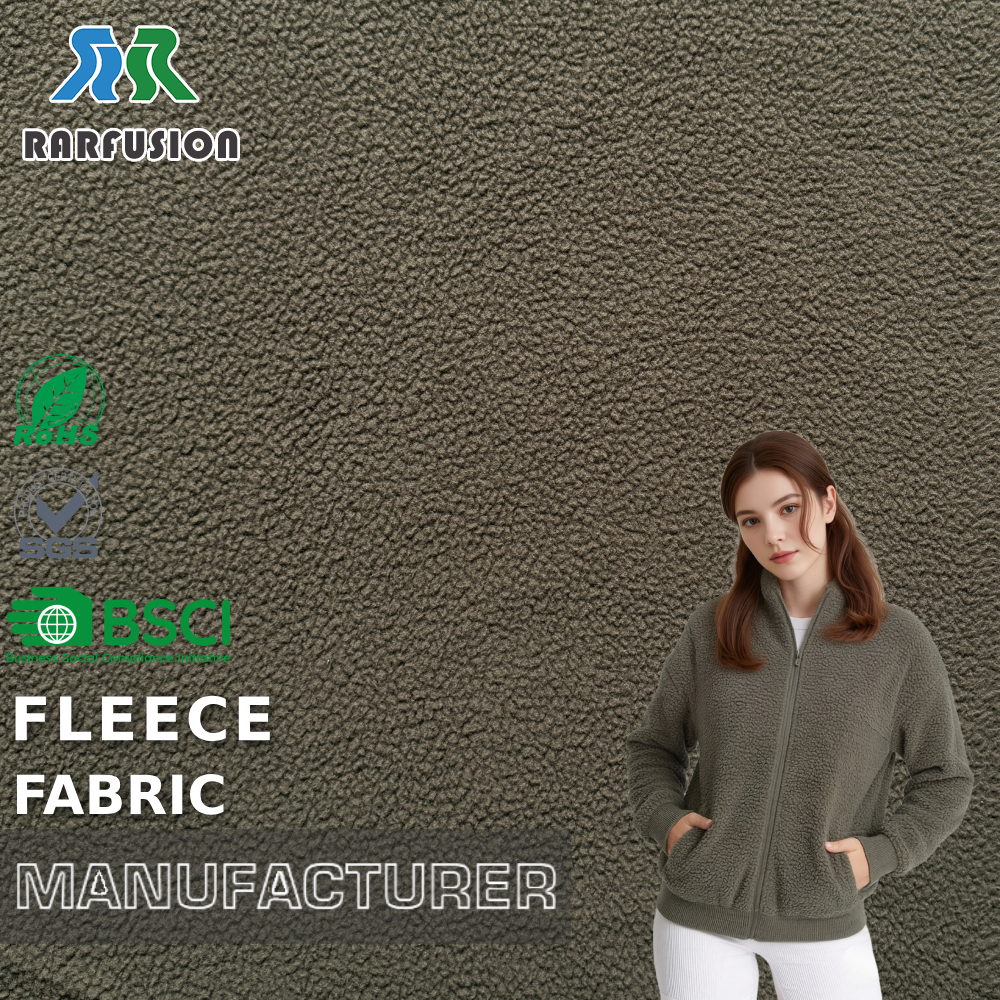
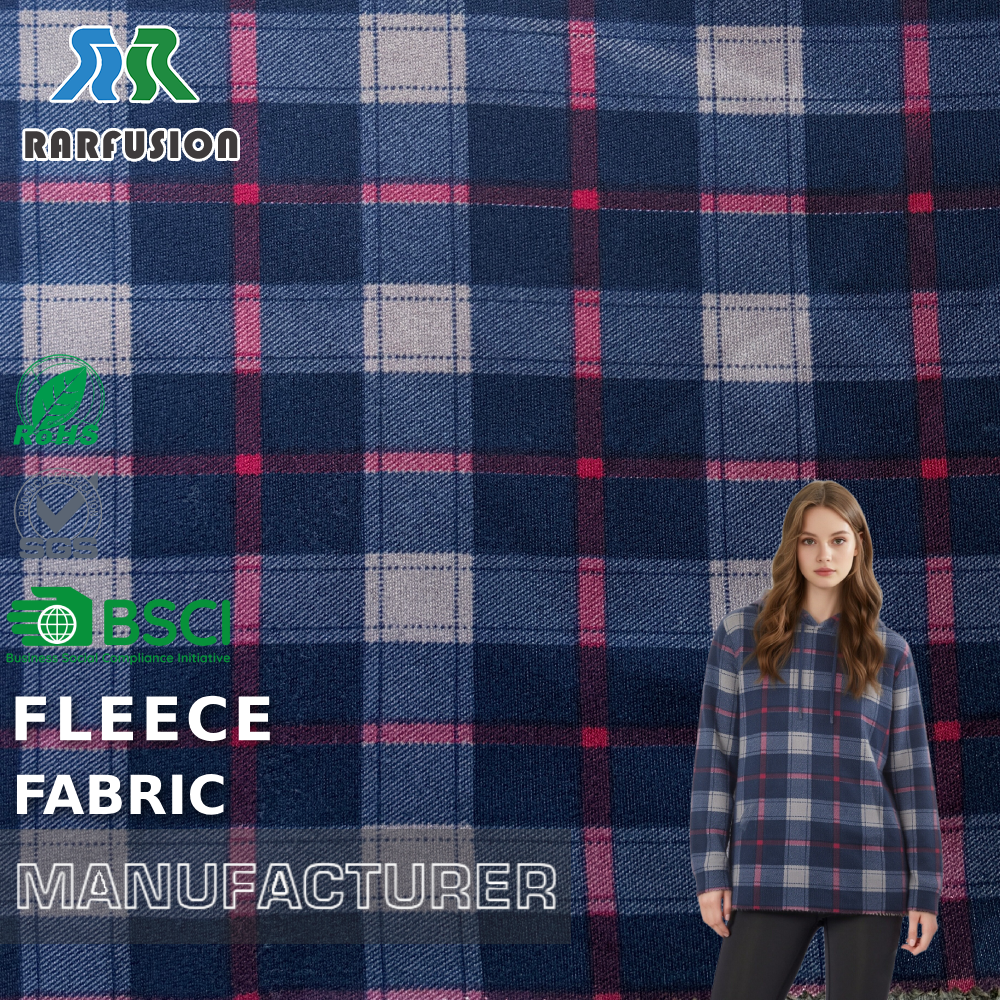
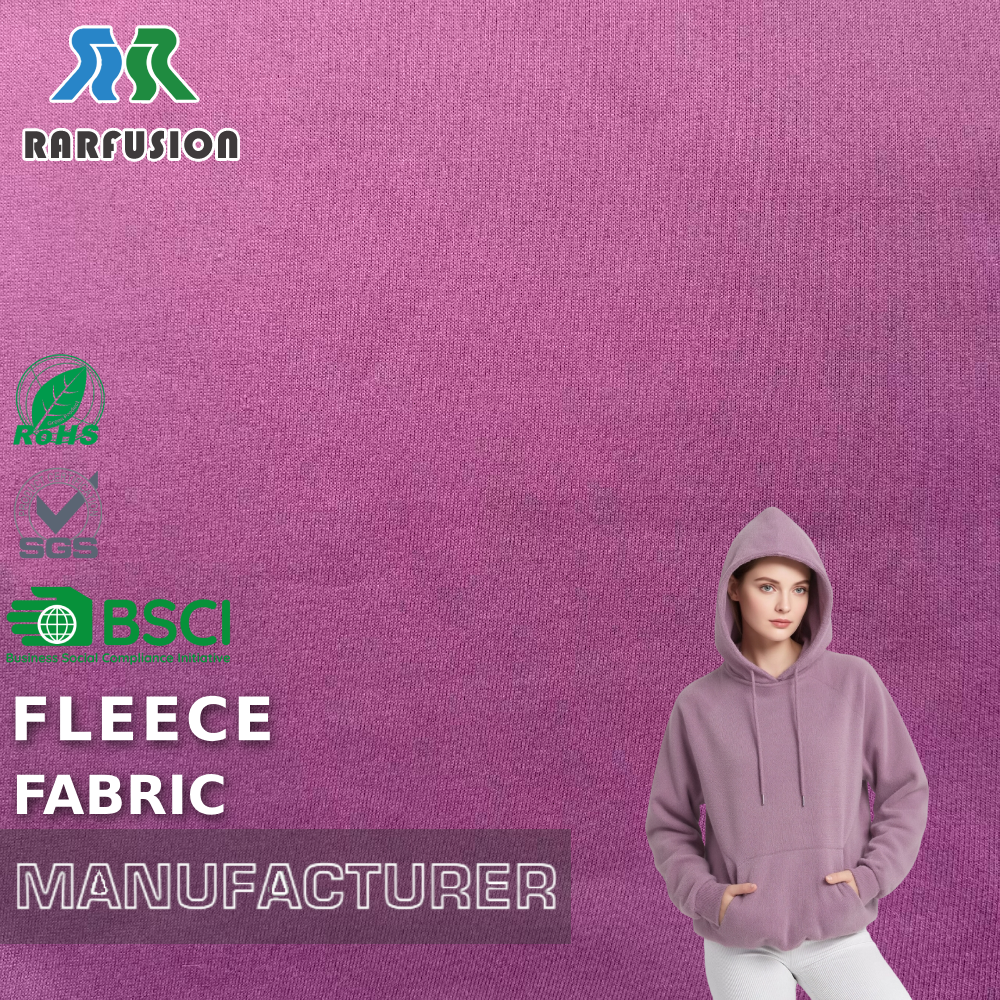
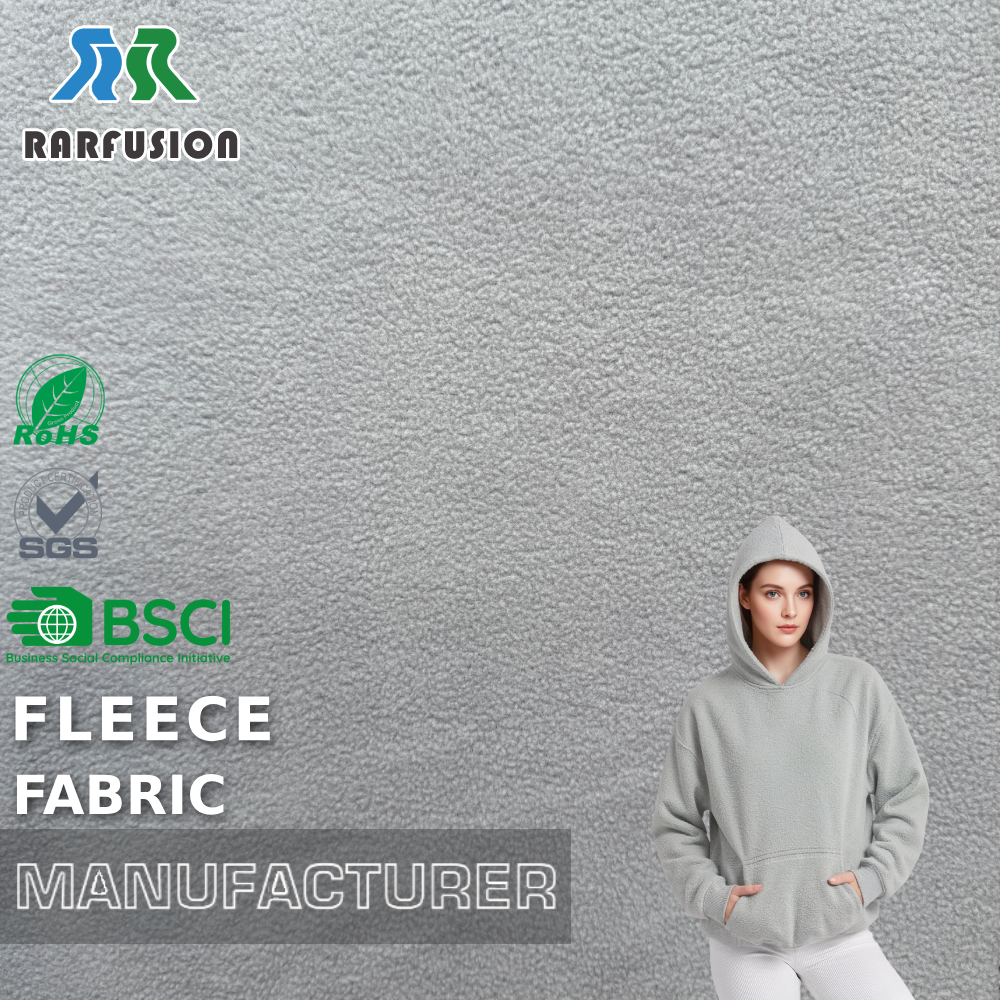
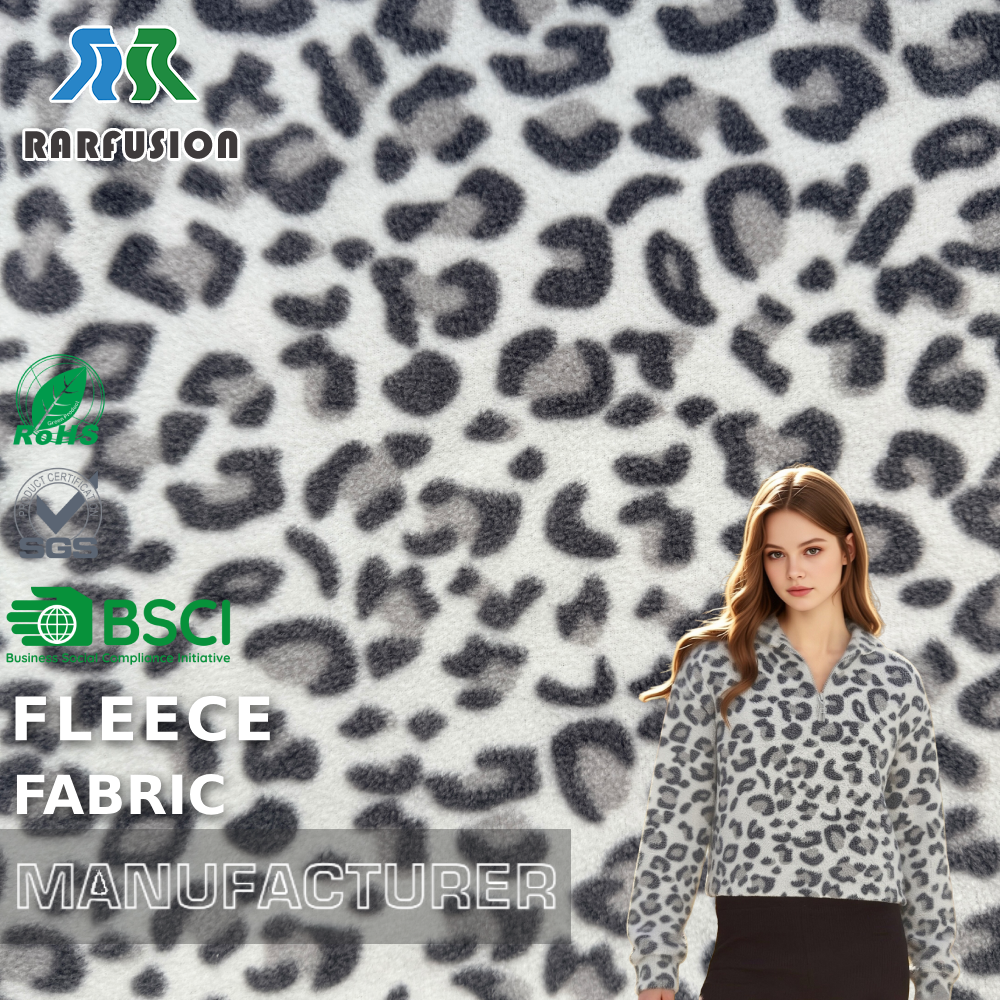
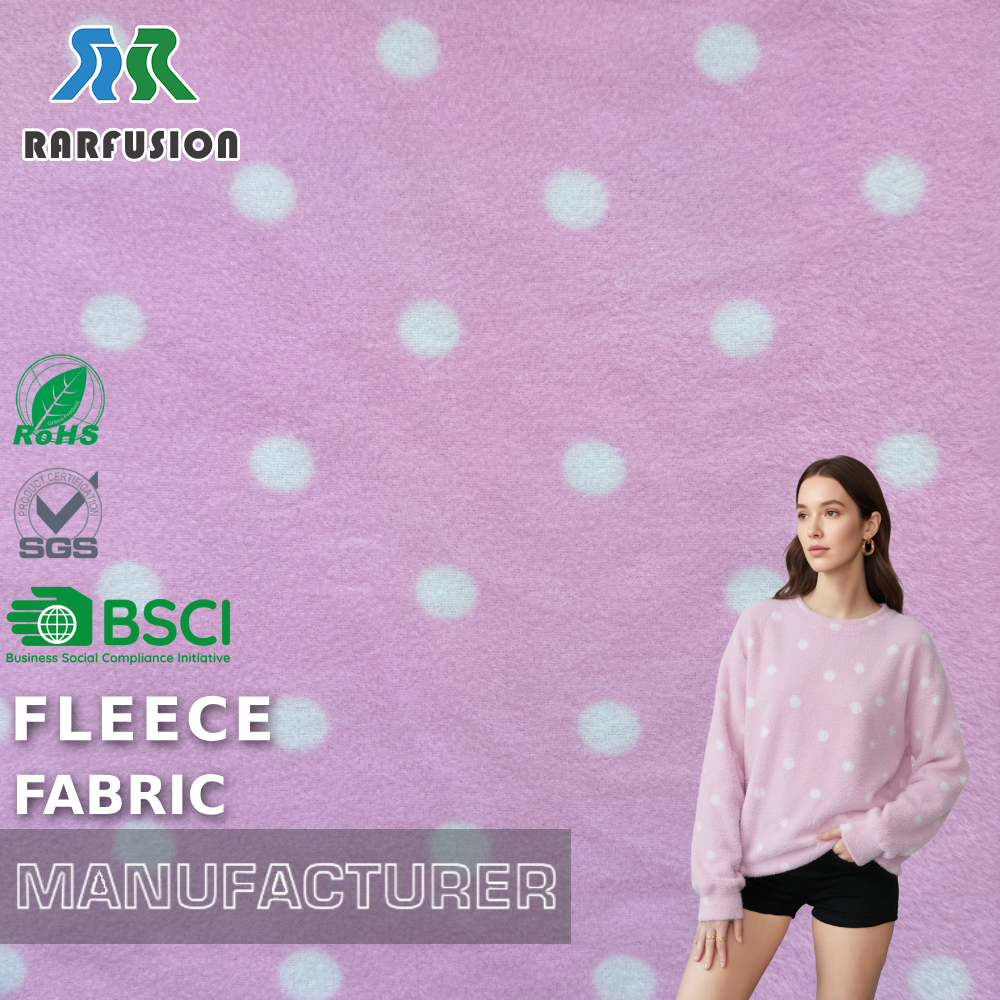
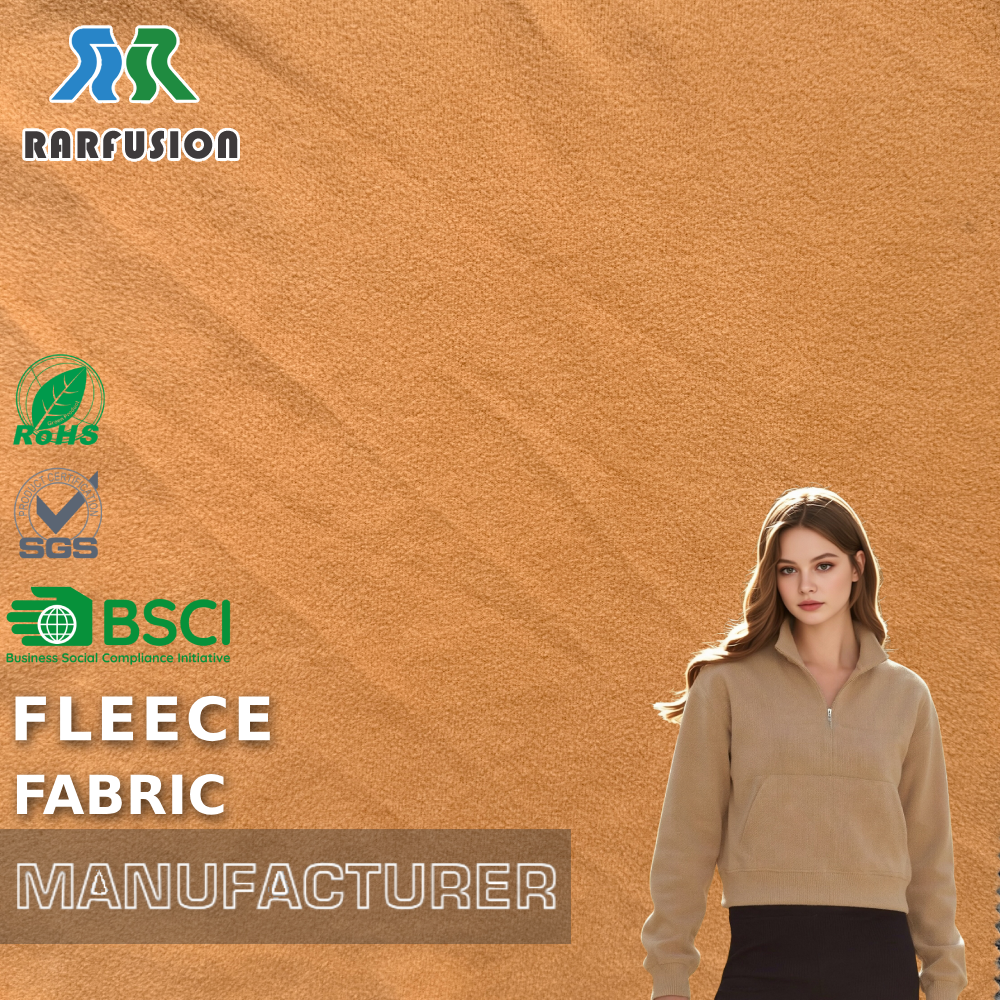
Specifications You Need to Know for Wholesale Fabric Purchases
Understanding the technical specifications of fleece fabrics is essential for making informed purchasing decisions. Here are key specifications to consider:
Thickness and Weight: The weight (measured in grams per square meter, or GSM) affects the fabric's warmth and durability. Thicker fabrics might be more suitable for outerwear, while lighter versions may work better for linings or lightweight clothing.
Breathability: This specification indicates how well air can circulate through the windproof fleece fabric, affecting comfort during wear. It's particularly important for activewear that requires moisture management.
Pilling Resistance: Fleece can be prone to pilling, which affects the fabric's aesthetic and performance. Understanding the pilling resistance of the fabric can help ensure longevity in high-usage applications.
Color Fastness: This refers to how well the wholesale fabric retains its color after washing and exposure to light. Fabrics with high color fastness are crucial for items that will be frequently laundered or exposed to sunlight.
Stretchability: Depending on the intended application, you may need to evaluate how much stretch the fabric has, which can affect fit and comfort in final products.