
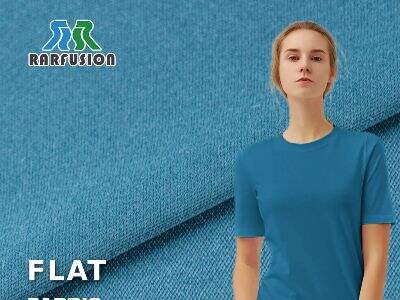
Sewing With Stretchy Knit Fabrics
Can be difficult unless you follow some simple rules. These fabrics stretch and have given so they don’t act like regular cottons or woven fabrics.” Your stitches could have a wavy appearance, or the fabric may develop holes or stretch out of shape if you tug too forcefully on your thread, use the wrong type of needle and thread, or both. Yet, once you get the hang of it, sewing with knits can be fun and yield clothes that fit like a cozy second skin. The right instrument and methods really matter. Here at Rarfusion, we’ve witnessed beginners begin floundering but with practice and some advice they soon progress to loving the stretches. It’s patience, the right supplies and knowing what that fabric wants.
Where Can I Buy Good Quality Stretchy Knit Fabrics for Wholesale?
Good stretchy knit fabrics aren’t easy to find in bulk. When you purchase in bulk, you don’t want fabrics that look good on the rack but feel rough and pill after washing. At Rarfusion, we concentrate on providing the kind of jersey knit fabric to satisfy this demand. And we know that if the fabric is poorly made, sewing hell follows: The stitches slip and pull apart, colors fade faster than you can say wash, or the fabric loses its stretch. Our fabrics are from reliable sources, but to add an additional level of security we have the tested them ourselves. To wholesale customers, this means you always get the same quality. In some instances, when purchasing from new vendors, fabric may seem good at first but end up being too thin or not strong enough. We advise asking for samples before ordering large amounts so you can feel and sew a small piece. Also look at the stretch percentage of the fabric some knits have a little bit of give and others are very stretchy.
How To Avoid Typical Problems When Sewing Knits
Sewing knits isn’t just slapping fabric under the needle. Some workarounds should keep most of them at bay. One common problem is the fabric tend to stretch too much in sewing. This produces wavy seams or even snapped threads. To prevent that from happening, do not tug at the fabric. You should let the machine itself feed your fabric. You can try using a walking foot or stretch needle, as well. These aids to feed the fabric without stretching. A separate issue is stitches popping out later. It is the right stitch type that’s important. Tight, unforgiving fabrics require tight seams; loose knits need stretchy stitches or zigzagging that will accommodate the fabric’s give. Straight stitches are not flexible and will snap. Because of this, at Rarfusion we are always advising sewers to practice their stitches on a sample first. That way, you can tell if it feels correct and looks nice.
How to Get Professional Results Sewing with Stretchy Knit Fabrics in Bulk
Sewing with knits can be a challenge, especially when you have to cut out several at once. But with the right tools and attention to detail, it’s possible to achieve professional results every time. At Rarfusion, we understand how stretchy knits are everyone’s favorite material to work with, but no worries we’ve got some quick tips that will help make sewing easier and speedier for you! First, always select the proper fabric for your project. There are all types of stretchy knit fabrics for example, cotton jersey or spandex blends. Knowing what type, you have will allow you to choose the best needle and thread. When sewing in bulk, it’s best to use machines that do well with stretchy fabrics. While sewing with a stretch or ballpoint needle keeps fabric from getting holes or runs. I also recommend using polyester thread, because it has enough stretch in it to work with the knit.
Best Stitches for Working with Stretchy Knits
Selecting the appropriate stitch is very important when you are sewing on stretch knit fabrics. Stitches should stretch with the fabric, or your seams could pop when the fabric moves. At Rarfusion, we suggest a few types that are best for stretchy knits. The zigzag stitch is one of the best stitches for this purpose. This is a horizontal stitch that works back and forth, but can stretch with the fabric. It helps to stiffen the seams, but also to keep them flexible. The width and the length of the zig zag stitch can be changed to adapt them to your stretch knit fabric thickness. Another good stitch is the stretch stitch, or lightning bolt stitch. This stitch is made exclusively for stretch materials. It resembles a zigzag, but is constructed to better support fabric that stretches a lot. A lot of sewing machines even have a stretch stitch setting that makes it super easy.
What are some great tricks for working with super stretchy knits on industrial scale?
Special care is needed to do large-scale production on stretchy knit fabrics. We at Rarfusion understand that working efficiently can be matched with damage-free, unstretched fleece lined knit fabric. One useful tip is to organize your workspace. Ensure clean and flat cutting tables to ensure that your knit fabric lays perfectly flat without stretching or wrinkling. Fabric weight can ensure the fabric stays in place while cutting many pieces together. Additionally, you will need to use the right equipment. With a special stretch stitch or stretch stitch function, most industrial sewing machines blaze through knit fabric for strong, stretchy seams. Ensuring your machines have roller feet or walking feet can prevent the fabric from slipping or stretching too much. Needles should be sharp during big production runs. Dull needles will run and holes in knit fabric.
Table of Contents
- Sewing With Stretchy Knit Fabrics
- Where Can I Buy Good Quality Stretchy Knit Fabrics for Wholesale?
- How To Avoid Typical Problems When Sewing Knits
- How to Get Professional Results Sewing with Stretchy Knit Fabrics in Bulk
- Best Stitches for Working with Stretchy Knits
- What are some great tricks for working with super stretchy knits on industrial scale?