Choosing Textile Printing Techniques for B2B Buyers

Get a Free Quote

Our representative will contact you soon.
Email
Name
Company Name
Message
0/1000

Textile printing

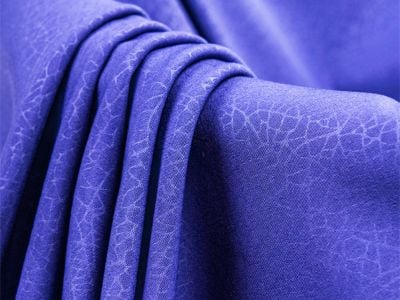
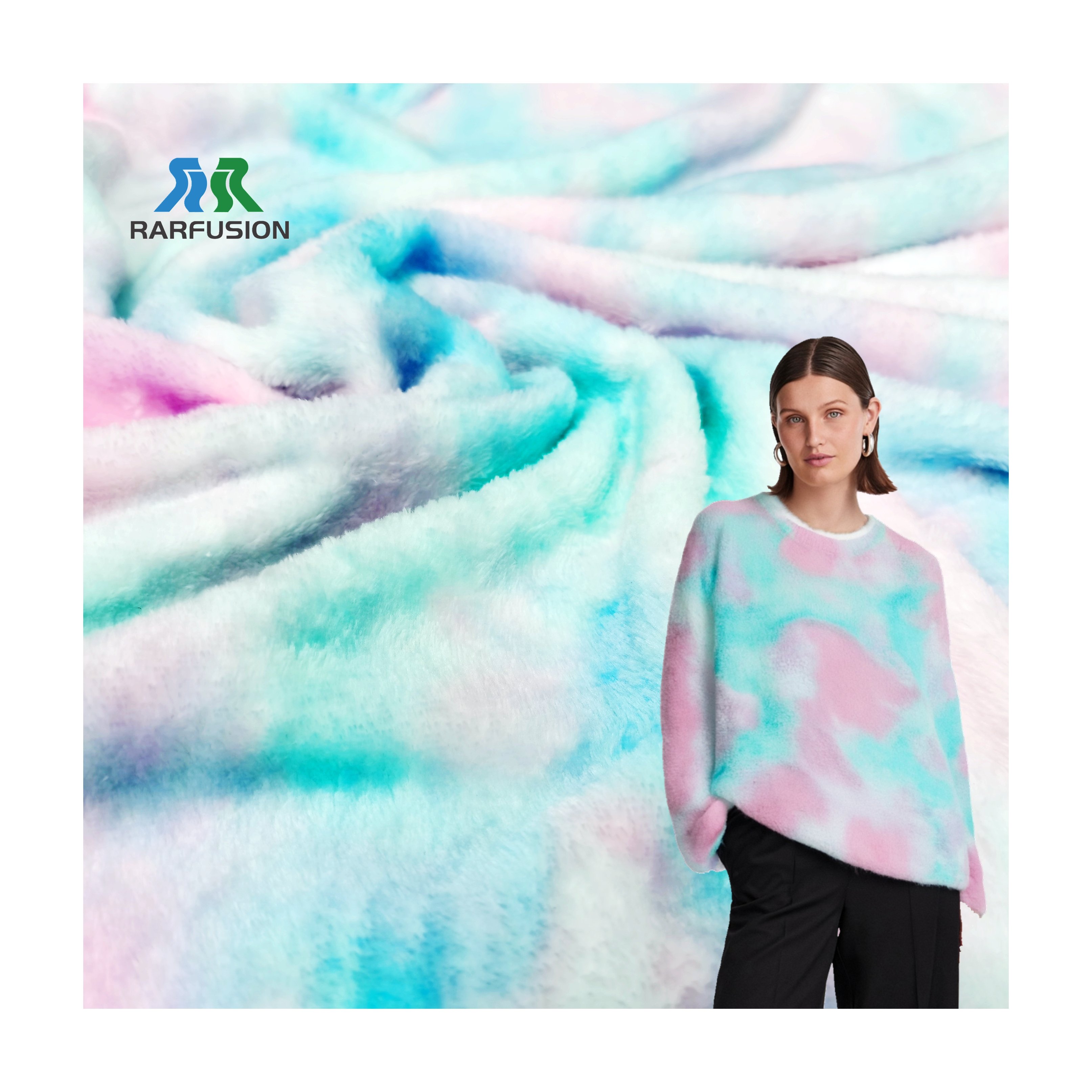
Textile printing is an essential process in the manufacturing of decorative fabrics, enabling a wide range of designs and patterns to be applied to textiles. For businesses involved in apparel, upholstery, and other fabric applications, understanding the nuances of jersey textile printing applications is critical. This article addresses key concerns for B2B buyers, such as selecting the appropriate printing techniques, understanding specifications for bulk orders, and evaluating cost factors. By the end, readers will be better equipped to make informed purchasing decisions regarding flannel textile printing. 

Understanding Textile Printing Specifications for Bulk Orders

When sourcing textile printing applications for bulk orders, several specifications must be considered to ensure the final product meets quality standards. Key specifications include fabric type, print resolution, color accuracy, and durability. 

Fabric Type: Different fabrics respond uniquely to printing techniques. For instance, synthetic fabrics typically yield more vibrant prints than natural fibers. 

Print Resolution: Higher resolution prints will capture intricate details, which is particularly important for complex designs. Buyers should verify that the printing service can meet the desired resolution. 

Color Accuracy: To maintain brand consistency, it is critical to confirm the color matching process. Many manufacturers use color matching systems, such as Pantone, to ensure colors align with client expectations. 

Durability: Understanding the intended use of the printed fabric will dictate the durability required. Fabrics for outdoor use may need UV resistance, while those for apparel might require wash and wear durability. 

Before placing an order, buyers should request samples to check these specifications and confirm that the printing meets their expectations. 
Cost Factors to Consider When Sourcing Textile Printing Fabrics

Several factors influence the cost of sourcing textile printing specifications fabrics, and understanding them can help buyers negotiate better terms. Key cost determinants include material selection, printing method, order volume, and lead time. 

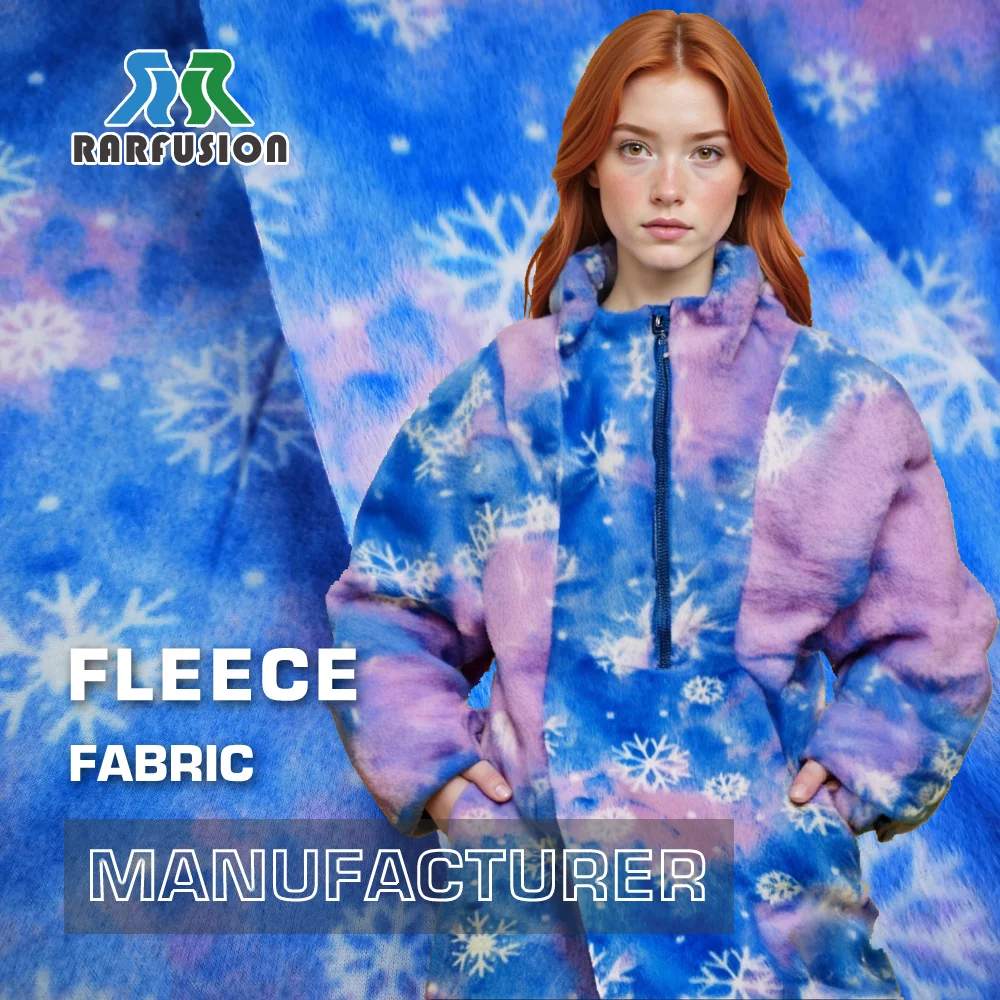
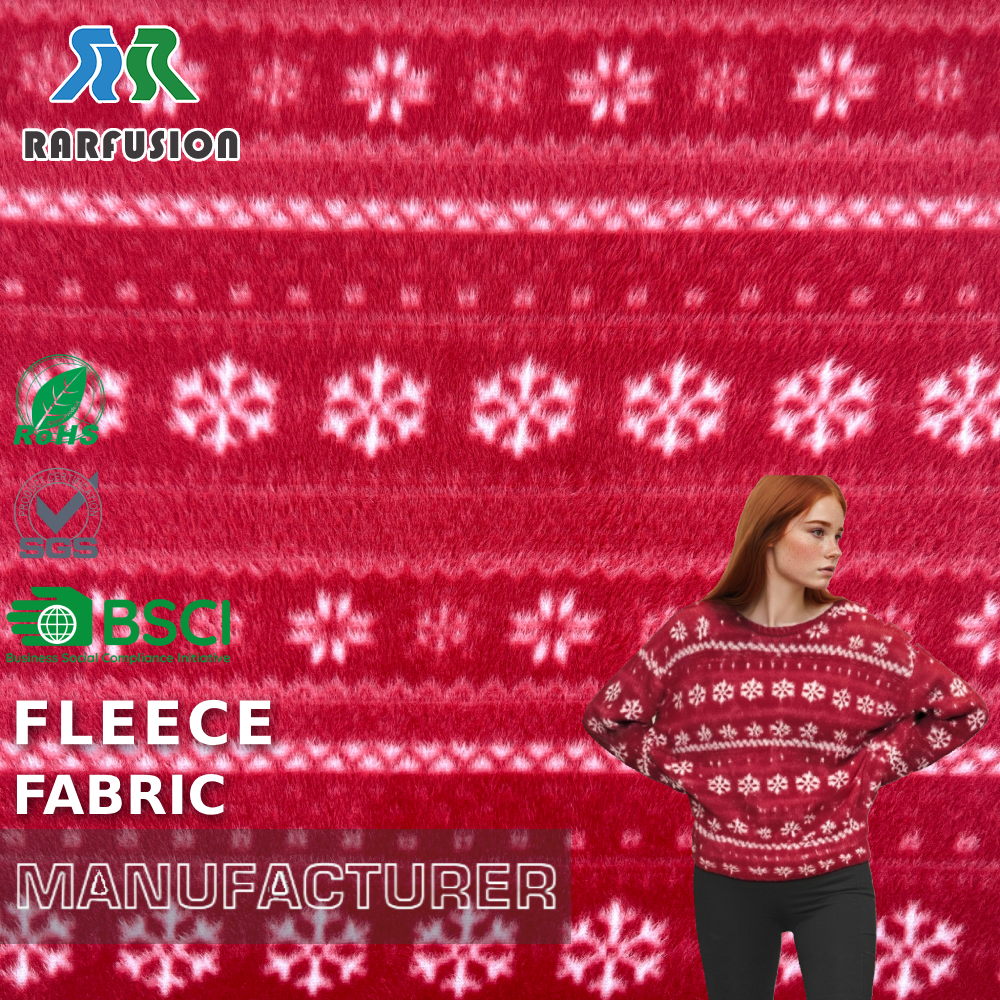
Material Selection: Different fabrics come with varying price points. For example, high-quality fleece fabrics may cost more upfront but can provide better durability and comfort, which can lead to higher customer satisfaction. 

Printing Method: As mentioned earlier, each printing method has associated costs. Digital printing tends to have a higher cost per unit for large runs compared to screen printing due to the technology involved. 

Order Volume: Bulk orders often come with discounts, allowing buyers to take advantage of economies of scale. However, minimum order quantities (MOQs) should be confirmed with suppliers to avoid unexpected costs. 

Lead Time: Rush orders typically incur higher costs. Planning orders well in advance can help mitigate these expenses. 

By understanding these factors, buyers can make more informed decisions and potentially lower their overall costs. 

Installation Guidance for Textile Printing Applications

Proper installation of printed textiles is essential for ensuring their longevity and performance. Depending on the application, installation can vary significantly. Here are some general guidelines:

Surface Preparation: Ensure the surface where the printed fabric will be applied is clean, dry, and free from contaminants. This is particularly important for wall coverings or upholstery applications. 

Application Technique: Follow specific application techniques recommended for the fabric type and printing method. For instance, heat transfer prints require a heat press set to the correct temperature and pressure for optimal adhesion. 

Testing: Before full installation, conduct a test application on a small area. This will help identify any potential issues with adhesion or appearance before committing to the entire project. 

Care Instructions: Provide care instructions to end-users to maintain the fabric's appearance and performance. This may include washing guidelines or recommendations for avoiding exposure to certain environmental conditions. 

Following these guidelines can help avoid common installation pitfalls and enhance the overall success of the textile application. 

Expert Insights on Sourcing Textile Printing for Distributors and Importers

Distributors and importers play a crucial role in the sourcing textile printing specifications supply chain, and understanding how to source effectively is vital. Here are some expert insights:

Supplier Evaluation: Assess potential suppliers based on their manufacturing capabilities, quality control processes, and past client testimonials. This ensures reliability in product quality and delivery. 

Customization Capabilities: Many buyers seek unique designs and custom fabrics. Confirm that the supplier can accommodate specific design requirements and provide mock-ups or samples before bulk orders. 

Lead Times and Logistics: Understanding lead times is essential for planning inventory. Discuss logistics options upfront to ensure timely delivery, especially when dealing with international shipments. 

Regulatory Compliance: Be aware of any regulatory requirements for textiles in your target markets. This may include safety standards, labeling requirements, or environmental considerations. 

By taking these factors into account, distributors and importers can streamline their sourcing process and build stronger relationships with their suppliers. 

Understanding textile fabric printing is vital for businesses looking to enhance their fabric applications. By considering the techniques, specifications, costs, installation, and sourcing strategies discussed, B2B buyers can make informed decisions that align with their project requirements and business goals. 

Choosing the Right Textile Printing Techniques for Your Projects

Selecting the appropriate sourcing textile printing technique is crucial for achieving the desired quality and appearance of the final product. Common methods include screen printing, digital printing, and heat transfer printing. Each technique has its advantages and limitations. 

Screen Printing is ideal for large runs and produces vibrant colors, making it suitable for designs with fewer colors. However, it can be less cost-effective for small orders due to setup costs. 

Digital Printing, on the other hand, allows for intricate designs and is perfect for small batches or custom orders. It offers flexibility and quick turnaround times but may have limitations in color saturation compared to screen printing. 

Heat Transfer Printing is often used for applying designs to a variety of fabrics, especially for promotional items. While it's versatile, it may not be as durable as other methods. 

When choosing a technique, consider factors such as the fabric type, design complexity, order size, and budget constraints. Each project's specific needs will dictate the most suitable method. 

Why choose Rarfusion Textile printing

Own finished fabric warehouse

Automatization, automation, and informatization will help improve the Flannel material of warehouse management and make the management of warehouses transparent and cost-effective. Shipping pressures for customers and overseas storage could be relieved effectively by the free storage.

Rich production experience

Rarfusion (Shaoxing) International Trade Co., Ltd was founded in 2010, With more than ten years ' expertise in fleece fabric Flannel material and sales with the most advanced technology and equipment that is complete in production supplies, sales, and an annual production of 10 million kilograms. Our products have good sales both at home and overseas. We also have a great reputation in the industry.

Complete production chain

Rarfusion enables the soul of fleece fabric from yarn into the final fabric. Dreams of knitted brands. Innovations and breakthroughs in the field of Flannelette fabric, always set higher standards for ourselves and deliver our customers better quality, more stylish and more comfortable products in all aspects.

Good after-sales service

Our team of support specialists is dedicated to helping our customers even after the purchase We believe that Flannelette cloth after-sales support builds lasting relationships with our customers and improves their overall experience with our products We're always ready to answer your questions

Our Blog Posts

Flannel vs Cotton: Which Fabric Suits Your Needs Best?

21

Jun

Flannel vs Cotton: Which Fabric Suits Your Needs Best?

Flannel vs Cotton: Which Fabric Suits Your Needs Best? Introduction: Choosing the Right Fabric Struggling to decide between flannel and cotton for your next clothing or bedding purchase? You’re not alone. Both fabrics are popular, but their di...
View More
Why Fleece Fabric Is the Best Choice for Winter Blankets

17

Nov

Why Fleece Fabric Is the Best Choice for Winter Blankets

When winter arrives, a good blanket is crucial. When you’re trying to calm down and fall asleep, what you crave is something warm, soft and cozy to unfold yourself into. So it’s no surprise that fleece is also your fabric of choice for winter blanket...
View More
How to Care for Polar Fleece Fabric to Maintain Softness and Durability

19

Nov

How to Care for Polar Fleece Fabric to Maintain Softness and Durability

Polar fleece is a warm, cozy fabric that people love to use for clothing and blankets. At Rarfusion, we understand the importance of the fabric staying nice and lasting a long time. When not cared for properly, polar fleece can lose its softness — or...
View More
Lightweight vs Heavyweight Polar Fleece: Which One to Choose?

15

Jan

Lightweight vs Heavyweight Polar Fleece: Which One to Choose?

One of the favorite fabrics that keep an individual warm and cozy is polar fleece. But in selecting polar fleece, there are two main types: lightweight and heavyweight. Each has its pros and cons, uses and abuses. Deciding between them can be difficu...
View More

Get a Free Quote

Our representative will contact you soon.
Email
Name
Company Name
Message
0/1000

Get a Free Quote

Our representative will contact you soon.
Email
Name
Company Name
Message
0/1000
because focus so professional.

Copyright © Rarfusion (Shaoxing) International Trade Co., Ltd. All Rights Reserved  -  Privacy Policy