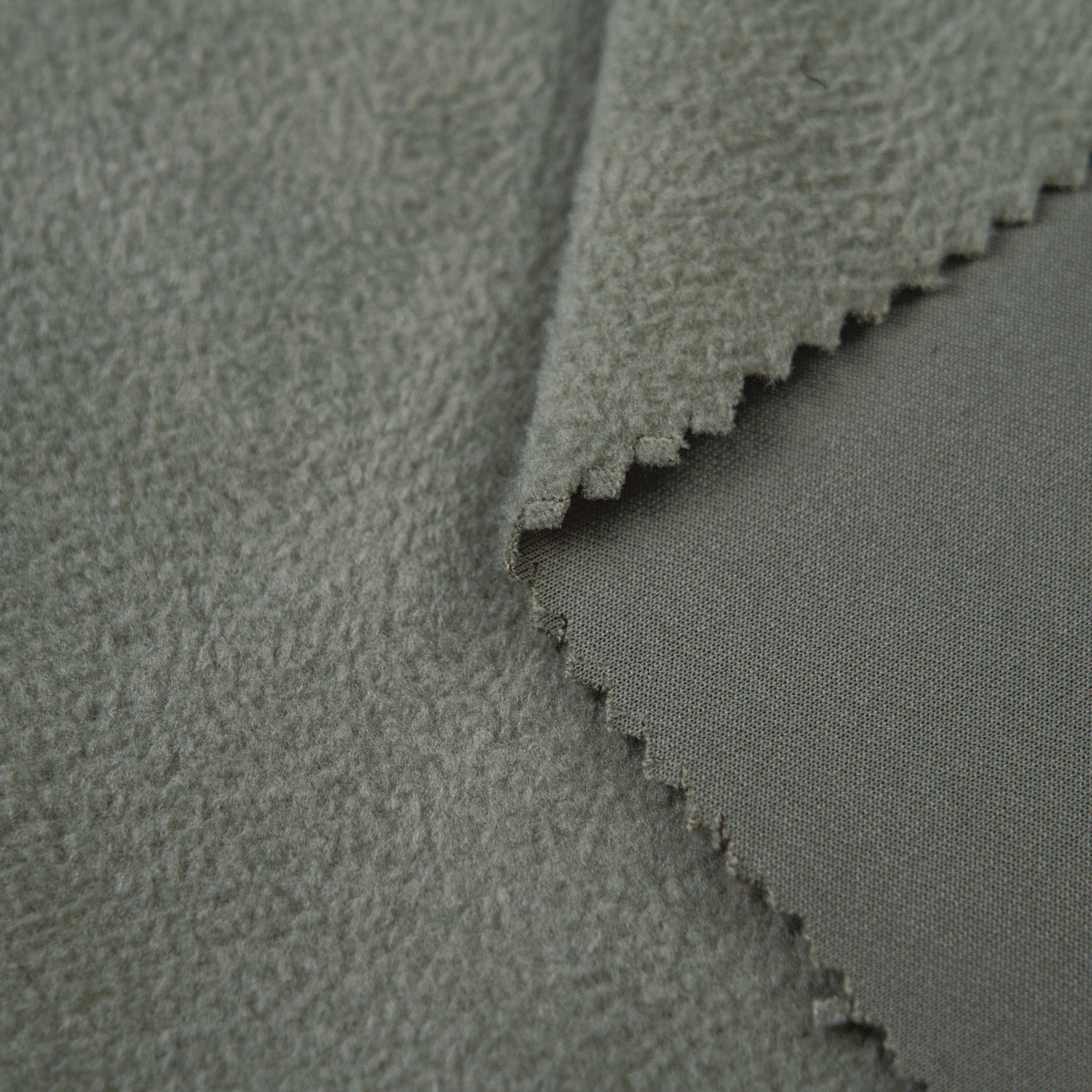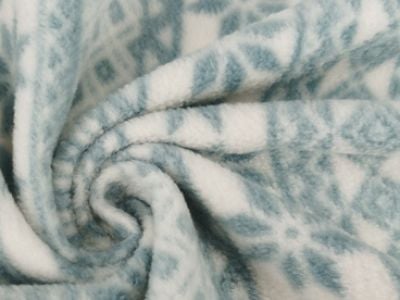
When it comes to sourcing high-quality textile fabric, especially fleece fabrics, understanding the specifications and quality factors is crucial for B2B buyers. The textile fabric market is vast, and decisions made at this stage can significantly impact product performance, costs, and customer satisfaction. This article will provide insights into important aspects of flannel textile, guiding purchasing managers, engineers, and product managers in making informed decisions.
How to Evaluate the Quality of Fleece Fabrics for Your Projects
Quality evaluation of fleece fabrics involves both visual inspection and physical testing. Start by examining the textile fabric for uniformity in color, texture, and finish. Any inconsistencies can indicate issues during manufacturing, leading to potential performance problems.
Physical attributes such as softness and thickness can be assessed by touch, but it’s crucial to also consider the fabric's resilience. Buyers should request samples to perform stretch and recovery tests, ensuring the fleece retains its shape after use. Additionally, checking for pilling resistance is vital; textile fabric that pill can detract from the appearance and comfort of the finished product.
Quality control processes at the manufacturing stage play a significant role in ensuring the textile fabric meets specified standards. Inquire about the company’s quality assurance measures, including testing protocols and certifications relevant to the jersey textile industry. A reliable supplier should be able to provide documentation proving compliance with industry standards.