Sweatshirt fleece is a versatile fabric widely used in the apparel industry, known for its softness, durability, and warmth. As a purchasing manager or product manager, understanding the nuances of sweatshirt fleece will be crucial in meeting your wholesale needs. This article will guide you through selecting the right sweatshirt fleece, key specifications, common challenges, applications across different industries, and installation guidance, ensuring you make informed decisions for your projects.
Key Specifications of High-Quality Sweatshirt Fleece Fabrics
High-quality sweatshirt fleece is defined by several key specifications that impact its performance and appeal.
Fabric Weight: As mentioned earlier, the GSM is crucial. A higher GSM generally indicates a thicker, warmer fleece, but it may also affect the fabric's breathability and flexibility.
Composition: The ratio of cotton to polyester affects the fleece's feel and functionality. A higher cotton content tends to be softer but may not withstand heavy wear as well as a polyester-rich fabric.
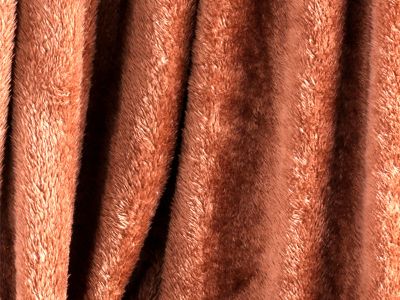
Surface Finish: The finish of the fabric can influence its look and feel. Options may include brushed fleece for extra softness or a smooth finish for a more polished appearance.
Colorfastness: This specification refers to the fabric's ability to retain its color after washing. High-quality fleece should pass standard tests for colorfastness to ensure longevity.
Pilling Resistance: Fabrics that resist pilling maintain their appearance over time, which is important for customer satisfaction.
Understanding these specifications will help you evaluate samples effectively and ensure that the fleece meets your quality standards.