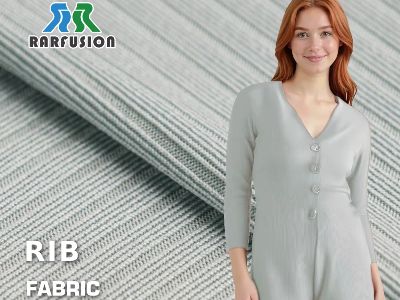
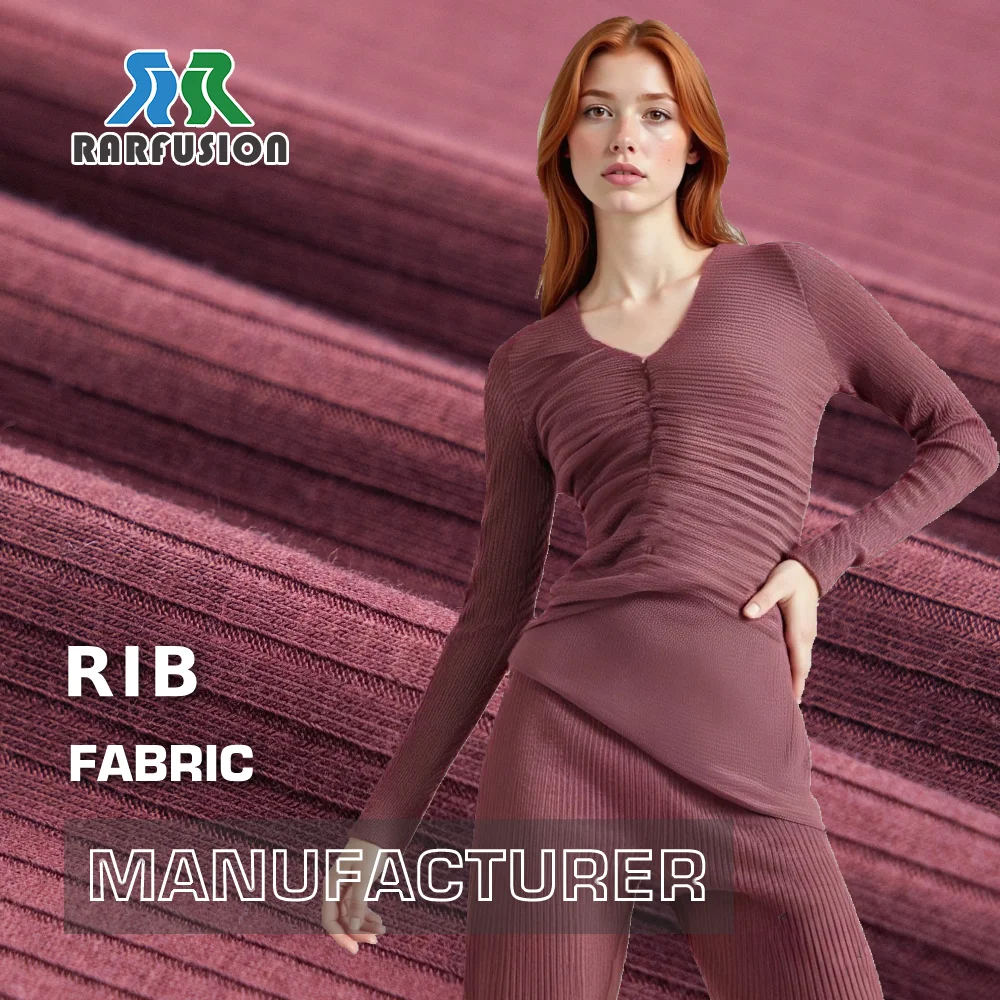
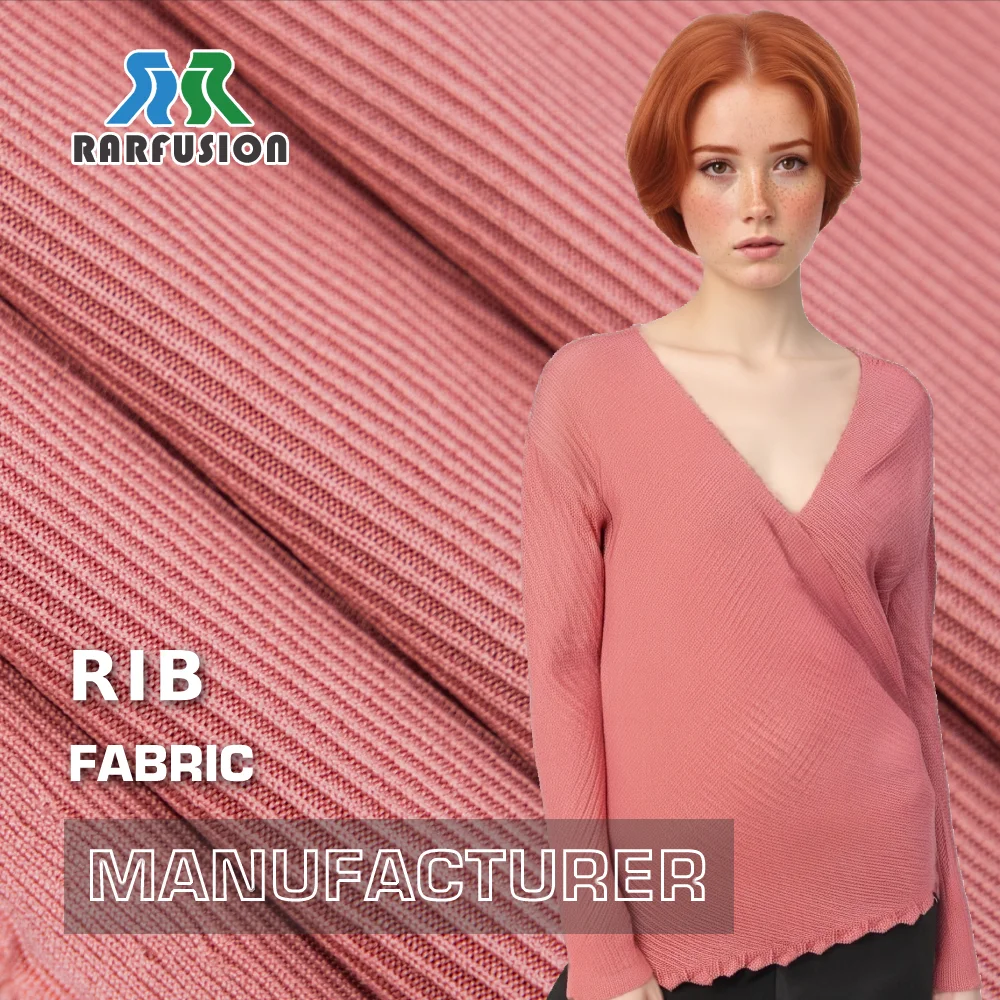
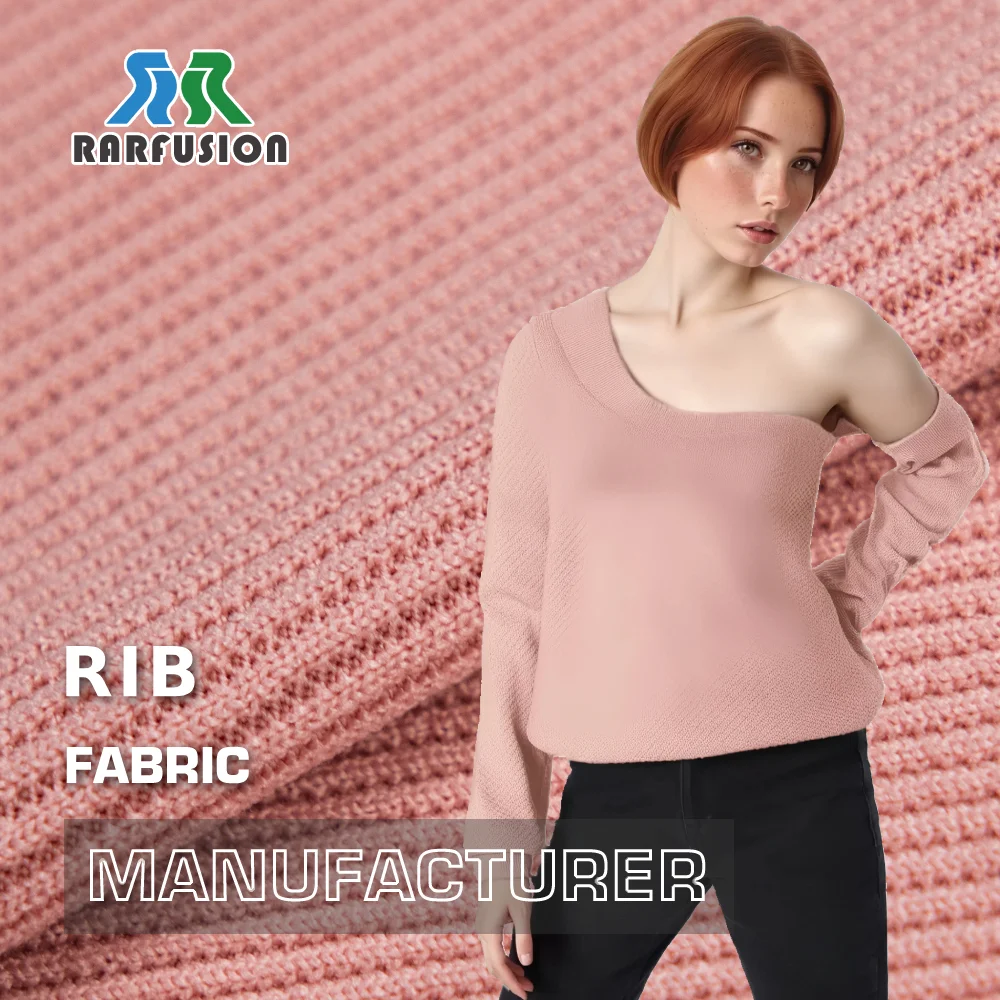
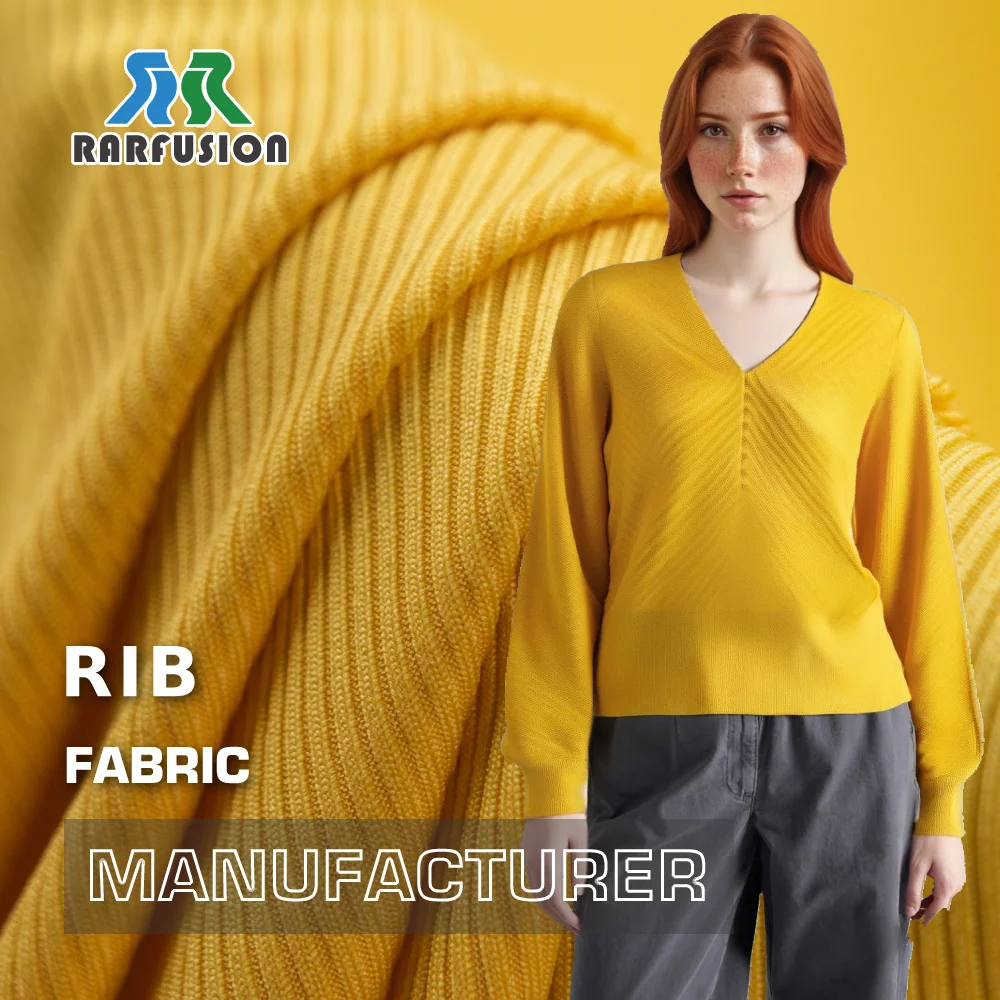
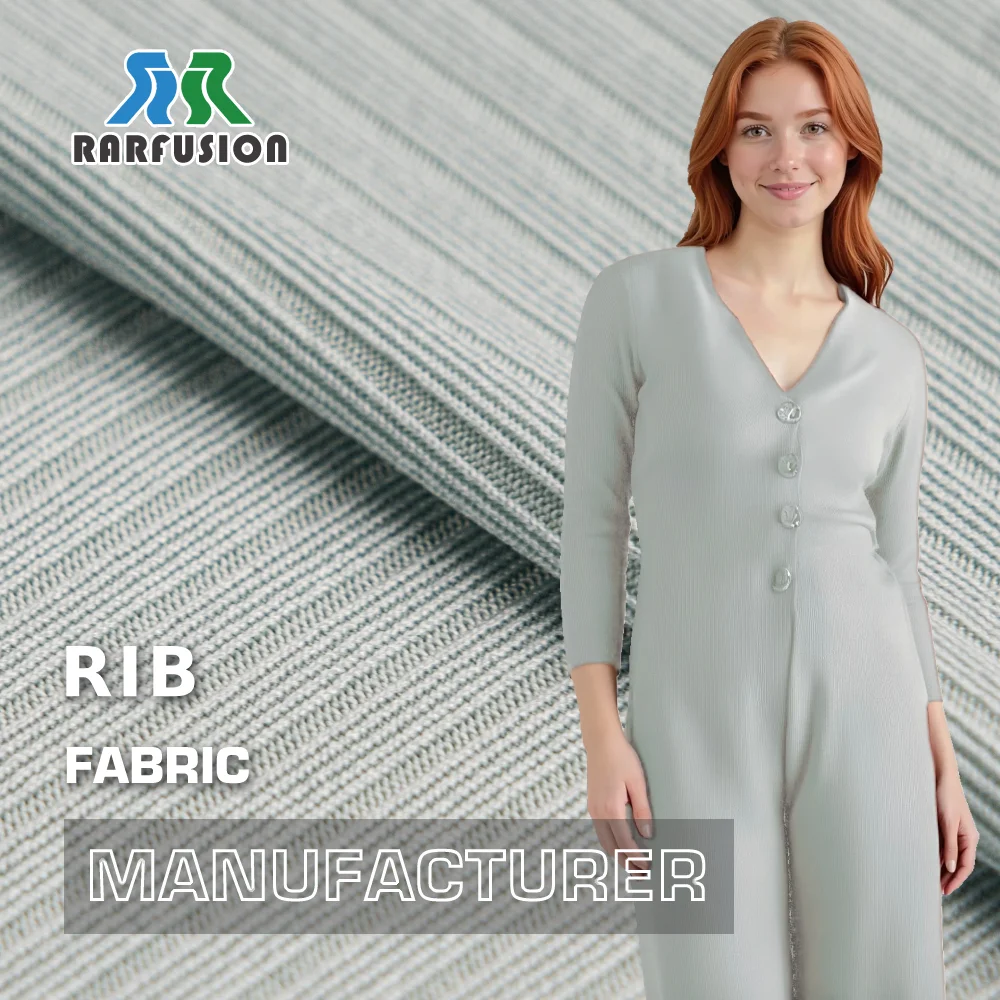
Ribbing fabric is a popular textile option characterized by its unique textured surface, often used in various applications ranging from apparel to home furnishings. For B2B buyers, the choice of ribbing fabric is crucial, as it directly impacts product quality, functionality, and overall aesthetic appeal. This article will guide purchasing managers, distributors, and product managers through the essential factors to consider when selecting ribbed fleece fabric, common applications across industries, troubleshooting installation issues, and insights into the manufacturing processes involved.
Key Factors for Buyers
When purchasing ribbing fabric, several key factors should be considered to ensure you select the best option for your needs:
Quality Control: Ensure the supplier has a robust quality control process in place. This includes inspecting raw materials, production processes, and final product testing to guarantee consistency and performance.
Customization Capabilities: If your project requires specific colors, patterns, or dimensions, confirm that the manufacturer can accommodate custom requests. This flexibility can be crucial for meeting unique design requirements.
Minimum Order Quantity (MOQ): Understand the supplier's MOQ, as this can impact your purchasing strategy, especially for smaller projects or prototypes.
Delivery Lead Times: Discuss lead times upfront to ensure that the ribbing fabric can be delivered in alignment with your project timeline. Factors like production capacity and shipping logistics can influence these times.
Packaging Methods: Inquire about the packaging methods used for shipping the rib fabric. Proper packaging is vital to prevent damage during transit and ensure that the fabric arrives in optimal condition.