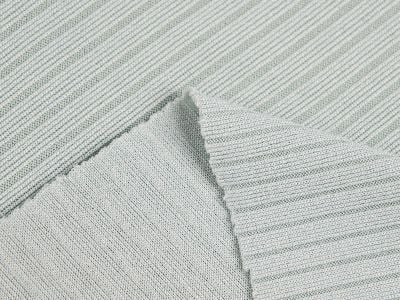
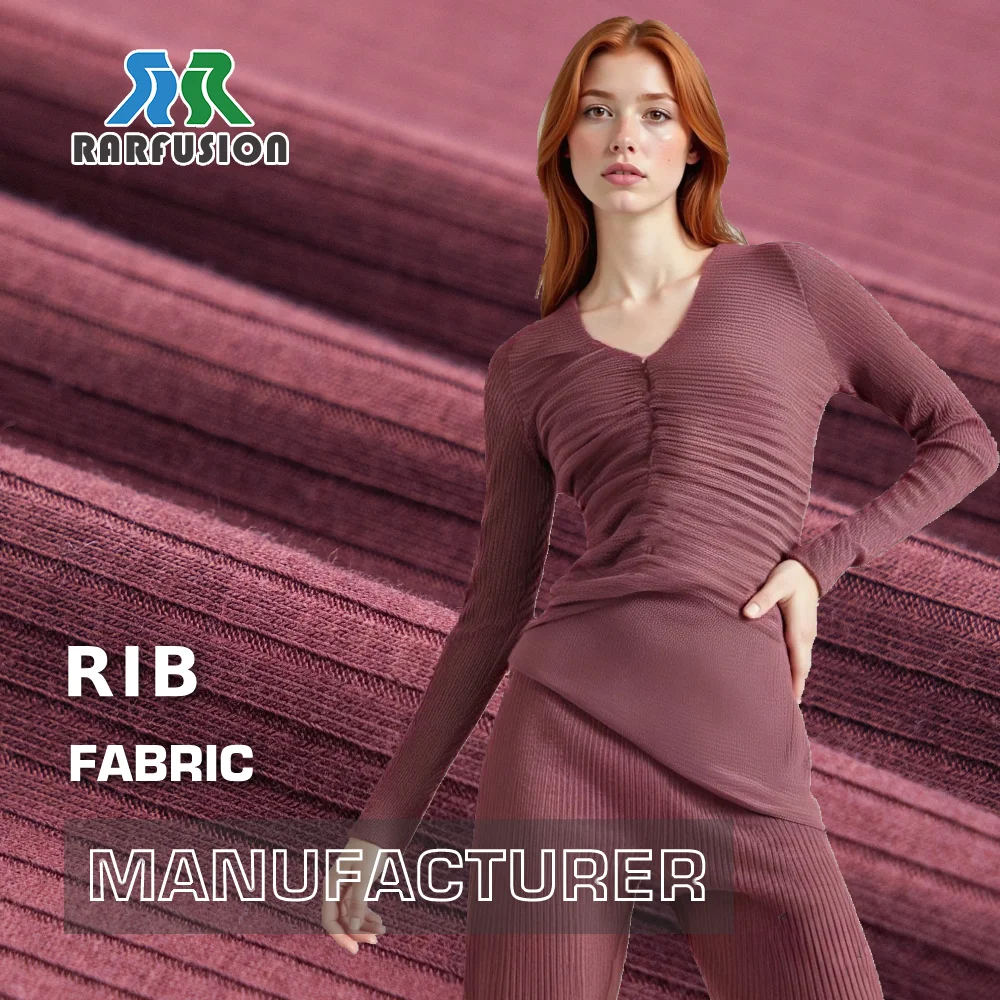
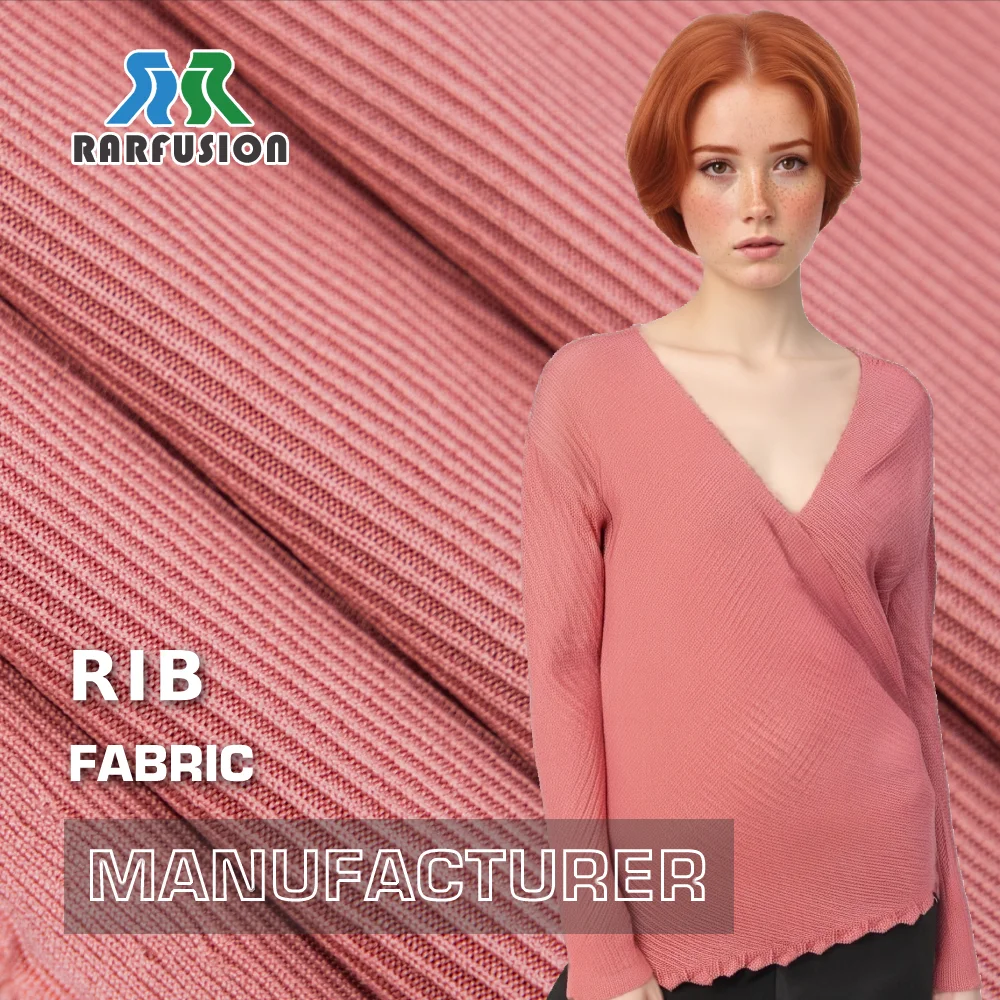
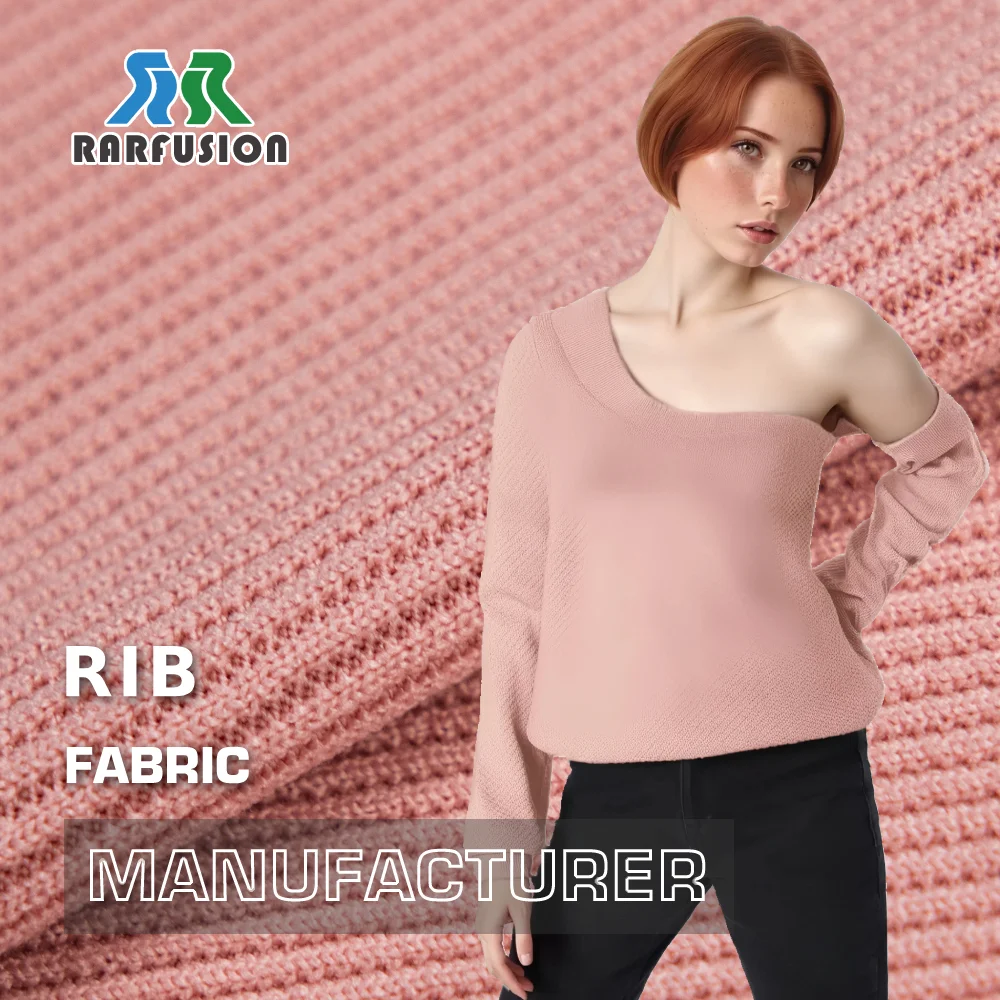
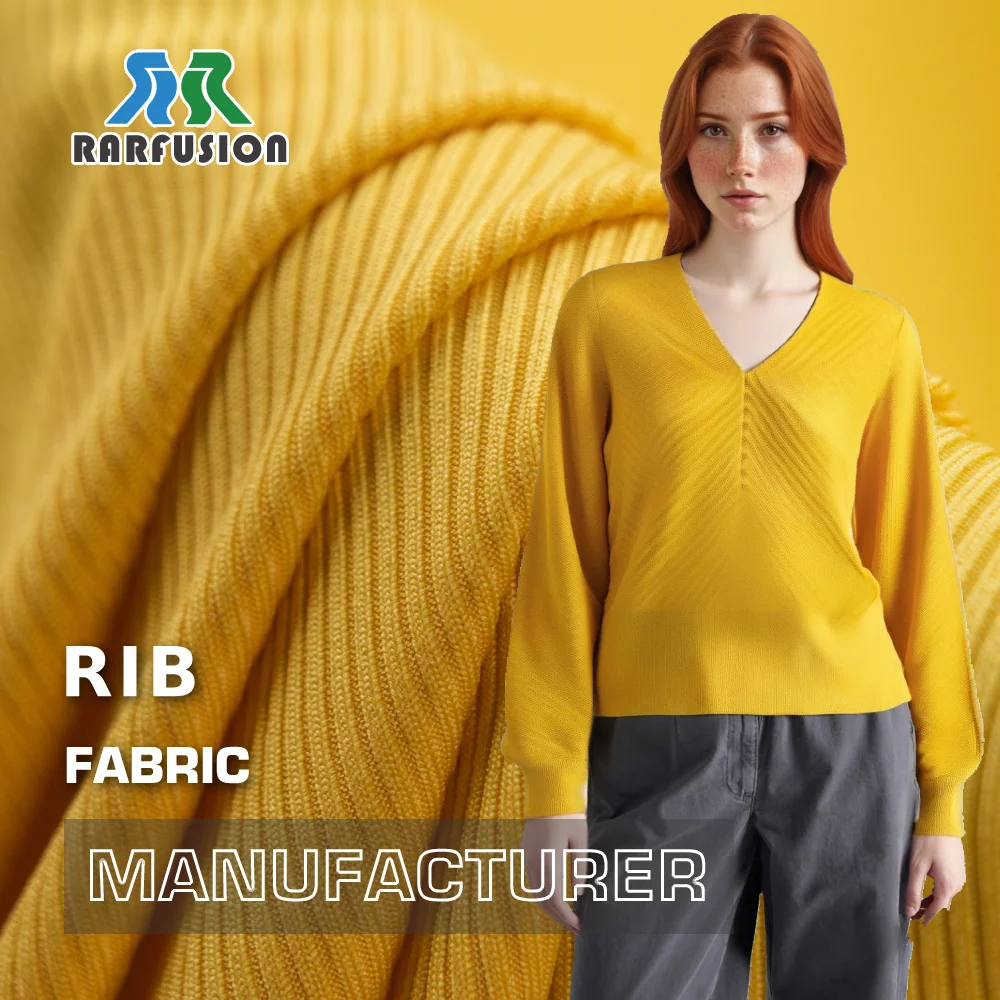
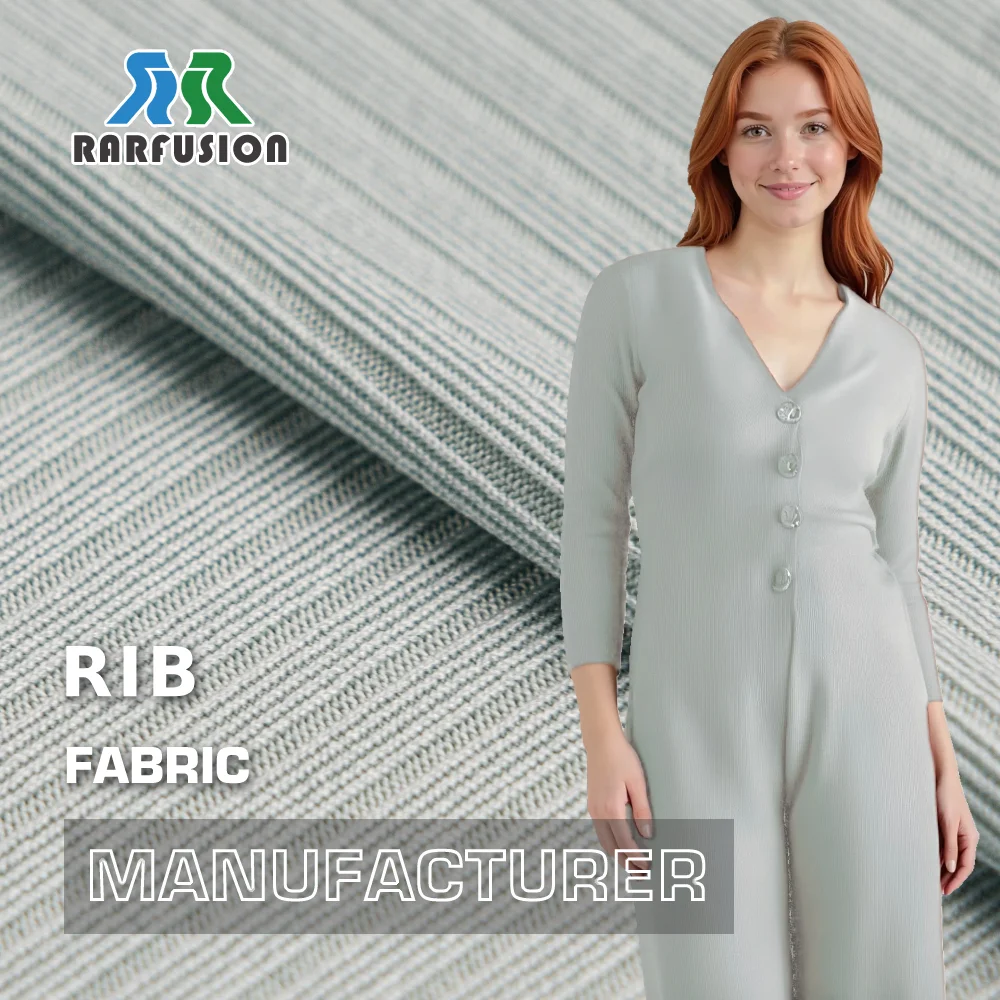
Rib fabric, a versatile textile known for its unique texture and stretchability, plays a crucial role in various manufacturing sectors. As a B2B buyer, understanding the characteristics, applications, and purchasing considerations for rib fabric is essential to ensure you meet your business needs effectively. This article will guide purchasing managers, engineers, and product managers through the key factors to consider when selecting rib fabric, including specifications, potential applications, and common challenges faced during installation.
What Buyers Should Look For
When evaluating rib fabric suppliers, focus on the following key aspects:
Quality Control Processes: Ensure the supplier has robust quality assurance measures in place. This includes testing for colorfastness, shrinkage, and tensile strength to ensure the fabric will perform as expected in its intended application.
Production Capacity and Lead Time: Understand the supplier's manufacturing capabilities, including their annual output and typical lead times for orders. This is essential for managing your supply chain effectively, particularly if you require large quantities or have tight deadlines.
Customization Capabilities: Inquire about the ability to customize the fabric in terms of weight, color, and pattern. Custom solutions can enhance your product offerings and help differentiate your brand in the market.
Certifications and Compliance: Check for any relevant industry certifications that the supplier may hold, as these can provide reassurance regarding the quality and safety of the materials used.
By focusing on these factors, you can make informed decisions when selecting a rib fabric supplier that meets your wholesale needs.