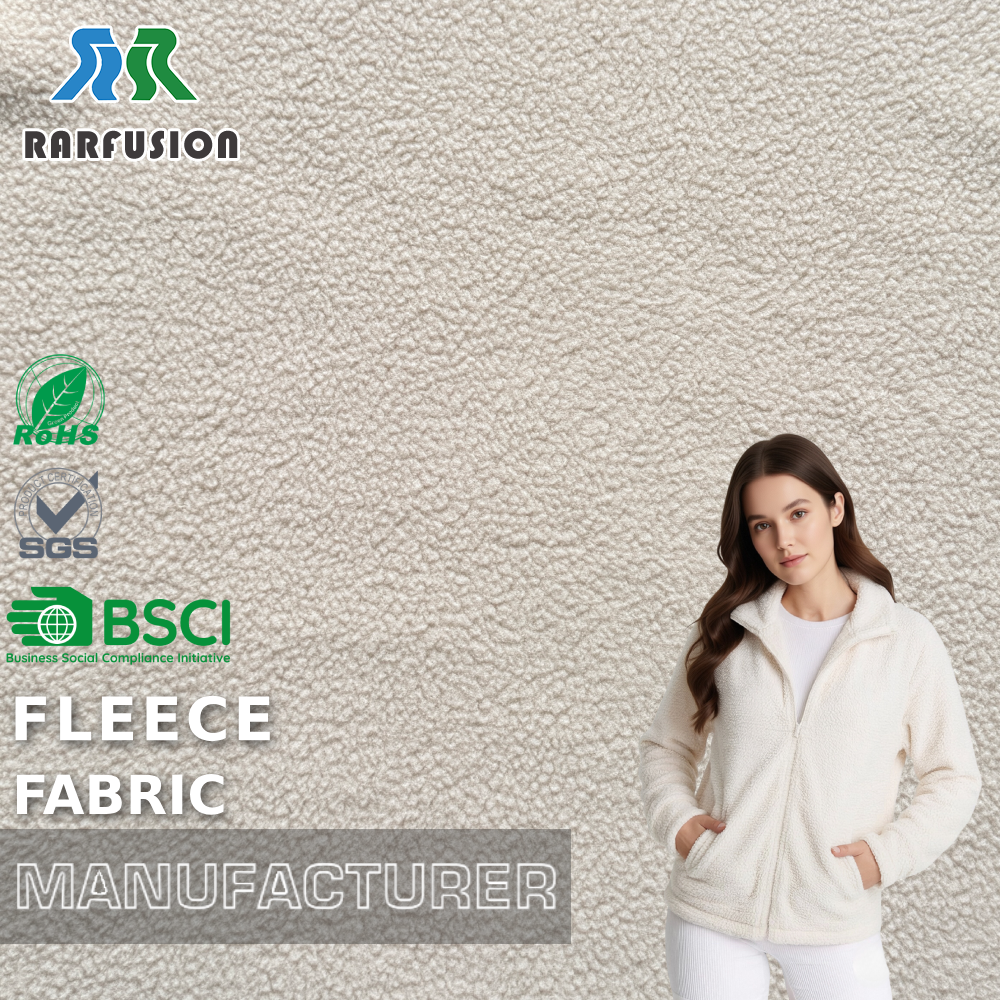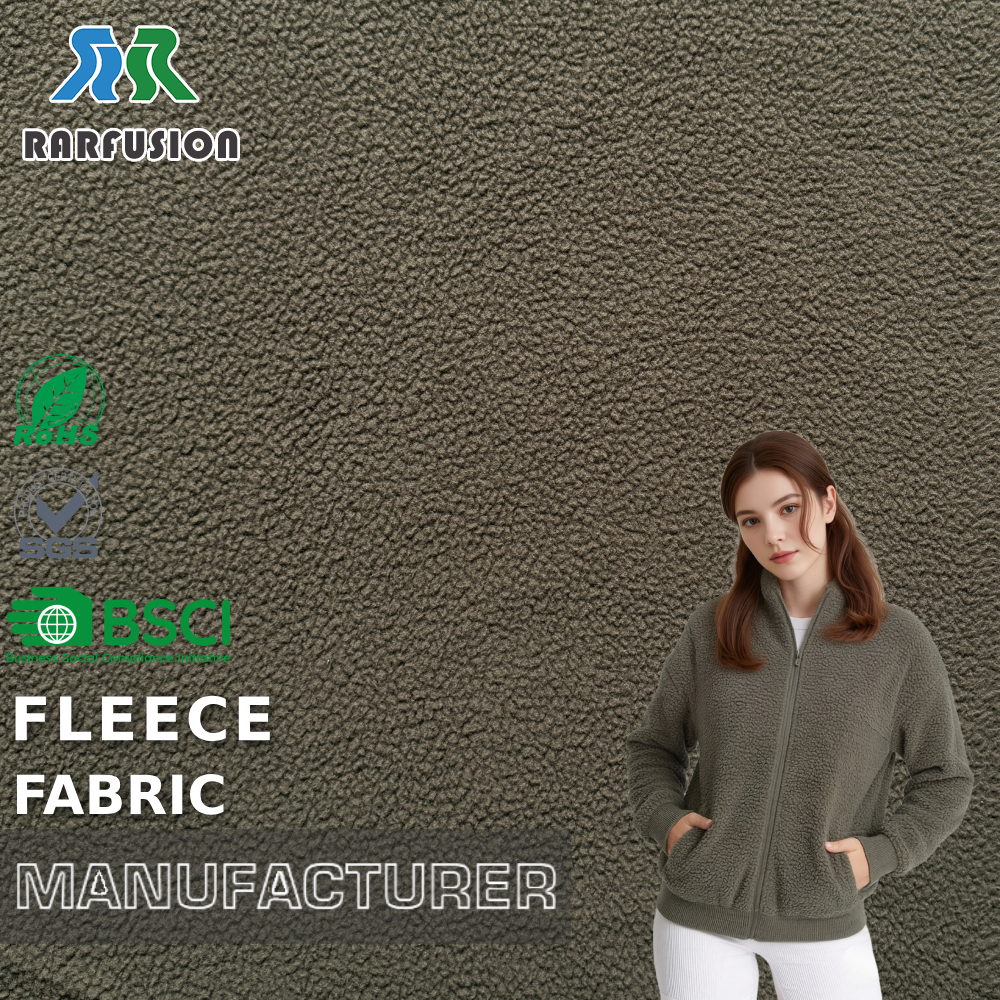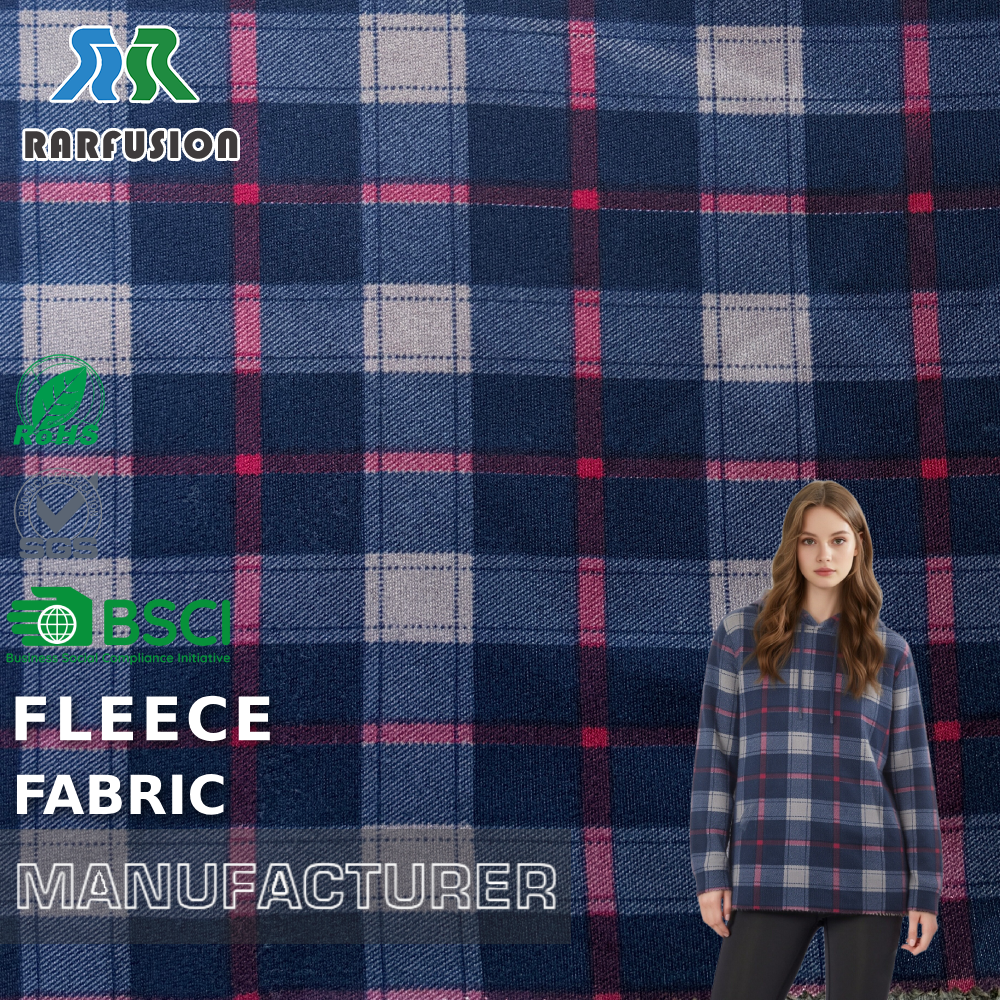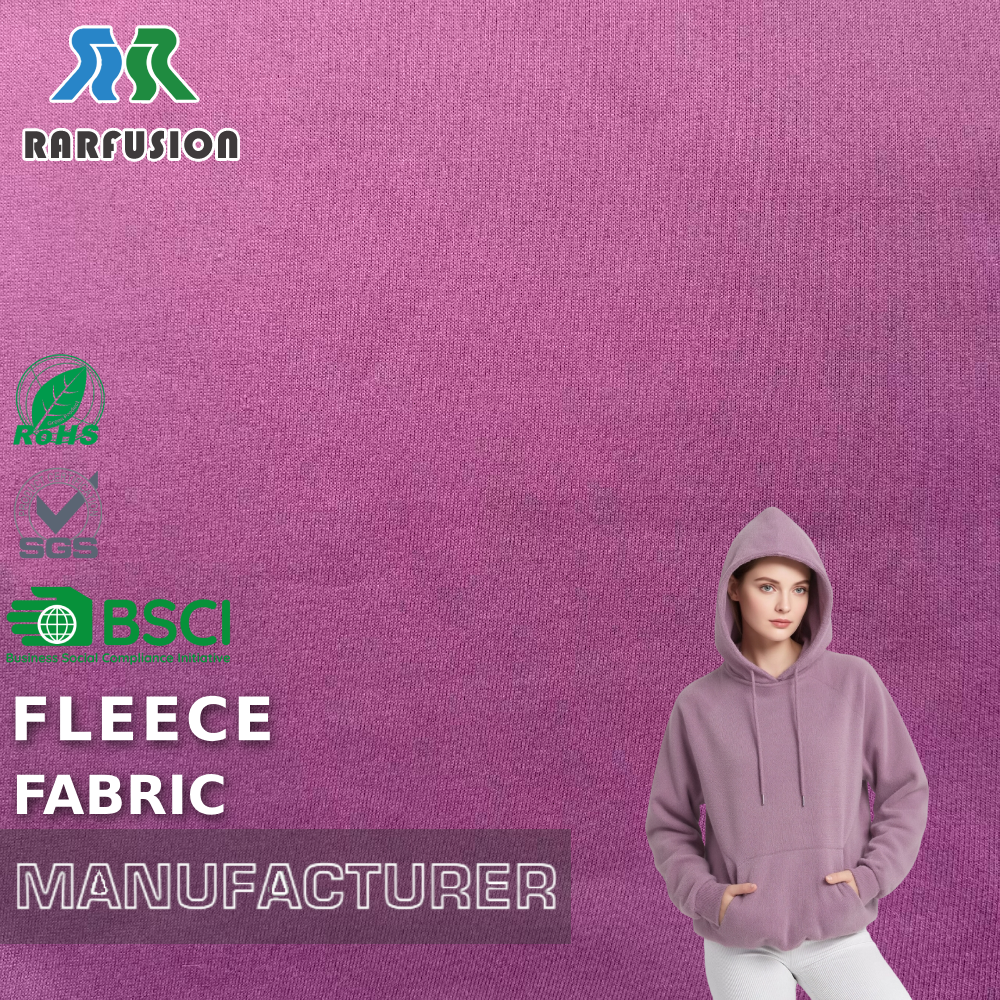
Sourcing Eco-Friendly Fabric for Your Projects

Get a Free Quote

Our representative will contact you soon.
Email
Name
Company Name
Message
0/1000

Eco friendly fabric

Eco-friendly fabrics has become a critical concern for businesses looking to reduce their environmental impact while maintaining quality and aesthetic appeal. As a B2B buyer, you may be focused on factors such as material sustainability, production processes, and overall fabric performance. This article will explore key considerations when sourcing eco-friendly fabrics, ensuring you make informed choices that align with your company’s values and operational needs. 
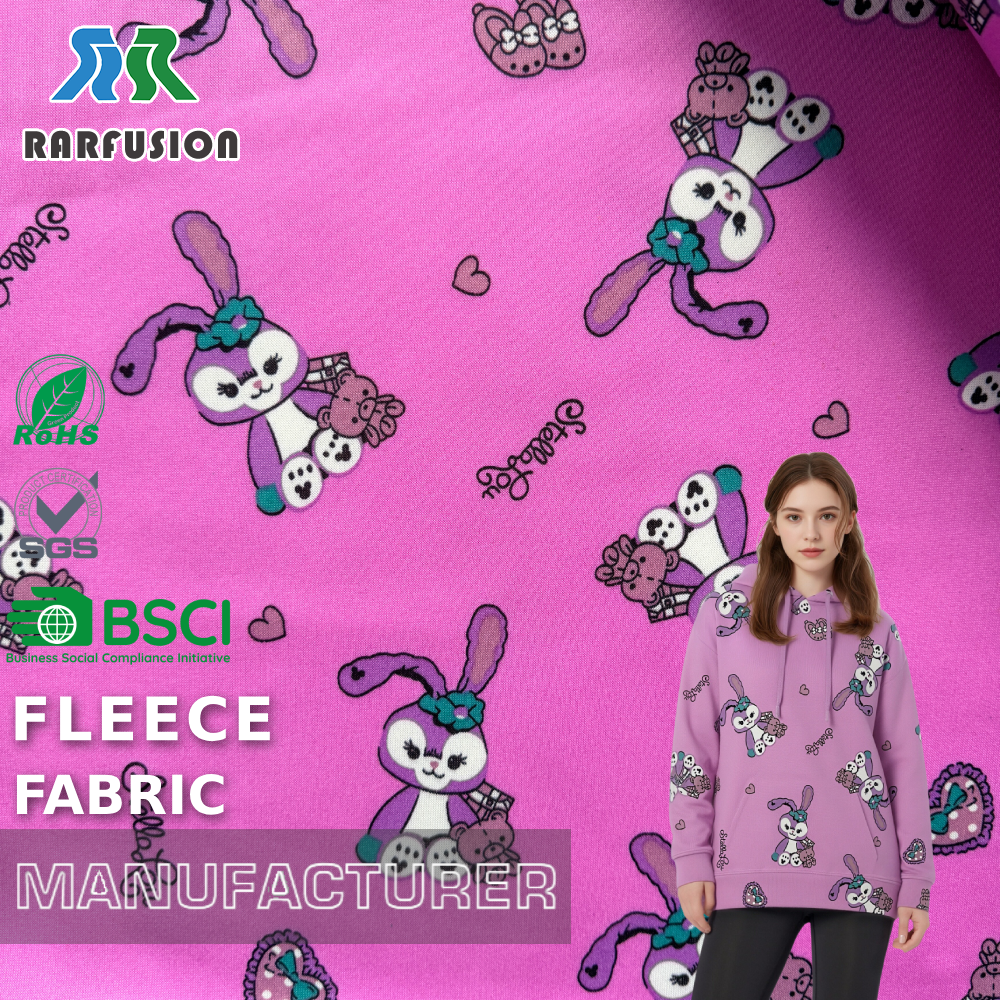
Our Products

Sourcing Eco-Friendly Fabric for Your Projects

Sourcing eco-friendly fabrics requires a strategic approach. Begin by identifying your specific project requirements, including fabric type, application, and desired performance characteristics. Establishing clear criteria will help narrow down potential suppliers. 

Leverage online platforms and industry networks to identify manufacturers specializing in eco-friendly fabrics. Attend trade shows or industry events where suppliers showcase their latest offerings. This direct interaction can provide insights into the supplier's expertise and commitment to sustainability. 

When engaging with suppliers, clearly communicate your needs, including minimum order quantities (MOQs), customization options, and lead times. This will facilitate more accurate quotations and ensure that the supplier can meet your production timeline. 
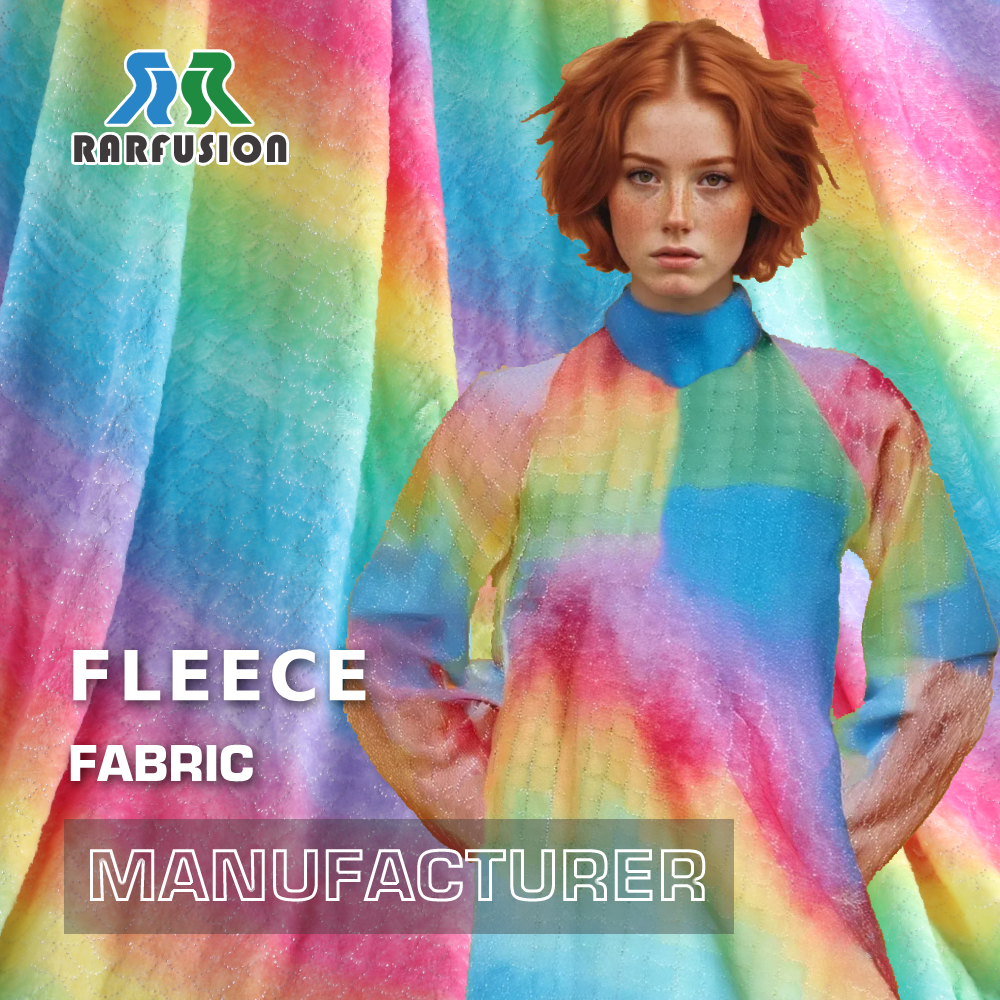
Key Specifications for Eco-Friendly Fabrics You Should Know

Understanding the specifications of eco-friendly fabrics is crucial for making informed purchasing decisions. Here are some key specifications to consider: 

Material Composition: Look for eco-friendly fabrics made from organic cotton, bamboo, hemp, or recycled polyester. Each material has unique properties that may affect its application. 

Weight and Thickness: The weight of the eco-friendly fabrics can influence its durability and suitability for specific applications. Ensure the thickness aligns with your project requirements. 

Colorfastness: Eco-friendly dyes should not only be safe but also durable. Test for colorfastness to ensure that the jersey textile fabric maintains its color under various conditions. 

Breathability and Moisture-Wicking Properties: Depending on the intended use, these qualities can significantly affect comfort and performance. 

Certification: As mentioned earlier, certifications can provide assurance regarding the environmental impact and safety of the fabric. 

These specifications will help you evaluate whether the eco-friendly fabrics meets your project needs and aligns with your sustainability goals. 

Cost Factors to Evaluate When Purchasing Eco-Friendly Fabrics

Cost is a significant consideration when purchasing eco-friendly fabrics, but it should not be the only factor. Several cost components impact the overall price: 

Material Costs: Eco-friendly materials can sometimes be more expensive than conventional options due to the sourcing and processing methods involved. 

Customization: If you require special treatments or custom designs, this can increase costs. Discuss these needs with your supplier early in the negotiation process. 

Production Scale: Larger orders often yield lower per-unit costs due to economies of scale. Consider your project size and evaluate the MOQ provided by the supplier. 

Shipping and Handling: Factor in any additional costs related to shipping, especially for international suppliers. Understanding the total landed cost will help you make a more informed decision. 

Quality Assurance: Investing in quality assurance processes, such as pre-production samples and testing, can prevent costly mistakes later in the production process. 

By evaluating these factors, you can better understand the total cost of ownership for your eco-friendly fabric choices. 

Installation Guidance for Eco-Friendly Fabric in Your Projects

Proper installation of eco-friendly fabrics is essential for ensuring longevity and performance. Here are some best practices: 

Pre-Installation Checks: Before installation, inspect the fabric for defects or inconsistencies. Check for color matching, pattern alignment, and overall quality. 

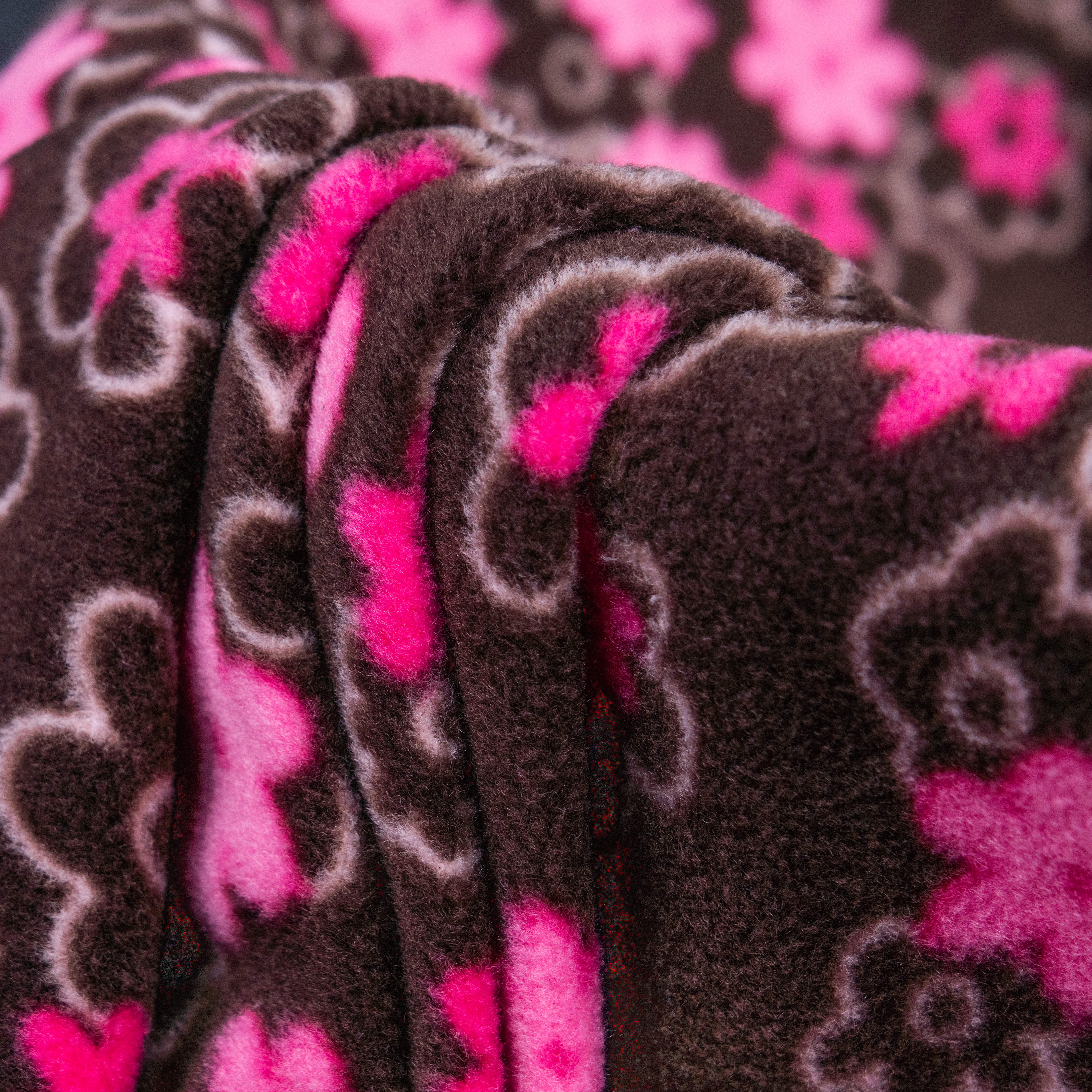
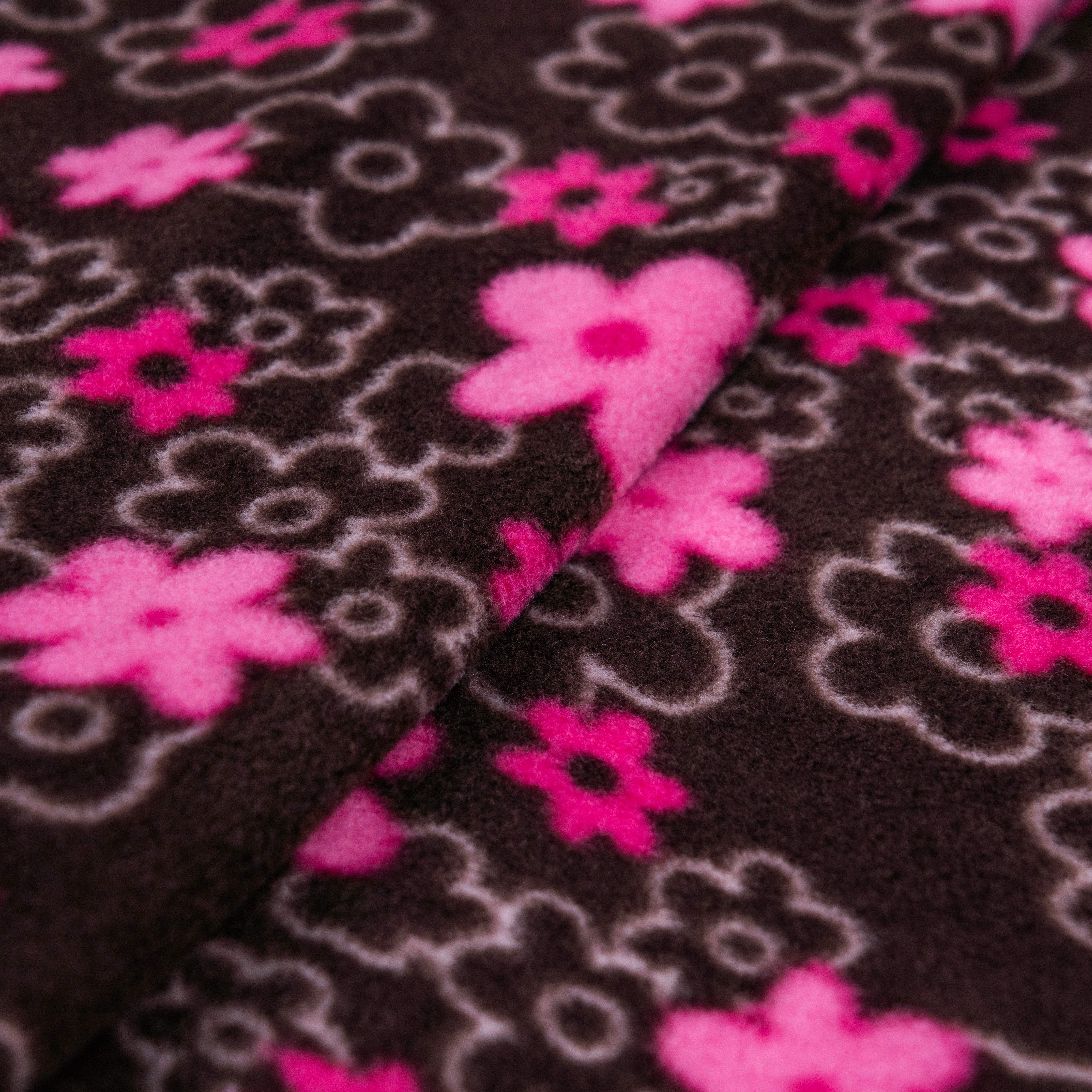
Tools and Techniques: Use appropriate tools designed for the specific fleece textile fabric type. For instance, avoid heavy-duty equipment that could damage delicate fibers. 

Adhesives and Fasteners: Select eco-friendly adhesives or fasteners that align with your sustainability goals. Ensure compatibility with the fabric to prevent degradation over time. 

Environmental Considerations: Be mindful of the installation environment. Factors such as temperature and humidity can affect how the fabric behaves post-installation. 

Post-Installation Care: Offer guidance on caring for the installed fabric to maintain its performance and appearance. This may include cleaning protocols that align with eco-friendly practices. 

By following these installation guidelines, you can ensure that your eco-friendly fabric performs well and meets the needs of your project. 

In summary, sourcing eco-friendly fabric requires careful consideration of quality, specifications, costs, and installation practices. By leveraging insights from experienced manufacturers like Rarfusion International Trade Co., Ltd., you can make informed choices that align with your sustainability objectives and enhance your project outcomes. 

How to Assess the Quality of Eco-Friendly Fabrics in Bulk Orders

When assessing the quality of eco-friendly fabrics, it’s essential to evaluate several key factors. Start with the material composition fabrics made from organic fibers, recycled materials, or sustainable sources are generally preferred. Look for certifications such as Global Organic Textile Standard (GOTS) or OEKO-TEX, which indicate adherence to environmental and safety standards. 

Next, consider the fabric's texture and durability. Conduct tactile inspections and request samples to evaluate comfort, feel, and strength. Eco-friendly fabrics should withstand wear and tear while maintaining their appearance over time. Additionally, inquire about the manufacturer's quality control processes. A reliable supplier should have stringent checks in place to ensure consistency throughout production. 

Finally, assess the supplier’s production capabilities. With Rarfusion International Trade Co., Ltd. operating a complete production chain and an annual output of 10 million kg, they exemplify the ability to deliver high-quality textile fabric consistently. 

Why choose Rarfusion Eco friendly fabric

Rich production experience

Rarfusion International Trade Co., Ltd. was founded in the year 2010. With more than ten years of experience in Needle flannel research and development, manufacturing and selling, our business is equipped with the latest technology, equipment, full production, sales, and supply with a annual production of 10 million kilograms. Our products are highly sought-after at home and overseas and have a great image and popularity in the industry.

Complete production chain

Rarfusion transforms the essence of fleece yarns into the final fabric. Flannel fabric by the yard dreams. Innovations and breakthroughs in breakthroughs, continuously set higher requirements for ourselves, and give our customers better quality, more stylish and more comfy products in all aspects.

Good after-sales service

Our support team will continue to support our customers even after they have purchased the product. Strong after-sales service fosters Flannel material with our customers and improves the experience they have with our products. The questions you ask us are our expertise and we're available anytime.

Own finished fabric warehouse

Automatization, automation, and informatization can aid in improving the management of warehouses and make the fabric handling warehouses transparent and Flannelette fabric. The pressures of customers on shipping and storage overseas can be relieved effectively by warehouses that are free.

Our Blog Posts

Pros and cons of polar fleece fabric

30

May

Pros and cons of polar fleece fabric

It is a layers material that is used to fabricate comfortable knitted outfits. It is comfortable and warm to wear, which is why we use it in jackets, blankets, and hats. Here we will consider the pros and cons of polar fleece fabric so you ...
View More
The future of polar fleece fabric:innovation and sustainability

29

May

The future of polar fleece fabric:innovation and sustainability

New ideas and caring for our planet are improving polar fleece fabric every day. Rarfusion is making polar fleece warmer and cozier and better for the planet.How Polar Fleece is Changing? Making polar fleece was, in the past, an energy- and chem...
View More
Why is polar fleece so warm?

29

May

Why is polar fleece so warm?

Polar fleece is a fabric that is super warm making a lot of people wearing it item when the outside weather is very cold. Have you ever wanted to know why polar fleece is so warm and cozy? Let's find out together.The magic behind how polar fleec...
View More
How to Prevent Wrinkles in Linen Fabric

15

Jan

How to Prevent Wrinkles in Linen Fabric

Linen fabric is prized for being lightweight and breathable; of course, it wrinkles terribly. If you don’t want linen looking crumpled and hobo chic, you need tricks. Wrinkles occur when linen fibers are natural and smooth, causing them to bend and f...
View More

Get a Free Quote

Our representative will contact you soon.
Email
Name
Company Name
Message
0/1000

Get a Free Quote

Our representative will contact you soon.
Email
Name
Company Name
Message
0/1000
because focus so professional.

Copyright © Rarfusion (Shaoxing) International Trade Co., Ltd. All Rights Reserved  -  Privacy Policy