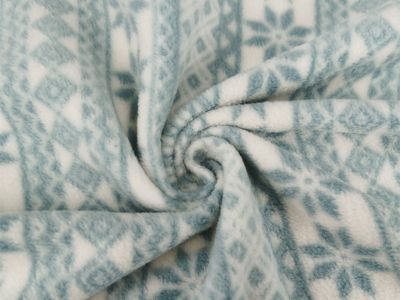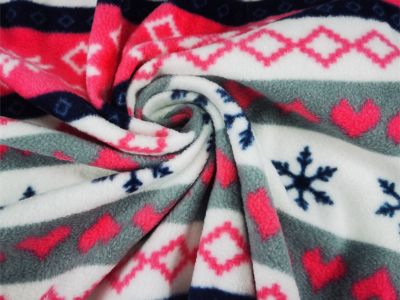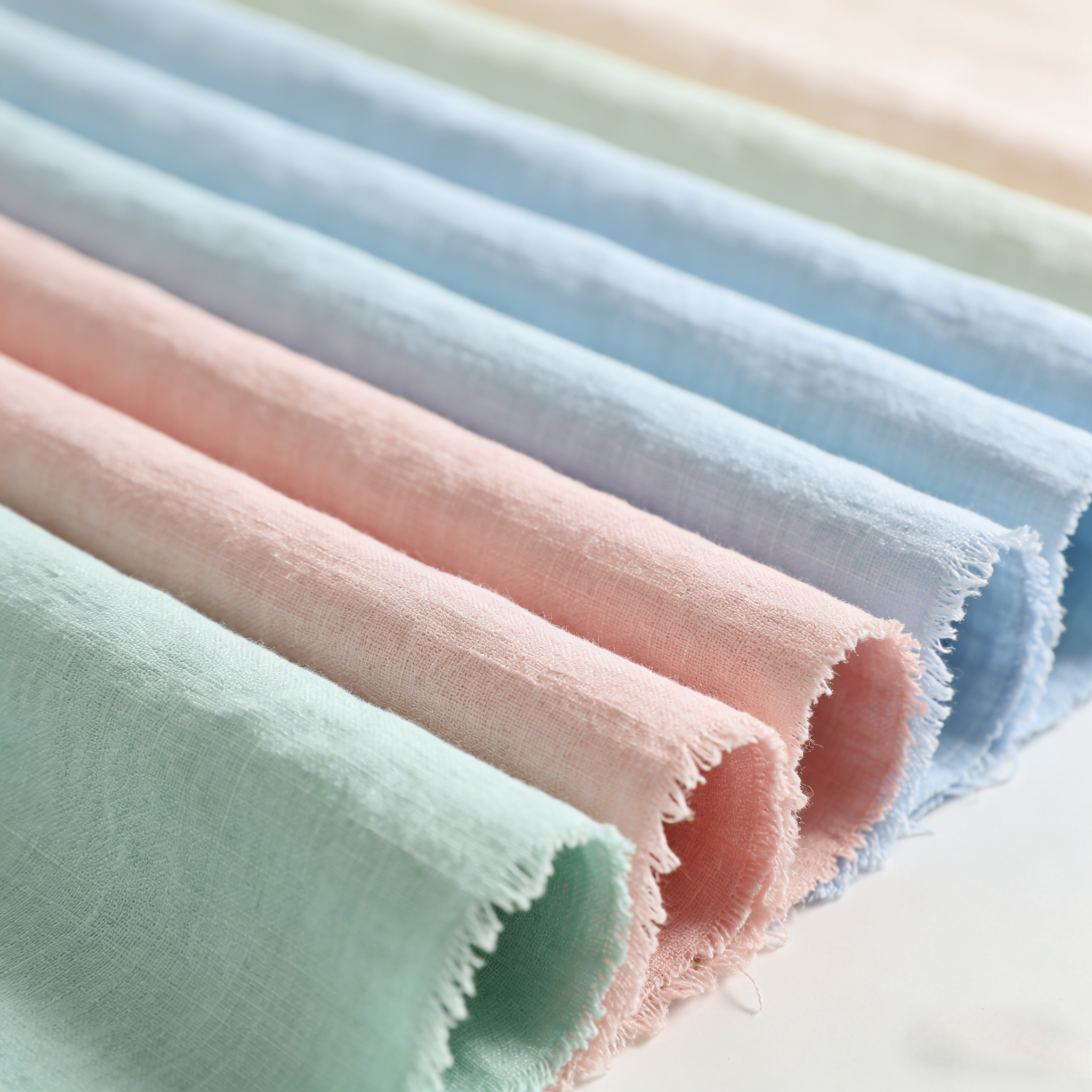
High-quality fleece apparel fabrics are essential for manufacturers aiming to create comfortable and fashionable clothing. As a key component in the apparel industry, these polar fleece fabrics must meet various specifications and performance requirements to satisfy the needs of purchasing managers, product managers, and engineers. This article will guide you through evaluating fleece apparel fabrics, sourcing high-quality options, navigating common challenges, and exploring their applications in the industry.
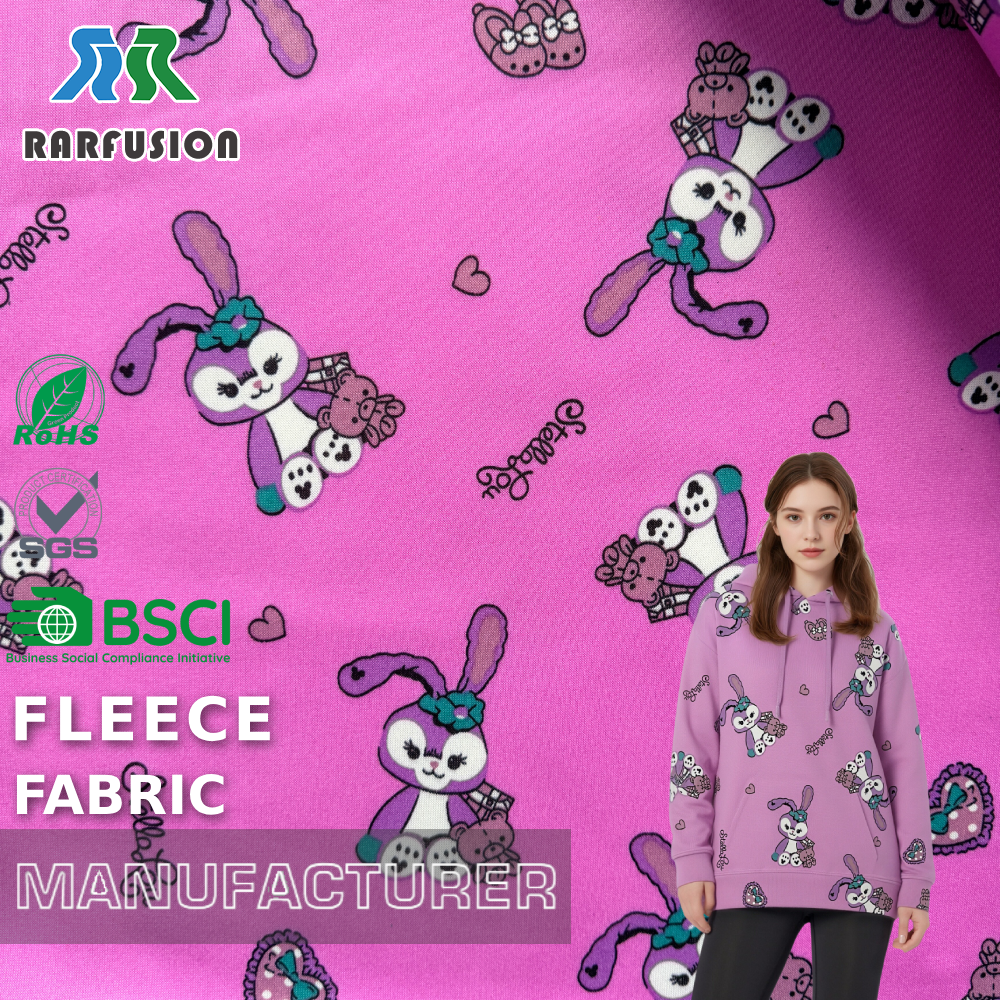
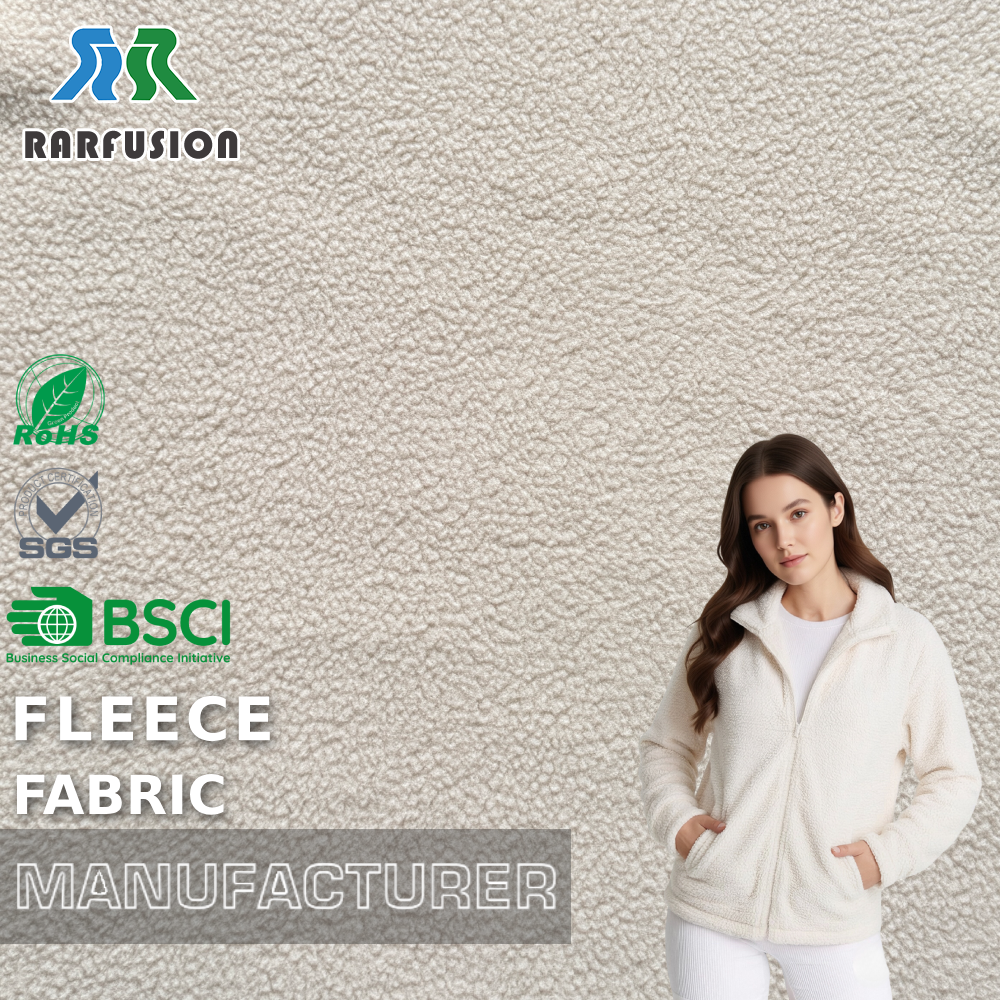
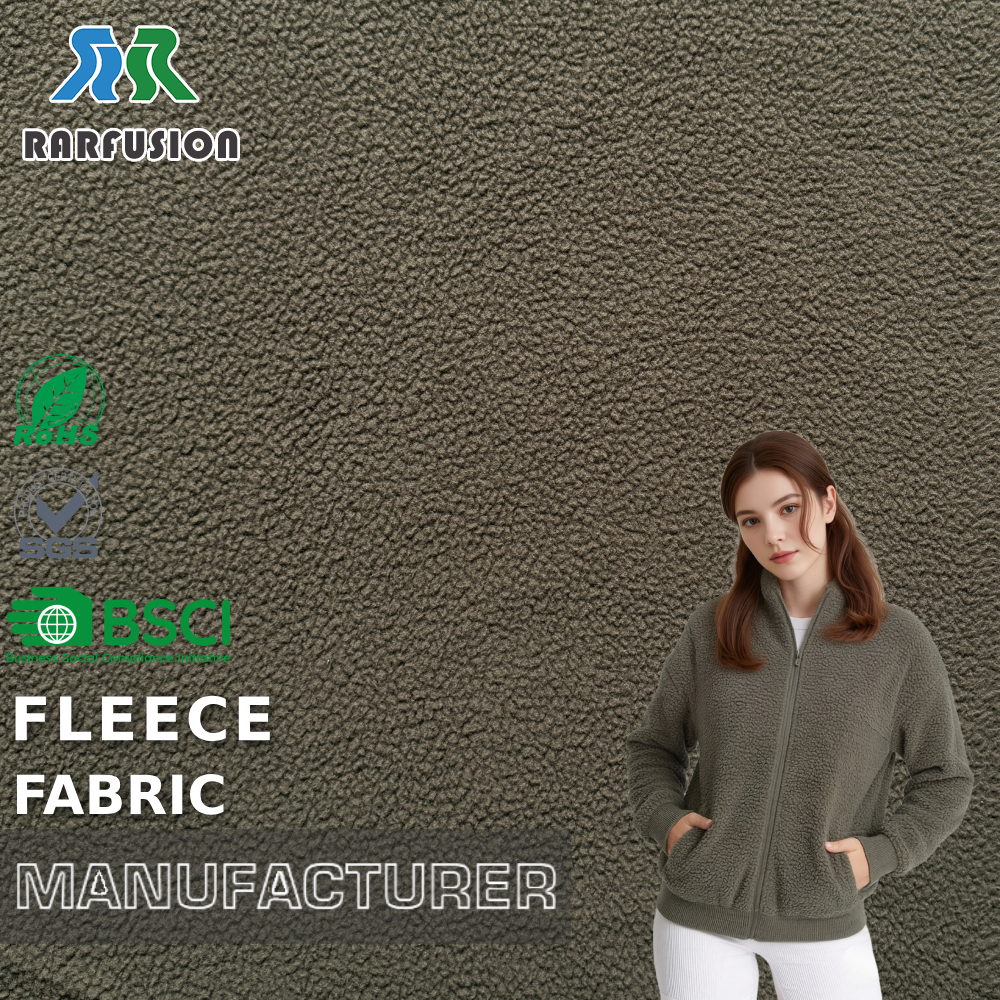
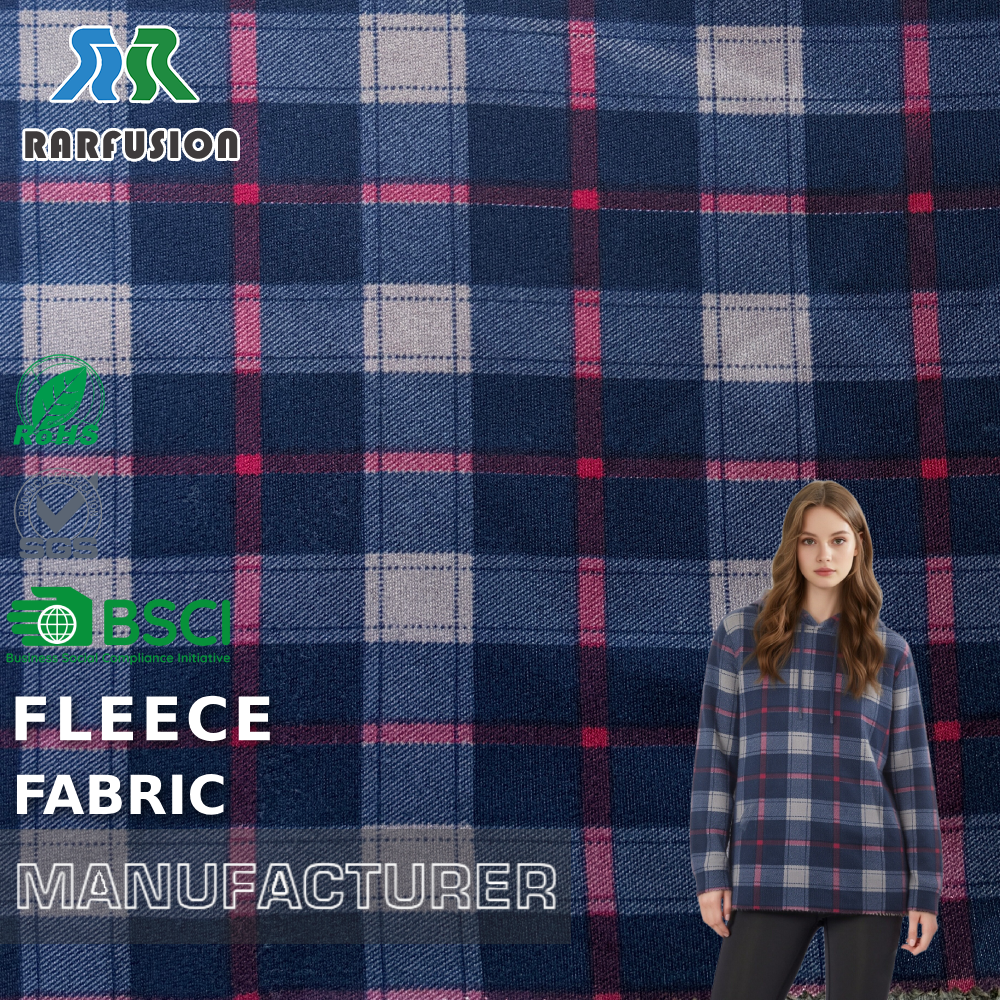
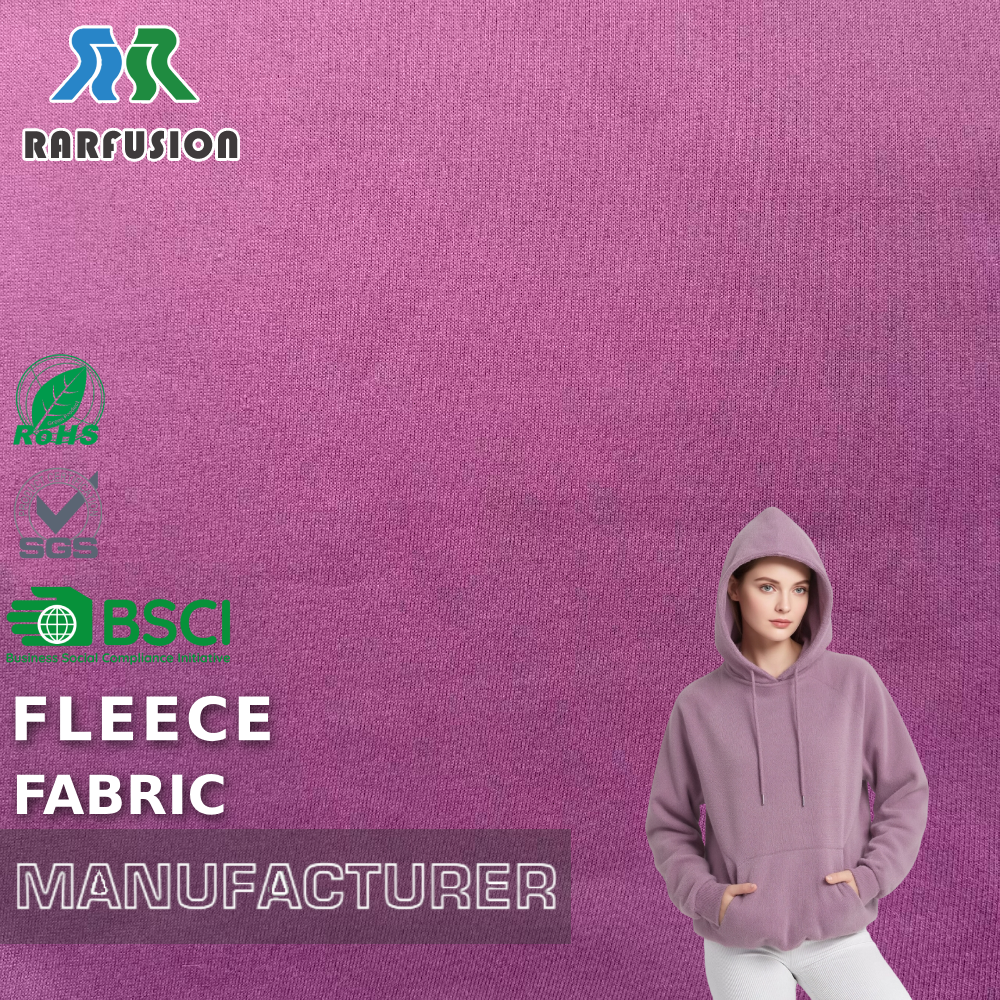
Key Specifications for Sourcing High-Quality Apparel Fabrics
When sourcing Rarfusion fleece apparel fabrics, key specifications to consider include fiber content, fleece apparel fabrics weight, stretch capability, and finishing treatments. Fiber content affects the fabric's performance; for example, 100% polyester fleece is lightweight and moisture-wicking, whereas a polyester-cotton blend offers added softness and breathability.
Fabric weight, measured in GSM, is crucial for determining the fleece apparel fabrics intended use. For activewear, a lighter weight (around 200 GSM) is often preferred, while heavier weights (300 GSM and above) are suitable for outerwear.
Stretch capability is another important factor. Fabrics with spandex or elastane provide additional flexibility, enhancing comfort and fit for activewear applications.
Finishing treatments such as anti-static or water-resistant coatings can also influence fabric performance. Discuss these specifications in detail with suppliers to ensure that the fleece fabric meets your specific application requirements.