
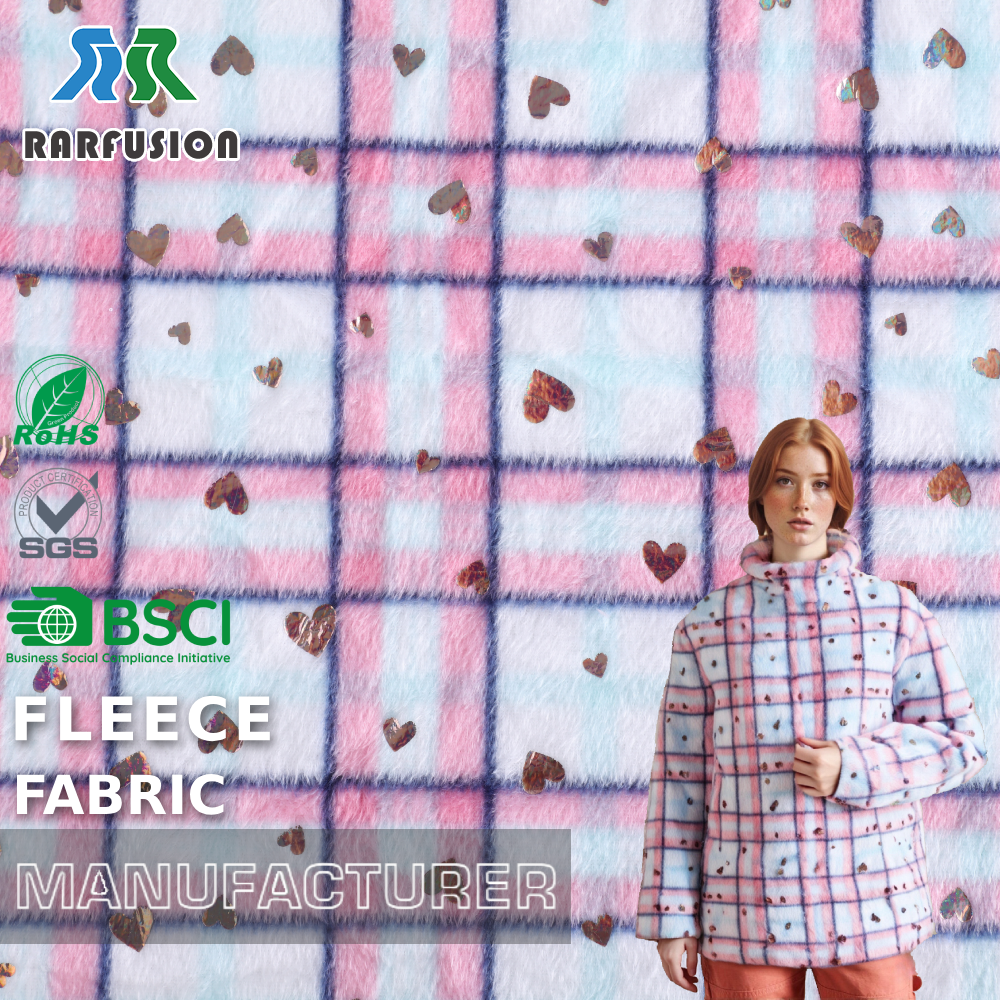
Decoding Fleece Types – It’s More Than Just "Fleece"
Breakdown of Classic Types
Polartec Classic: The gold standard for mid-layer insulation. If you’re sourcing fabric for mid-layers of regular outdoor jackets or vests, this is the safest, most cost-effective choice. It strikes a perfect balance between warmth and practicality.
Polartec Thermal Pro: Characterized by high loft and an exceptional warmth-to-weight ratio. Its longer, fluffier fibers give it a premium look and feel. When top-tier warmth is a must and cost is no concern—say, for high-end ski apparel lines—this is my go-to option. Keep in mind, though, its long-fiber structure requires more delicate care down the line.
Polartec Power Stretch: A four-way stretch fabric. If your end products demand maximum mobility—think alpine climbing gear or yoga-inspired thermal wear—this is non-negotiable. It hugs the body perfectly while allowing unrestricted movement, but it comes with a noticeably higher price tag.
The Misunderstood "Number" That’s Key to Purchasing
Micro-fleece / Lightweight (100–200 GSM):
Feels as light as a regular T-shirt, but with a fine, short pile. This range is ideal for base layers. I use it for high-performance thermal underwear and lightweight hiking base layers. Its core strengths are breathability and quick-drying properties—not extreme warmth. Remind your customers that it’s designed for active warmth and moisture management.
Versatile Mid-weight (200–300 GSM):
Delivers the classic fleece feel we all know—substantial yet not cumbersome. This is the most mainstream, reliable range, perfect for most everyday warmth needs: fleece jackets, hats, gloves, and casual mid-layers. It offers the best cost-performance ratio, hitting the sweet spot between functionality and cost. I always keep a steady stock of fabrics in this range in my warehouse.
Heavyweight Insulated (300+ GSM):
Feels thick, fluffy, and ultra-plush. It’s tailored for static use or extreme cold conditions—think inner linings for heavy-duty outdoor jackets, winter blankets, or sleeping bag liners. Exercise caution when purchasing this range: while high GSM means superior warmth, it also inevitably leads to higher costs, bulkier volume, and heavier weight. Always make sure your end users actually need this level of insulation.
Going Beyond the Basics – Advanced Questions to Ask When Purchasing
"Is this fabric made from recycled polyester? Does it have GRS certification?" The trend toward sustainability is irreversible. Recycled polyester fleece (typically made from recycled plastic bottles) now boasts consistent quality, but you need to check for relevant certifications like GRS and find out how much of a cost premium it entails. More and more brands are explicitly requesting recycled materials these days.
"What’s the minimum order quantity (MOQ)? Is this fabric a stock item?" Supply chain stability is crucial. Confirm whether the fabric is readily available in stock or if it’s a "futures" product requiring custom production. Always clarify the feasibility of small-batch trial runs and the stability of bulk replenishment in the future.