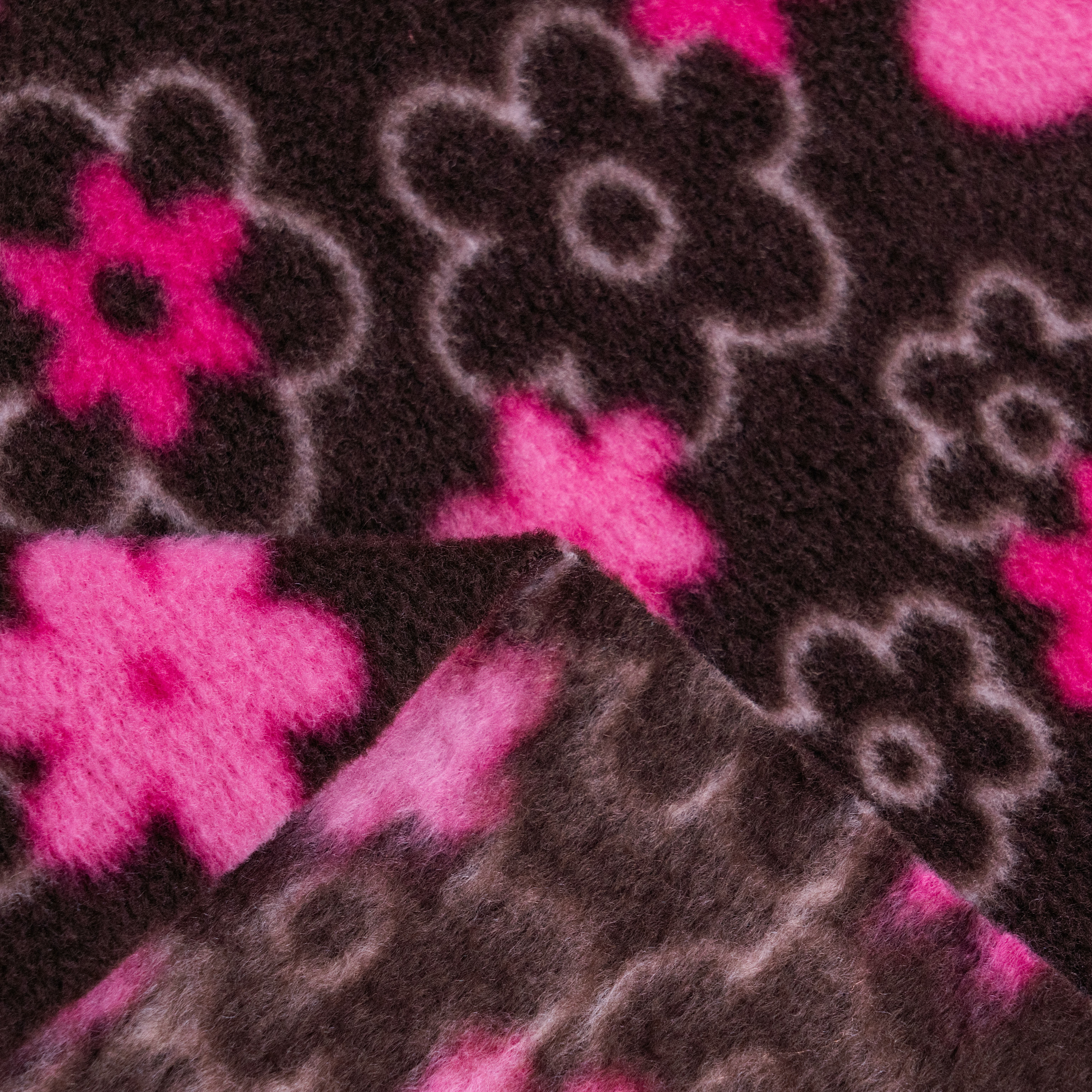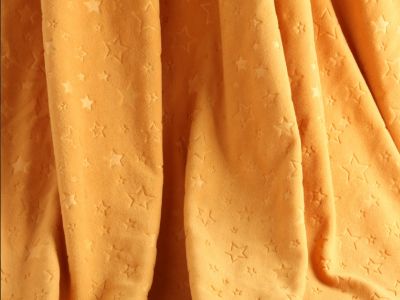
Yellow fleece fabric is a versatile textile known for its warmth, softness, and durability, making it a popular choice in various industries. As a B2B buyer, you might have concerns about quality, application suitability, and supplier reliability. This yellow fleece article will guide you through the key specifications of yellow fleece fabric, how to assess its quality, its best applications, reliable sourcing options, and tips for selecting the right fabric for your projects.
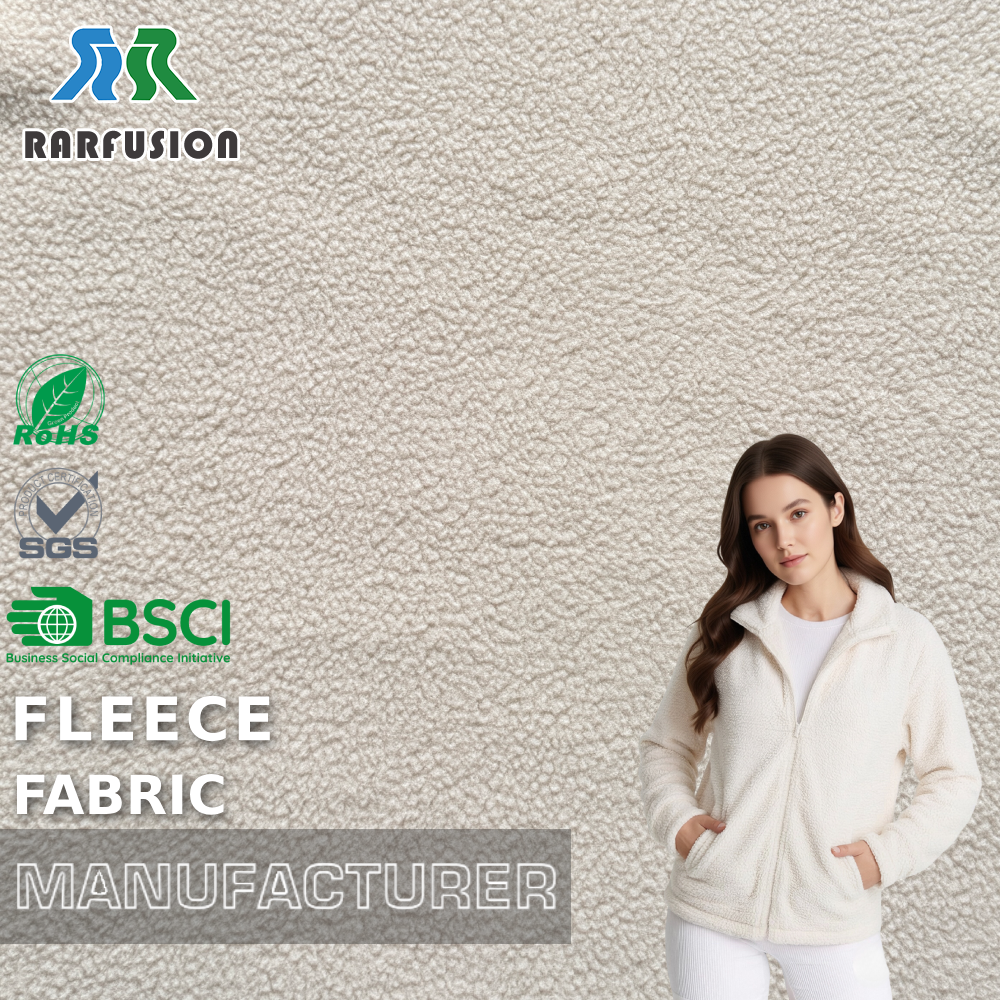
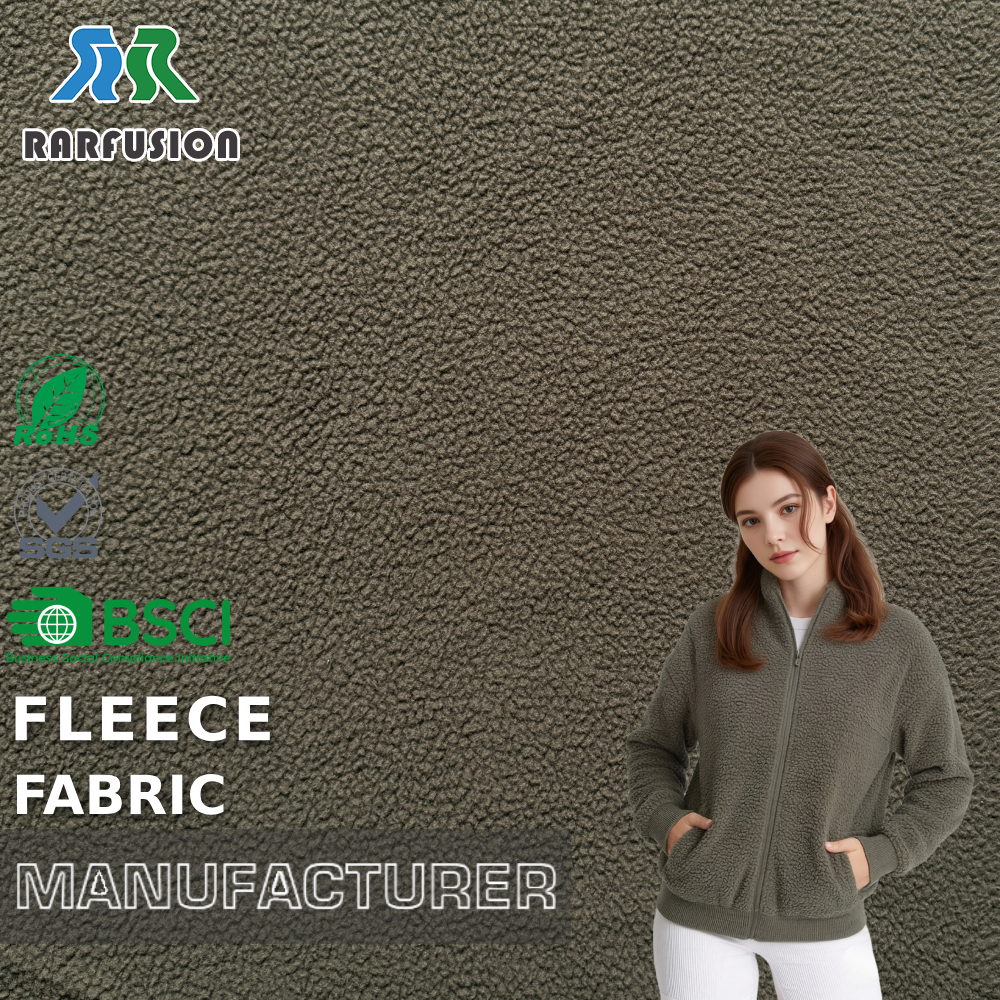
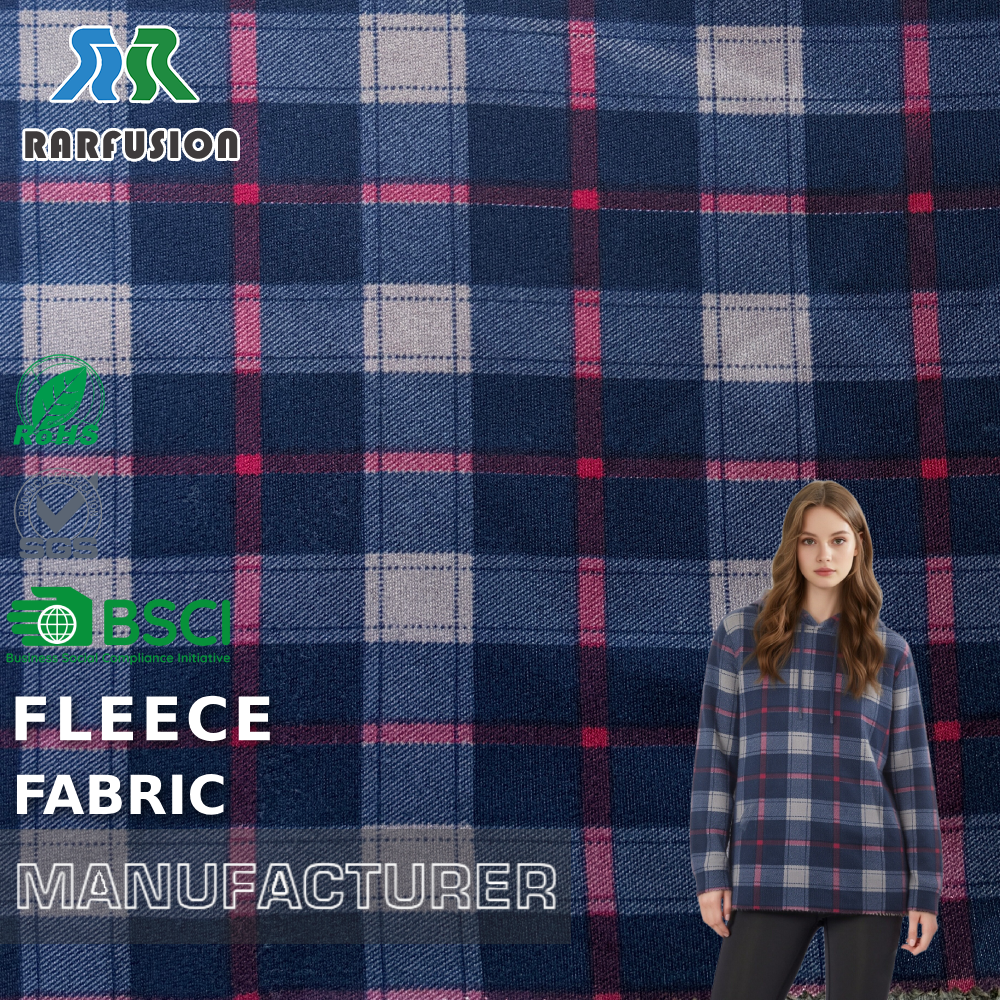
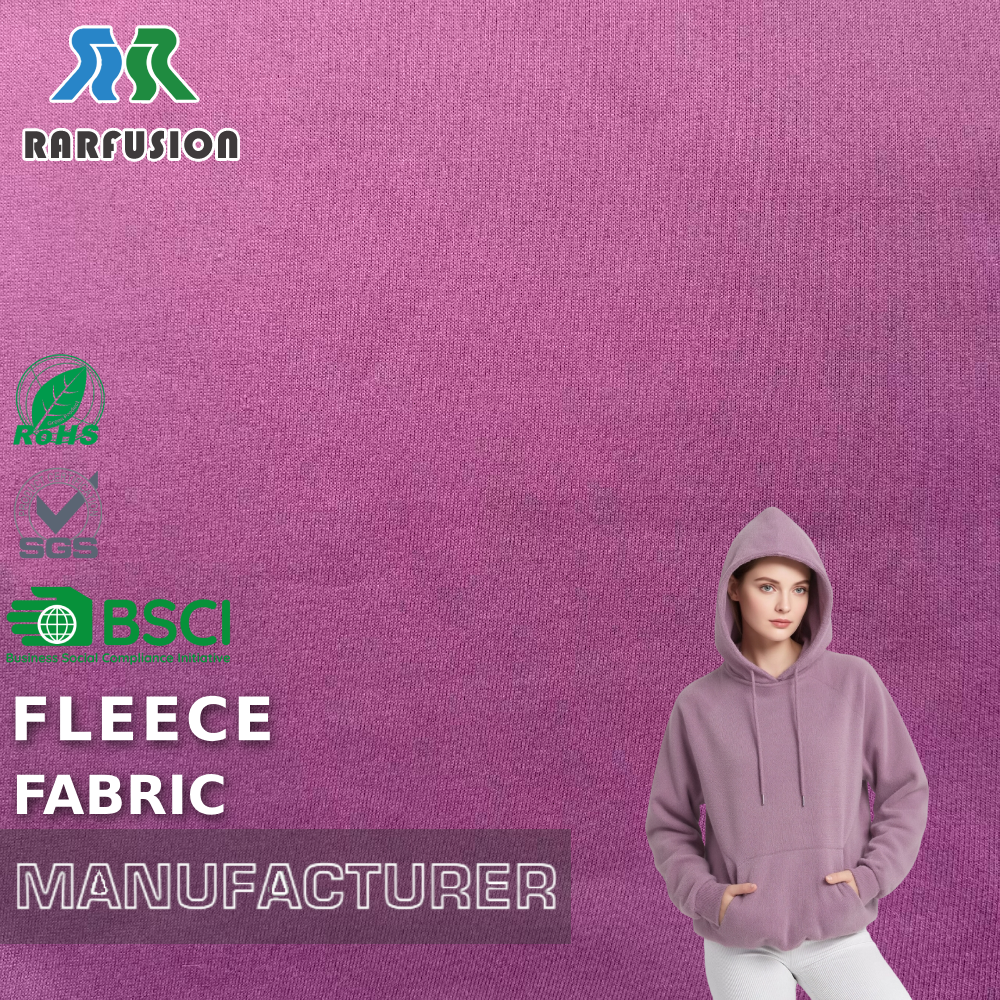
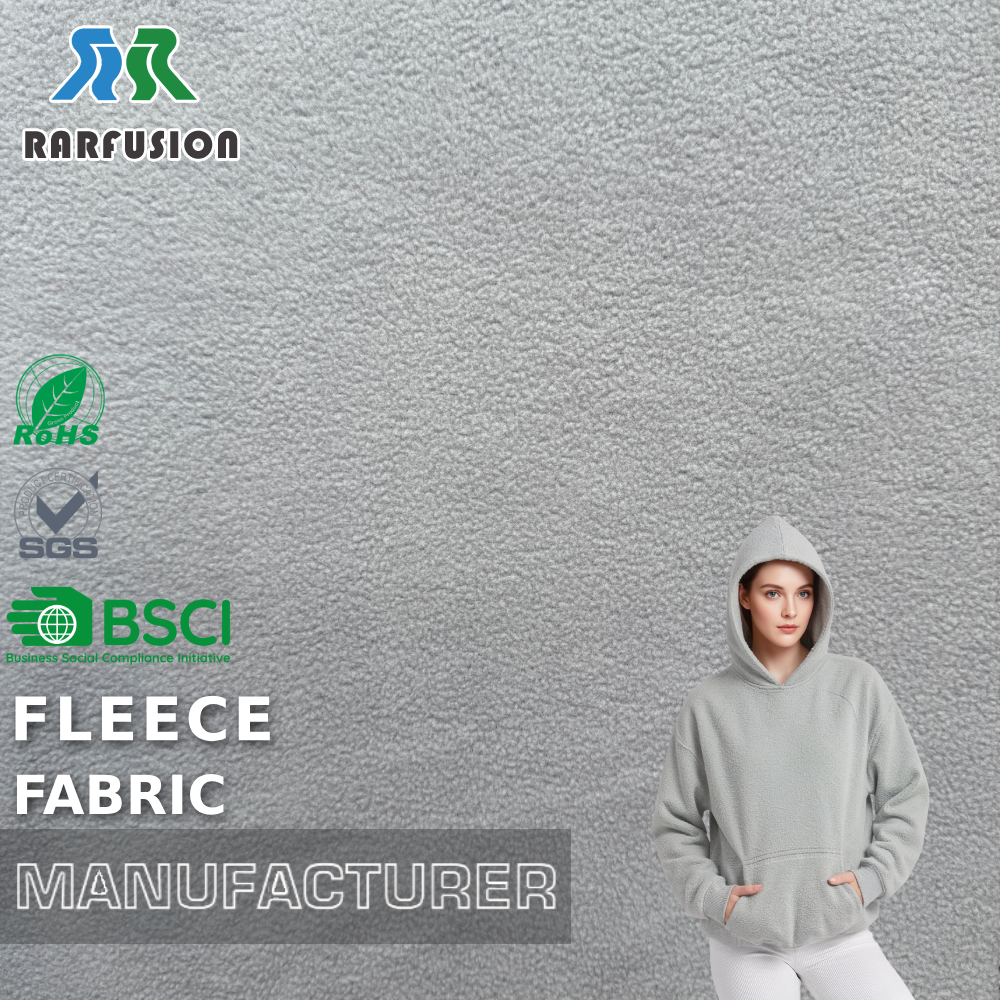
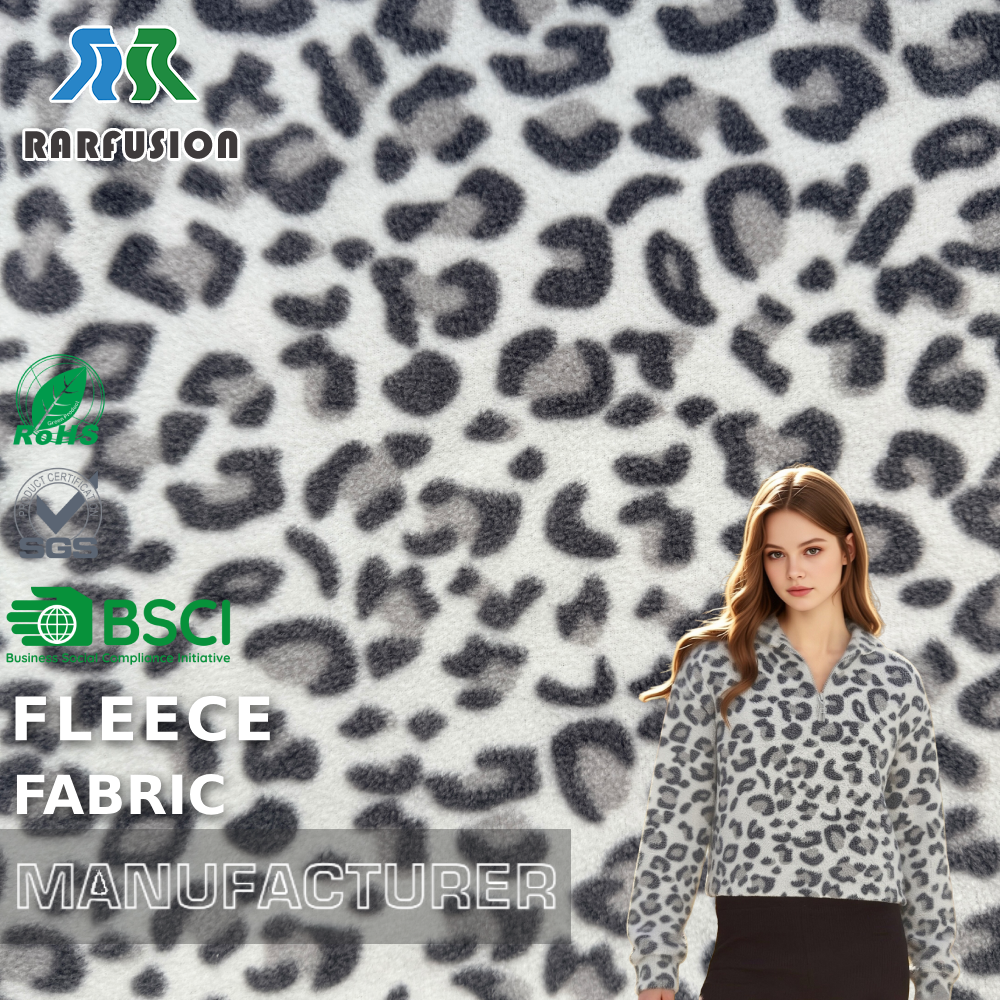
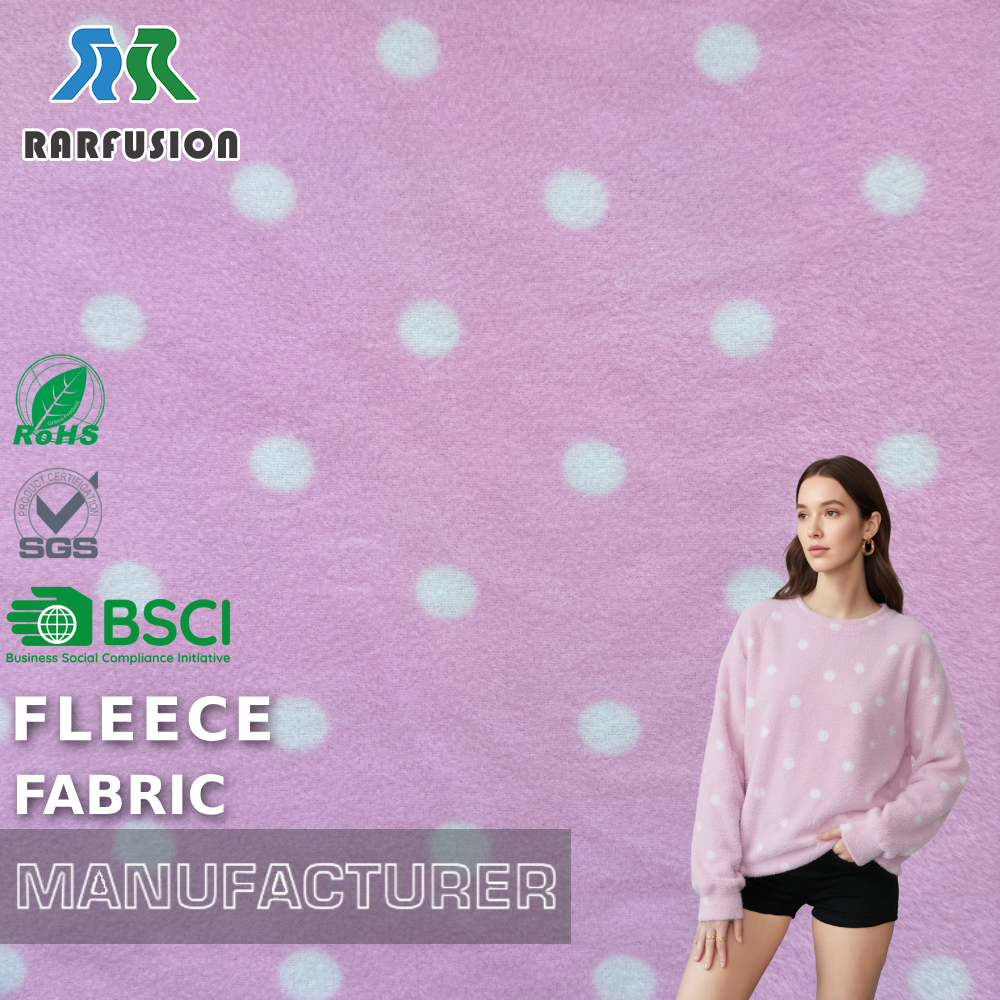
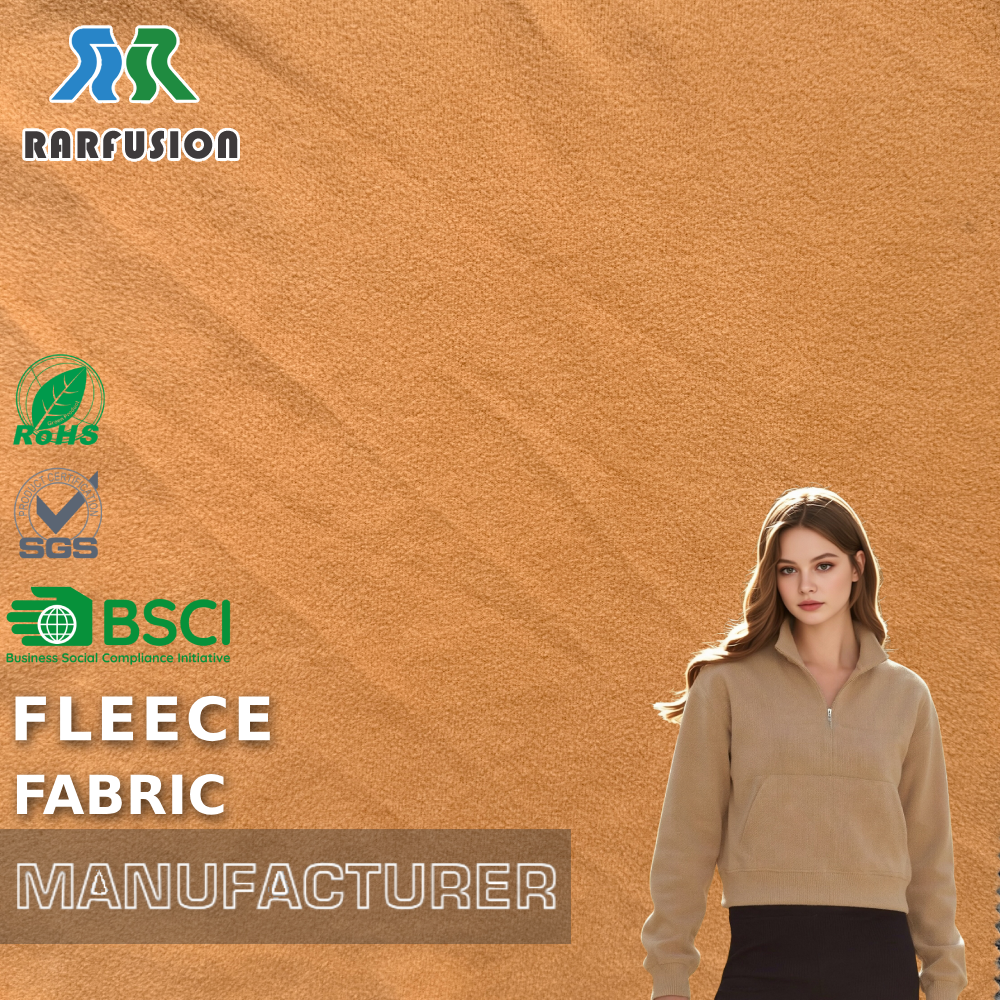
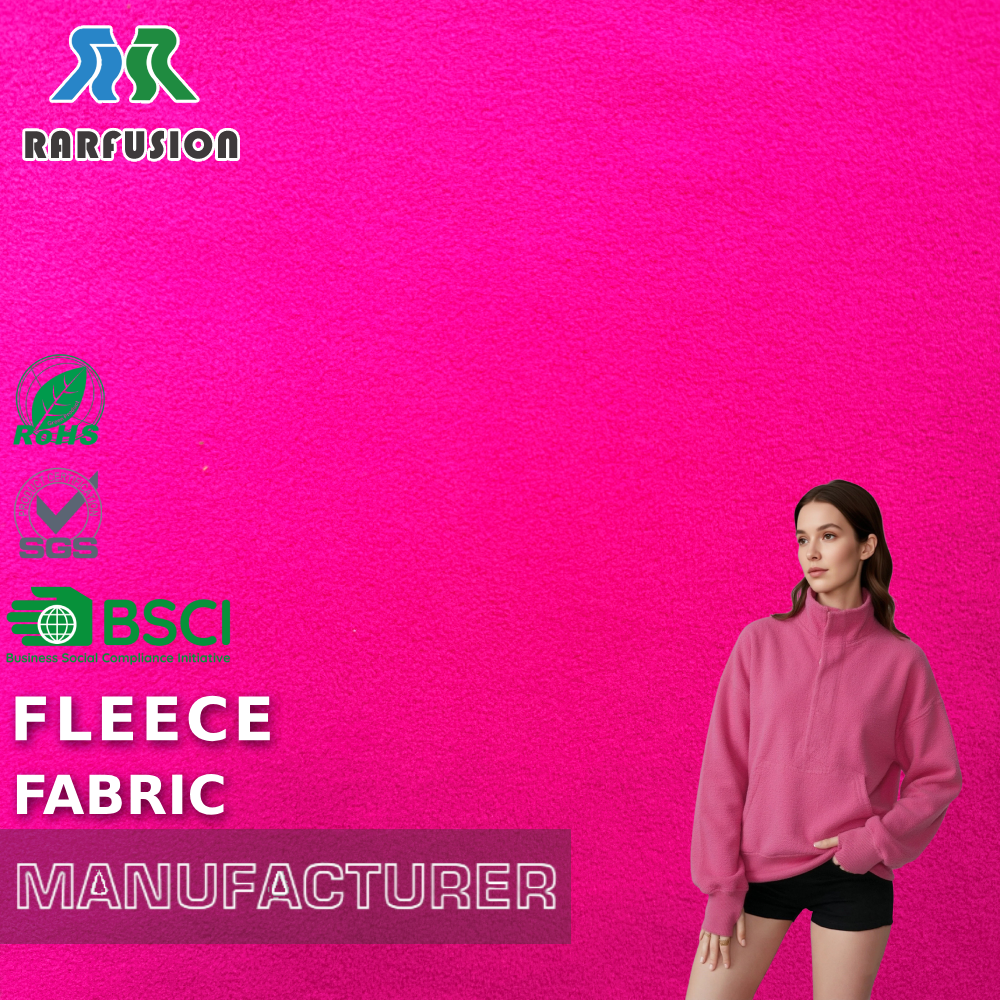
Evaluating the quality of yellow fleece fabric
Evaluating the quality of yellow fleece fabric requires a systematic approach. Here are some practical steps to ensure you make an informed decision:
Sample Inspection: Always request samples before placing a bulk order. Inspect the samples for color consistency, texture, and weight. A fabric that looks good on paper may not perform well in practice.
Check for Pilling: Pilling can degrade the appearance and feel of fleece. Rub the fabric gently against itself to check for pilling potential. High-quality fleece should resist forming pills after minimal abrasion.
Moisture Wicking Test: If moisture-wicking properties are vital for your application (e. g., activewear), conduct a simple water droplet test to see how quickly the fabric absorbs and dries.
Durability Assessment: Review any available durability testing reports. High-quality fleece should maintain its structure and appearance over multiple wash cycles.
Certifications: Look for any certifications that indicate quality standards, patterned polar fleece such as Oeko-Tex certification, which ensures that the fabric is free from harmful substances.
By following these steps, you can better assess whether the fleece meets your quality expectations before committing to a purchase.