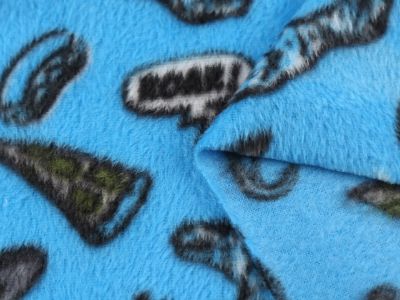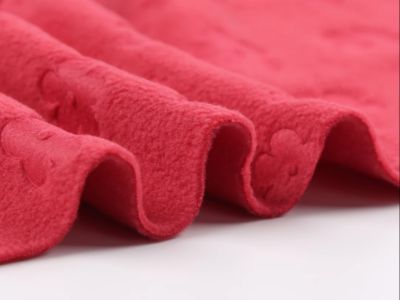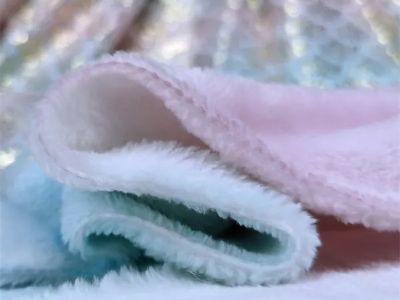
Flannel is a versatile fabric known for its softness and warmth, primarily made from cotton, wool, or synthetic fibers. Understanding what material is flannel is crucial for B2B buyers, including purchasing managers, distributors, and product managers, who seek quality textiles for various applications. This article will provide a comprehensive overview of flannel fabric, its quality features, source high-quality flannel options, pricing in bulk orders, and common issues, helping you make informed purchasing decisions.
Quality Features to Consider
When sourcing flannel, quality features are paramount. Here are key aspects to evaluate:
Weight: Flannel is available in various weights, typically measured in grams per square meter (GSM). Heavier flannels offer more warmth and durability, while lighter options are more breathable and suitable for layering.
Weave and Finish: The weave impacts the fabric's texture and appearance. Twill and plain weaves are common, with brushed finishes enhancing softness. Consider the intended application to select the right weave and finish.
Shrinkage: Fabrics can shrink during washing, so it’s crucial to confirm the shrinkage percentage. A pre-shrunk option may be beneficial for garments to maintain shape and fit after laundering.
Color Fastness: Evaluate the dyeing methods used. Fabrics with high color fastness will retain their vibrancy after repeated washes, important for consumer satisfaction.
Certification: Look for certifications like Oeko-Tex Standard 100, which ensures the fabric is free from harmful substances, adding value for end-users concerned about safety and sustainability.
By focusing on these quality features, you can ensure that the flannel meets your performance and aesthetic requirements.