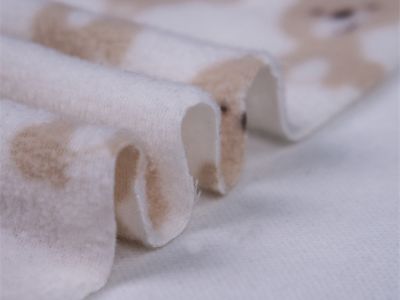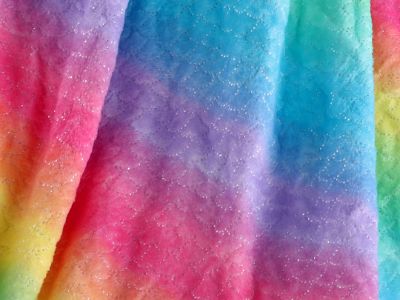
Rarfusion-made polar Fleece Fabric is a popular fabric widely used in various applications due to its lightweight, insulating properties and softness. Understanding what polar fleece is made out of is crucial for buyers, especially those in manufacturing, retail, and other commercial sectors. This article aims to clarify the materials used in polar fleece production, key specifications to evaluate, cost factors for bulk orders, common issues and solutions, and its versatility across multiple industries. By the end, you will have a better grasp of how to make informed purchasing decisions regarding polar fleece
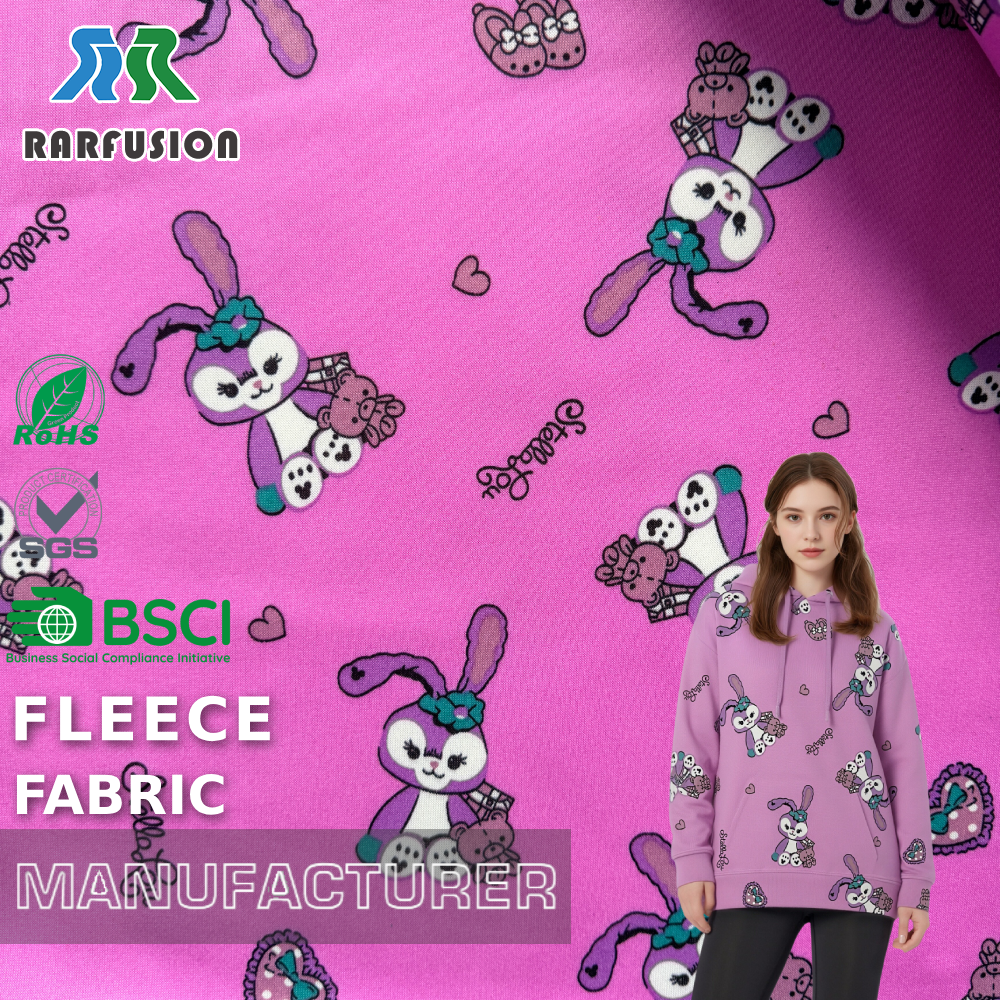
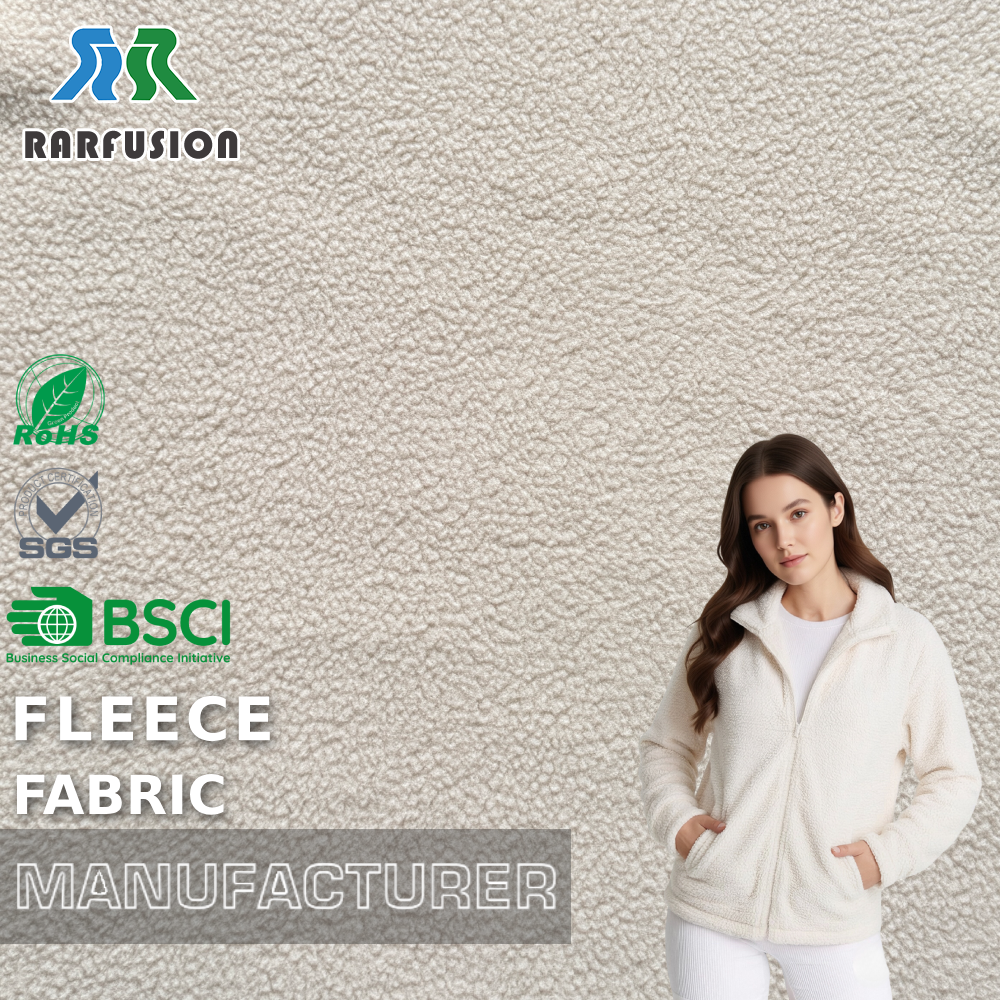
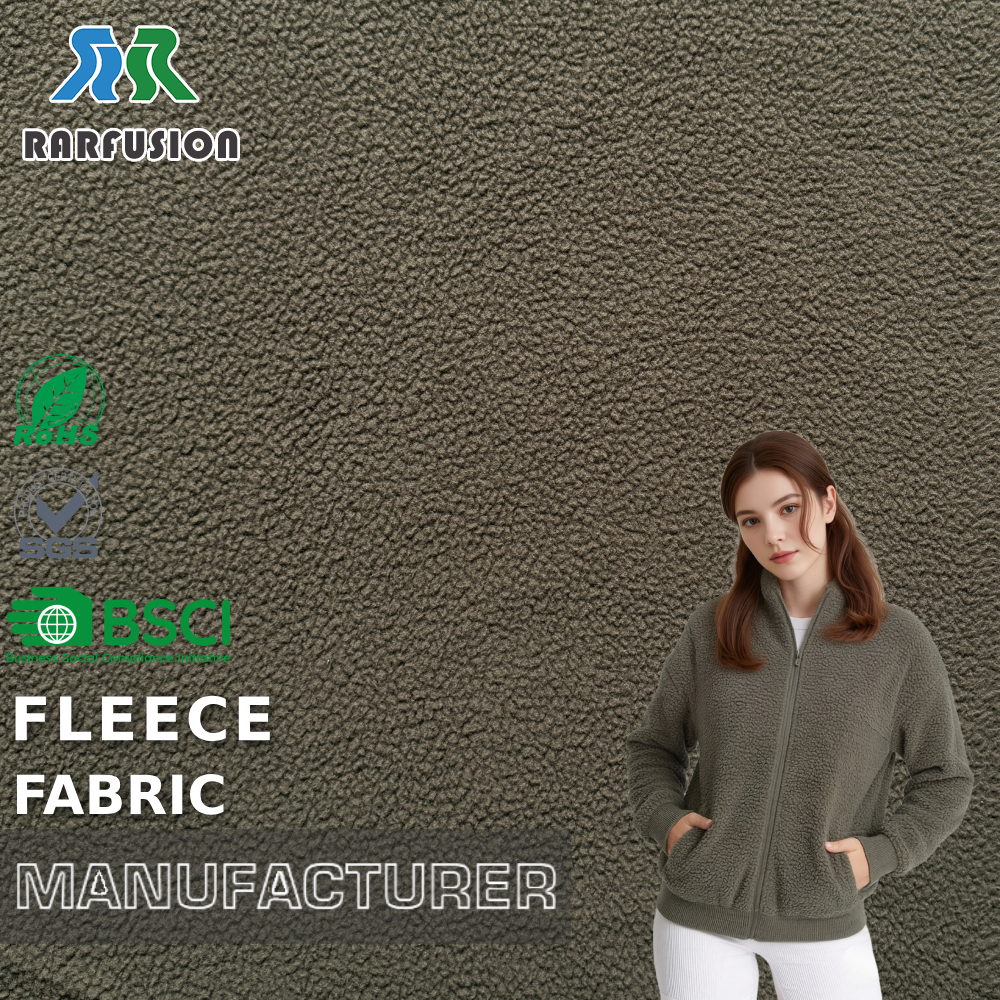
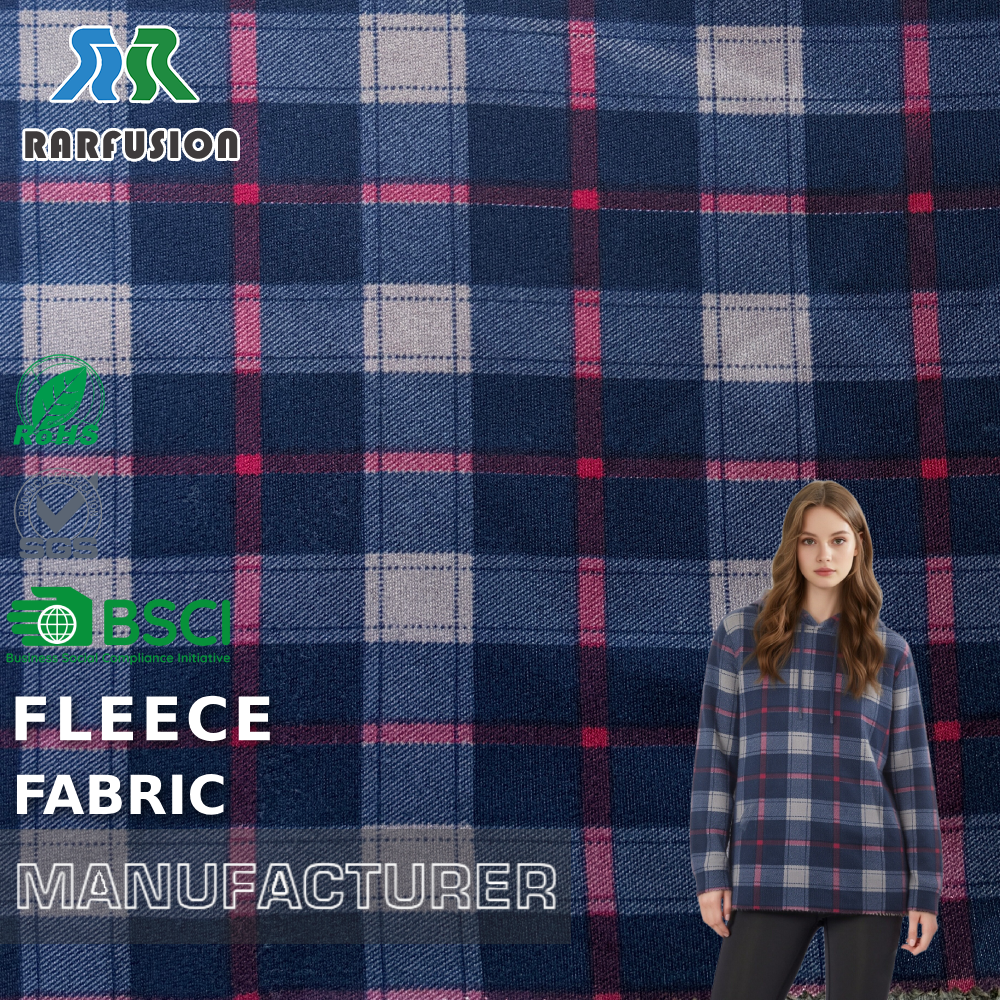
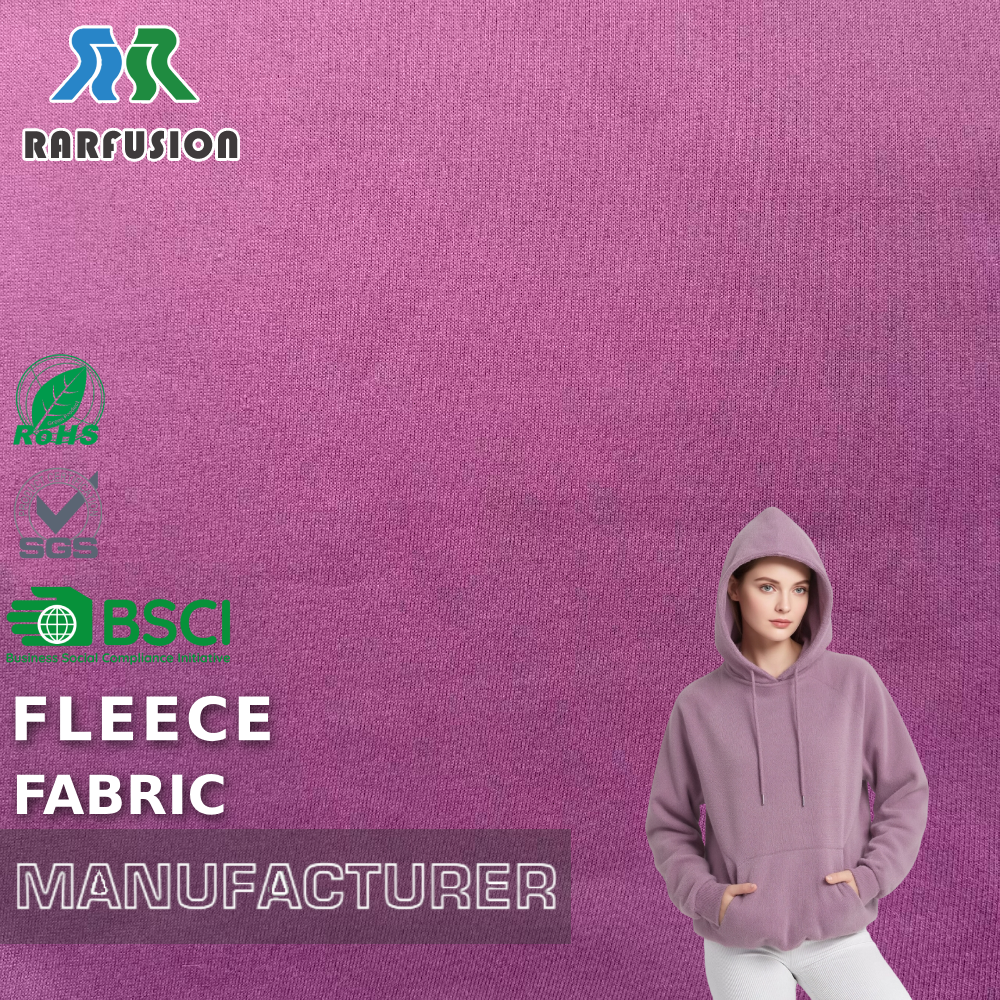
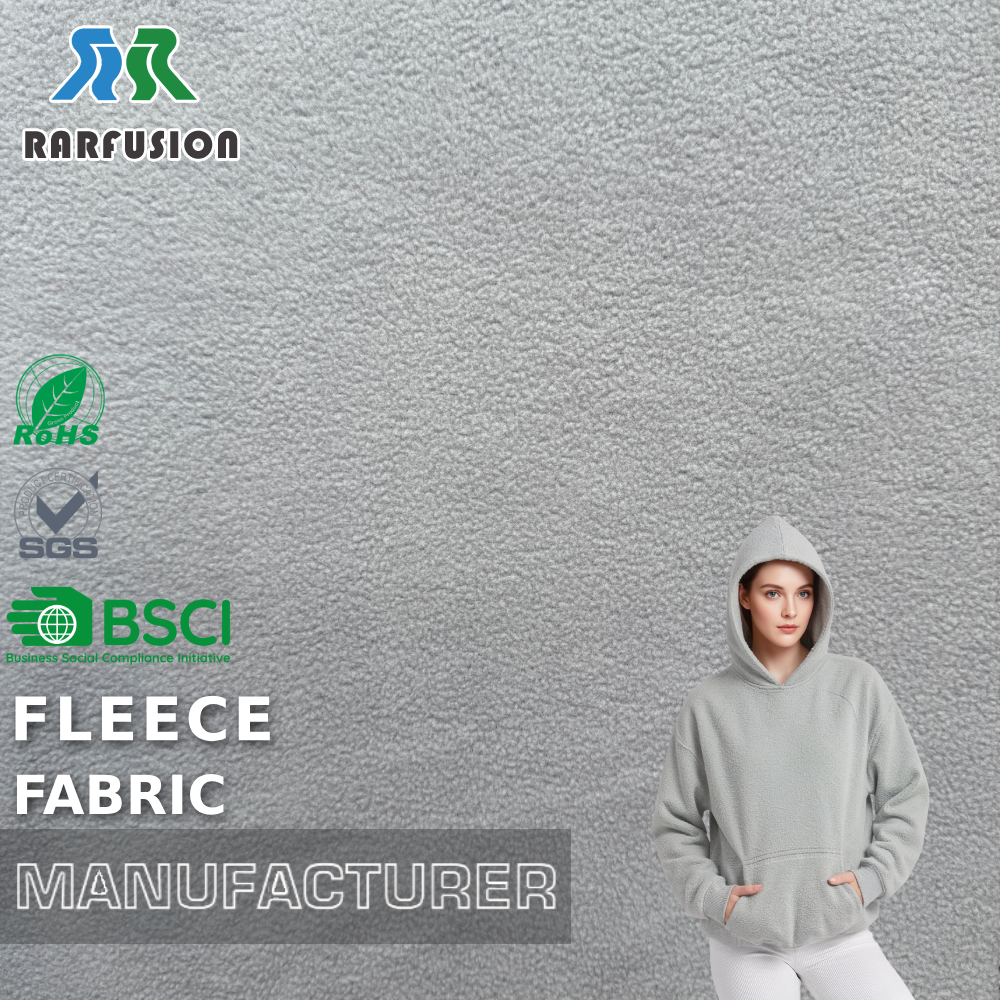
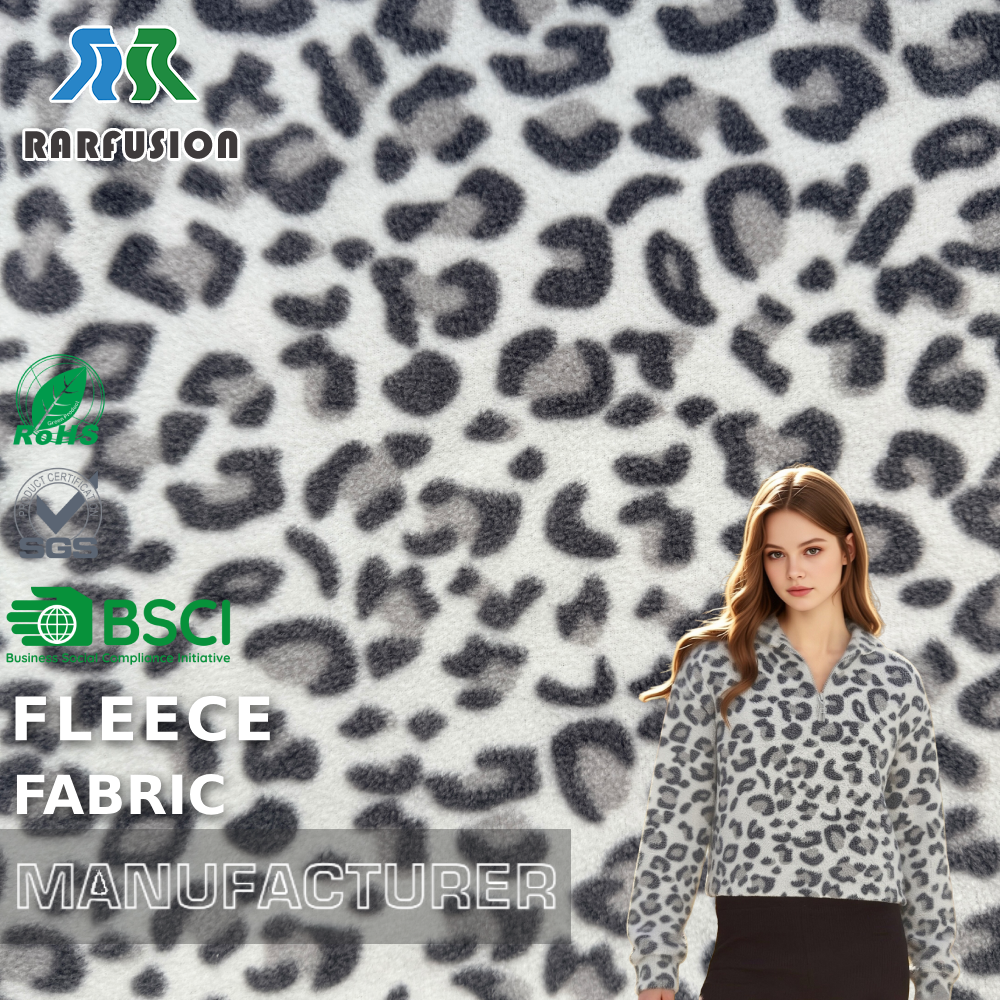
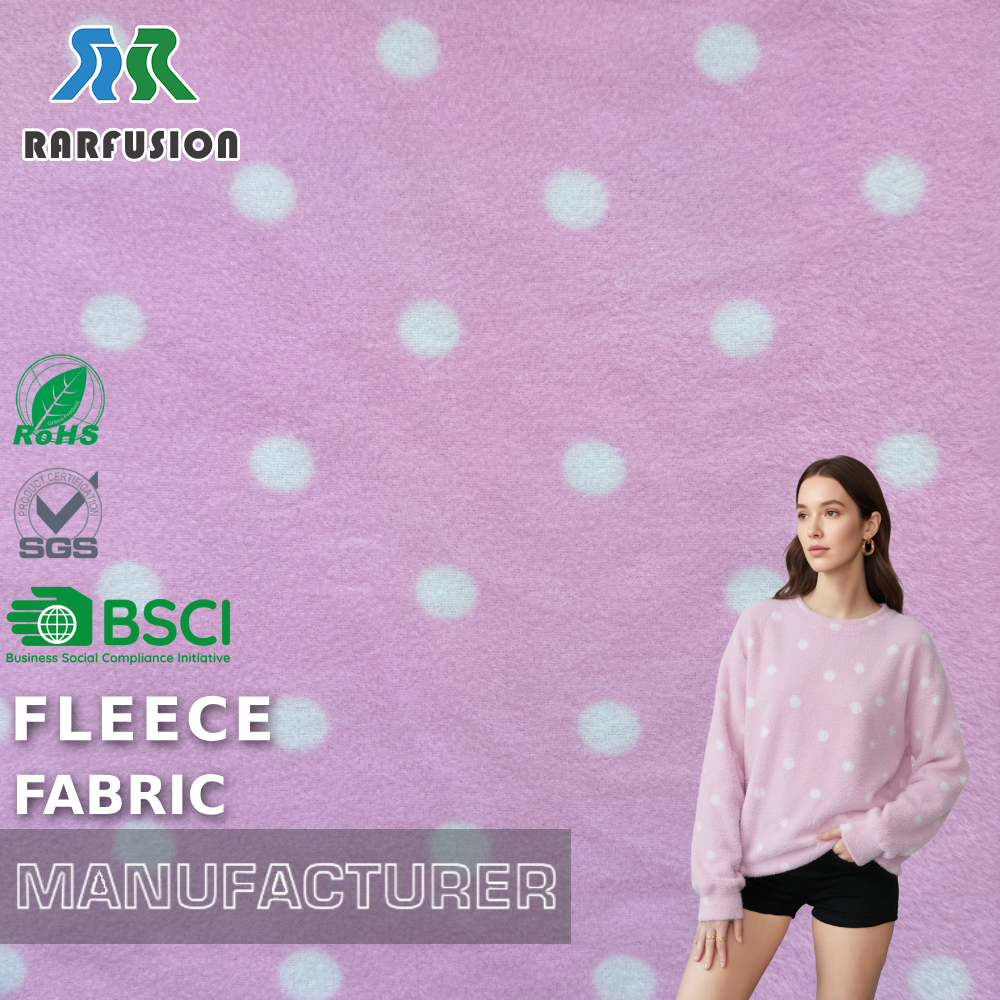
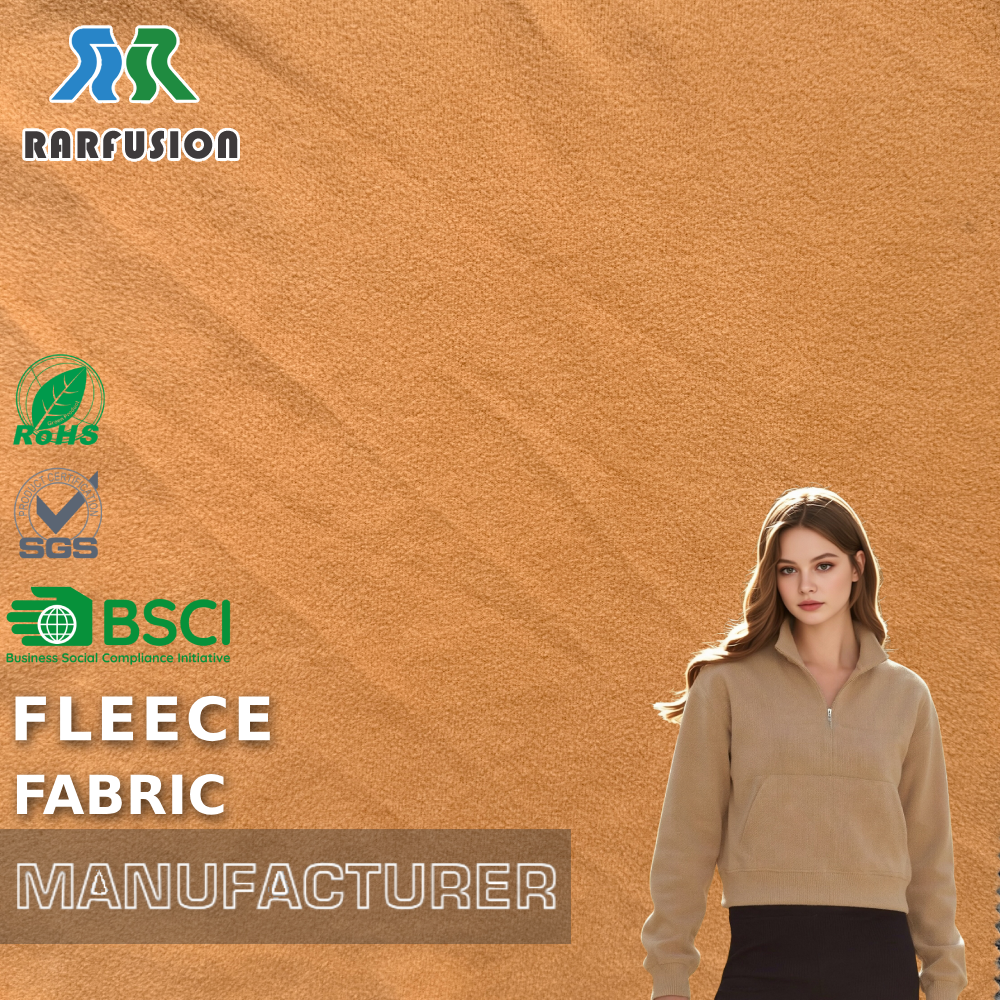
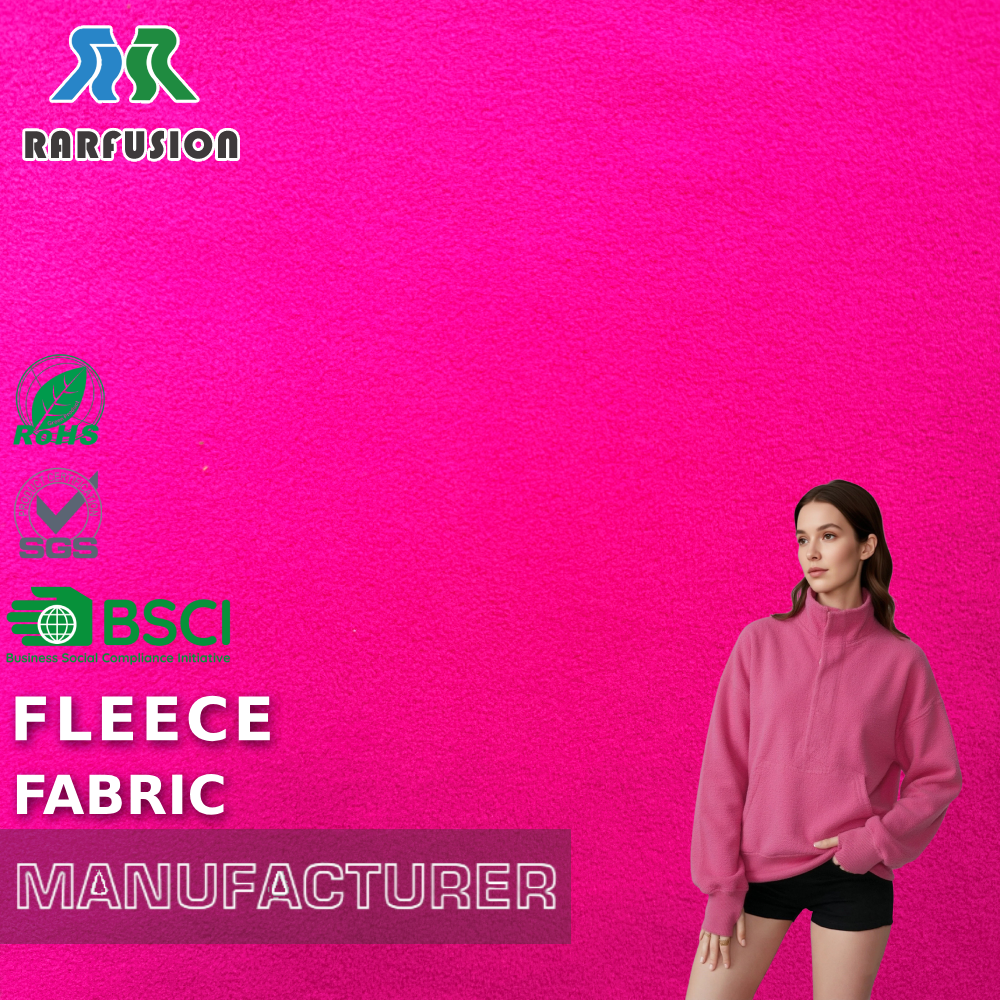
Key Specifications to Evaluate in Polar Fleece Products
When evaluating Rarfusion-made polar Sherpa Fleece products, several key specifications are crucial for determining their suitability for specific applications:
Thickness: This affects insulation properties. Thicker fleece provides more warmth but may be bulkier, while thinner options are lighter and more breathable
Weight: Measured in grams per square meter (GSM), weight indicates fabric density. Higher GSM typically means better insulation but can influence the fabric's drape and flexibility
Surface Texture: The finish of the fleece can vary from smooth to brushed. A brushed finish enhances softness but may require more maintenance to prevent pilling
Moisture Management: Look for fleece with moisture-wicking properties if the application involves physical activity. This feature helps keep the wearer dry by drawing moisture away from the skin
Durability: Check for specifications regarding resistance to wear and tear, as well as colorfastness, especially if the fabric will be subjected to frequent washing or outdoor conditions
Buyers should confirm these specifications with their suppliers to ensure that the fleece meets their performance requirements.