What is Polar Fleece Made Of? Material Insights

Get a Free Quote

Our representative will contact you soon.
Email
Name
Company Name
Message
0/1000

What is polar fleece made of

Polar fleece is a versatile fabric known for its softness, warmth, and lightweight properties. Understanding what polar fleece is made of is essential for B2B buyers who prioritize quality, functionality, and cost-effectiveness in their sourcing decisions. This article will explore the materials used in polar fleece manufacturing, key specifications to consider when choosing the fabric, reliable suppliers, cost factors, and tips for installation in various applications. 

Our Products

How to Evaluate the Quality of Polar Fleece Fabrics for Wholesale

When selecting polar fleece, several specifications must be considered to ensure the fabric meets the intended application requirements. 

Weight: Polar fleece is available in varying weights, typically measured in grams per square meter (GSM). A heavier fleece (300 GSM and above) provides more warmth, making it suitable for cold-weather applications, while lighter options (200 GSM and below) are ideal for layering or transitional seasons. 

Thickness: The thickness of the fleece affects its thermal insulation properties. Thicker fabrics tend to provide better warmth but may be bulkier, impacting their suitability for specific designs, such as fitted jackets versus loose outerwear. 

Pile Height: The pile height, or the length of the raised fibers, can influence the fleece's softness and thermal efficiency. A higher pile provides more insulation but may also require more care to maintain its appearance. 

Breathability: Depending on the application, breathability can be a crucial factor, especially for activewear. Fabrics with enhanced moisture-wicking properties help regulate temperature and keep the wearer comfortable. 

Durability: The fabric's durability is essential for products that will undergo frequent use or washing. Buyers should assess whether the fleece is treated for anti-pilling and UV resistance to ensure longevity. 

By considering these specifications, buyers can make informed decisions that align with their project's specific needs, ensuring optimal performance and satisfaction. 

Where to Find Reliable Suppliers of Polar Fleece Fabrics

Locating dependable suppliers for polar fleece fabrics is vital for maintaining quality and consistency in production. A few strategies to identify reliable manufacturers include: 

Industry Directories: Utilize B2B platforms like Alibaba, ThomasNet, or industry-specific directories that list verified manufacturers. These platforms often provide company profiles, product catalogs, and customer reviews. 

Trade Shows: Attending textile and fabric trade shows allows buyers to meet suppliers in person, inspect samples, and discuss specific requirements directly. Events such as the International Textile Fair or the Outdoor Retailer show can provide valuable networking opportunities. 

Referrals: Seeking recommendations from industry peers can lead to trustworthy suppliers with a proven track record. Professional networks and forums can also be sources of valuable insights regarding supplier reliability. 

Certifications: When evaluating potential suppliers, check for certifications that indicate adherence to quality standards, such as ISO 9001 or OEKO-TEX certification for non-toxic materials. 

Sample Evaluation: Before finalizing any supplier, request samples to assess the polar fleece fabrics quality, feel, and performance against your specifications. 

By employing these strategies, buyers can establish partnerships with suppliers who align with their quality and performance standards. 

Cost Factors to Consider When Purchasing Polar Fleece in Bulk

The cost of polar fleece can vary widely, influenced by several factors that buyers should consider: 

Material Type: As mentioned earlier, the choice between virgin and recycled polyester can significantly impact costs. While recycled options may have a higher initial price, they can offer long-term savings through sustainability benefits. 

Weight and Thickness: Heavier and thicker fabrics generally incur higher costs due to the increased material usage and production complexity. Buyers should balance the desired weight with budget constraints. 

Customization: Custom colors, prints, or finishes can increase the price of polar fleece. Buyers should clearly define their customization needs during initial discussions to receive accurate quotations. 

Minimum Order Quantities (MOQ): Many manufacturers have MOQs that can affect the overall cost. Understanding these requirements is essential for budget planning. Smaller orders may incur higher per-unit costs, while larger orders often benefit from economies of scale. 

Shipping and Logistics: Buyers should factor in shipping costs, especially if sourcing from overseas suppliers. Understanding lead times and potential duties or tariffs can help in budgeting and planning. 

By considering these cost factors, buyers can make informed decisions that align with their financial constraints while still meeting their quality requirements. 

Common Problems with Polar Fleece and Effective Solutions

When incorporating polar fleece into your projects, proper installation techniques can enhance the overall quality and performance of the final product: 

Pre-Washing: Before cutting and sewing, pre-wash the lightweight polar fleece fabric to remove any finishing chemicals and to allow for shrinkage. This step is vital to ensure that the final product maintains its dimensions and appearance after washing. 

Cutting Techniques: Use sharp rotary cutters or fabric scissors to achieve clean edges when cutting polar fleece. This minimizes fraying and ensures precise shapes for patterns. 

Sewing Considerations: Employ a walking foot or a Teflon foot on your sewing machine to handle the fabric's thickness effectively. Use appropriate needle types, such as ballpoint needles, to prevent snags and ensure smooth stitching. 

Seam Finishing: Depending on the final application, consider using serged seams or bias tape to finish edges. This provides a professional appearance and enhances durability, especially for items subjected to wear and tear. 

Maintenance Guidance: Provide care instructions to end-users, emphasizing gentle washing and drying techniques. This will help prolong the life of the fabric and maintain its appearance. 

By following these installation tips, manufacturers and product developers can ensure optimal performance and longevity of polar fleece in their applications. 

What is Polar Fleece Made Of? Understanding Material Composition

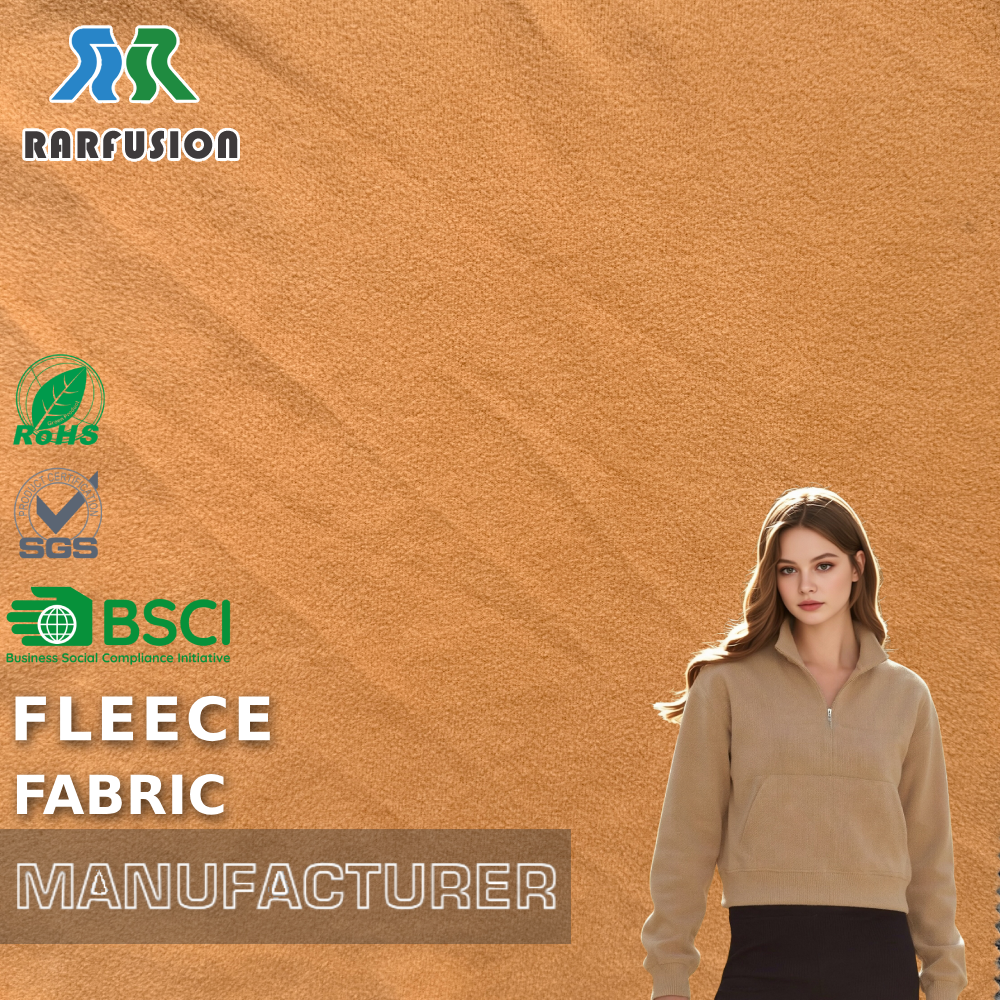
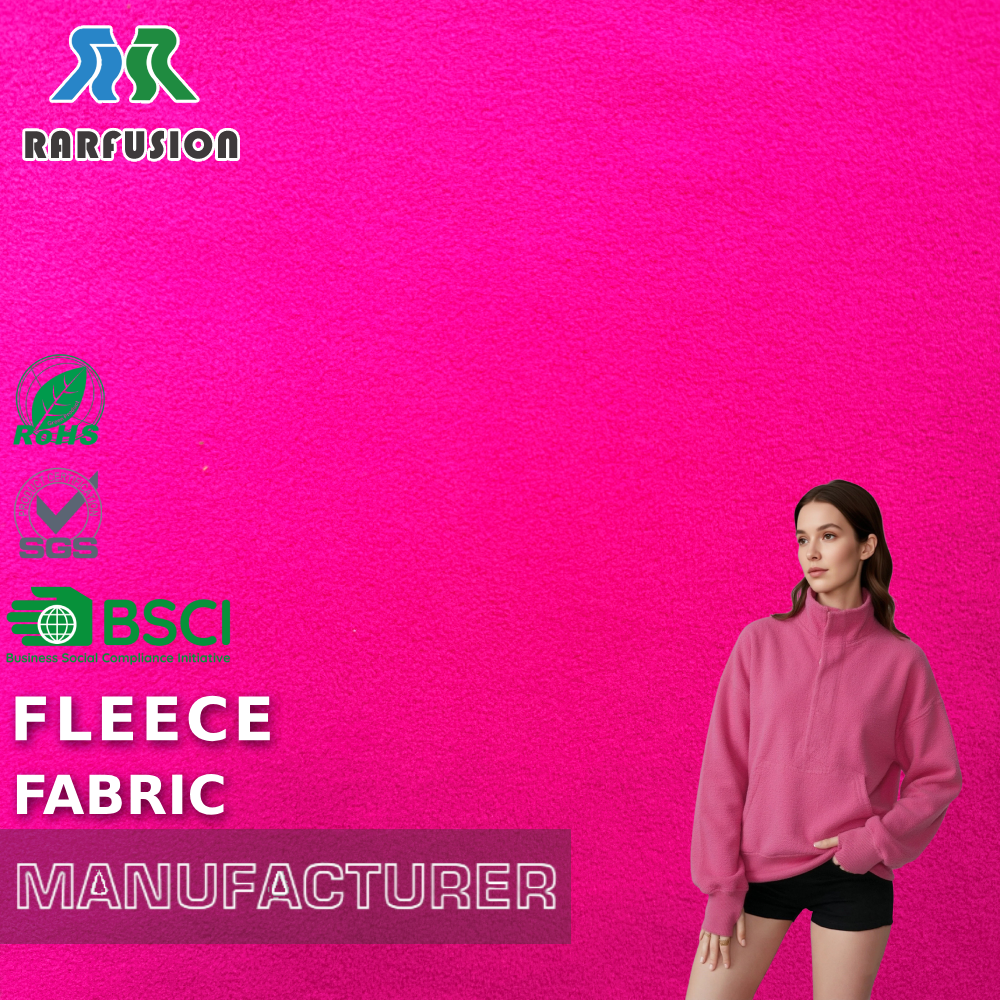
Polar fleece is primarily made from polyester, a synthetic fiber derived from petroleum. The manufacturing process begins with the production of polyester fibers, which are then spun into yarn. 

The two main types of polyester used in polar fleece production are virgin polyester and recycled polyester. Virgin polyester offers durability and resilience, while recycled polyester often sourced from PET bottles provides an eco-friendly alternative that appeals to environmentally conscious buyers. 

In addition to polyester, additives can be incorporated into the polar fleece to enhance specific properties. For example, anti-pilling agents can be added to improve the fabric's longevity and appearance over time, while moisture-wicking treatments can increase comfort in active wear applications. 

Why choose Rarfusion What is polar fleece made of

Complete production chain

Flannel cloth is a method of transferring the essence of fleece fabric from yarn to finished fabric. Knitted brand dreams. Innovations and technological advancements are what we strive to achieve. We strive to provide our customers with products that are stylish, more comfortable, and higher quality.

Own finished fabric warehouse

Automatization mechanization and informatization can increase the efficiency of Flannel fabric by the yard and make fabric handling warehouses more efficient and transparent Free warehousing can alleviate customer shipping and overseas warehousing pressures

Good after-sales service

Our team of support specialists is dedicated to helping our customers even after the purchase We believe that Flannelette cloth after-sales support builds lasting relationships with our customers and improves their overall experience with our products We're always ready to answer your questions

Rich production experience

Rarfusion International Trade Co., Ltd. was founded in the year 2010. With more than ten years of experience in Needle flannel research and development, manufacturing and selling, our business is equipped with the latest technology, equipment, full production, sales, and supply with a annual production of 10 million kilograms. Our products are highly sought-after at home and overseas and have a great image and popularity in the industry.

Our Blog Posts

The history of polar fleece fabric: from climbing gear to the fashion mainstream

29

May

The history of polar fleece fabric: from climbing gear to the fashion mainstream

In contrast, polar fleece fabric is a very popular fabric that people like to wear. It is soft, warm, and cozy and is great for keeping you comfy when it is cold. But do you know how polar fleece fabric originated and how it gained much pop...
View More
Knit Fabric vs Woven Fabric: Key Differences Explained

21

Nov

Knit Fabric vs Woven Fabric: Key Differences Explained

Knit fabric and woven fabric are two types of cloth we use regularly in our daily lives. They may look somewhat similar at first, but they are constructed very differently and behave distinctly from one another. Knitting with the ribbing technique in...
View More
Faux Fur Fabric for Toys and Plush Dolls: Softness Meets Safety

15

Jan

Faux Fur Fabric for Toys and Plush Dolls: Softness Meets Safety

Every kids loves  a soft and cuddy toys so the best for them are the Rafusion's fake fur fabrics because it has  a soft and safety texture for kids, it just look like  exactly like a real fur but it is made without using animal fur&nbs...
View More
Lightweight vs Heavyweight Polar Fleece: Which One to Choose?

15

Jan

Lightweight vs Heavyweight Polar Fleece: Which One to Choose?

One of the favorite fabrics that keep an individual warm and cozy is polar fleece. But in selecting polar fleece, there are two main types: lightweight and heavyweight. Each has its pros and cons, uses and abuses. Deciding between them can be difficu...
View More

Get a Free Quote

Our representative will contact you soon.
Email
Name
Company Name
Message
0/1000

Get a Free Quote

Our representative will contact you soon.
Email
Name
Company Name
Message
0/1000
because focus so professional.

Copyright © Rarfusion (Shaoxing) International Trade Co., Ltd. All Rights Reserved  -  Privacy Policy