Flannel fabric is a soft, warm textile commonly used in clothing and home textiles. When considering what cotton flannel fabric is made of, it’s essential for B2B buyers, such as purchasing managers and product developers, to understand the material composition, specifications, and manufacturing processes involved. This article will provide an in-depth look at flannel fabric, helping you make informed decisions regarding your sourcing and purchasing requirements.

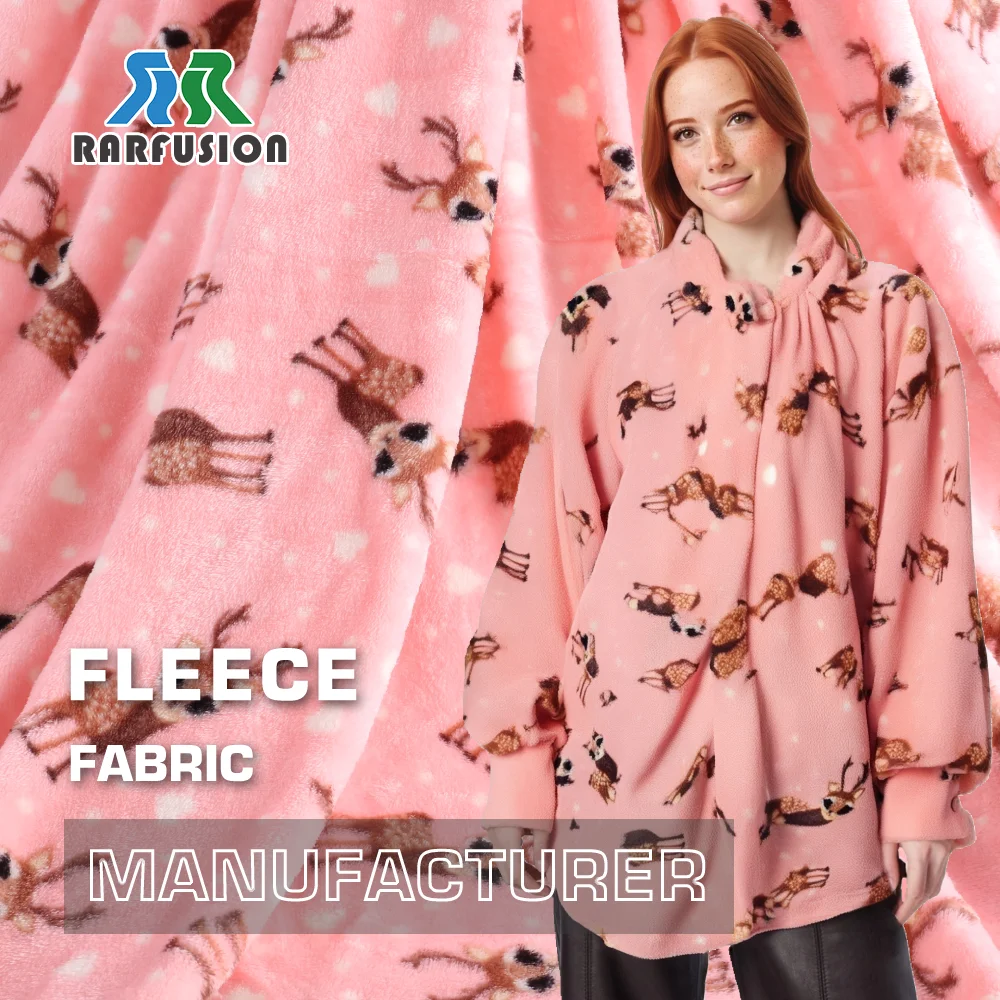
Key Specifications to Consider When Choosing Flannel Fabric
When selecting flannel fabric, several key specifications must be considered to ensure you meet your project requirements.
Weight: Flannel is available in various weights, typically measured in grams per square meter (GSM). Lighter weights (around 150-200 GSM) are suitable for shirts and lightweight blankets, while heavier flannels (over 200 GSM) are ideal for winter wear and thicker blankets.
Width: Standard flannel widths can range from 36 to 60 inches. Depending on your end product, confirming the width is essential to minimize waste and optimize cutting layouts.
Finish: The fabric finish affects texture and appearance. Flannel can be brushed on one or both sides, impacting softness and warmth. Some finishes may also add water resistance or stain repellency.
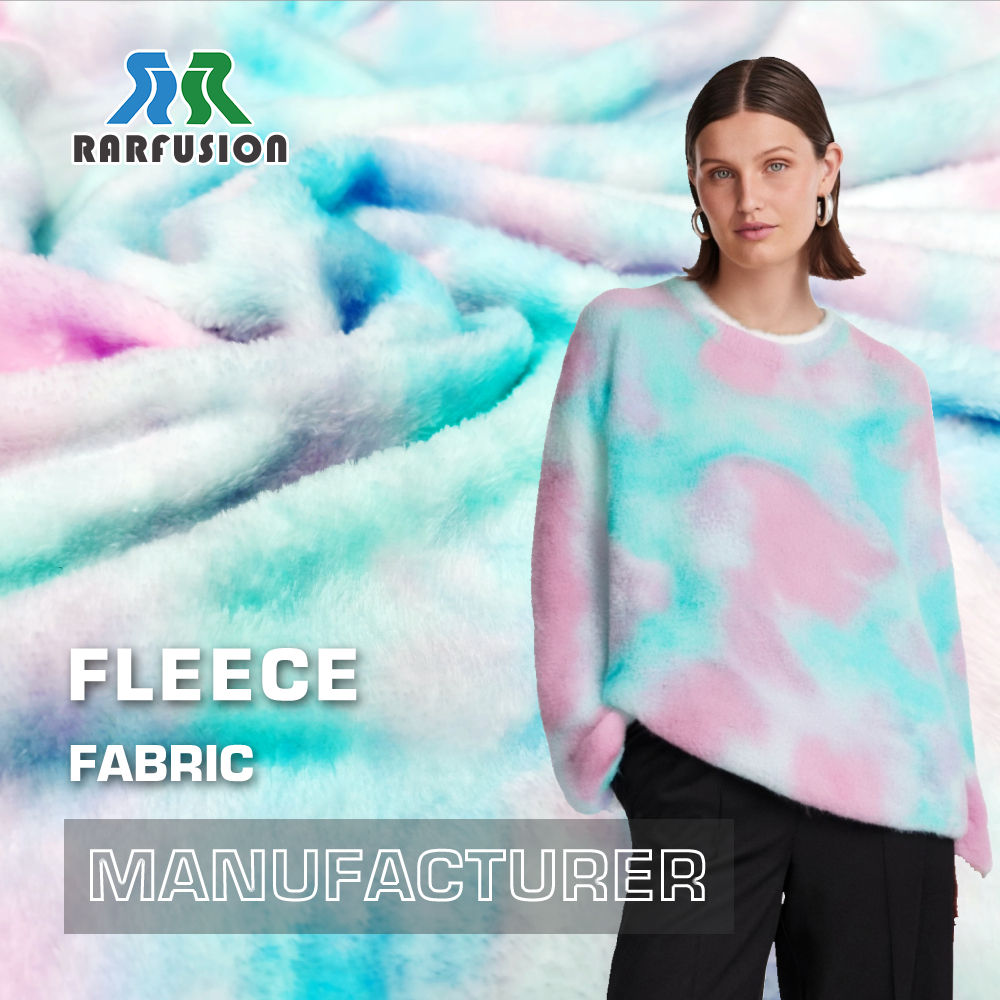
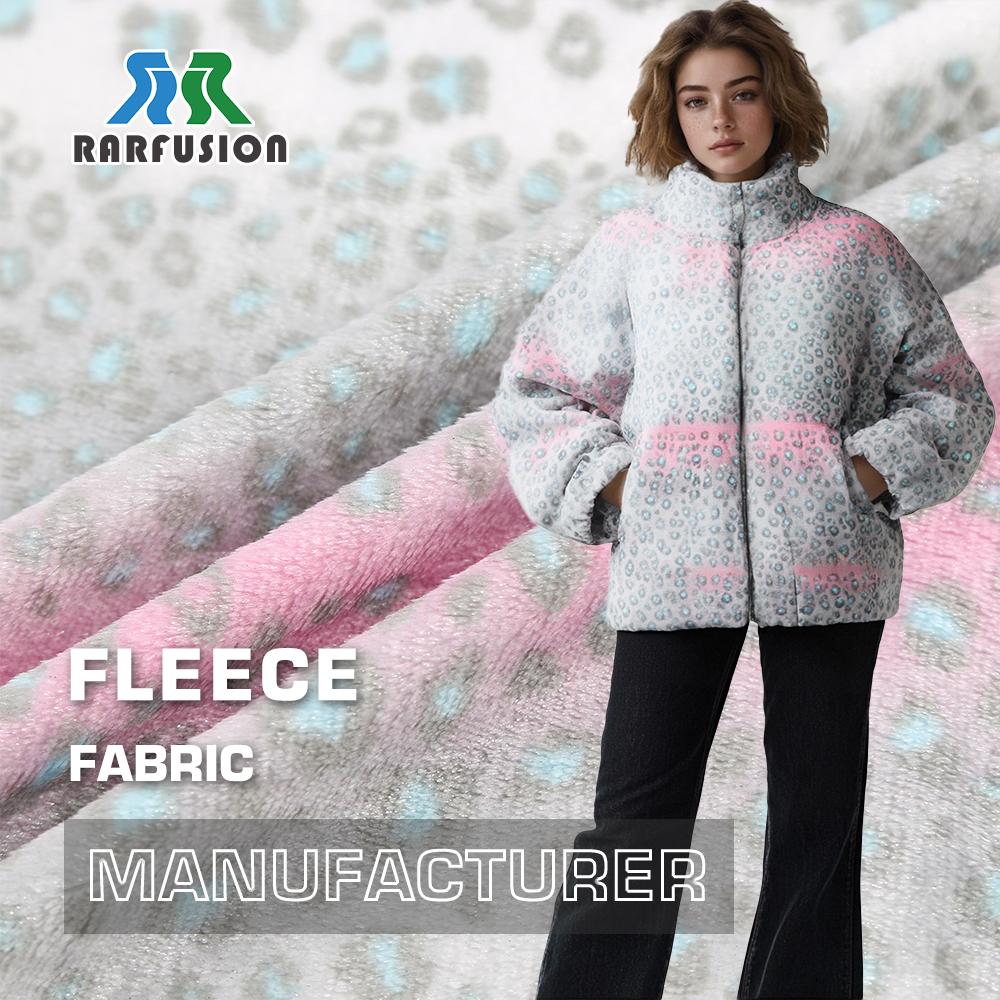
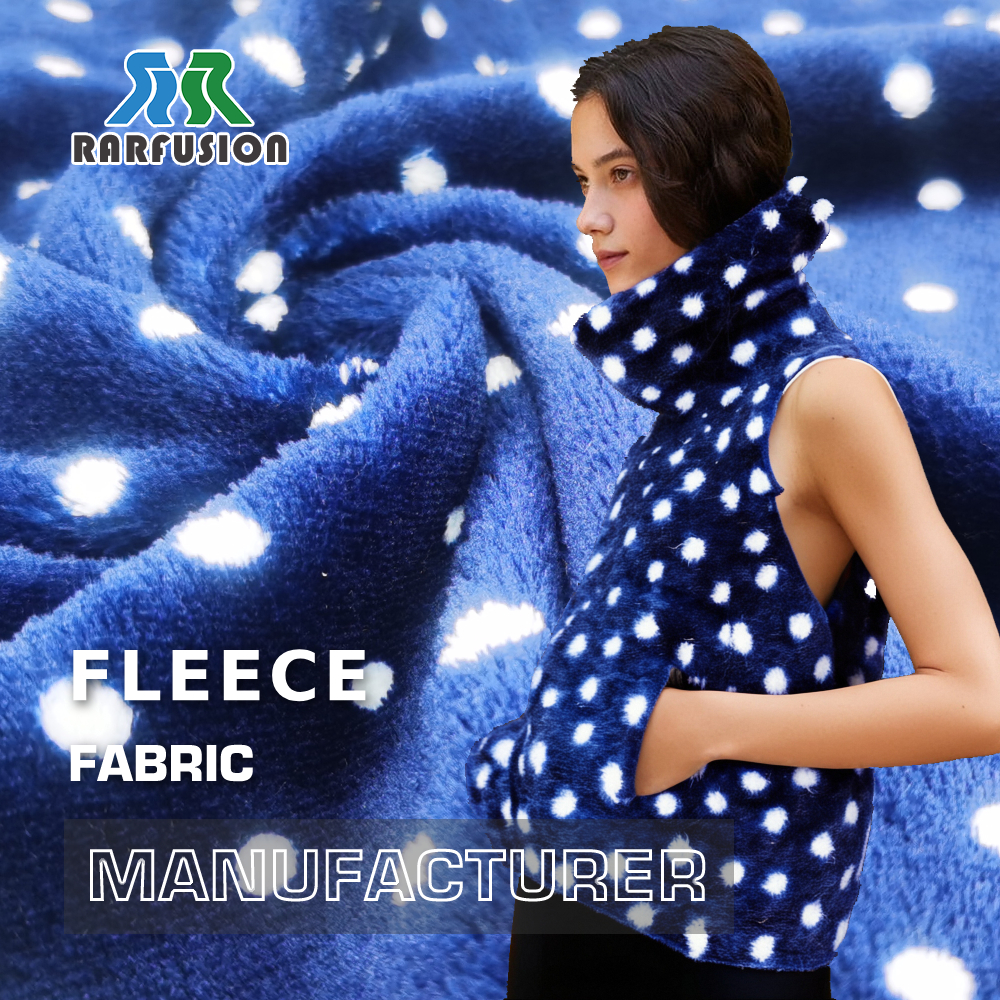
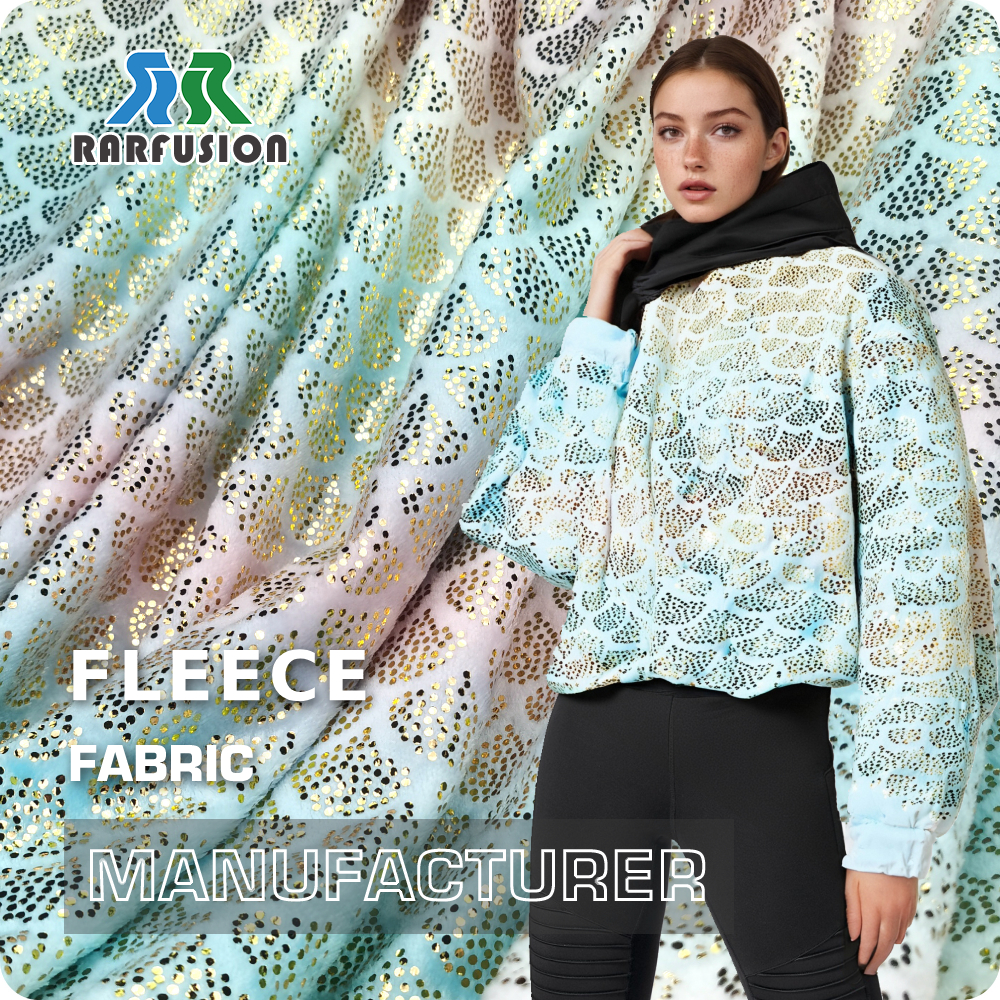
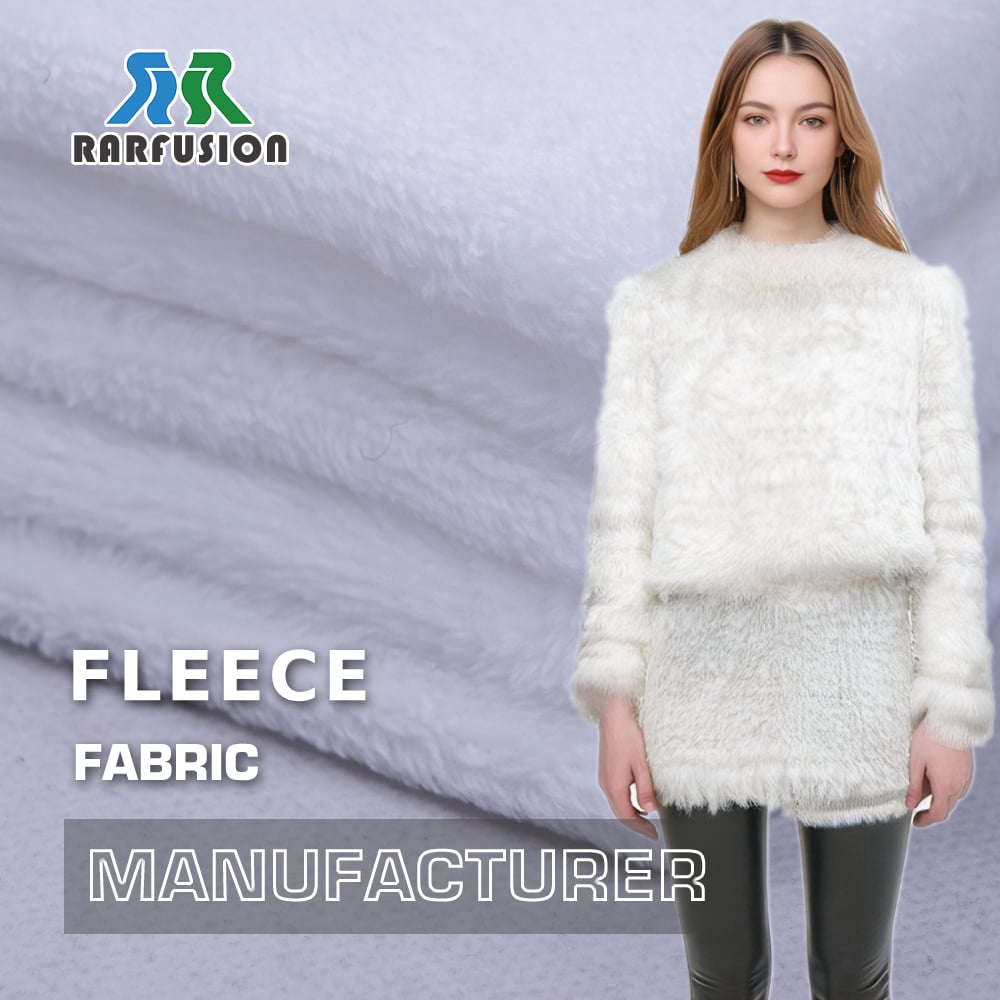
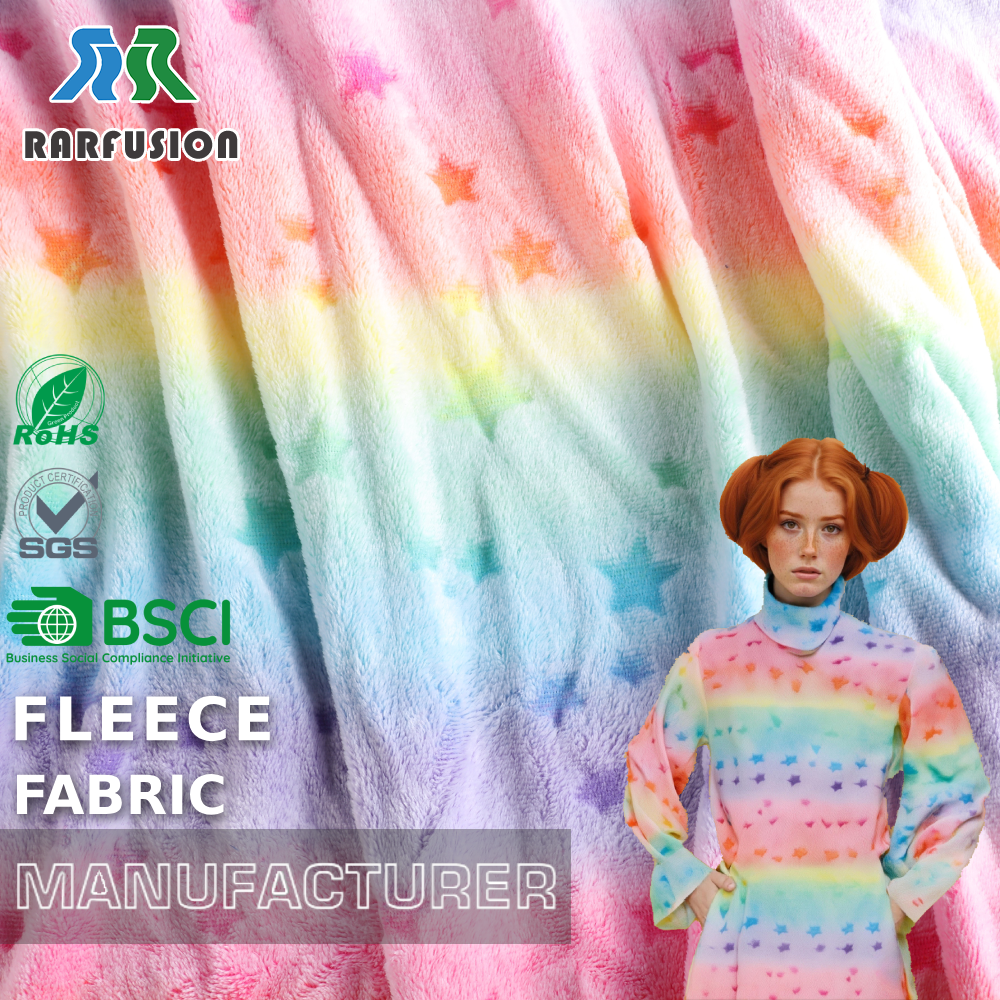
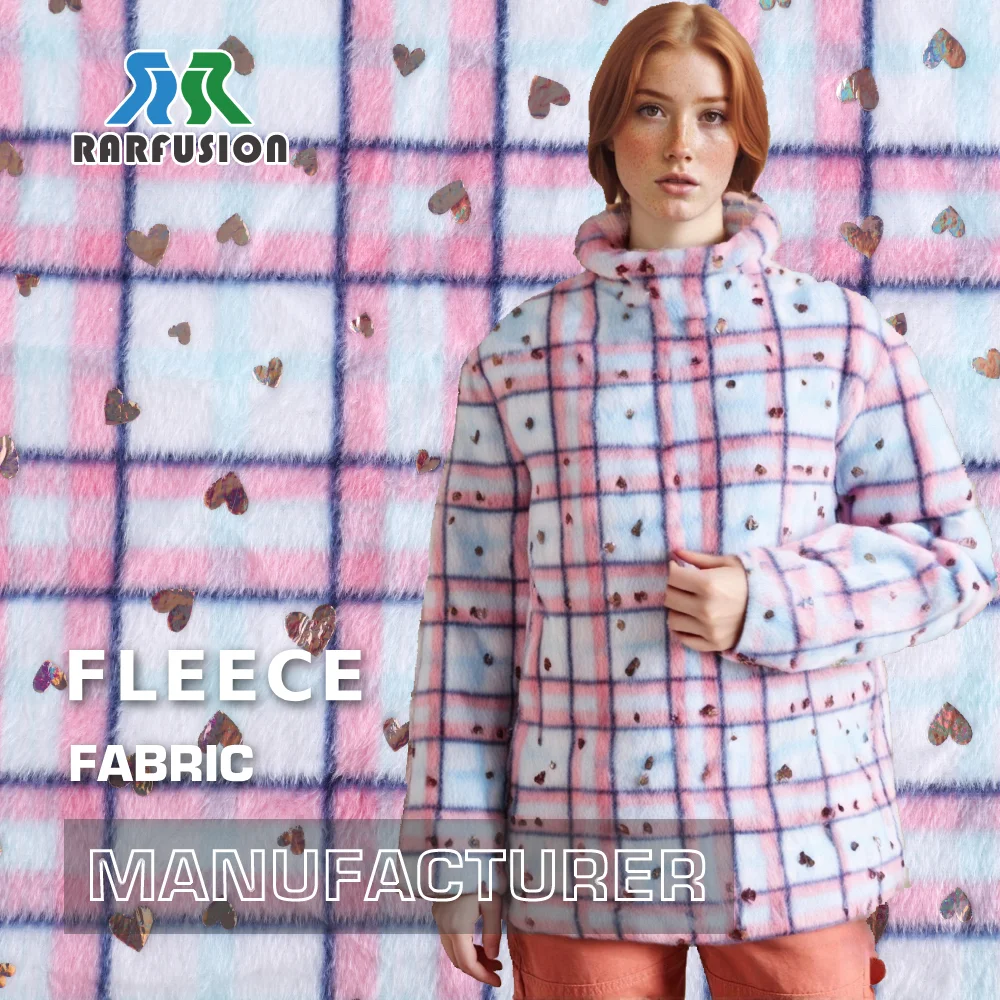
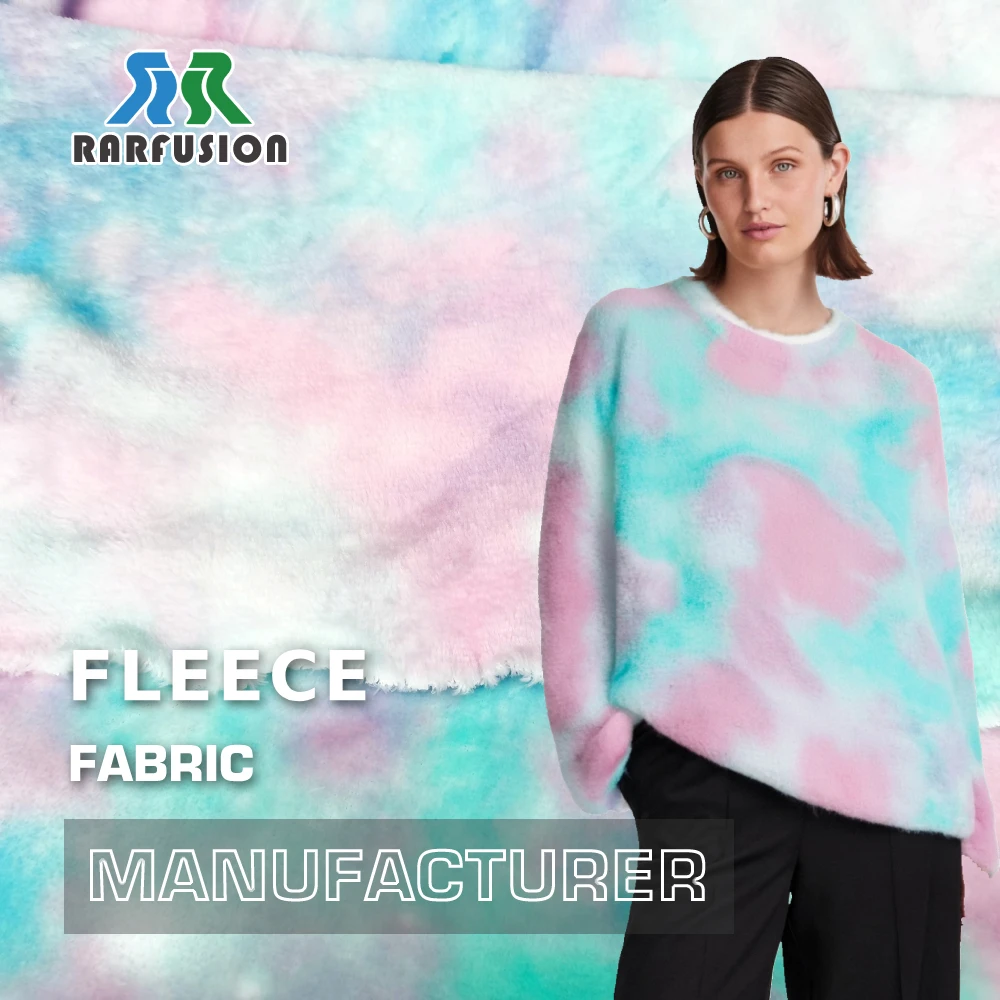
Color and Pattern: Flannel fabric comes in various colors and patterns, from solid colors to classic plaids. Choosing a pattern can influence the fabric’s application and target market.
Buyers should carefully evaluate these specifications based on the intended use of the fabric to ensure they select the correct type for their needs.