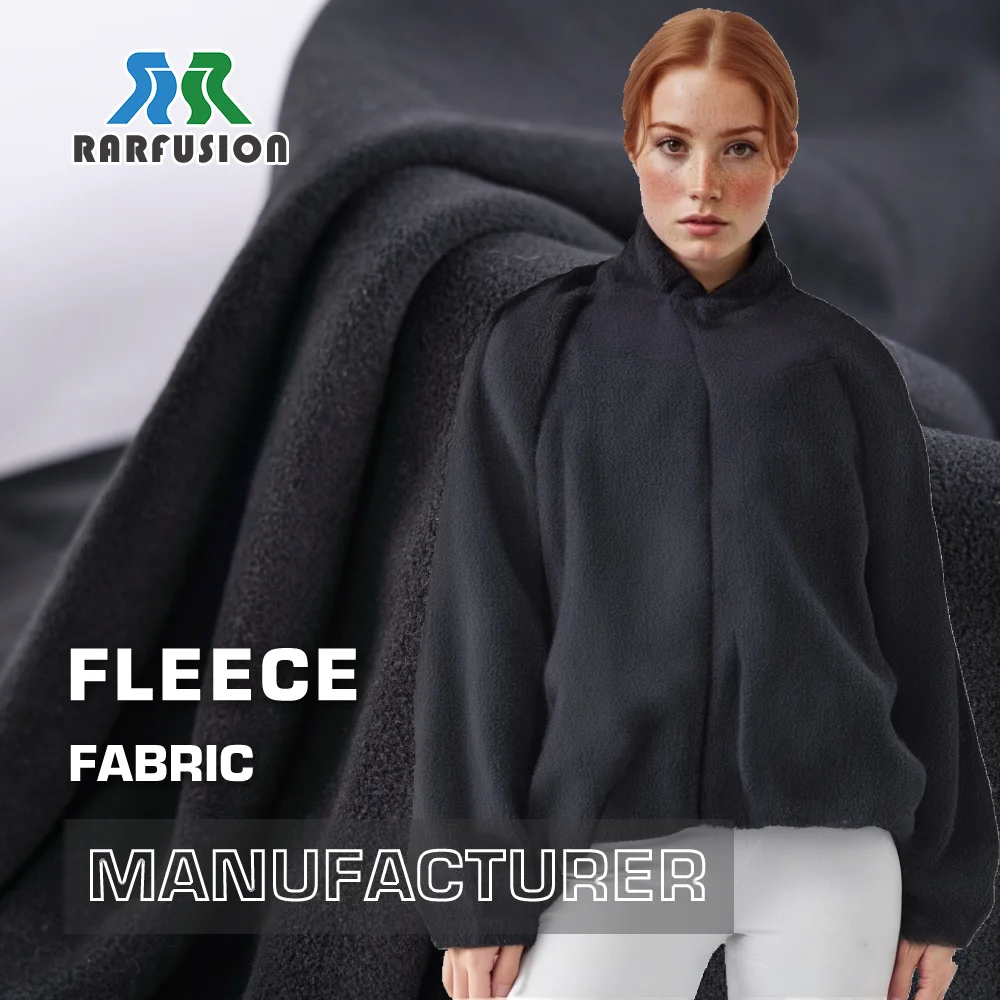
Choosing the right textile manufacturer for fleece fabrics can significantly impact your product quality and overall business success. Fleece fabrics are widely used in various applications, from apparel to home textiles, and selecting the right supplier is crucial for achieving the desired balance of comfort, durability, and cost-effectiveness. , we will explore key considerations for wholesale fleece fabric procurement, including selection criteria, specifications, cost factors, installation guidance, and options available in the market.


Key Specifications to Evaluate When Sourcing Fleece Fabrics
When sourcing fleece fabrics, several key specifications should be evaluated to ensure they meet your project's requirements. These include:
Material Composition: Most fleece fabrics are made from polyester, which provides excellent insulation and moisture-wicking properties. Some may also incorporate blends with cotton or other materials for added comfort and durability.
Weight and Thickness: Fleece weight is typically measured in grams per square meter (GSM). A heavier GSM indicates a thicker fabric, which offers more warmth. Depending on your application, confirm the appropriate GSM that balances warmth with usability.
Pilling Resistance: Fabrics with a high pilling resistance maintain their appearance and durability over time, making them suitable for high-usage applications. Request test results or certifications indicating the fabric's pilling resistance.
Color Fastness: Ensure that the fleece fabric can withstand washing and exposure to sunlight without fading. This is particularly important for products that will see regular use.
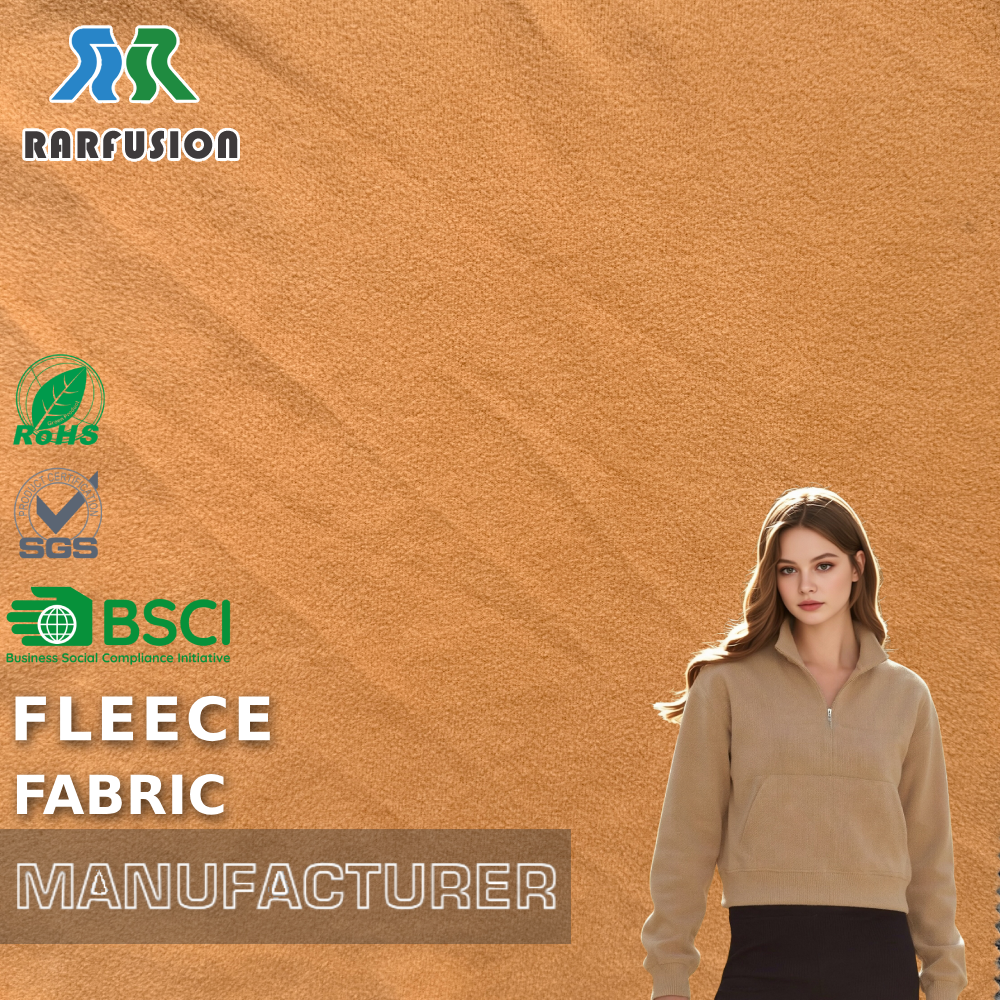
Certification and Compliance: Verify that the fleece fabrics comply with relevant safety and environmental standards, such as OEKO-TEX certification, to assure that they are free from harmful substances.
By assessing these specifications, you can ensure that the fleece fabrics you source will meet your quality standards and customer expectations.