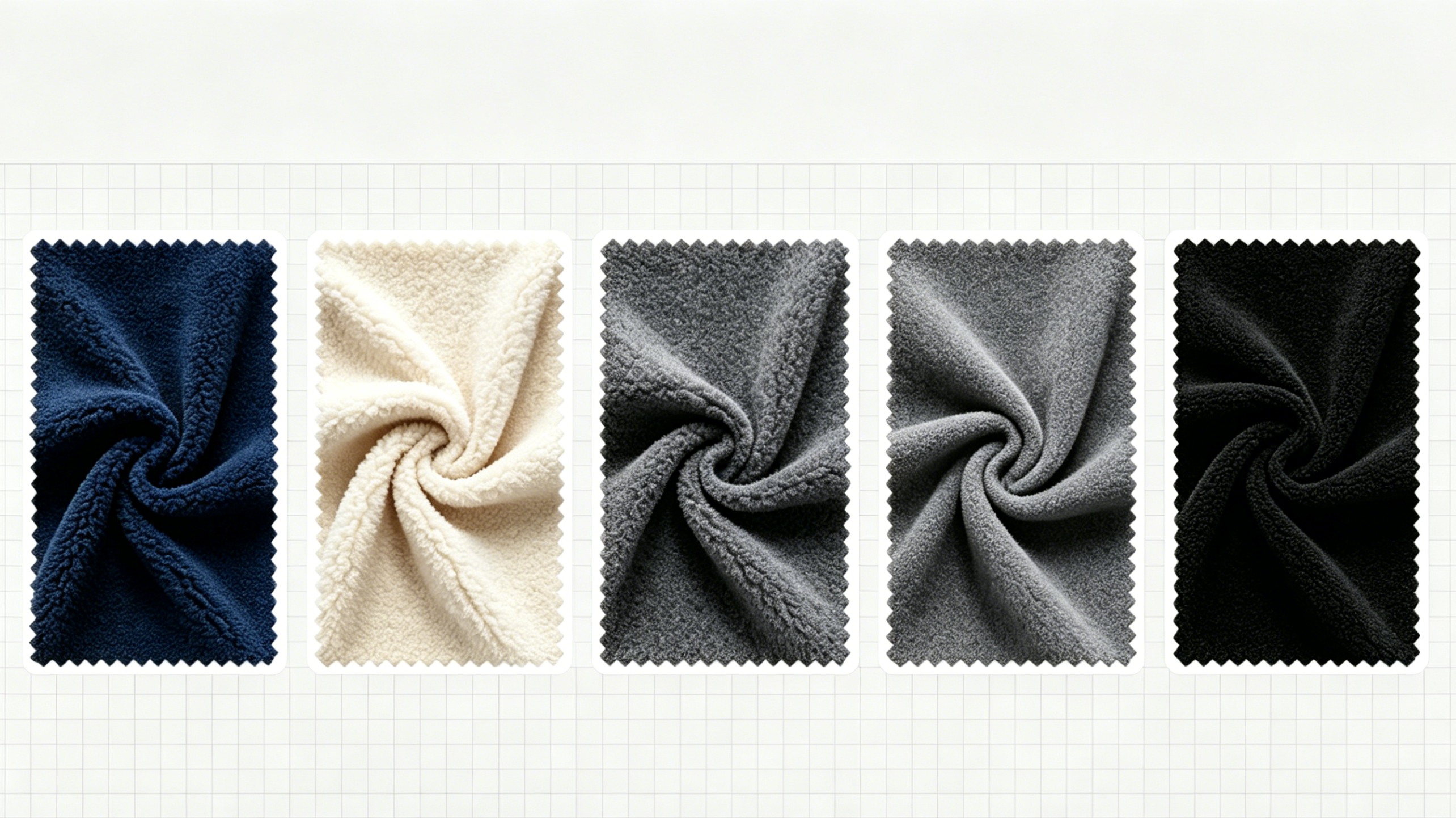
Teddy bear fabric, known for its plush and comforting texture, is a popular choice in various applications, from toy manufacturing to clothing and home décor. For businesses seeking to source teddy bear fleece, understanding product specifications, supplier capabilities, and cost factors is essential. This article provides insights into evaluating teddy bear fabrics, comparing suppliers, addressing common issues, and sourcing reliable materials, enabling purchasing managers and product developers to make informed decisions.

How to Compare Teddy Bear Fabric Suppliers for Your Projects
Comparing Rarfusion teddy bear fabric suppliers requires a systematic approach to ensure you choose a partner that meets your specific needs.
Production Capabilities: Evaluate the supplier's production capabilities, including their technology and equipment. Suppliers with advanced machinery are more likely to produce high-quality fabrics consistently.
Customization Options: Consider whether the supplier offers customization in terms of fabric design, color, and texture. This flexibility can be crucial if you have specific branding or product requirements.
Lead Times and MOQ: Assess the supplier’s lead times for bulk orders and their minimum order quantities (MOQ). Reliable suppliers should provide clear timelines that align with your production schedule and reasonable MOQs that suit your business size.
Quality Control Processes: Inquire about the supplier's quality control measures. A thorough quality inspection process minimizes defects and ensures that the fabric meets your specifications consistently. Ask for documentation of their quality assurance processes.
Reputation and References: Research the supplier’s reputation within the industry. Collect references from other businesses that have worked with them, especially those in your sector. Reviews and testimonials can provide insights into the supplier's reliability and product quality.
By carefully evaluating these factors, you can select a supplier that aligns with your project goals and quality expectations.