Key Specifications of Spandex Fabric for Buyers

Get a Free Quote

Our representative will contact you soon.
Email
Name
Company Name
Message
0/1000

Spandex fabric

Spandex fabric is a versatile and elastic material widely used in various applications, from clothing to upholstery. B2B buyers, such as purchasing managers and product developers, often face challenges when selecting the right spandex fabric, including quality concerns, cost considerations, and application suitability. This article aims to provide essential insights into spandex fabric, helping buyers make informed decisions throughout the sourcing process. 
Our Products

How to Evaluate the Quality of Spandex Fabric Products

Evaluating the quality of spandex fabric is crucial for ensuring it meets performance exp ectations. Here are some practical steps buyers can take: 

Sample Approval: Before placing a bulk order, request samples of the spandex fabric. This allows you to assess the fabric's elasticity, texture, and overall appearance. Ensure the sample reflects the final production quality. 

Testing: Perform physical tests on the samples, such as stretch tests and colorfastness tests. Stretch tests should confirm the fabric maintains its shape after repeated stretching, while colorfastness tests verify resistance to fading when exposed to light or washing. 

Quality Inspection: During production, implement a quality control process to monitor the fabric's consistency. Regular inspections can help identify defects early, reducing the risk of receiving subpar materials. 

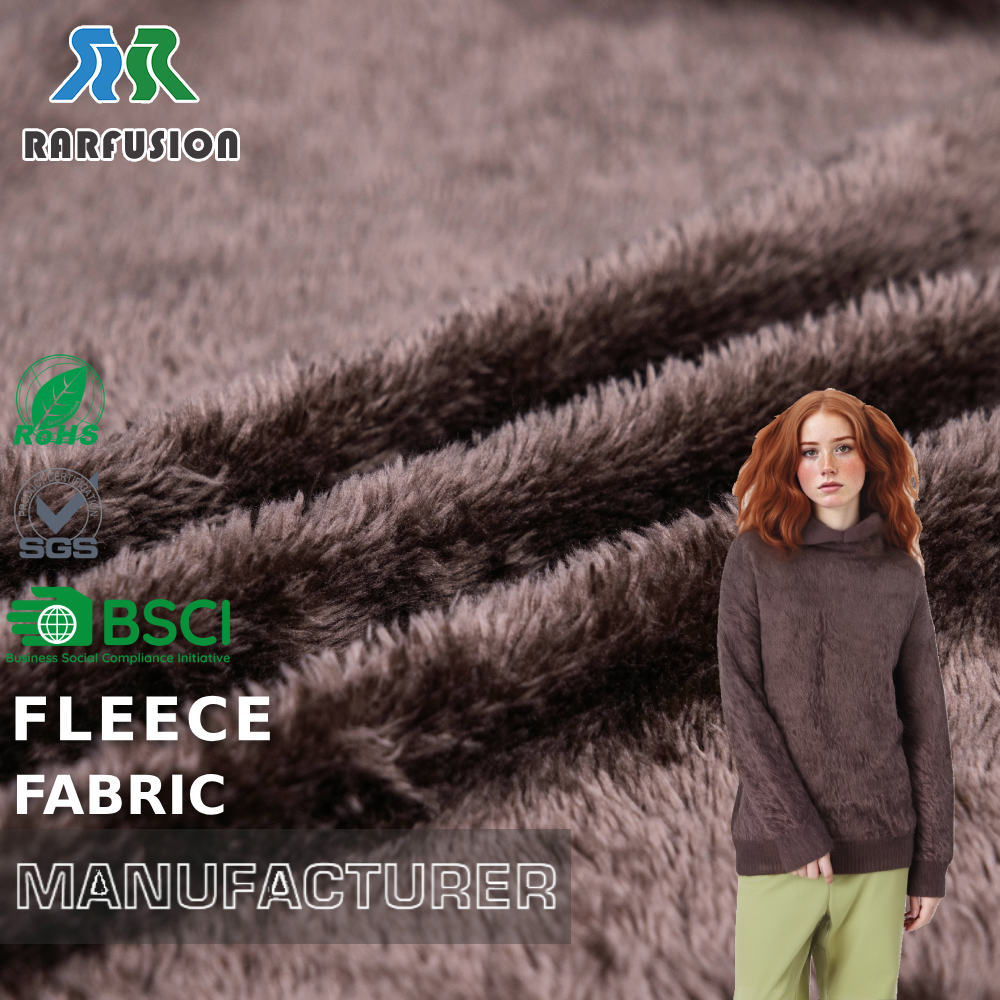
Supplier Reputation: Evaluate potential suppliers based on their manufacturing capabilities, experience, and customer feedback. A reputable supplier like Rarfusion International Trade Co., Ltd., which specializes in high-quality fleece fabrics, can enhance your confidence in the sourcing process.  

By following these evaluation steps, buyers can ensure they select high-quality spandex fabric that meets their specific application needs.  
Cost Factors to Keep in Mind When Sourcing Spandex Fabric

Several cost factors influence the pricing of spandex fabric, which buyers should carefully consider: 

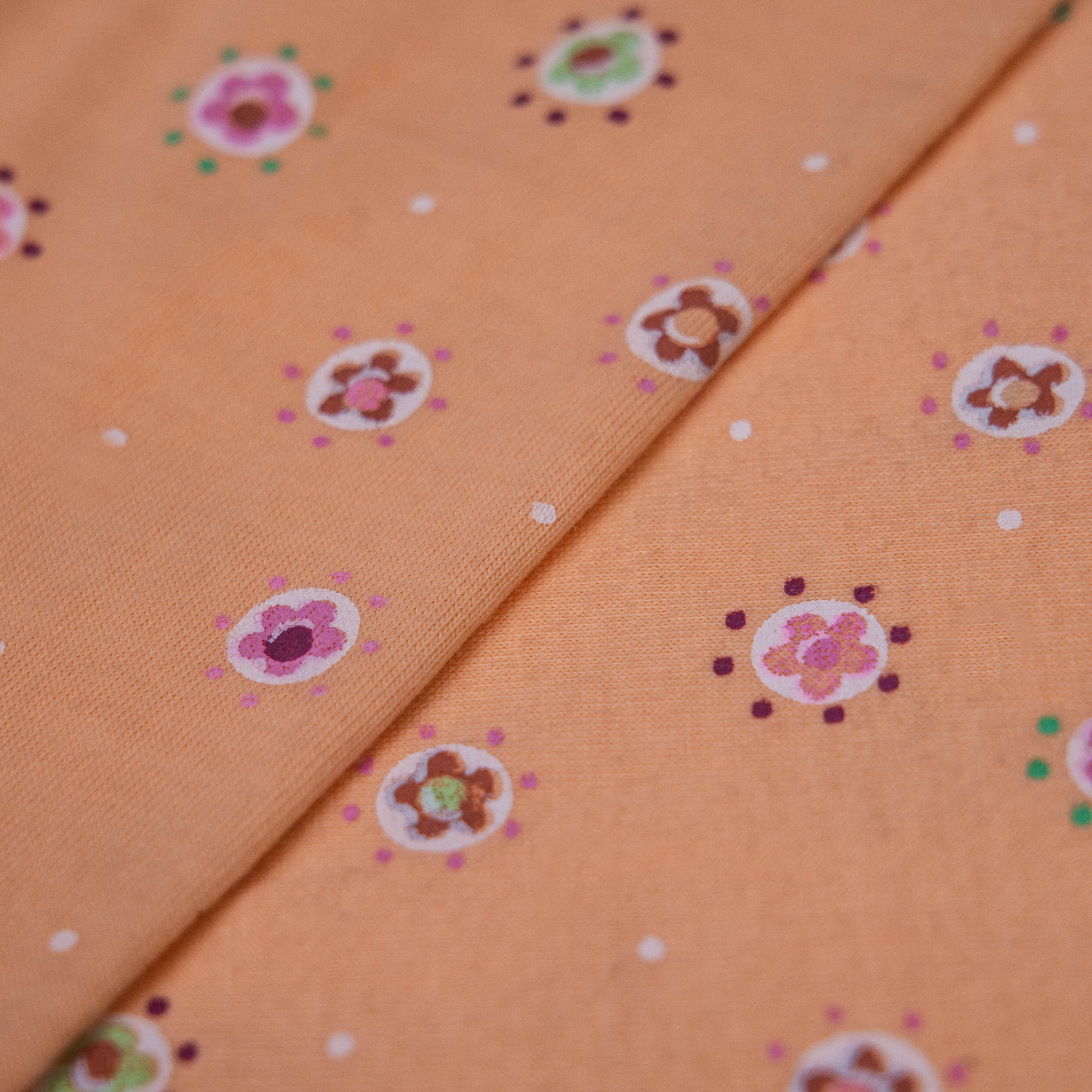
Material Composition: The blend of fibers used in the jersey fabric significantly affects its cost. Higher-quality materials or specialized blends that offer unique properties may result in higher prices. 

Production Volume: Manufacturers often provide tiered pricing based on order quantities. Higher volume orders may qualify for discounts, making it essential to assess your projected needs accurately. 

Customization Requirements: Custom colors, patterns, or specific finishes may incur additional costs. Clearly outline your requirements to obtain accurate quotations from suppliers. 

Shipping and Logistics: Factor in the costs associated with shipping, customs duties, and potential tariffs when importing spandex fabric from overseas manufacturers. Understanding these costs can help you budget more effectively. 

Lead Time: Faster production or delivery times may come at a premium. Consider your project timelines and whether expedited services are necessary. 

By understanding these cost factors, buyers can make more informed decisions and manage their budgets effectively when sourcing spandex fabric. 

Installation Guidelines for Spandex Fabric in Projects

Proper installation of spandex fabric is essential to achieving the desired performance and aesthetic outcomes. Here are some guidelines for successful installation: 

Pre-Washing: Before installation, pre-wash the spandex fabric to remove any finishing chemicals and to pre-shrink it. This step ensures the fabric behaves predictably during usage. 

Cutting: Use sharp fabric scissors or a rotary cutter to ensure clean edges. Avoid pulling or stretching the fabric while cutting, as this can lead to uneven edges and affect the final fit. 

Sewing Techniques: Employ stretch stitches or serger methods when sewing spandex fabric to maintain its elasticity. Standard straight stitches may cause the seams to break when the fabric is stretched. 

Finishing Edges: To prevent fraying, finish the edges of the fabric with a zigzag stitch or bias tape. This step is particularly important for garments that will experience significant movement. 

Final Inspection: After installation, inspect the finished product for any defects, such as uneven seams or improper fit. This final check is crucial to ensure quality before the product is delivered or used. 

Following these installation guidelines can enhance the performance and longevity of projects involving spandex fabric. 

Common Problems with Spandex Fabric and Effective Solutions

Despite its versatility, spandex fabric can present some challenges. Here are common problems and effective solutions: 

Pilling: This occurs when fibers break and form small balls on the fabric surface. To minimize pilling, choose high-quality spandex blends with tighter weaves and consider using a fabric shaver to remove any existing pills. 

Color Fading: Spandex fabrics can fade over time, especially when exposed to sunlight. To combat this, consider UV-resistant treatments or fabrics blended with UV-blocking fibers. Proper washing techniques, such as cold water washing and line drying, can also help maintain color vibrancy. 

Loss of Elasticity: Over time and with improper care, spandex may lose its stretch. To extend the life of the jersey cloth fabric, avoid high-heat drying and opt for gentle washing methods. Always follow the manufacturer’s care recommendations. 

Seam Breakage: If the seams of garments made with spandex fabric break, it may be due to incorrect sewing techniques or insufficient seam allowances. Ensure that the sewing process accommodates the fabric’s stretch characteristics and provides ample seam allowance. 

By being aware of these common problems and their solutions, buyers can mitigate issues and ensure the longevity and performance of their spandex fabric products. 

Key Specifications of Spandex Fabric for Wholesale Buyers

When sourcing spandex fabric, several key specifications should be considered to ensure it meets the intended application requirements. The most notable specifications include: 

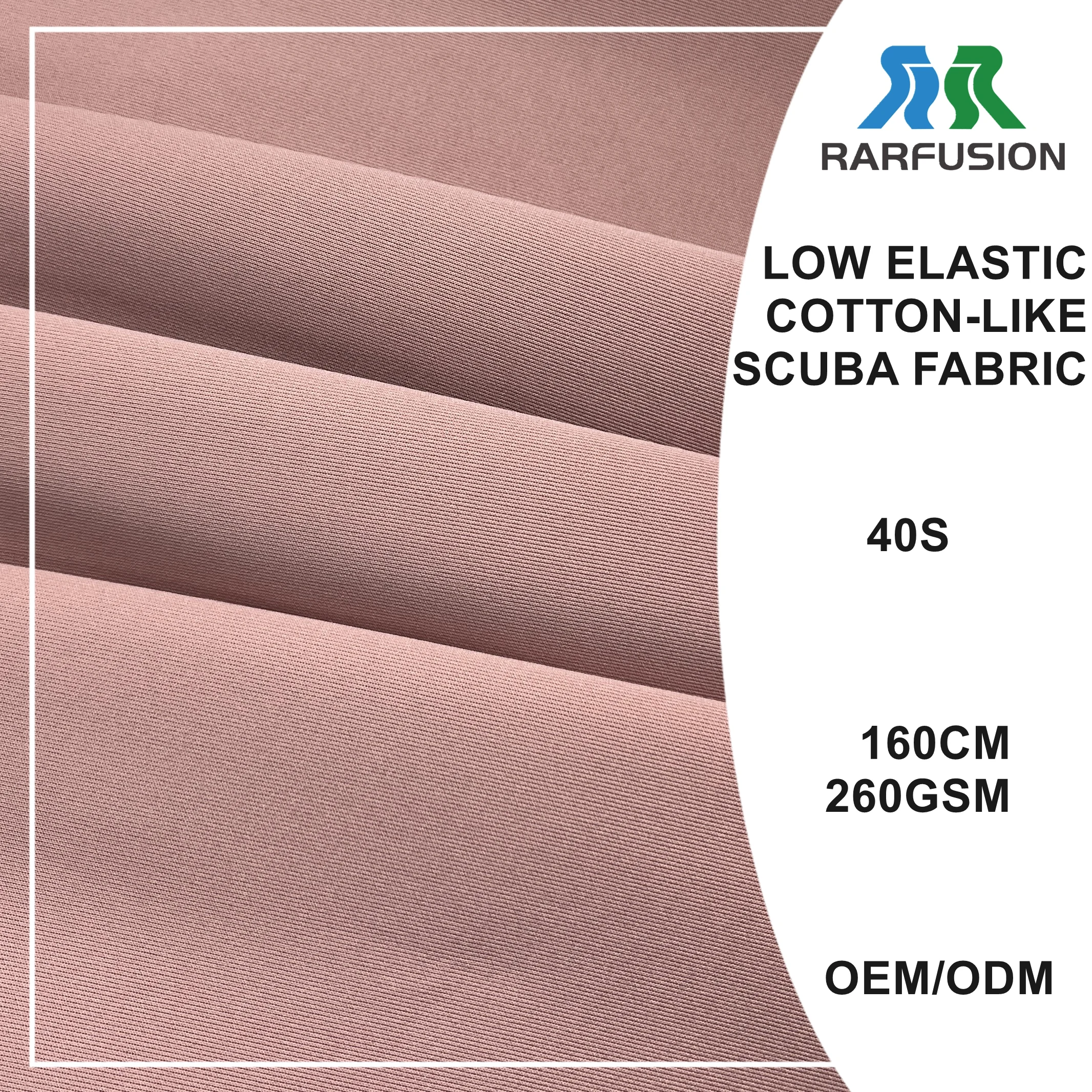
Elasticity: Spandex fabric is known for its exceptional stretchability, typically ranging from 20% to 800% of its original length. This characteristic is crucial for applications requiring flexibility, such as activewear and swimwear. 

Composition: Most spandex fabrics are blended with other fibers, such as cotton, polyester, or nylon. The blend ratio can significantly affect the fabric's performance characteristics, including breathability, durability, and comfort. 

Weight and Thickness: The spandex jersey fabric weight is measured in grams per square meter (GSM), impacting its feel and application suitability. Lighter weights are ideal for form-fitting garments, while heavier weights provide more structure and durability. 

Finish and Treatment: Spandex fabrics can undergo various treatments to enhance properties like moisture-wicking, UV protection, or antimicrobial features. Buyers should specify any required finishes based on the end-use of the fabric. 

Certifications: Depending on the application, certifications such as OEKO-TEX® Standard 100 may be essential for ensuring the fabric is free from harmful substances. 

Understanding these specifications helps buyers choose the right spandex fabric that aligns with their product requirements and quality standards. 

Why choose Rarfusion Spandex fabric

Complete production chain

Rarfusion enables the soul of fleece yarns into finished fabric. Knitted brand hopes. Breakthroughs in innovation, innovation in breakthroughs, continuously set Flannel material for ourselves and deliver our customers better quality, more stylish and more comfortable products in all aspects.

Rich production experience

Rarfusion International Trade Co., Ltd. was founded in the year 2010. With more than ten years of experience in Flannel fabric by the yard research and development, manufacturing and selling, our business is equipped with the latest technology, equipment, full production, sales, and supply with a annual production of 10 million kilograms. Our products are highly sought-after at home and overseas and have a great image and popularity in the industry.

Own finished fabric warehouse

Automatization, automation, and informatization will help improve the Flannel material of warehouse management and make the management of warehouses transparent and cost-effective. Shipping pressures for customers and overseas storage could be relieved effectively by the free storage.

Good after-sales service

Our dedicated support team is dedicated to supporting our customers for as long as they purchase. We believe that good after-sales support builds lasting relationships with our customers and Needle flannel the overall experience they have with our products. We are always available to answer your questions.

Our Blog Posts

Jersey vs. Single Side Fleece: Which Fabric is Right for You?

19

Jun

Jersey vs. Single Side Fleece: Which Fabric is Right for You?

While there are many types of fabric most people would think of where you could try to use jersey textile for the clothing or one side fleece fabric for your products. Each of these materials has their own pros and cons. As you can see, it ...
View More
Knit Fabric vs Woven Fabric: Key Differences Explained

21

Nov

Knit Fabric vs Woven Fabric: Key Differences Explained

Knit fabric and woven fabric are two types of cloth we use regularly in our daily lives. They may look somewhat similar at first, but they are constructed very differently and behave distinctly from one another. Knitting with the ribbing technique in...
View More
What Is Ramie Fabric? A Complete Guide to This Natural Fiber

24

Nov

What Is Ramie Fabric? A Complete Guide to This Natural Fiber

Ramie fabric is a type of cloth that comes from a natural plant fiber. It is made from fibers of the ramie plant, which is cultivated primarily in warm locales. Since this fabric is strong and glistens like silk it has been known to be utilized for s...
View More
Top Textile Fabric Trends in 2025 You Should Watch

05

Dec

Top Textile Fabric Trends in 2025 You Should Watch

Textile fabrics are excitingly evolving and 2025 is offering some unique styles. Whether you are a committed shopper or just curious, being aware of what fabrics will be popular helps you prepare. The standouts next year will be fabrics that feel goo...
View More

Get a Free Quote

Our representative will contact you soon.
Email
Name
Company Name
Message
0/1000

Get a Free Quote

Our representative will contact you soon.
Email
Name
Company Name
Message
0/1000
because focus so professional.

Copyright © Rarfusion (Shaoxing) International Trade Co., Ltd. All Rights Reserved  -  Privacy Policy