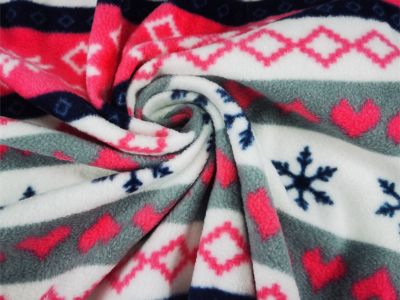
Red fleece fabric is a versatile textile known for its softness, warmth, and durability. It has become a popular choice across various industries, from apparel to home textiles. For B2B buyers, key concerns often revolve around sourcing high-quality materials that meet specific project requirements, ensuring supplier reliability, and understanding the technical specifications that affect performance. This article will guide purchasing managers, distributors, and product managers through essential aspects of knitted fleece fabric, including sourcing options, specifications, applications, supplier reliability, and material benefits.
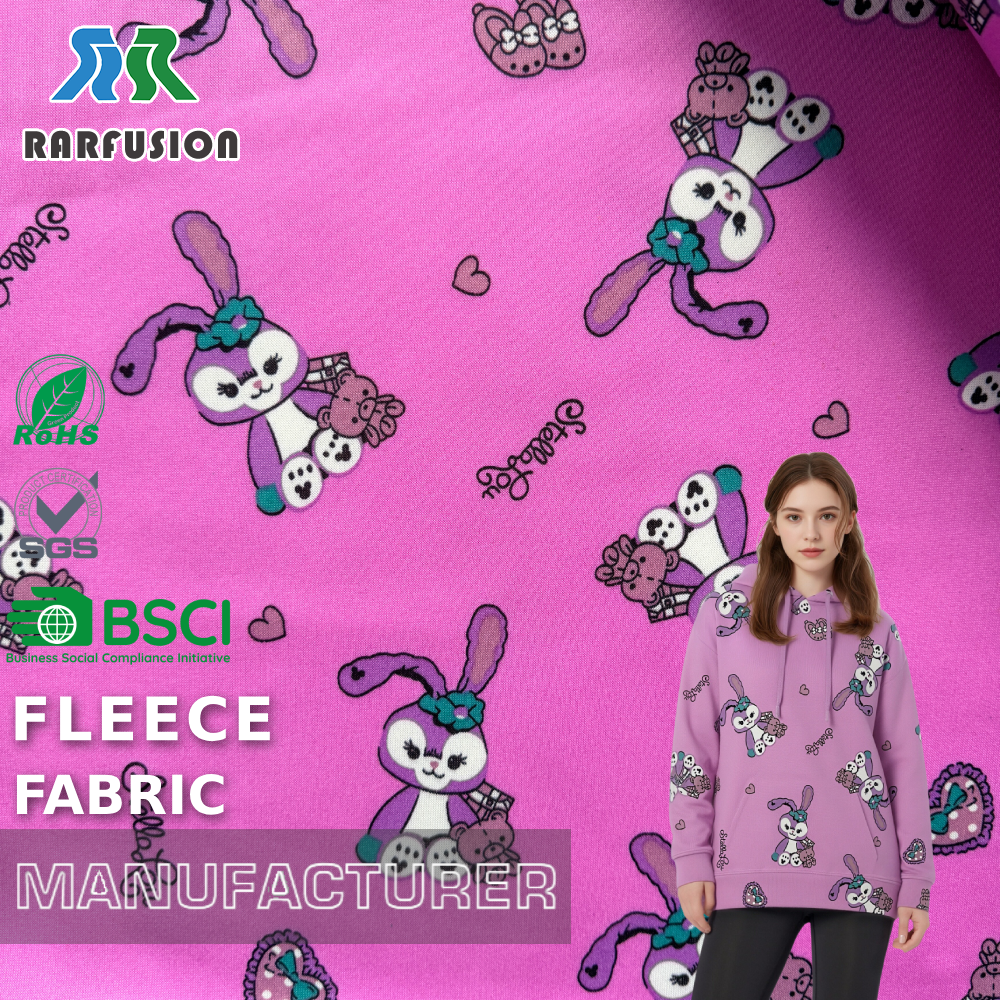
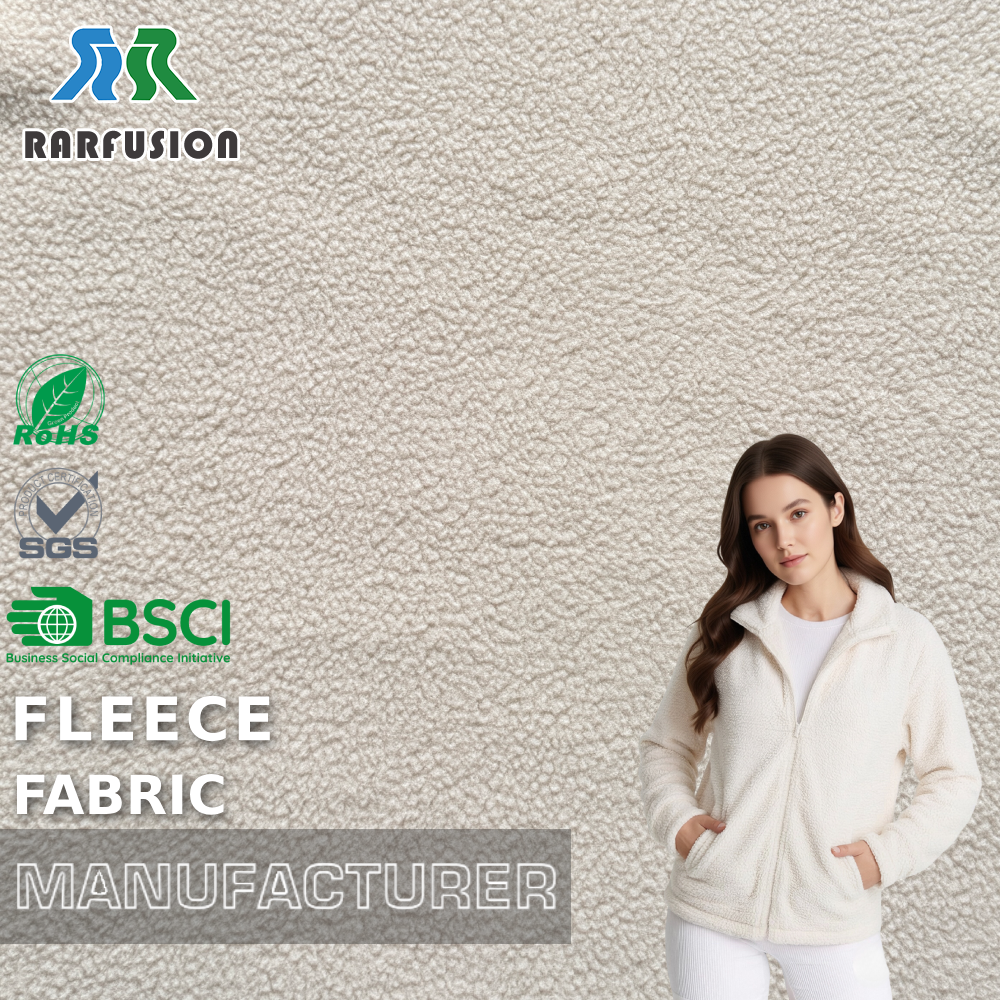
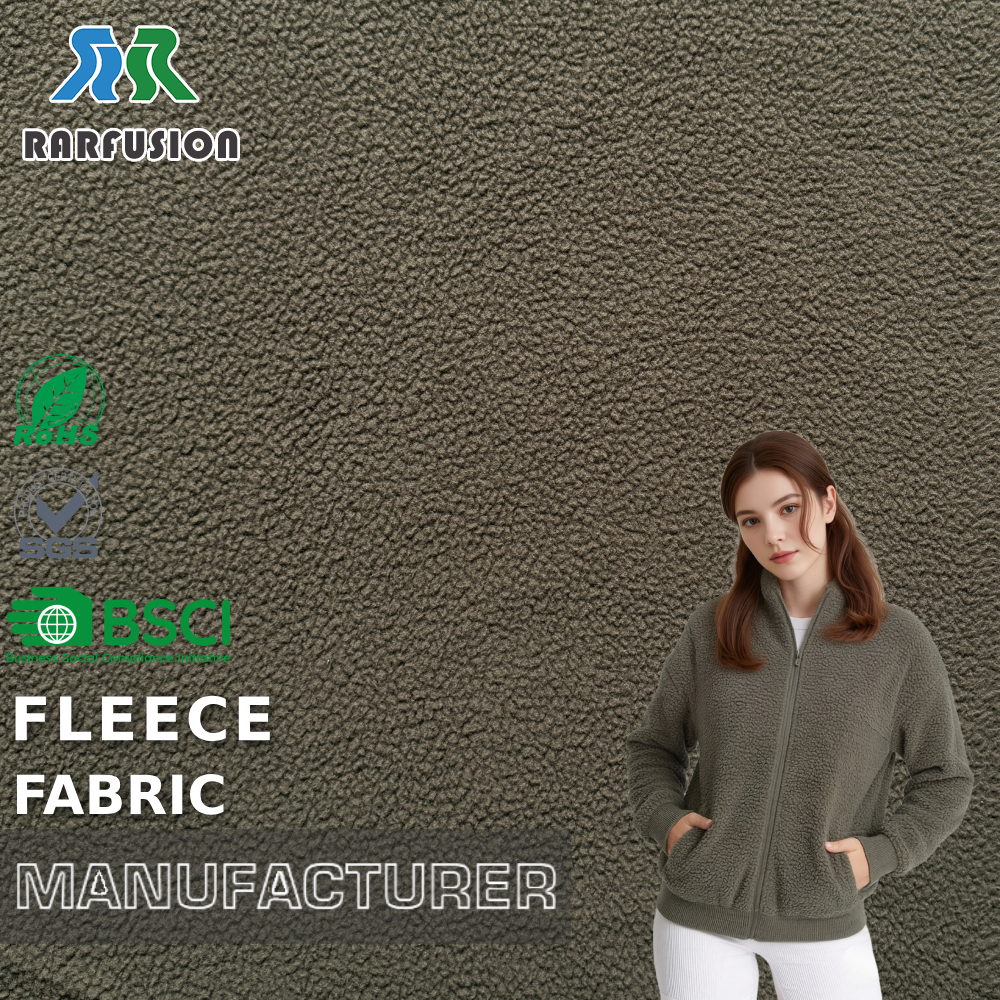
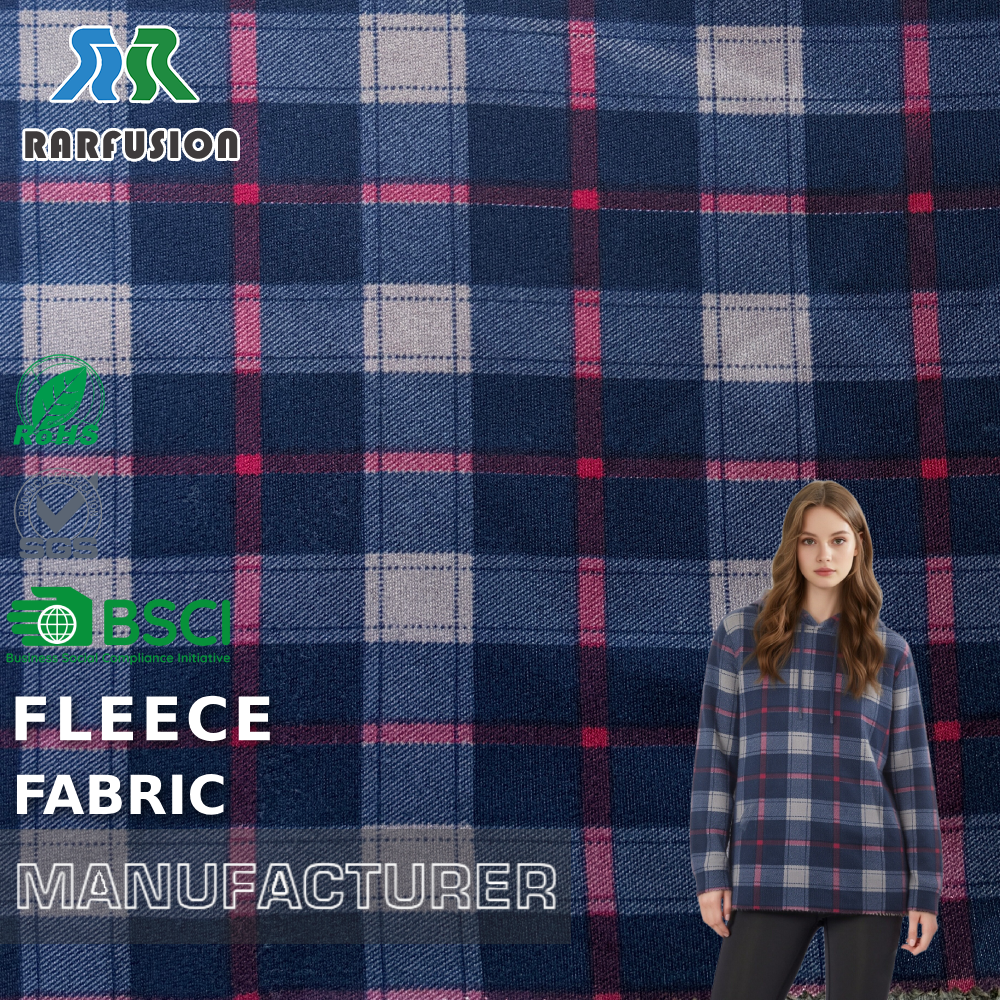
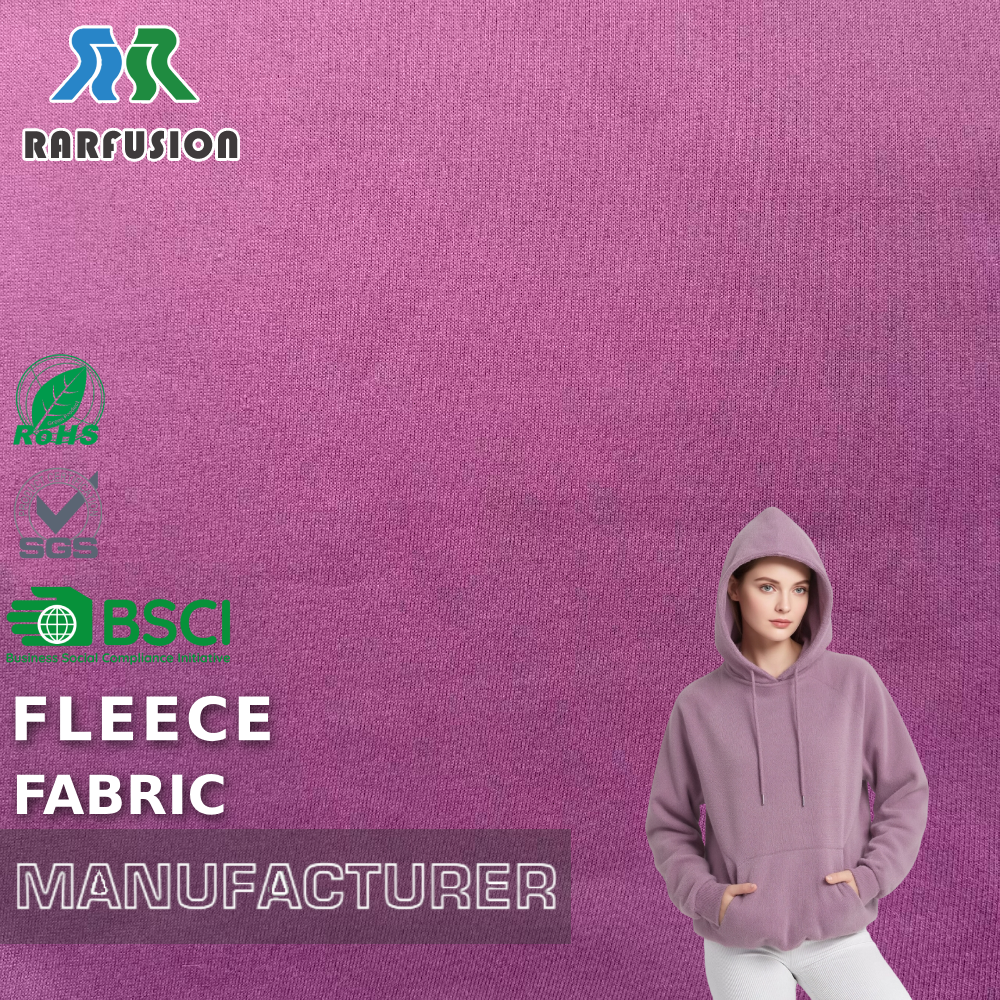
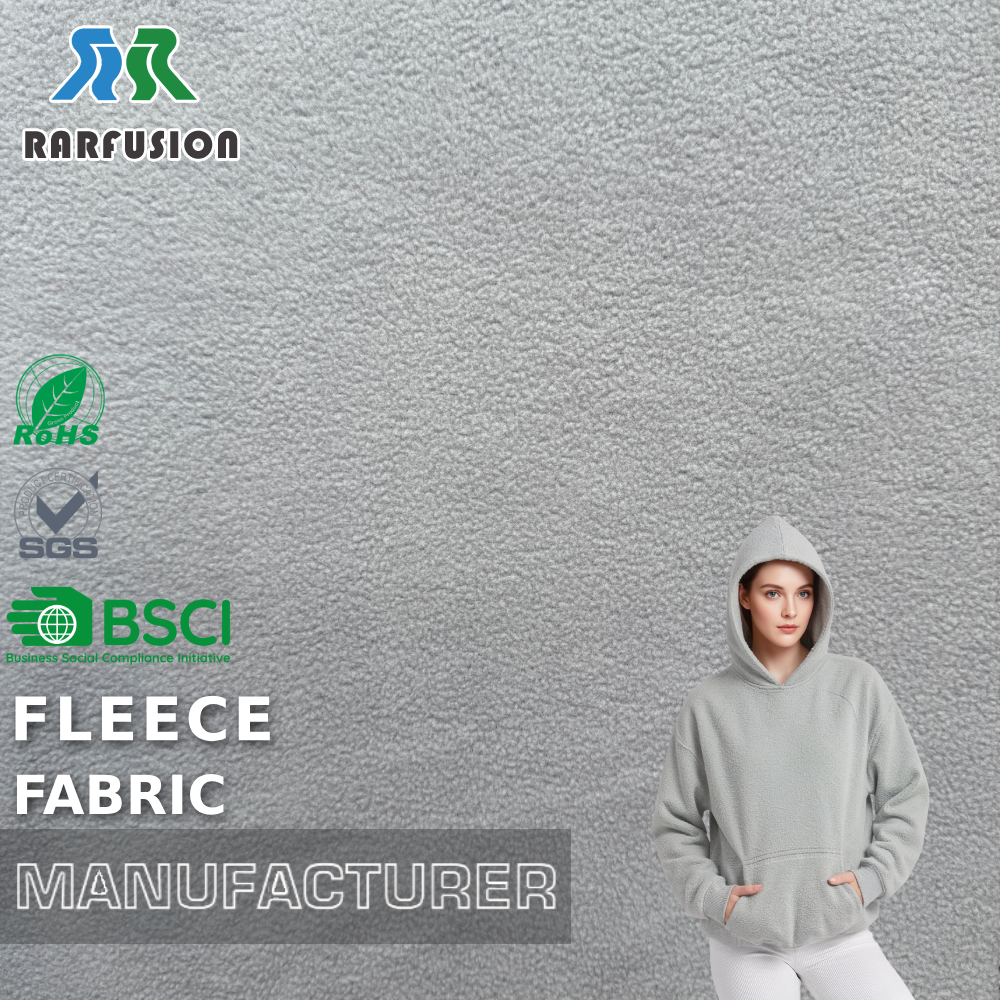
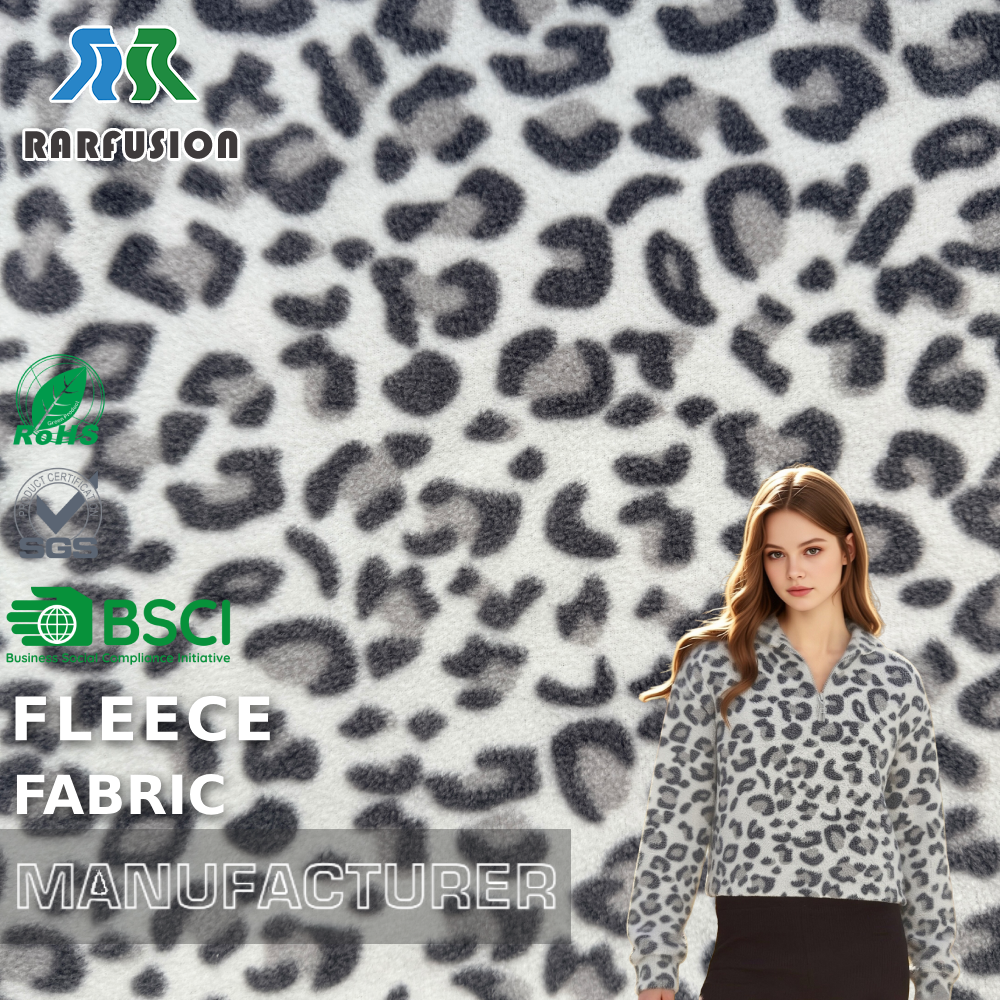
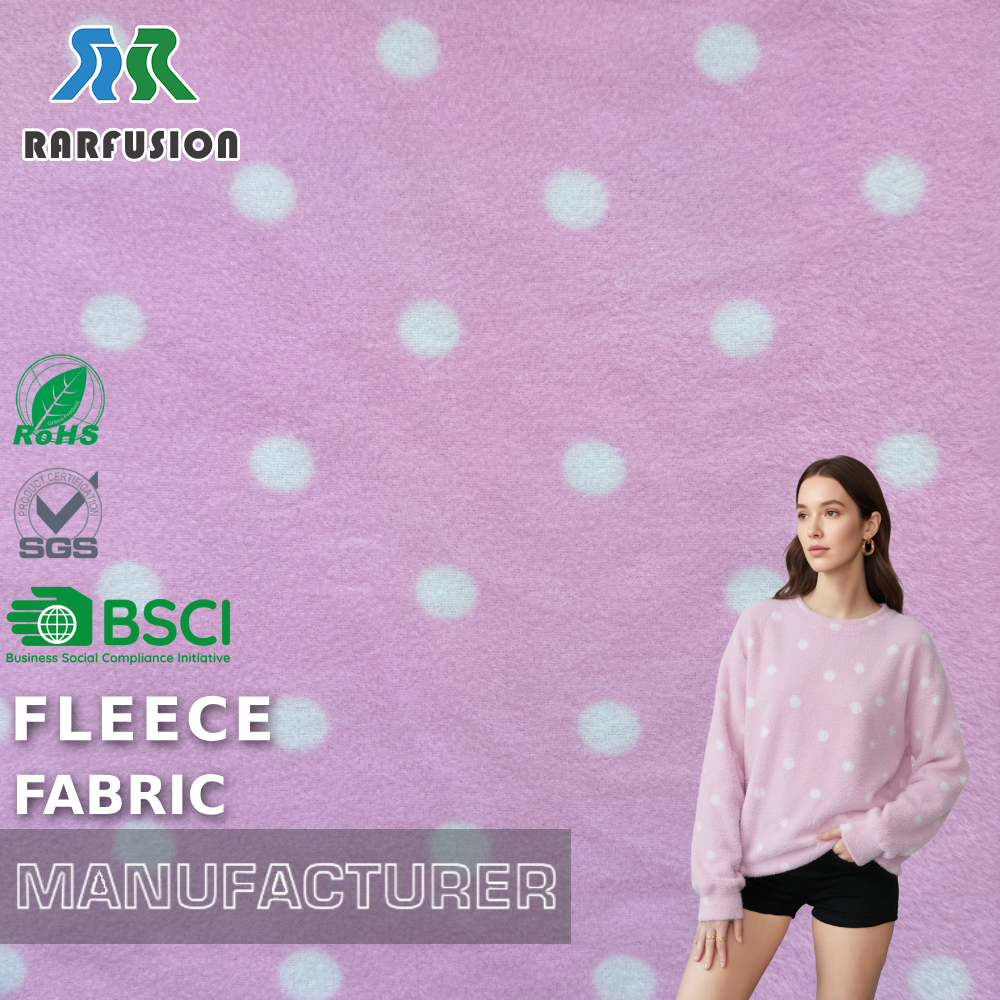
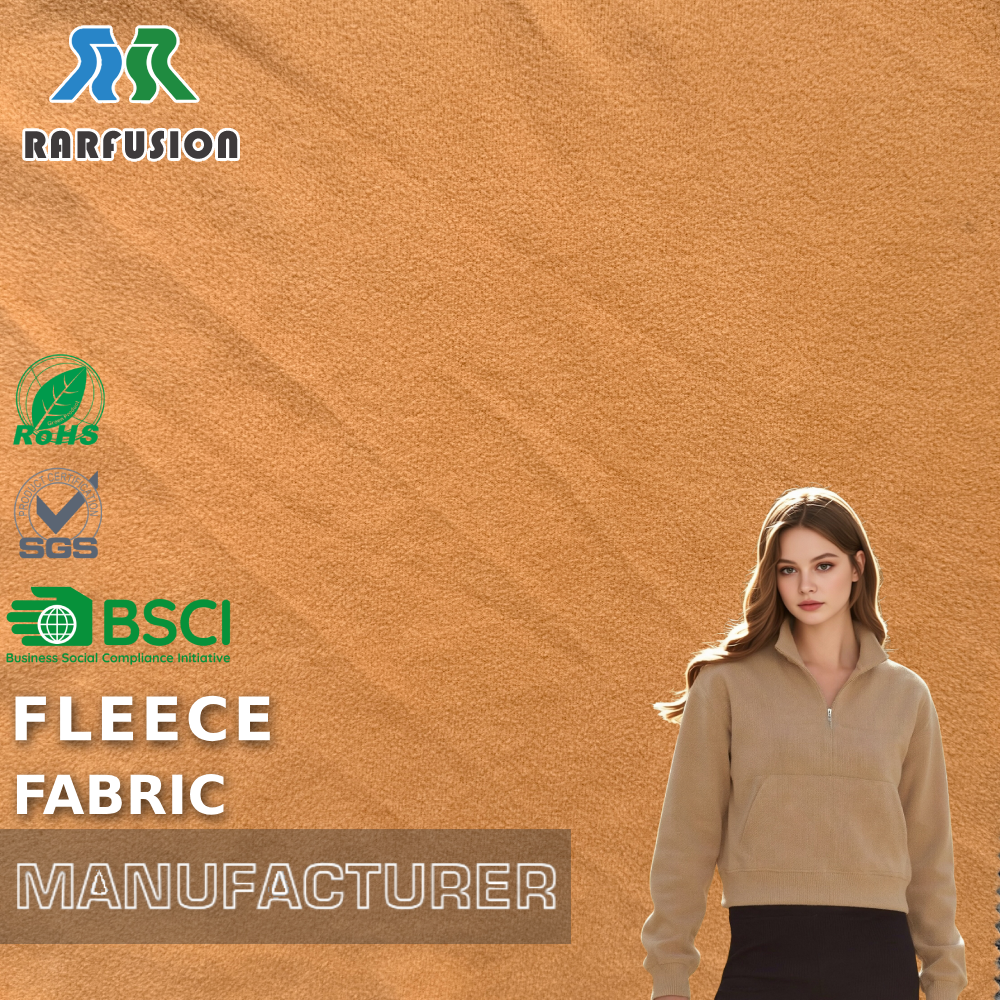
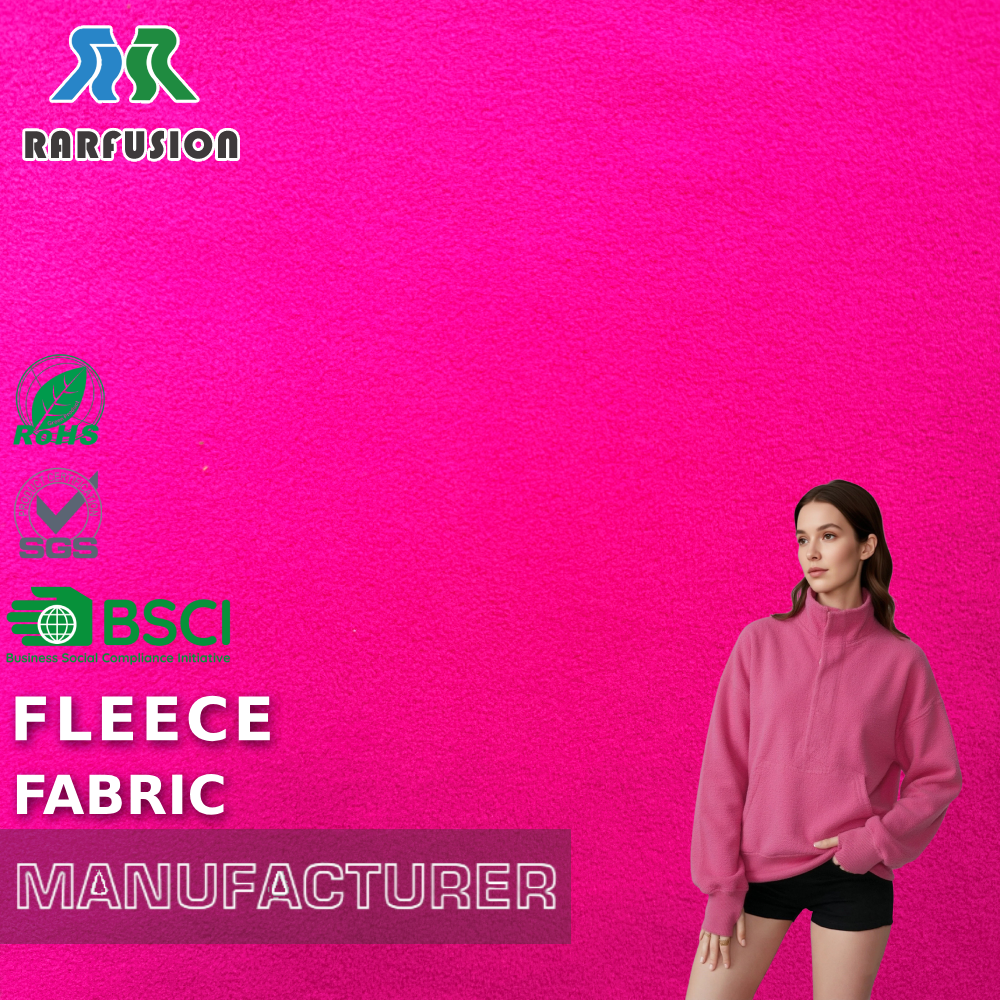
Comparing Specifications of Red Fleece Fabric for Your Projects
When evaluating red fleece fabric, understanding the specific specifications is vital for ensuring that it meets the demands of your projects. Key specifications to consider include:
Weight: The weight of the fleece fabric affects its warmth and drape. Lighter weights are suitable for layering, while heavier options provide increased insulation.
Thickness: Thickness can impact the fabric's performance in various applications. For example, thicker fleece may be more suitable for outerwear, while thinner options work well for linings or lightweight garments.
Composition: Fleece is typically made from polyester or a blend of polyester and other fibers. The choice of composition affects durability, softness, and moisture-wicking properties. Polyester fleece is known for its excellent insulation, while blends can enhance breathability.
Finish: Surface treatments can enhance the fabric’s performance, such as anti-pilling finishes to improve longevity or water-resistant coatings for outdoor applications.
Buyers should ensure that the specifications align with the intended use, as unsuitable choices can lead to performance issues, increased wear, or customer dissatisfaction.