Key Specifications for Sourcing Print Fabric

Get a Free Quote

Our representative will contact you soon.
Email
Name
Company Name
Message
0/1000

Print fabric

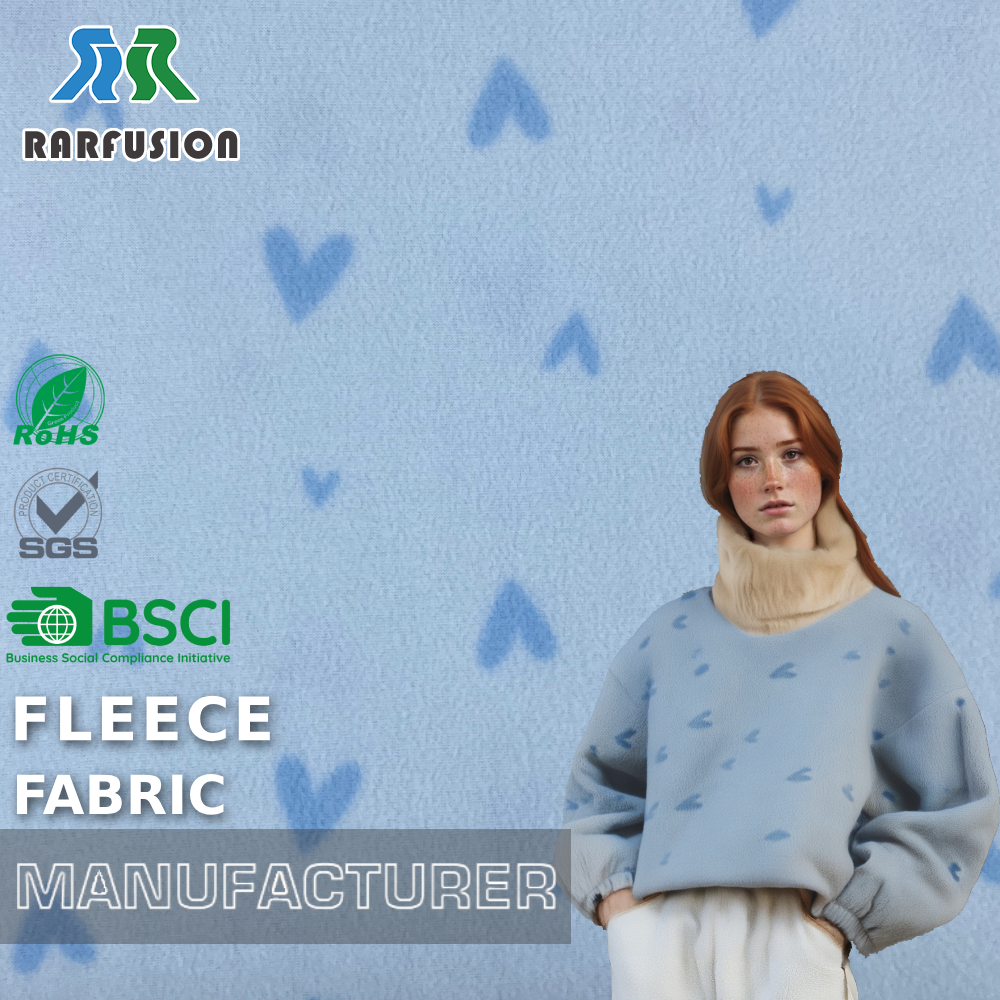
When sourcing print fabric, understanding the key specifications, potential challenges, and reliable suppliers is crucial for making informed purchasing decisions. Print fabric, known for its vibrant designs and versatility, is widely used in various industries, including fashion, home textiles, and promotional products. This article addresses the main concerns B2B buyers face, such as quality, cost, and sourcing reliability, providing practical insights to enhance your procurement process. 
Our Products

What Buyers Should Know

Understanding the nuances of print fabric sourcing can prevent costly mistakes. 

Minimum Order Quantity (MOQ): Different suppliers may have varying MOQs, which can impact initial purchasing decisions. Be prepared to discuss your order size, as it may affect pricing and availability. 

Lead Times: Production lead times can vary based on the supplier's capacity and the specifics of the order. It’s advisable to inquire about lead times early in the sourcing process to align with your project timelines. 

Customization Options: Many suppliers offer customization, including specific colors, patterns, and finishes. Discuss your needs to ensure the supplier can meet your requirements. 

Quality Control Measures: Ensure the supplier has robust quality control processes in place. This may include inspections at various stages of production and pre-shipment checks to guarantee that the final product meets specified standards. 
Where to Find Reliable Suppliers for Print Fabrics

Finding a reliable supplier for print fabric involves thorough research and evaluation. Here are some effective strategies: 

Industry Trade Shows: Attending trade shows can provide direct access to manufacturers and suppliers. You can see their product offerings firsthand and establish personal connections. 

Online Marketplaces: Platforms like Alibaba, ThomasNet, and others can help you find a wide range of suppliers. Pay attention to reviews and ratings to gauge reliability. 

Networking: Engaging with industry networks and forums can lead to recommendations for reputable suppliers. Consider reaching out to other businesses in your industry for referrals. 

Factory Visits: Whenever possible, visiting a supplier's manufacturing facility can provide valuable insights into their printed softshell fabric production capabilities and quality assurance practices. 

Understanding the Cost Factors of Bulk Print Fabric Orders

Pricing for print fabric can be influenced by several factors, and understanding these can help you negotiate better terms: 

Material Costs: The type of material used significantly impacts the cost. Synthetic fibers may be less expensive than natural fibers, but they offer different performance characteristics. 

Production Techniques: Advanced production methods, such as digital printing, often incur higher costs due to technology and setup requirements. Be clear about your budget and discuss how different printing methods affect overall pricing. 

Order Volume: Larger orders typically result in lower per-unit costs due to economies of scale. However, the MOQ may affect your decision-making process regarding order size. 

Shipping and Duties: Depending on where the supplier is located, shipping costs and import duties can add to the overall expense. Ensure these factors are considered in your budget. 

Customization Costs: Custom designs or specific colors may incur additional fees. Clarifying these costs upfront can prevent surprises later in the procurement process. 

Common Problems in Print Fabric Sourcing and Their Solutions

Sourcing print fabric can come with challenges, but understanding common issues and their solutions can streamline the process: 

Quality Variability: Inconsistent quality can arise from different production runs. To mitigate this, always request samples before placing a bulk order and establish clear quality standards with your supplier. 

Miscommunication: Language barriers or unclear specifications can lead to misunderstandings. Ensure that all requirements are documented and verified with the supplier to minimize errors. 

Late Deliveries: Suppliers may encounter unexpected delays. To prevent this from affecting your timelines, always confirm lead times and have contingency plans in place. 

Design Approval Delays: Delays in approving designs can push back production schedules. Set deadlines for design approvals and maintain open communication with your supplier to keep the project on track. 

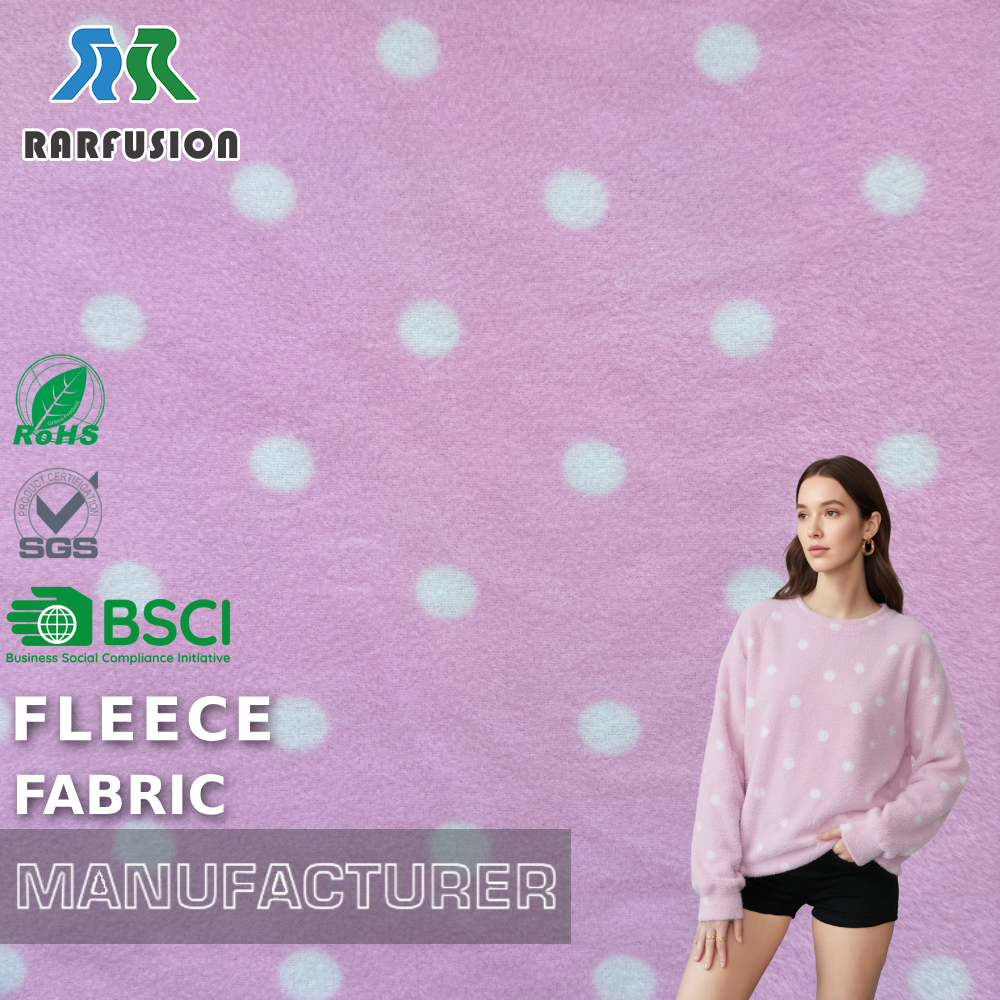
By considering these specifications, understanding the sourcing landscape, and anticipating common challenges, you can make well-informed decisions when sourcing print fabric. Rarfusion International Trade Co., Ltd. stands ready to support your custom printed fleece fabric needs, leveraging our extensive manufacturing capabilities and commitment to quality to ensure you receive the best products for your applications. 

Key Specifications to Consider When Sourcing Print Fabric

When sourcing print fabric, several key specifications should be evaluated to ensure it meets your project's requirements. 

Material Composition: The fabric's material significantly impacts its durability, comfort, and suitability for various applications. Common materials include polyester, cotton, and blends. Each material offers different properties; for example, polyester is known for its moisture-wicking capabilities, while cotton provides breathability and comfort. 

Weight and Thickness: The weight of the fabric, typically measured in grams per square meter (GSM), influences its feel and application. Thicker fabrics may be more durable and suitable for heavier applications, while lighter jersey print fabrics may work better for garments that require draping. 

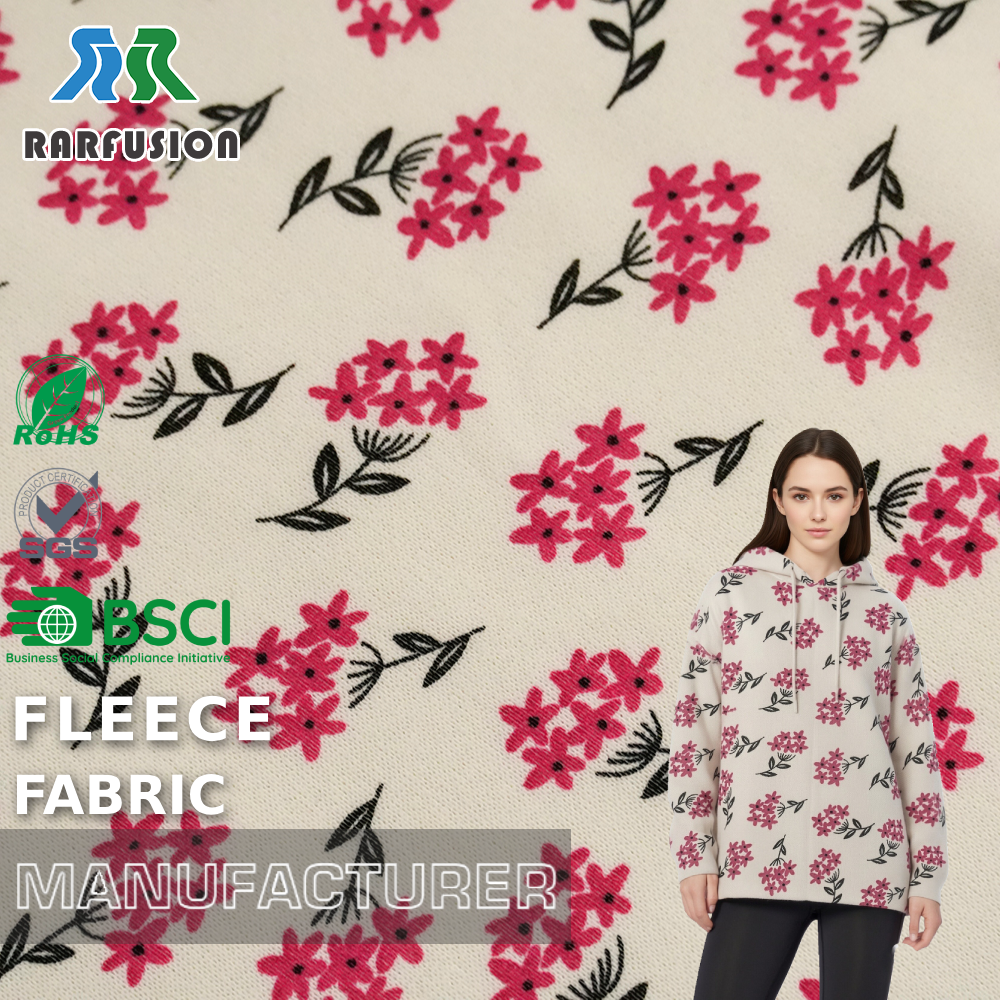
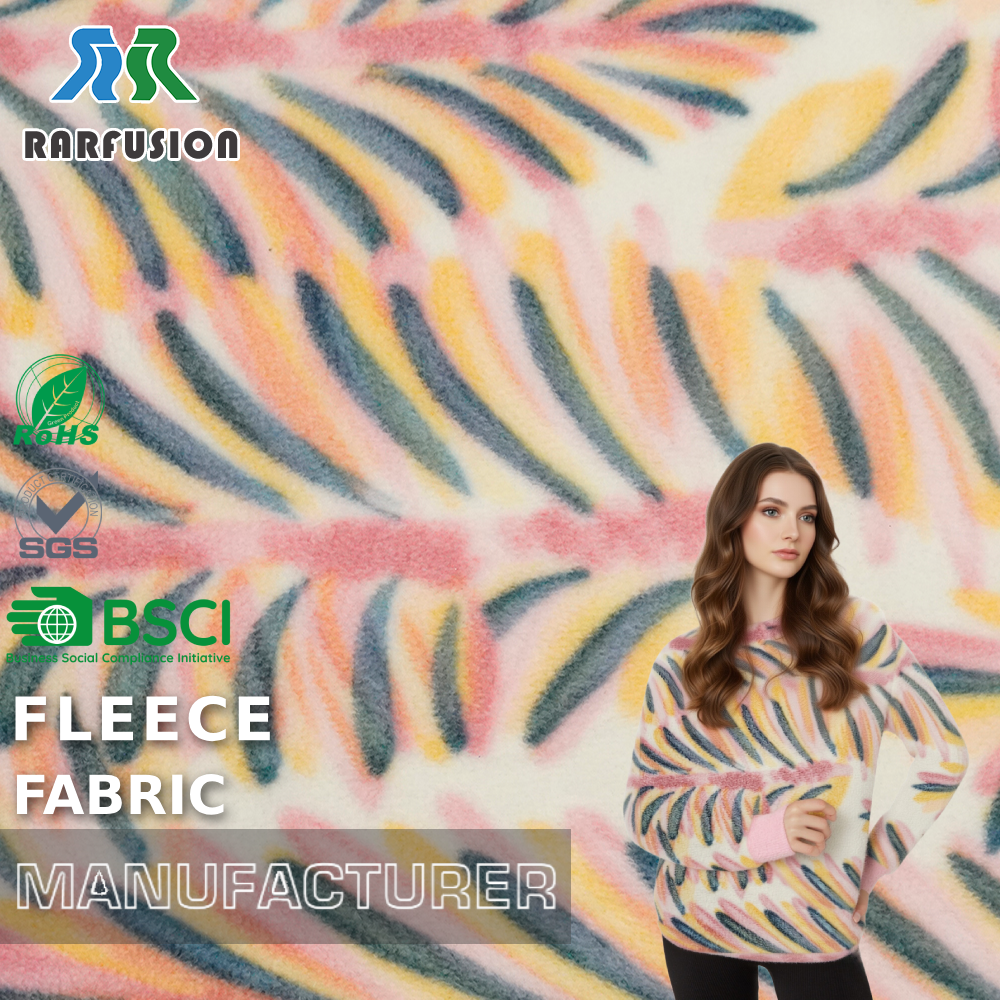
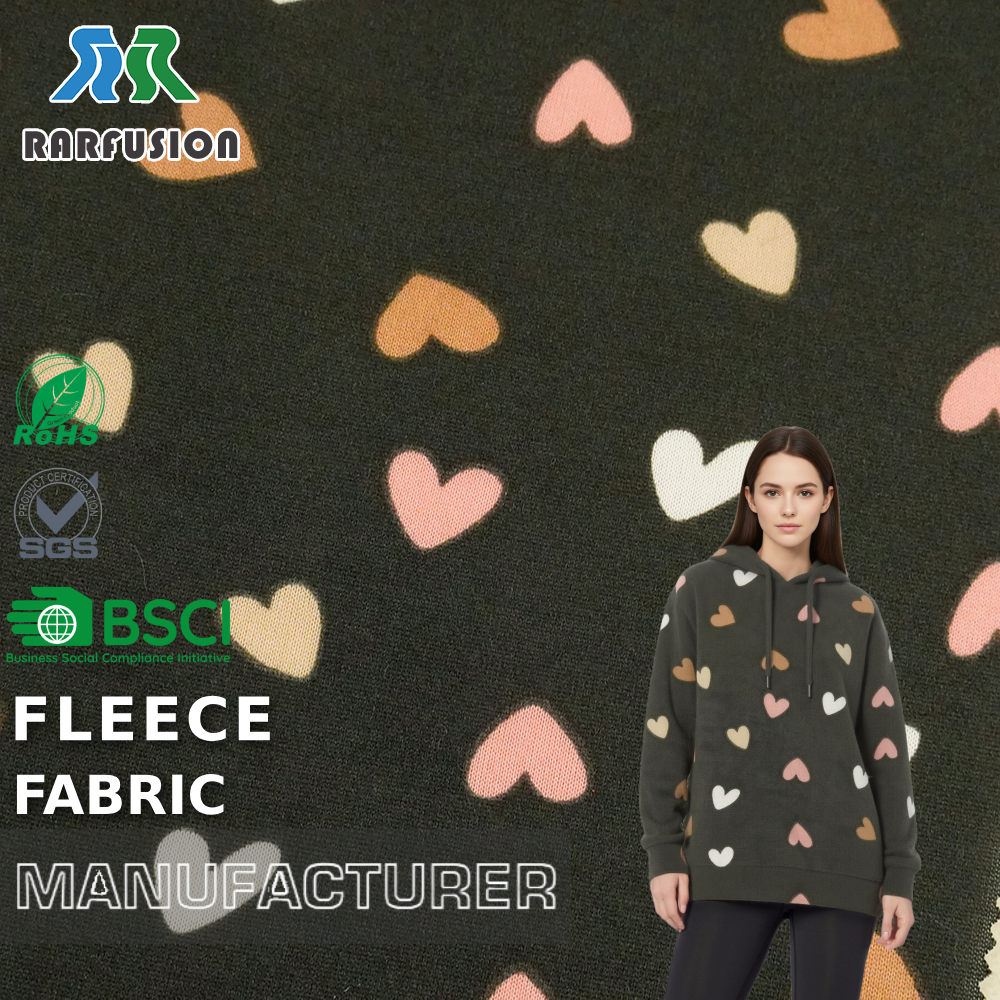
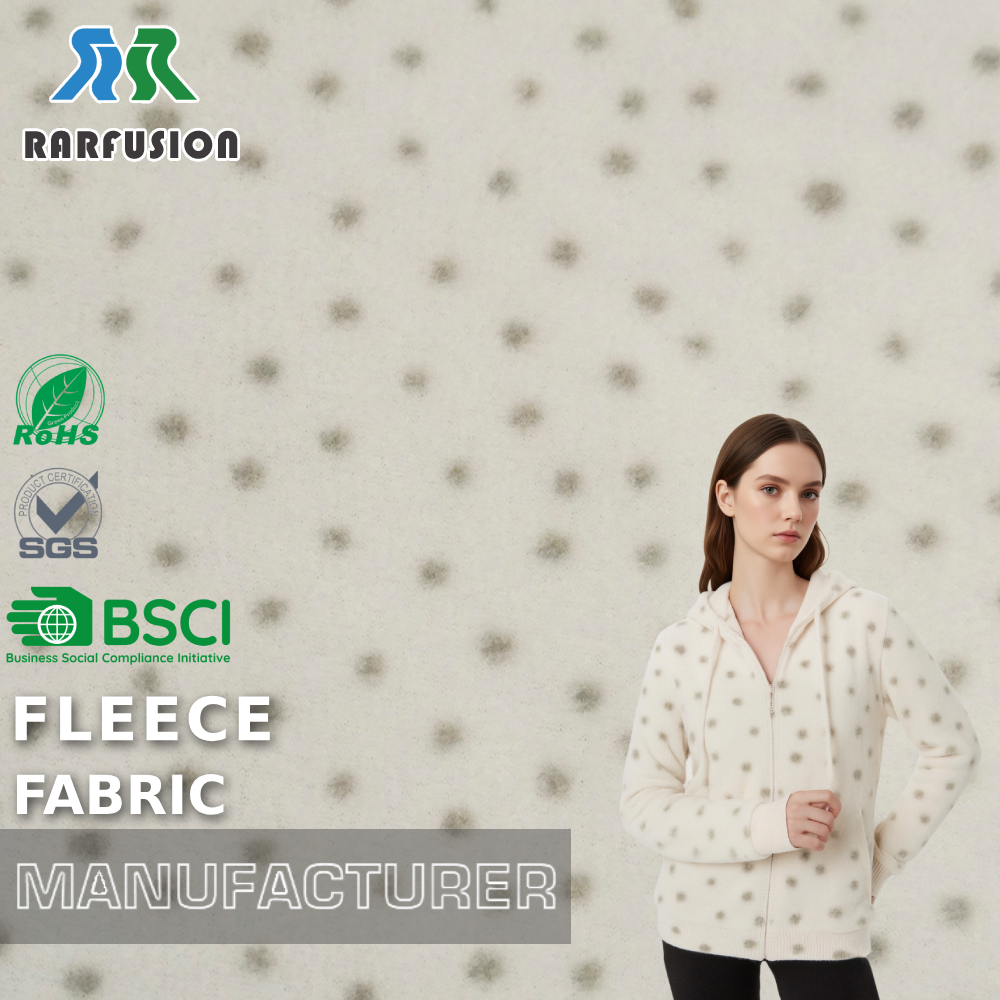
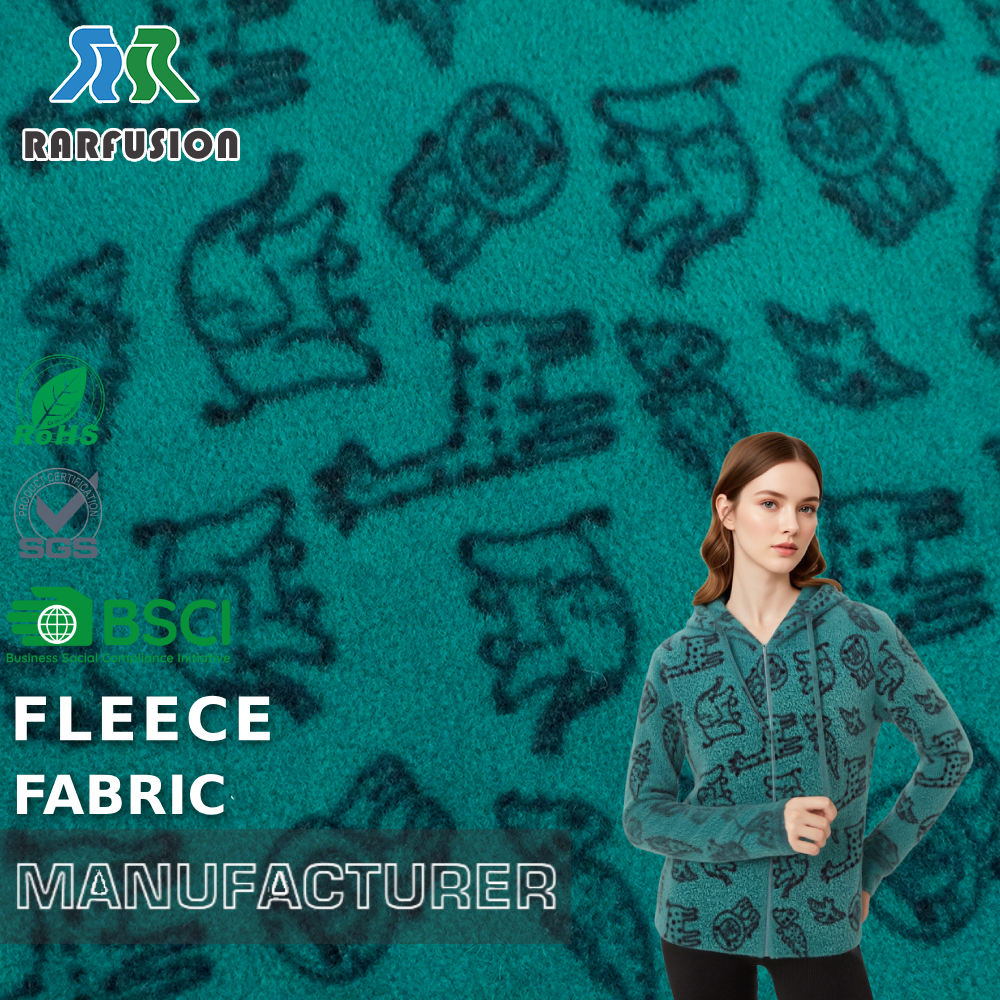
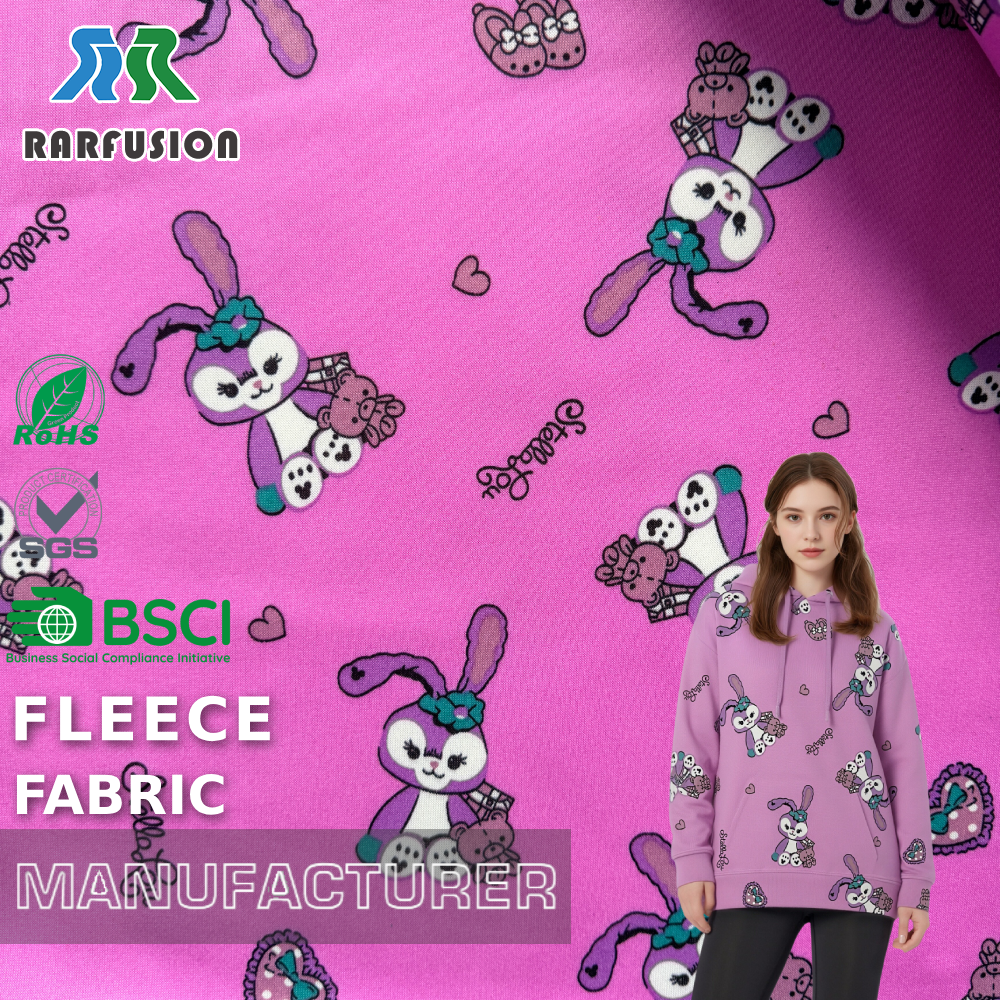
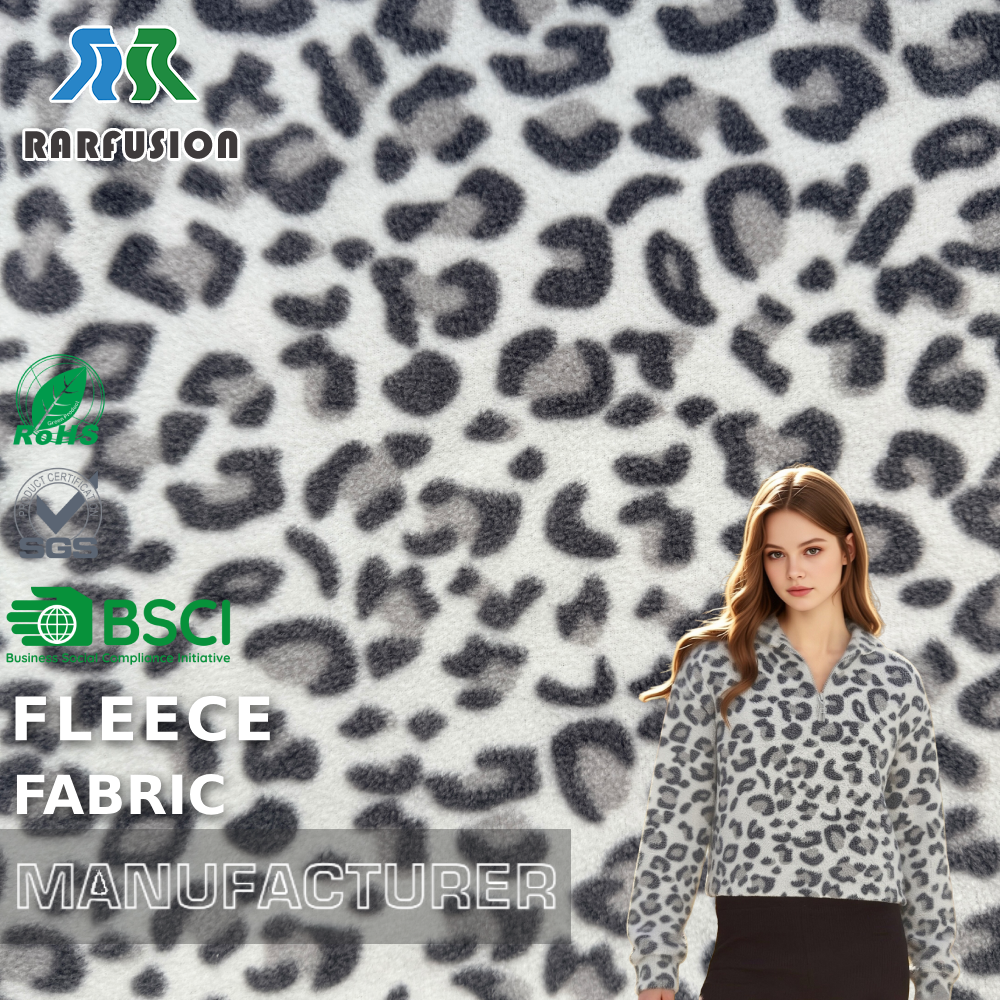
Print Quality: The method of printing (e.g., digital, screen, sublimation) affects the clarity and vibrancy of the design. Buyers should request samples to assess print quality, ensuring that colors are accurate and that the design holds up under various conditions. 

Width and Length: The standard width of print fabric often ranges from 36 to 60 inches. Buyers must confirm these dimensions based on their specific cutting and sewing requirements. 

Colorfastness: This specification refers to the fabric's ability to retain color when exposed to washing, light, and other environmental factors. Testing for colorfastness is essential, especially for fabrics intended for outdoor use. 

Why choose Rarfusion Print fabric

Good after-sales service

Our support team will remain Flannel fabric by the yard to our customers even after they have purchased the product Strong after-sales service fosters long-lasting relationships with customers and enhances their satisfaction with our products Your questions happen to be our expertise and we are available anytime

Rich production experience

Rarfusion International Trade Co., Ltd. Flannel cloth founded in the year 2010. With over 10 years of experience in fleece fabric RD, manufacturing and selling, our business features the most advanced technology, equipment, and complete manufacturing, sales, and supply with a annual production of 10, 000, 000 kg. Our products are well-known both in the US and internationally, and enjoy a good name and a good reputation in the market.

Complete production chain

Rarfusion transforms the essence of fleece fabrics from yarn to the final fabric. Knitted brand hopes. Innovation and innovation breakthroughs in the field of breakthroughs, always set high standards for ourselves and Flannel textile our customers superior quality, fashionable and more comfy products in all aspects.

Own finished fabric warehouse

Automatization, automation, and informatization will help improve the Flannel material of warehouse management and make the management of warehouses transparent and cost-effective. Shipping pressures for customers and overseas storage could be relieved effectively by the free storage.

Our Blog Posts

Why is polar fleece so durable?

26

Mar

Why is polar fleece so durable?

Polar fleece is a fabric many know well; it is warm and soft. And polar fleece is really strong too. It means it will live with you long and it won't get old or broken. Let's read on and learn why polar fleece is so sturdy and why it is an excellent ...
View More
How Stretch Jersey Knit Enhances Comfort and Fit

29

Nov

How Stretch Jersey Knit Enhances Comfort and Fit

This is a type of material that many people love because it feels so soft and stretchy. We reach for it at Rarfusion because it creates clothes that fit better and feel great against the skin. This fabric is multidirectional, and so it stretches ever...
View More
Why Choose Polar Fleece Fabric for Jackets and Blankets

20

Nov

Why Choose Polar Fleece Fabric for Jackets and Blankets

Polar Fleece Material Is Now A Popular Choice For Making Jackets and Blankets It’s soft and cozy, kind of like wrapping up in a warm hug on a cold day. Windowpane, checked and plaid jackets and blankets that keep you warm while not feeling like ...
View More
What Makes Rib Fabric So Stretchy and Comfortable?

15

Jan

What Makes Rib Fabric So Stretchy and Comfortable?

Rib knit is stretchy and comfortable, so you find it in all types of clothing. The secret is in how it’s made and the organization of its threads. When you feel it, there are little ridges that run up and down along the ribbing, which gives the fabri...
View More

Get a Free Quote

Our representative will contact you soon.
Email
Name
Company Name
Message
0/1000

Get a Free Quote

Our representative will contact you soon.
Email
Name
Company Name
Message
0/1000
because focus so professional.

Copyright © Rarfusion (Shaoxing) International Trade Co., Ltd. All Rights Reserved  -  Privacy Policy