Choosing the Right Poly Knit Fabric for Wholesale

Get a Free Quote

Our representative will contact you soon.
Email
Name
Company Name
Message
0/1000

Poly knit fabric

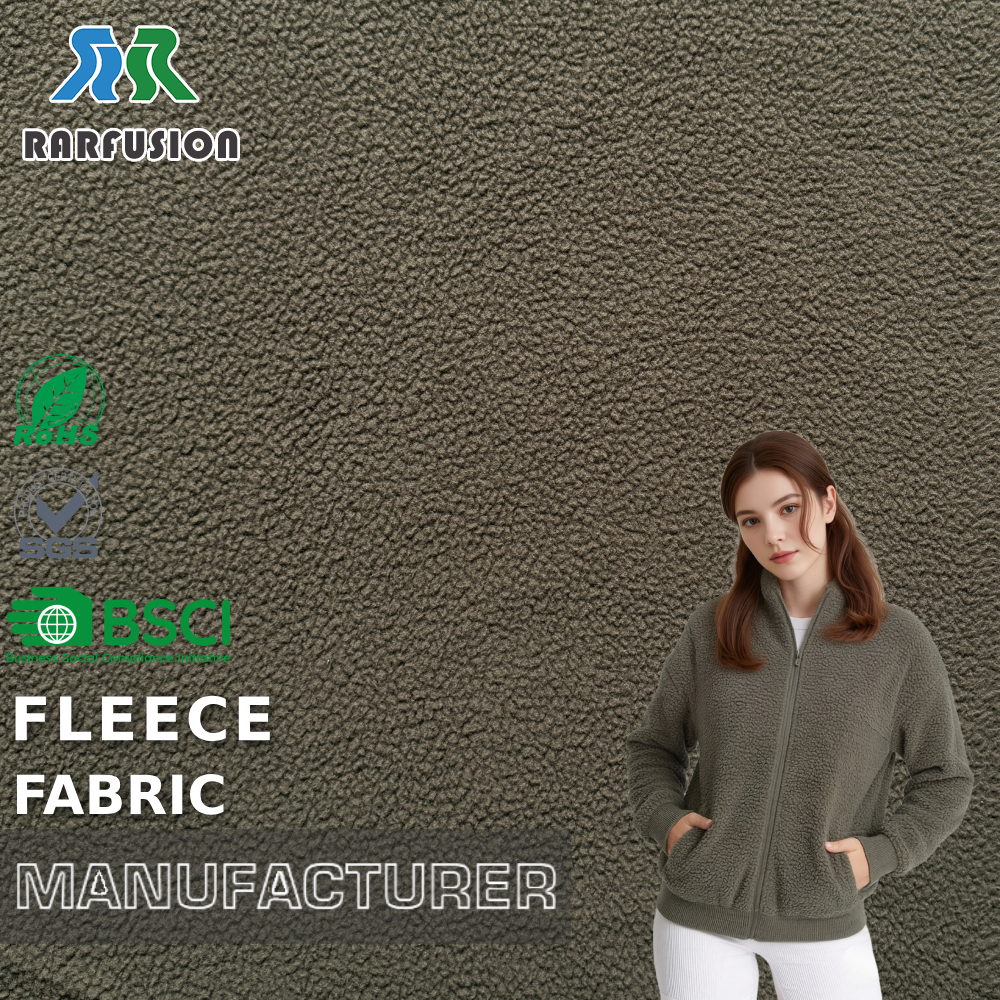
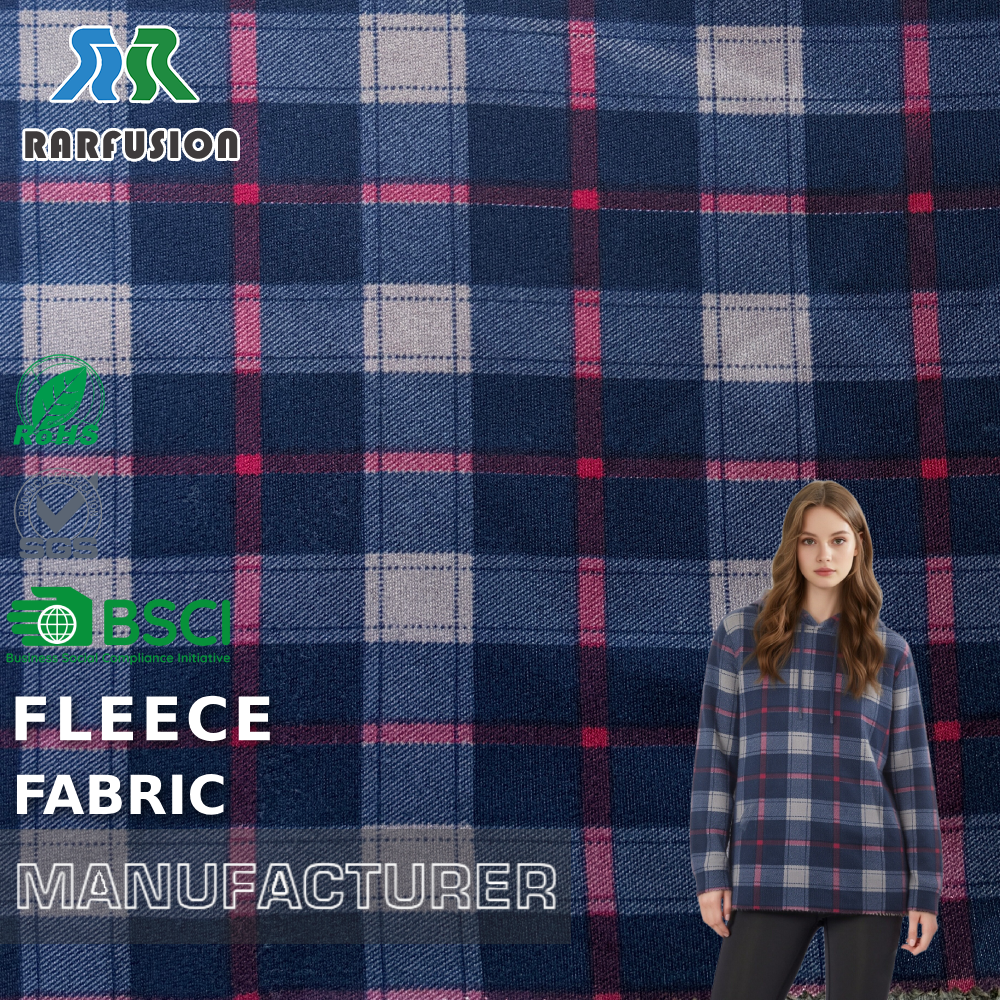
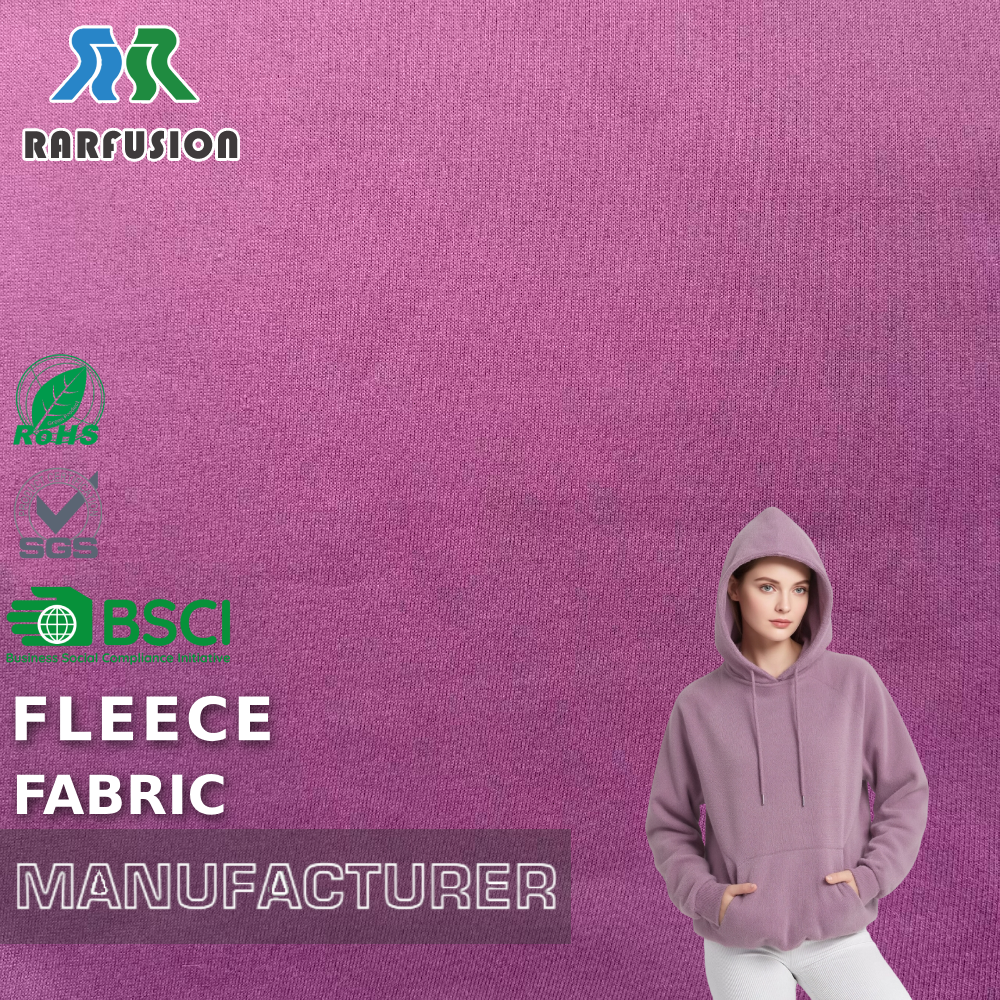
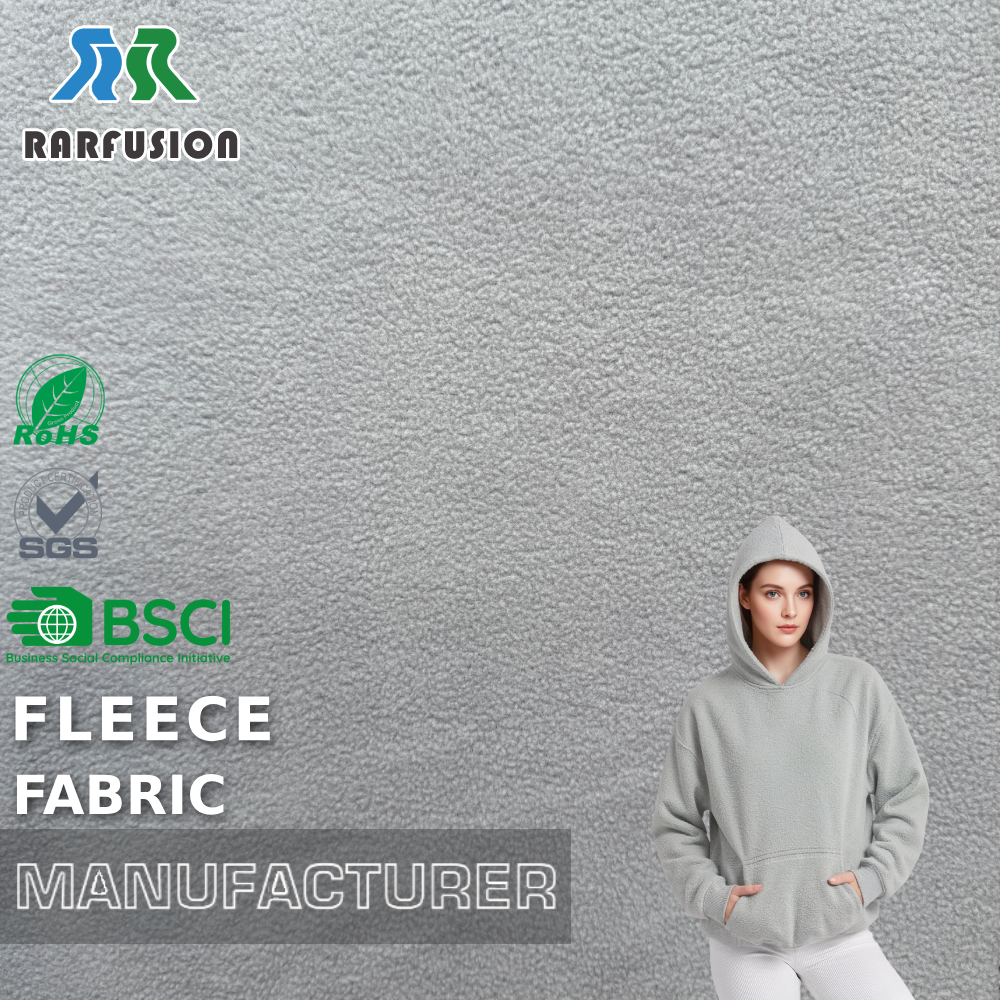
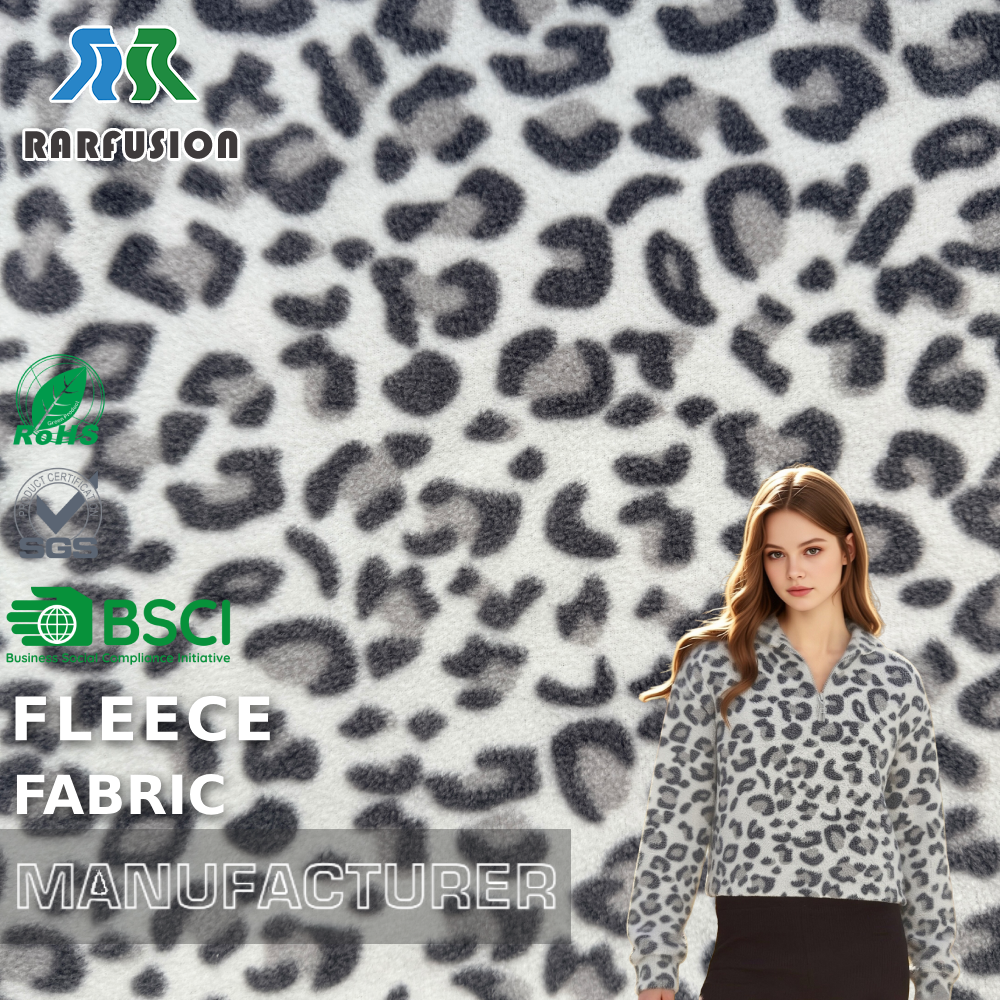
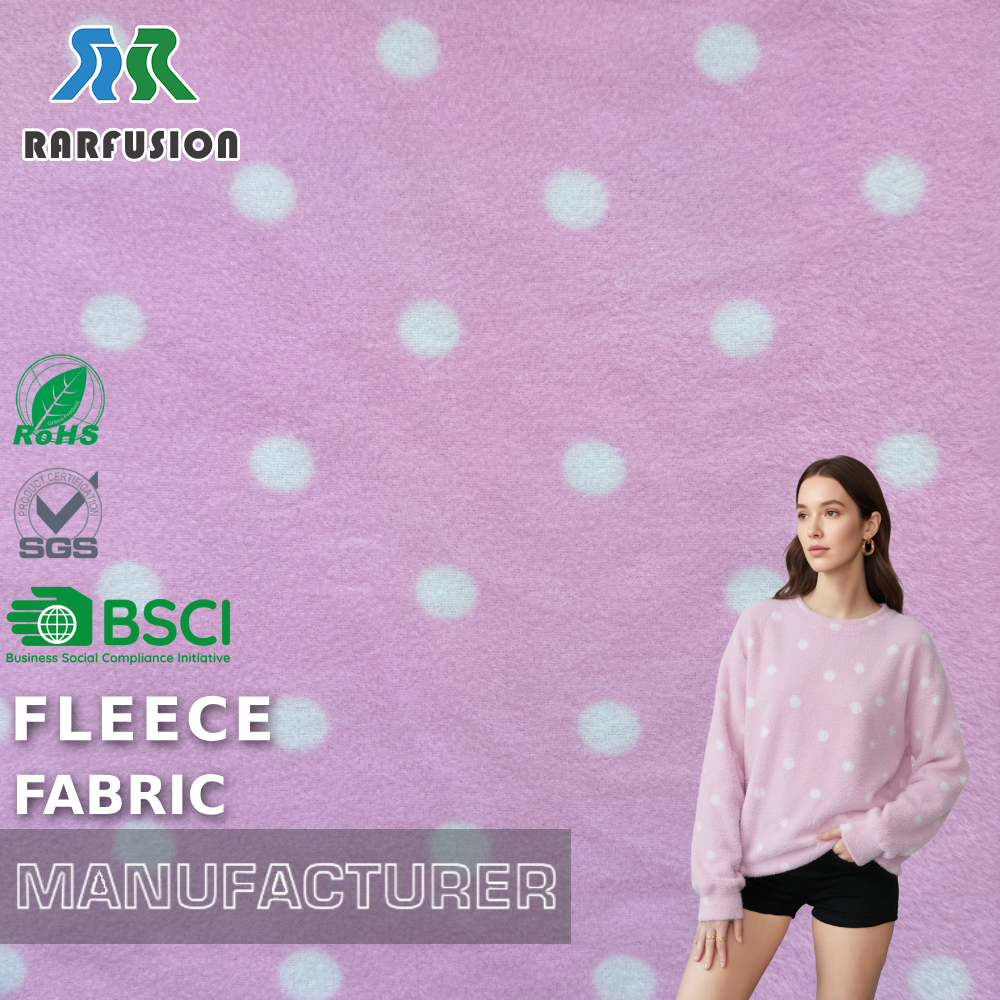
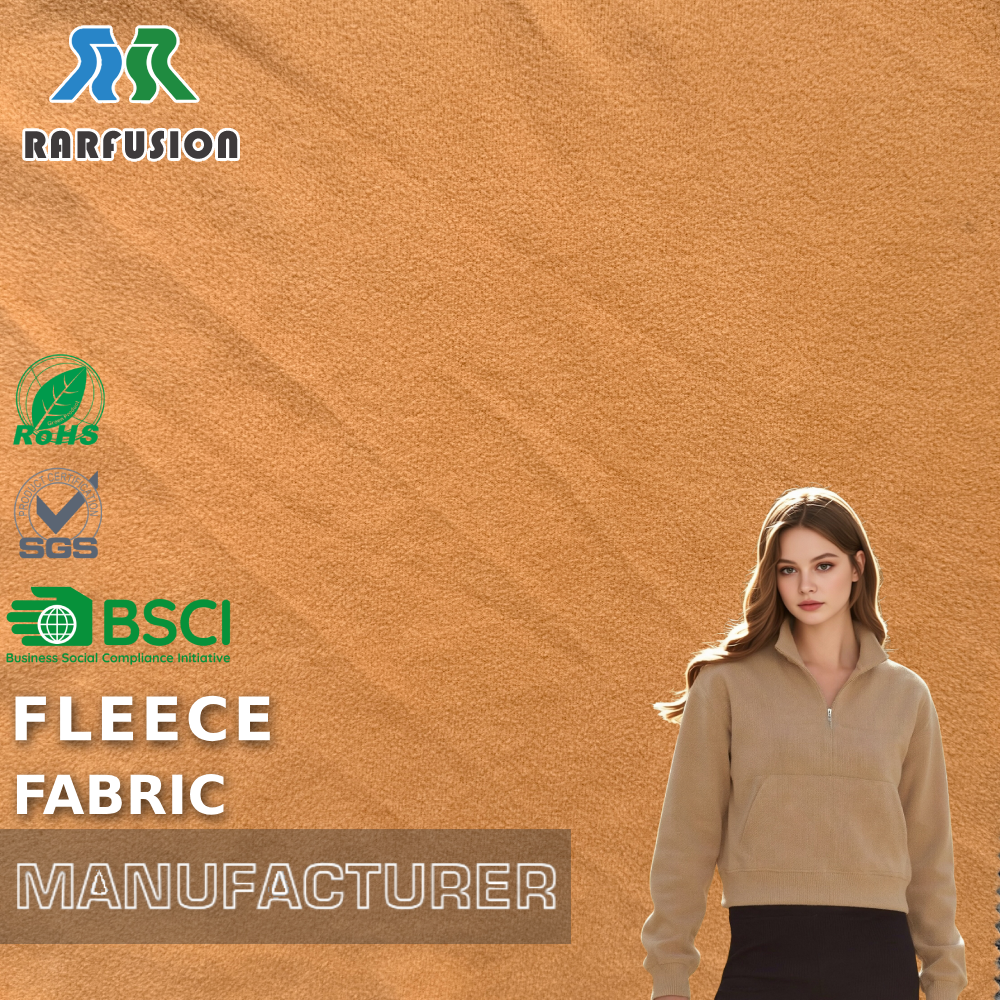
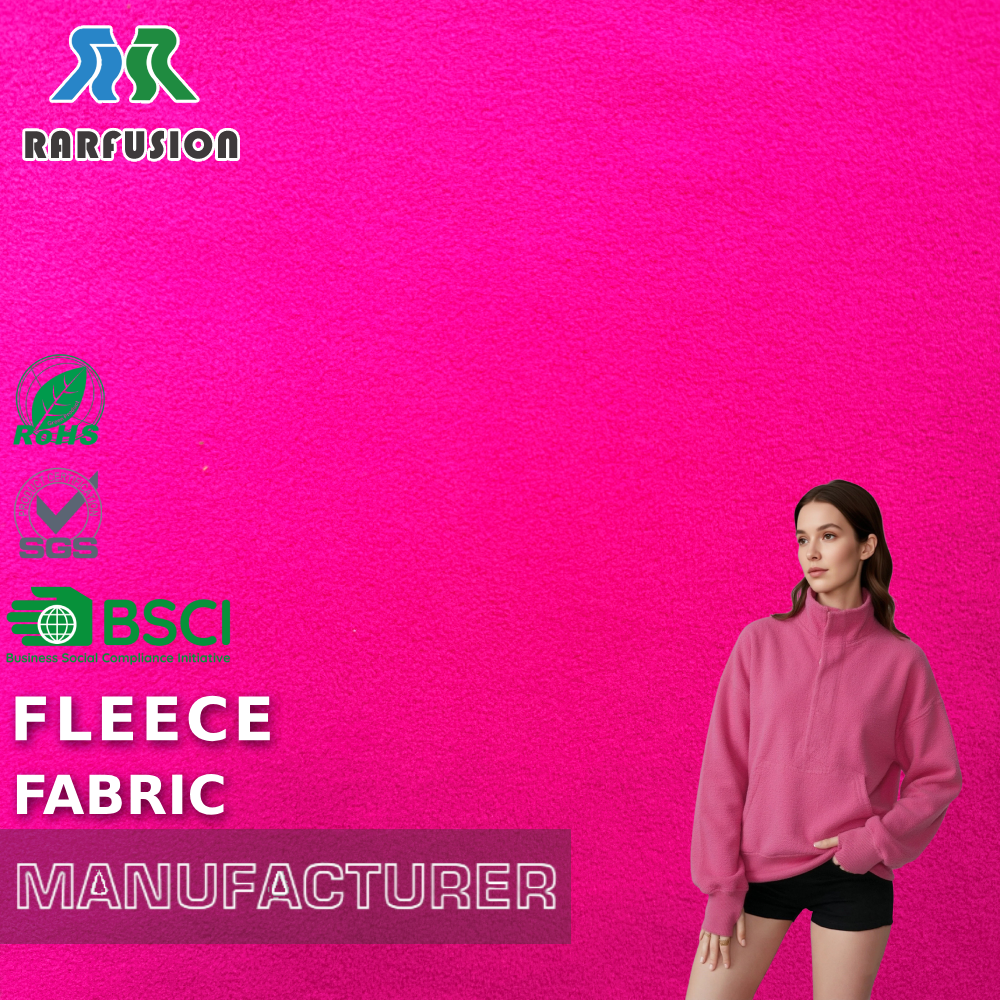
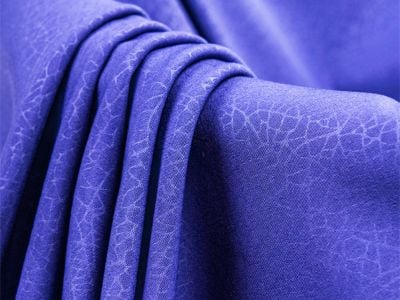
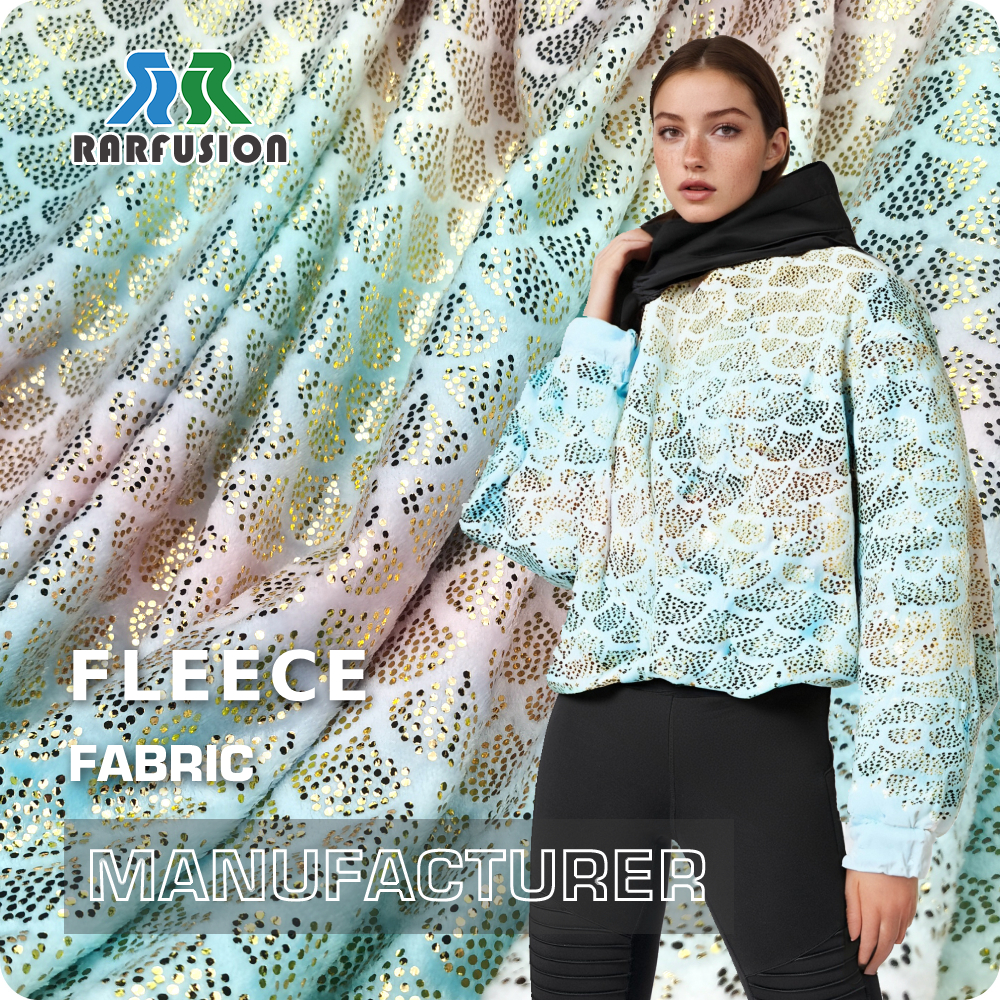
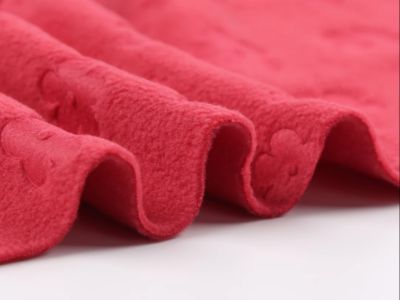
Rarfusion-made poly fleece lined knit fabric has become a staple in various industries due to its versatility and comfort. This material is a type of knit fabric made primarily from polyester fibers, offering a blend of durability, elasticity, and ease of care. For B2B buyers, particularly purchasing managers and product developers, understanding the nuances of poly knit fabric is essential for making informed sourcing decisions. This article will guide you through the key considerations when choosing poly knit fabric, specifications to look for, supplier comparisons, cost factors, and the advantages of this fabric in your projects
Our Products

Key Specifications to Consider When Sourcing Poly Knit Fabric

When sourcing Rarfusion-made poly fleece backed knit fabric, several key specifications should be considered to ensure the material meets your quality and performance needs:

Weight: Measured in grams per square meter (GSM), the weight of the fabric affects its durability and suitability for various applications. Heavier fabrics generally offer more durability, while lighter options may provide better breathability

Thickness: The thickness of the fabric can influence its drape and overall appearance. Thicker fabrics can provide more structure, while thinner options may be more suitable for layering

Stretch and Recovery: Evaluate the fabric’s stretch properties, typically measured in percentage. For applications requiring flexibility, look for fabrics with a higher stretch percentage. Recovery is also important; fabrics should return to their original shape after being stretched

Colorfastness: This specification determines how well the fabric retains color after washing or exposure to sunlight. High colorfastness is crucial for garments that will undergo frequent washing or be exposed to outdoor elements

Finish: The type of finish applied to the fabric (such as water-resistant, anti-microbial, or soft-touch) can enhance its performance for specific applications

By carefully reviewing these specifications, you can ensure that the poly knit fabric you select will perform as required in your applications.
How to Compare Poly Knit Fabric Suppliers for Quality Assurance

Quality assurance is critical when selecting a supplier for Rarfusion poly knit fabric. Here are some steps to effectively compare suppliers:

Review Certifications: Look for suppliers who have relevant certifications that indicate compliance with industry standards. This could include certifications for environmental practices, manufacturing processes, and quality management systems

Request Samples: Before making a bulk order, always request samples of the fabric. This allows you to assess the material’s quality, texture, and performance firsthand. Pay attention to how the fabric feels, its stretch, and overall appearance

Examine Production Capabilities: Ensure that the supplier has the necessary equipment and technology to produce the desired fabric quality consistently. Advanced technology often correlates with better quality control throughout the manufacturing process

Check References and Reviews: Reach out to other businesses that have sourced fabric from the supplier. Their experiences can provide insight into the supplier’s reliability, customer service, and overall quality

Evaluate Lead Times and MOQs: Understand the supplier's minimum order quantities (MOQs) and lead times. A reputable supplier should be able to meet your timeline and quantity requirements without compromising quality

By using these criteria, you can effectively evaluate suppliers to ensure you partner with one that meets your quality assurance standards.

Evaluating the Cost Factors of Poly Knit Fabric for Bulk Orders

Cost is a significant factor in sourcing poly knit fabric, especially for bulk orders. Here are some considerations to keep in mind:

Material Costs: The type of polyester used and the complexity of the knit structure can influence the base cost of the fabric. Higher-quality materials or specialized finishes may increase the price

Production Volume: Bulk orders often come with lower per-unit costs. However, it's essential to balance the benefits of lower pricing with your actual needs to avoid overstocking or unnecessary inventory

Shipping and Handling Fees: Factor in the costs associated with shipping, especially if you are sourcing from overseas. Duties, tariffs, and freight costs can significantly impact the total expense

Customizations: If you require specific colors, patterns, or finishes, these customizations can add to the overall cost. Clear communication with your supplier about these needs can help avoid unexpected price increases

Quality Assurance Costs: Include potential costs related to quality inspections or testing, especially for large orders where consistency is critical

By understanding these factors, you can better analyze the total cost of poly knit fabric and make informed purchasing decisions.

Understanding the Advantages of Poly Knit Fabric in Your Projects

Poly knit fabric offers several advantages that make it a favorable choice for various applications:

Durability: Polyester fibers are known for their resilience, making poly knit fabrics resistant to wear and tear. This durability is beneficial for products that undergo frequent use, such as activewear and industrial uniforms

Moisture-Wicking Properties: Many poly knit fabrics are designed to wick moisture away from the body, keeping the wearer dry and comfortable. This feature is particularly advantageous in athletic apparel, where sweat management is crucial

Easy Care: Poly knit fabrics are generally easy to care for, often machine washable and quick-drying. This convenience appeals to consumers and manufacturers alike, reducing the need for special cleaning processes

Versatility: With a wide range of textures, weights, and finishes, poly knit fabrics can be utilized across various industries, from fashion to home textiles and industrial applications

understanding poly knit fabric's specifications, supplier evaluation processes, cost factors, and inherent advantages can significantly influence your sourcing decisions. As you embark on your purchasing journey, consider these insights to ensure you make informed choices that align with your business goals.

Choosing the Right Poly Knit Fabric for Your Wholesale Needs

Selecting the appropriate Rarfusion-made poly jersey knit fabric involves assessing your specific application requirements. Consider the end use of the fabric—whether it’s for apparel, upholstery, or industrial applications. Different weights and textures of poly knit fabric can affect comfort and performance, so it’s important to match the fabric's properties to the intended application. For example, a heavier fabric may be suitable for outerwear, while a lightweight option could be better for activewear

Additionally, think about the fabric’s stretch and recovery. Poly knit fabrics can vary significantly in their elasticity, which impacts movement and fit. If you’re creating garments that require significant stretch, such as sportswear or fitted clothing, opt for fabrics known for their high elasticity. Understanding these factors will help ensure that you choose the right fabric that meets both aesthetic and functional requirements.

Why choose Rarfusion Poly knit fabric

Complete production chain

Rarfusion transforms the essence of fleece fabrics from yarn to the final fabric. Knitted brand hopes. Innovation and innovation breakthroughs in the field of breakthroughs, always set high standards for ourselves and Flannel textile our customers superior quality, fashionable and more comfy products in all aspects.

Own finished fabric warehouse

Automatization, automation, and informatization can aid in improving the management of warehouses and make the fabric handling warehouses transparent and Flannel fabric. The pressures of customers on shipping and storage overseas can be relieved effectively by warehouses that are free.

Good after-sales service

Our team of support specialists is dedicated to helping our customers even after the purchase We believe that Flannelette cloth after-sales support builds lasting relationships with our customers and improves their overall experience with our products We're always ready to answer your questions

Rich production experience

Rarfusion (Shaoxing) International Trade Co., Ltd was established in White flannel. With more than 10 years of experience in fleece fabric RD manufacturing and sales, we have advanced technology and equipment, with complete production as well as sales and supply and an annual output of 10 million kilograms. Our products have good sales both at home and overseas. We also have a great reputation in the business.

Our Blog Posts

What Does Flannel Feel Like?

29

Apr

What Does Flannel Feel Like?

Flannel is all about comfort and warmth. Imagine wrapping yourself in a soft, fuzzy hug on a chilly day. Its brushed, napped finish creates a gentle, velvety texture that feels inviting against your skin. Whether it’s a flannel shirt or a cozy...
View More
How to make a DIY blanket from polar fleece fabric?

26

Mar

How to make a DIY blanket from polar fleece fabric?

Use of polar fleece fabric can easily be used and converted into a blanket that is warmer and softer. The right place for you if you wish to make a cozy and comforting blanket at your home! Using the right materials and a little creativity, you can m...
View More
Why Fleece Fabric Is the Best Choice for Winter Blankets

17

Nov

Why Fleece Fabric Is the Best Choice for Winter Blankets

When winter arrives, a good blanket is crucial. When you’re trying to calm down and fall asleep, what you crave is something warm, soft and cozy to unfold yourself into. So it’s no surprise that fleece is also your fabric of choice for winter blanket...
View More
Natural vs Synthetic Textile Fabrics: Key Differences Explained

02

Jul

Natural vs Synthetic Textile Fabrics: Key Differences Explained

Fabrics are everywhere, and they can be divided into two main categories: natural and synthetic. Cloths of Nature are Manufactured from plants and animals. Some examples are cotton, wool and silk. How Do Natural Materials CompareFabrics derived ...
View More

Get a Free Quote

Our representative will contact you soon.
Email
Name
Company Name
Message
0/1000

Get a Free Quote

Our representative will contact you soon.
Email
Name
Company Name
Message
0/1000
because focus so professional.

Copyright © Rarfusion (Shaoxing) International Trade Co., Ltd. All Rights Reserved  -  Privacy Policy