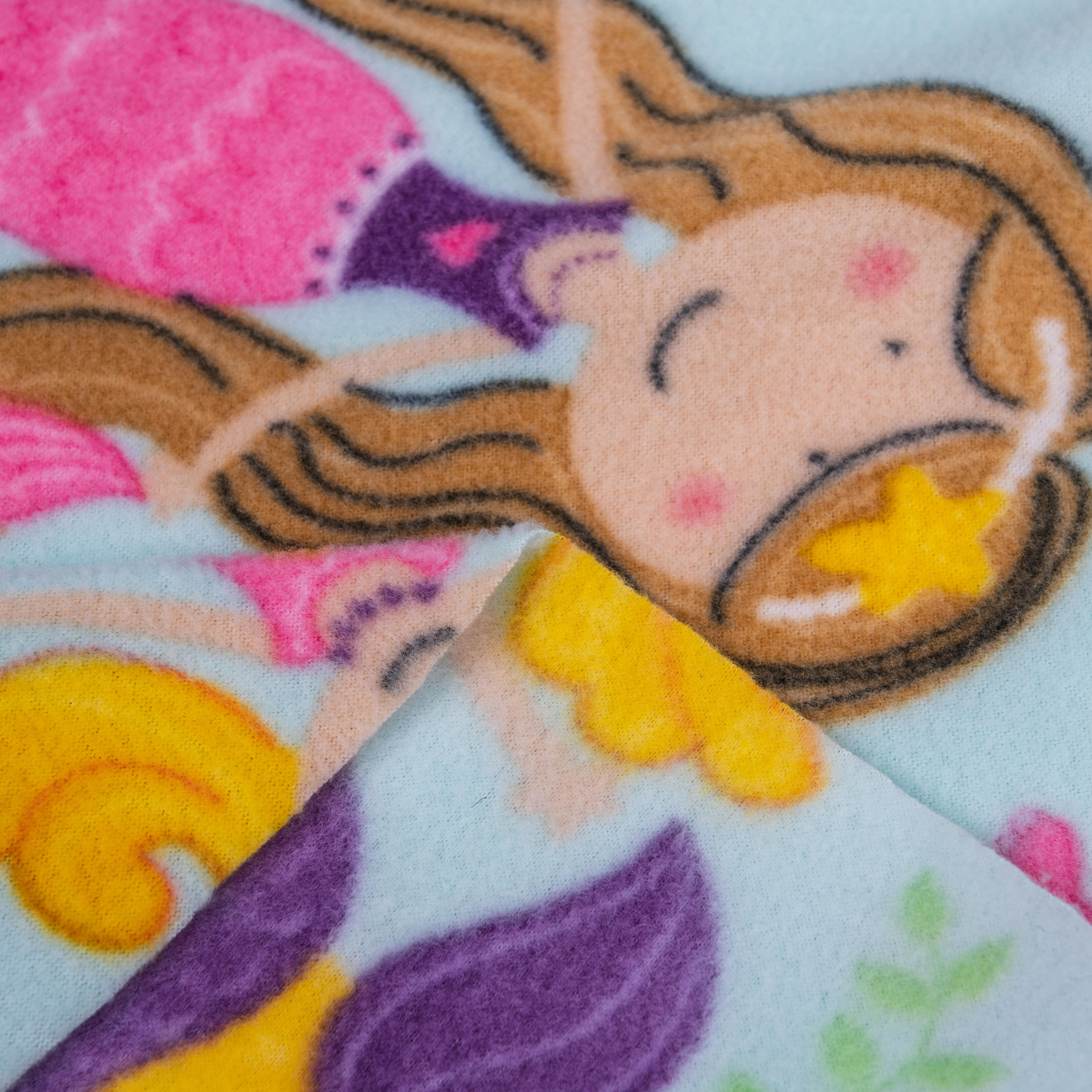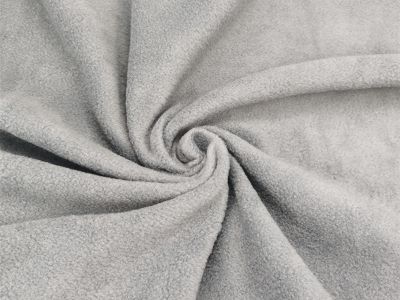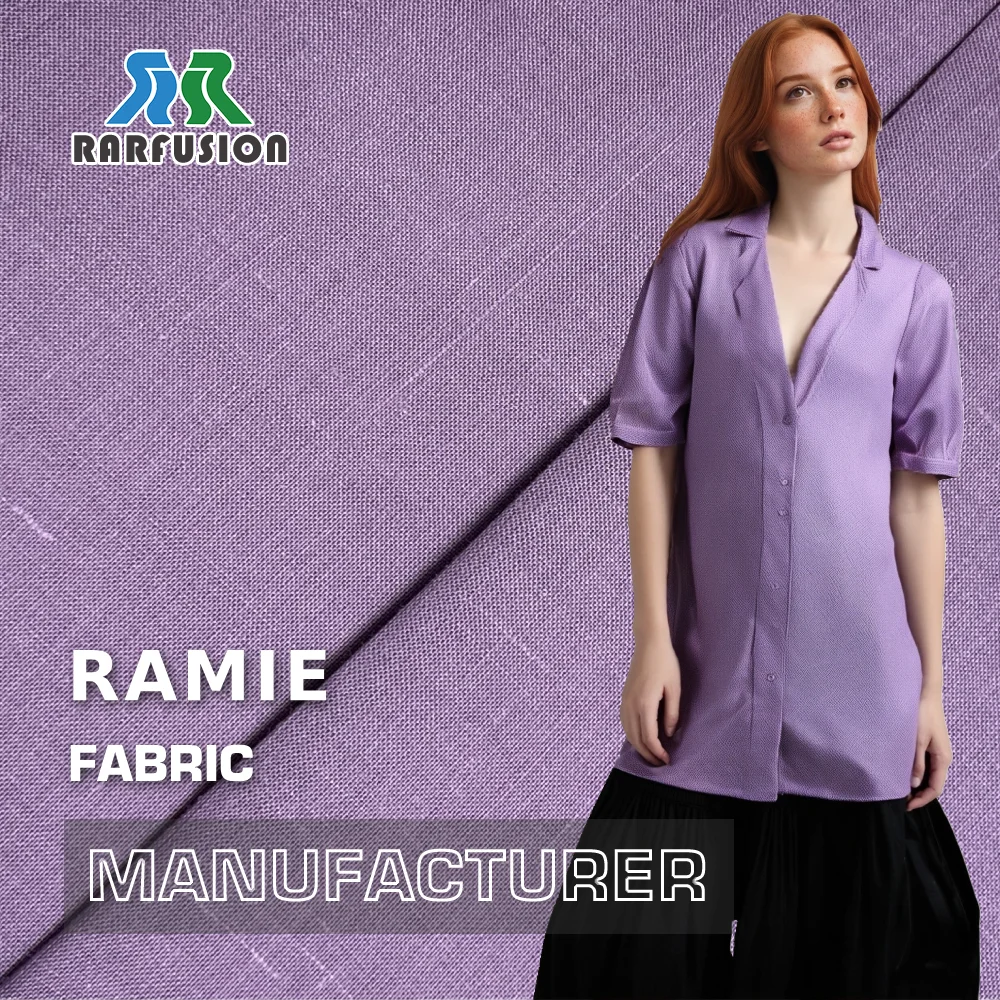
Leopard print fabric is a popular choice in various industries, from fashion to interior design, due to its bold and distinctive patterns. As a B2B buyer or purchasing manager, understanding the nuances of sourcing high-quality leopard print fleece fabric is essential. This article will address key concerns related to material selection, specifications, supplier reliability, and common purchasing challenges, equipping you with the reliable suppliers of leopard print fabric knowledge needed to make informed decisions.
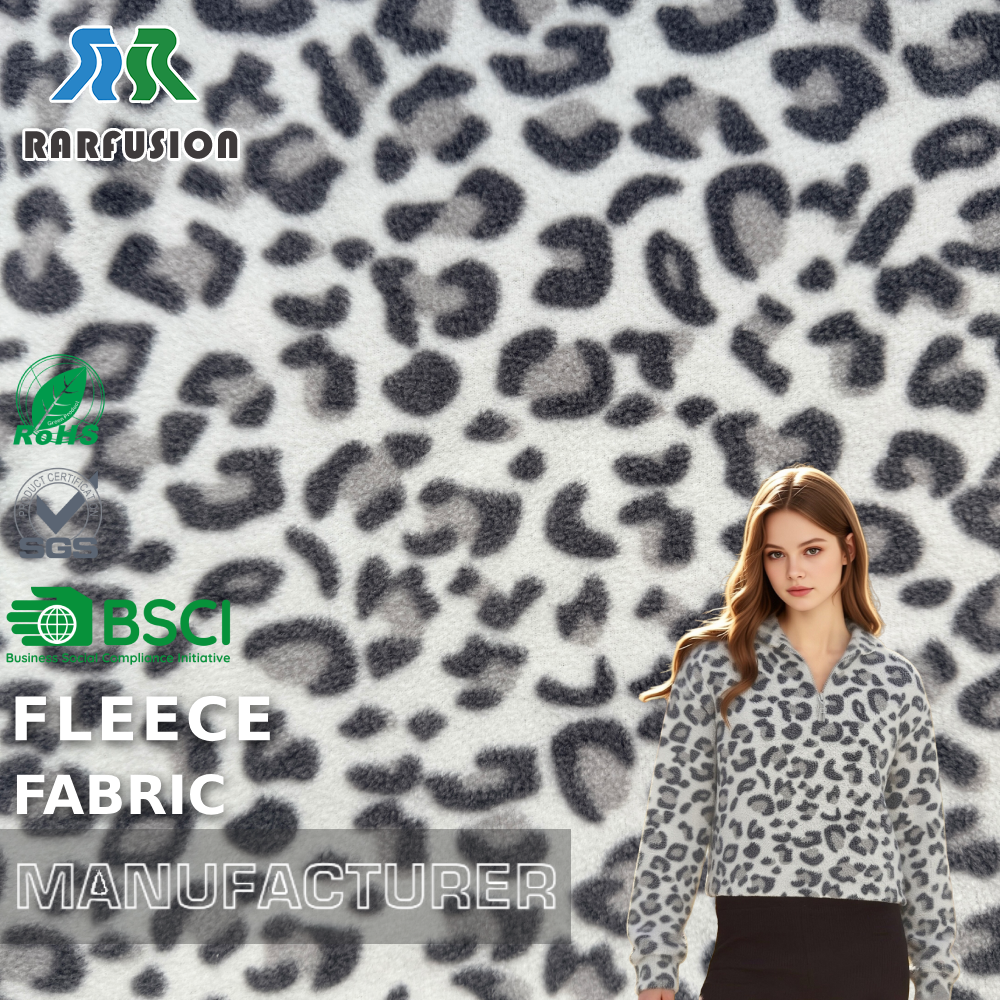
Key Specifications to Consider in Leopard Print Fabric Sourcing
When sourcing leopard print fabric, several specifications should be taken into account to ensure it meets your needs:
Material Composition: Common materials include polyester, cotton, and blends. Each material has distinct properties affecting comfort, durability, and maintenance. Polyester is often favored for its strength and easy care, while cotton offers breathability and softness.
Print Quality: The quality of the leopard print can vary significantly. Ensure that the printing technique used (such as digital or screen printing) provides vibrant colors and does not fade after washing. Checking for colorfastness is essential to maintain the fabric's appearance over time.
Weight and Thickness: Fabric weight is usually measured in grams per square meter (GSM). Lighter fabrics (around 150-200 GSM) are suitable for garments, while heavier fabrics (above 250 GSM) are better for upholstery. Confirm that the reliable suppliers of leopard print fabric chosen weight aligns with your application needs.
Width: Standard fabric widths can vary, typically from 110 cm to 150 cm. Depending on your project, you may need a specific width, which can impact the amount of fabric required and the overall cost.
Certifications: If your project involves children’s products or apparel, look for certifications such as OEKO-TEX® or GOTS, which ensure the fabric meets safety and environmental standards.