Knit fabric is a versatile textile that plays a crucial role in various industries, from apparel to upholstery. For B2B buyers, understanding the intricacies of sourcing high-quality knit high-quality knit fabric is essential to ensure that their projects meet performance, aesthetic, and cost requirements. This article will address key considerations for evaluating sweatshirt fleece knit fabric, specifications to look for, cost factors that influence purchasing, installation guidance for various applications, and a comparison of different types to help you make informed decisions in your sourcing process.
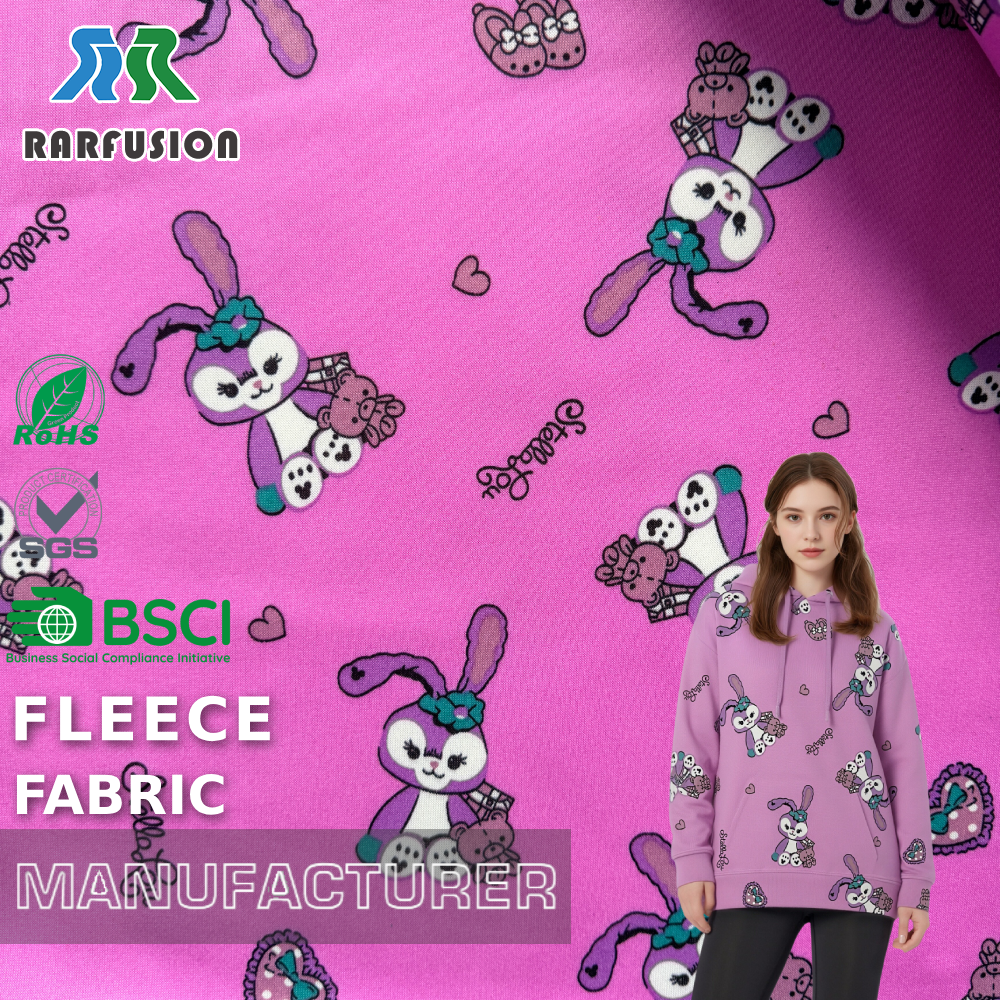
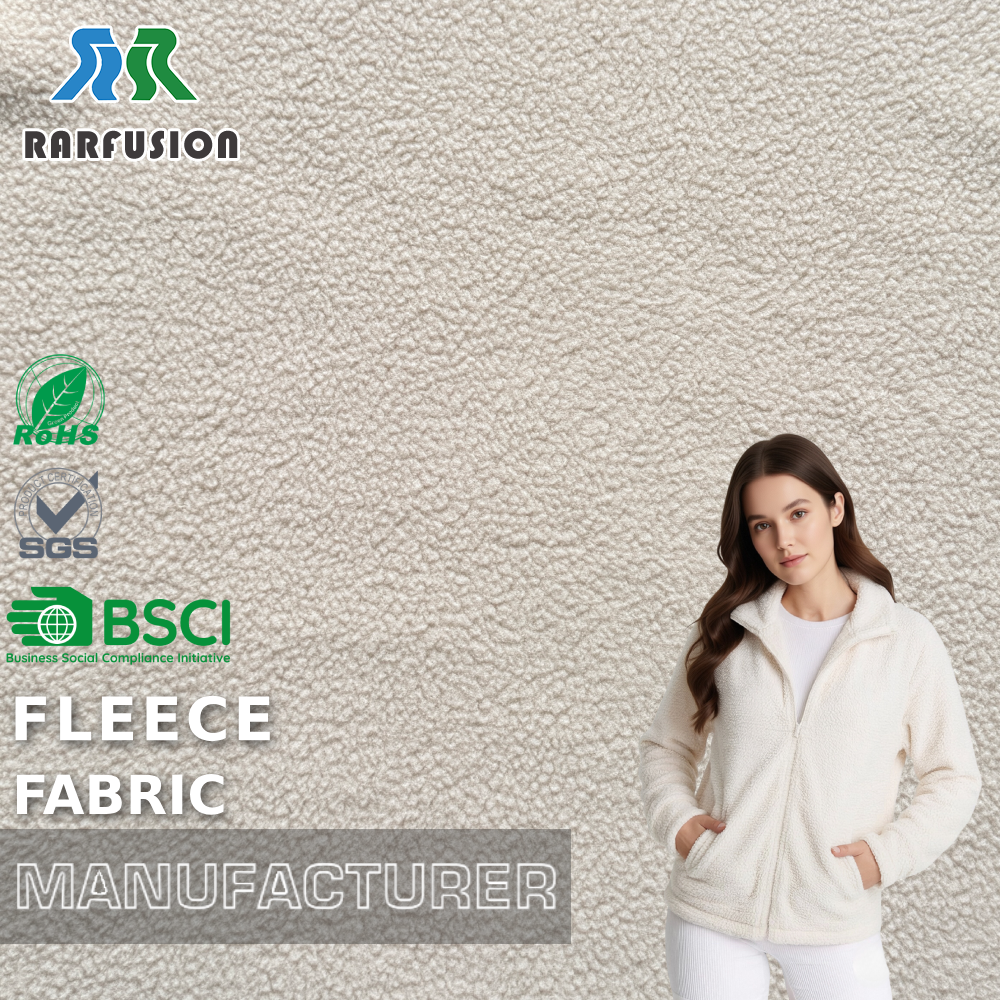
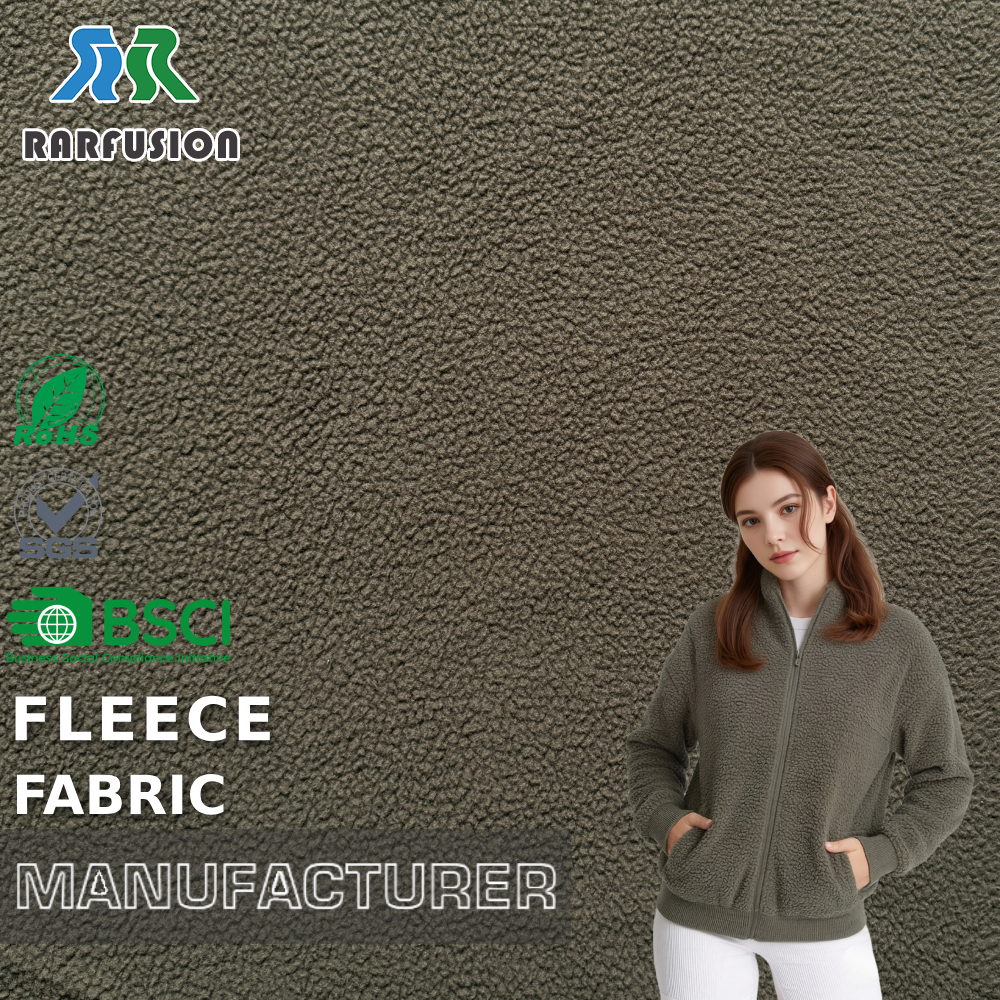
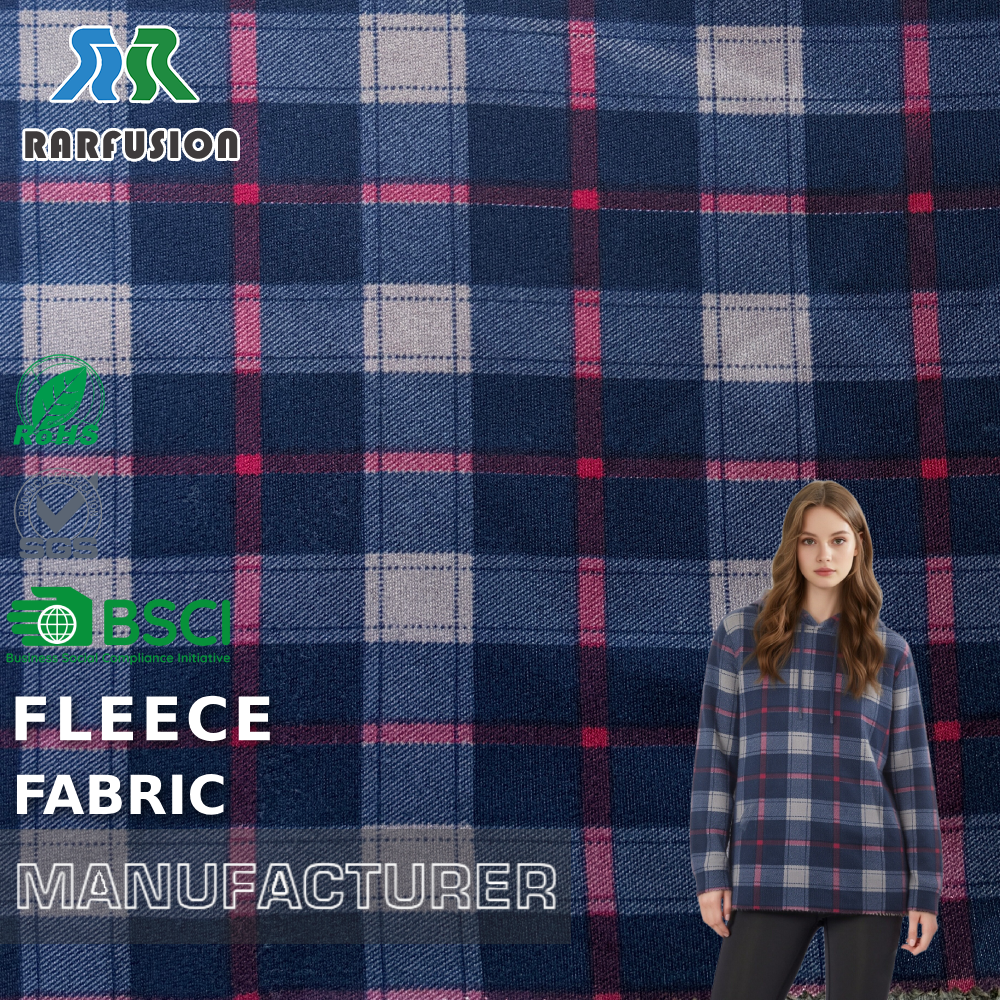
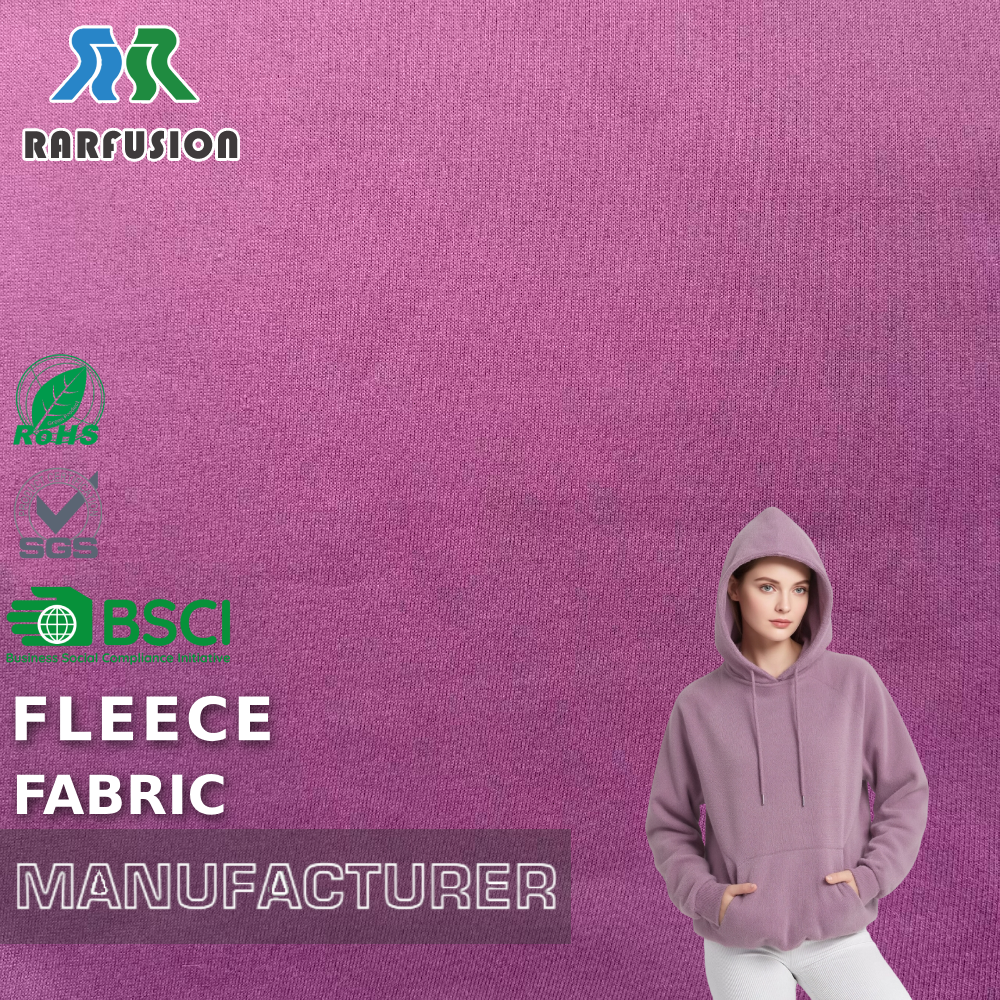
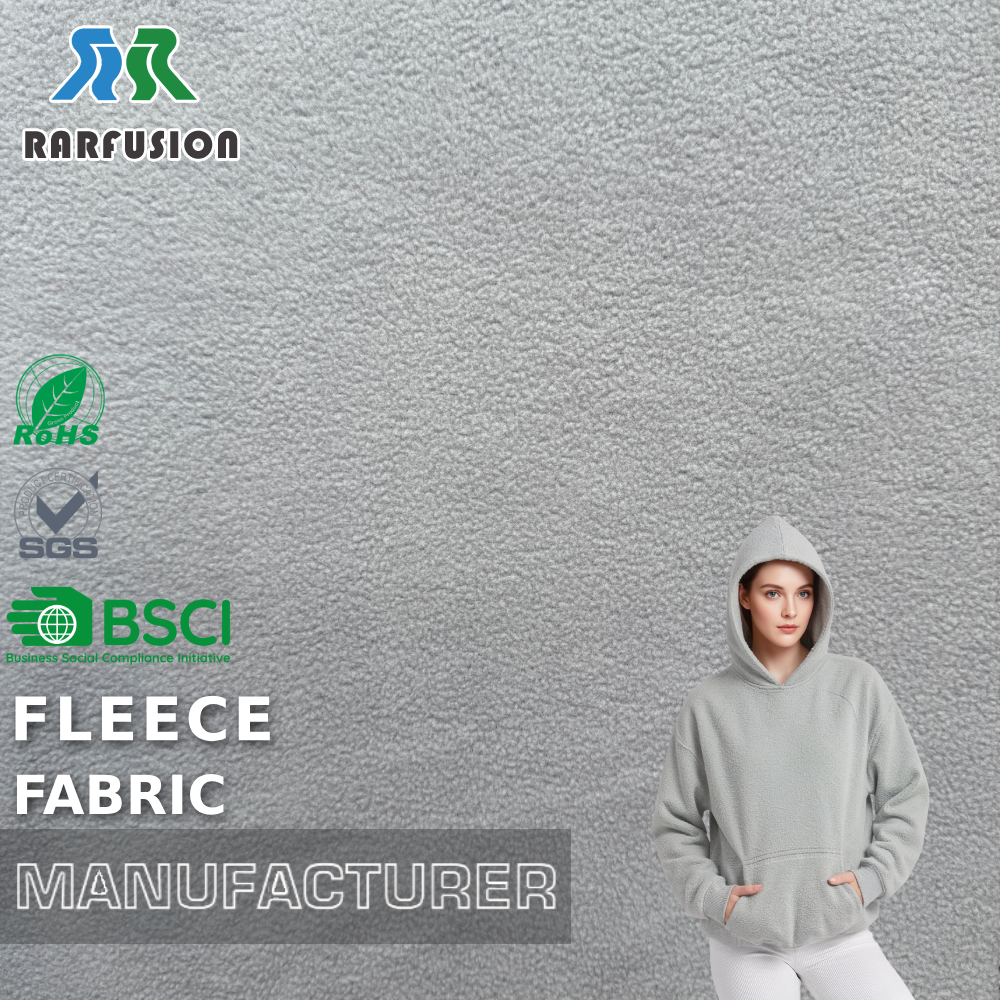
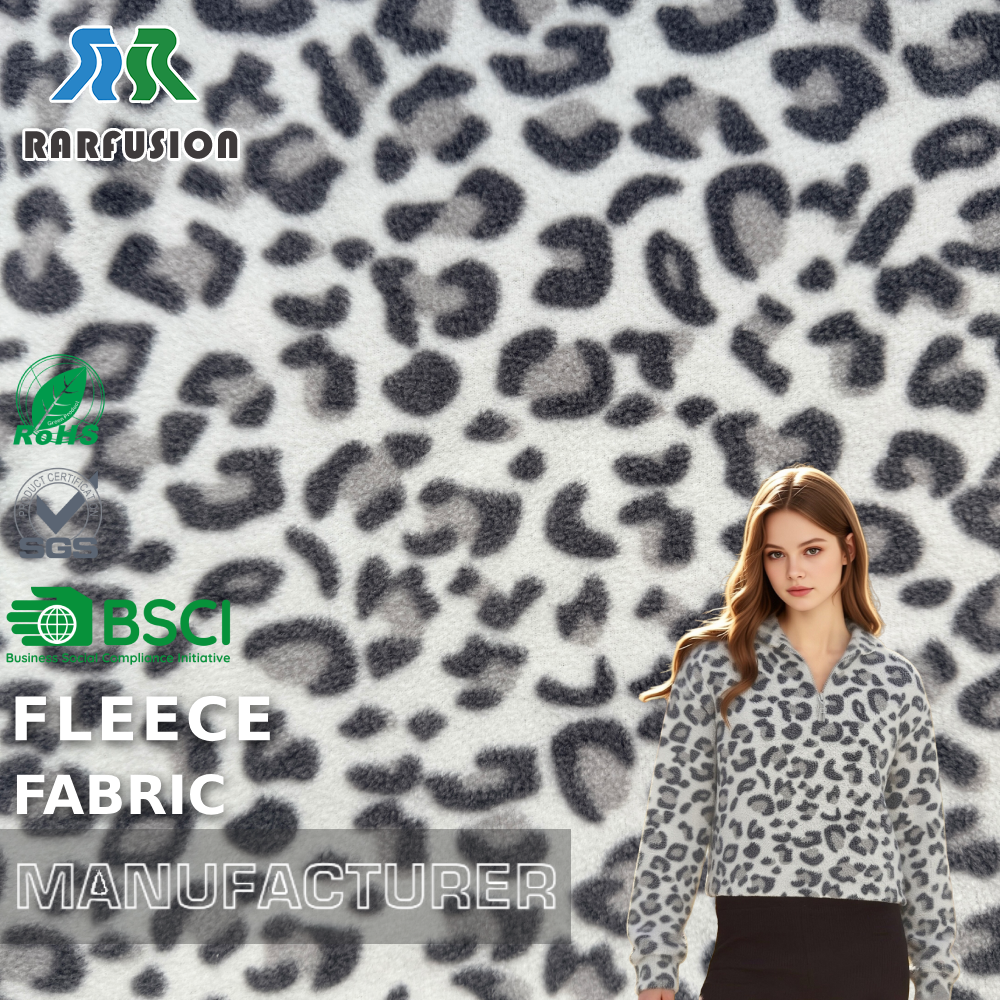
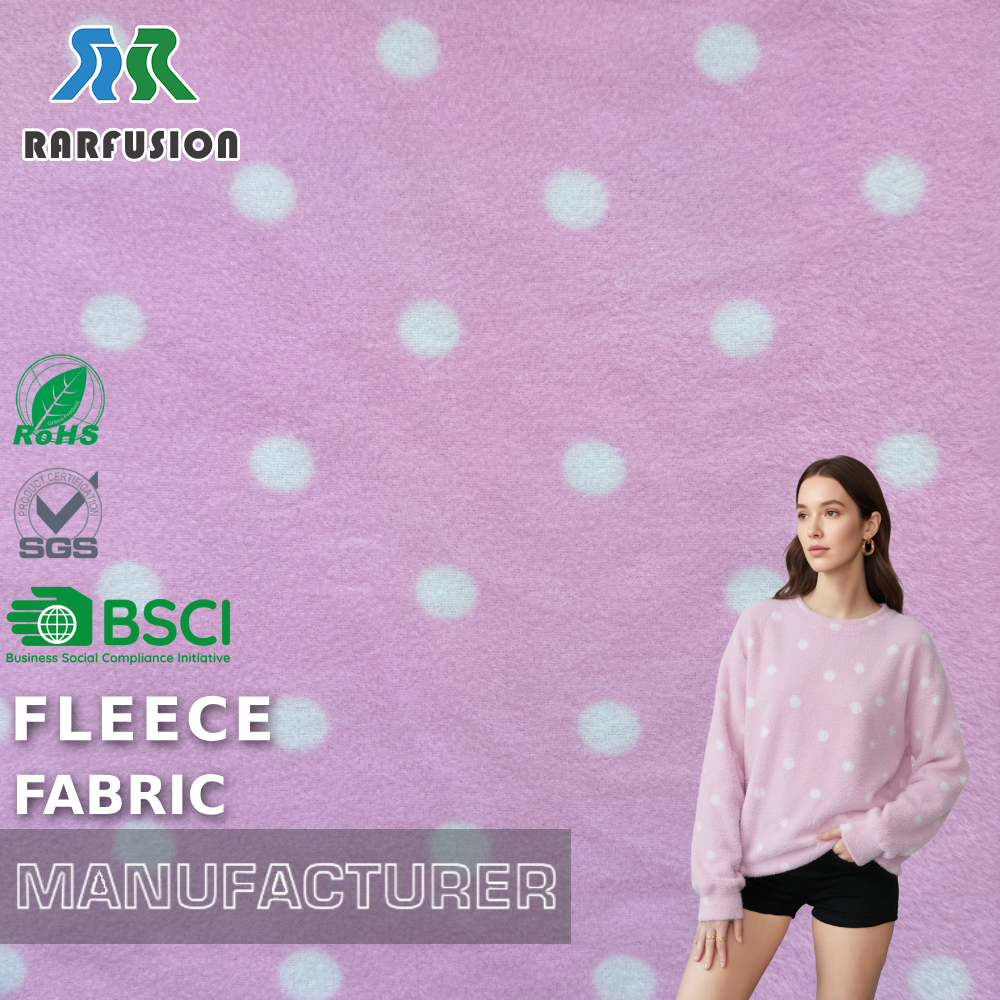
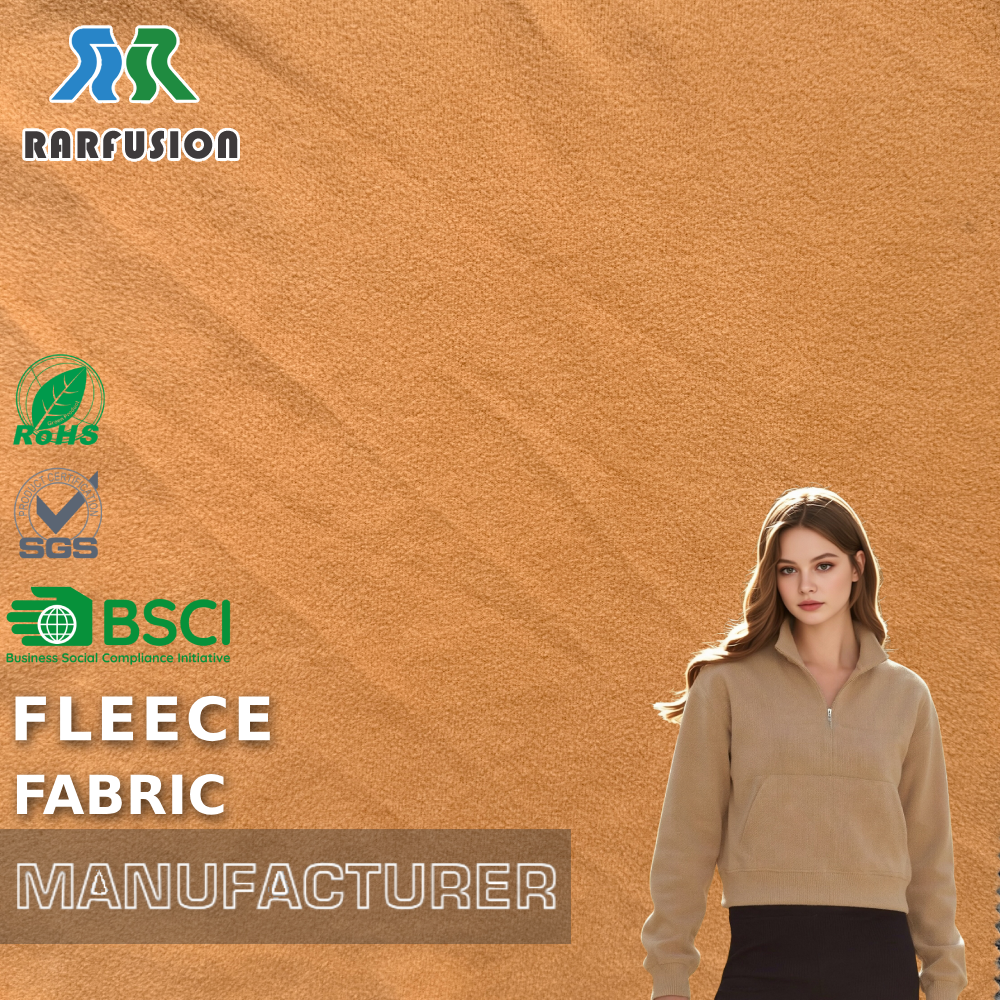
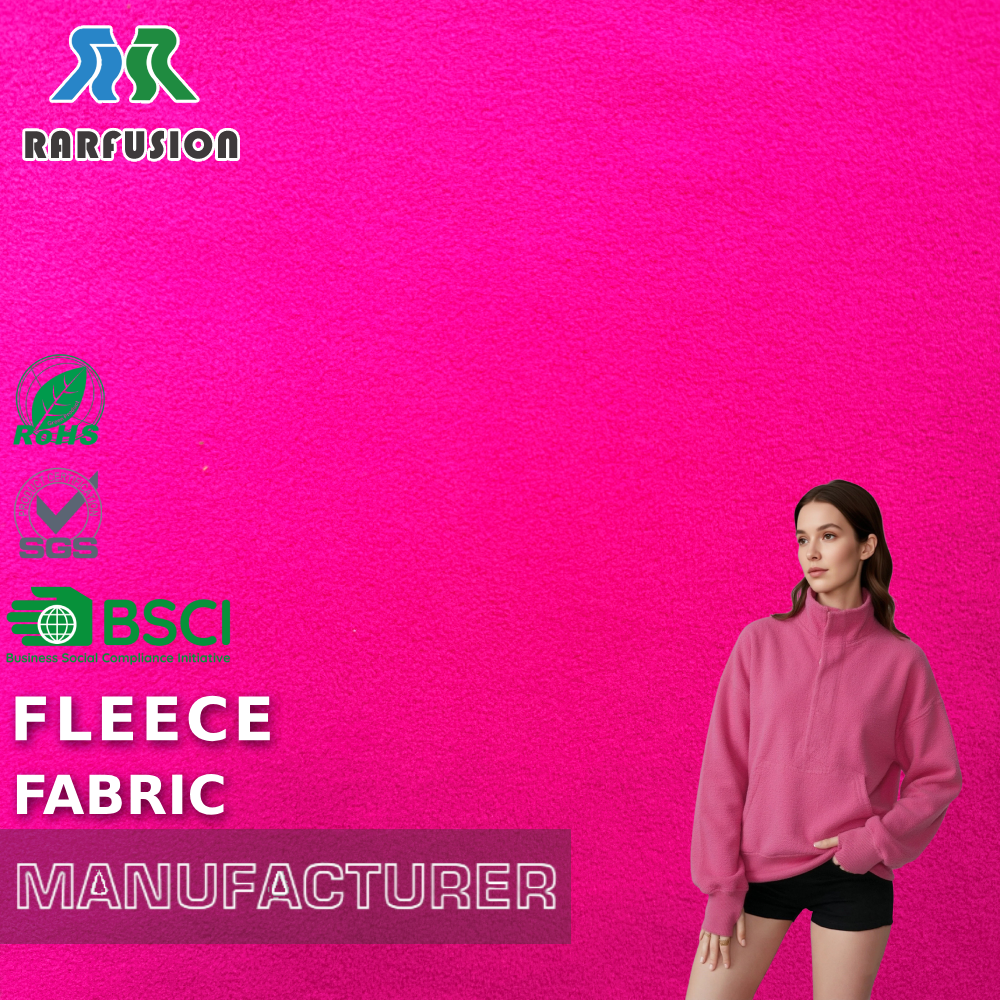
Key Specifications for Sourcing High-Quality Knit Fabric
When sourcing knit fabric, certain specifications are critical to ensure it meets your project's needs. Key elements include:
Material Composition: Common materials for knit fabrics include cotton, polyester, and blends. Each material offers different characteristics; for example, cotton provides breathability, while polyester often enhances durability and moisture-wicking properties.
Weight: The weight of the fabric (measured in grams per square meter, or GSM) affects its application. Lighter high-quality knit fabric are suitable for t-shirts and activewear, while heavier high-quality knit fabric are preferable for winter garments or upholstery.
Stretch and Recovery: The high-quality knit fabric ability to stretch and return to its original shape is crucial, especially in activewear. Look for specifications that detail the percentage of stretch and recovery rates.
Finishing Treatments: Finishing processes, such as dyeing, printing, or applying water-repellent coatings, can enhance the fabric's functionality and aesthetic appeal. Always verify that the treatments used are suitable for your intended application.
Certifications: Check for any relevant certifications like Oeko-Tex or GOTS, which can assure buyers about the fleece lined knit fabric safety and environmental standards.