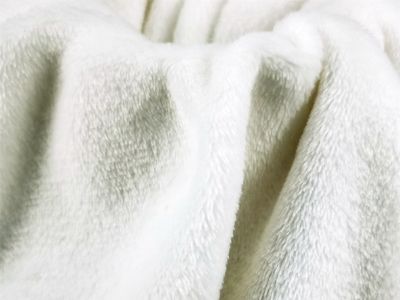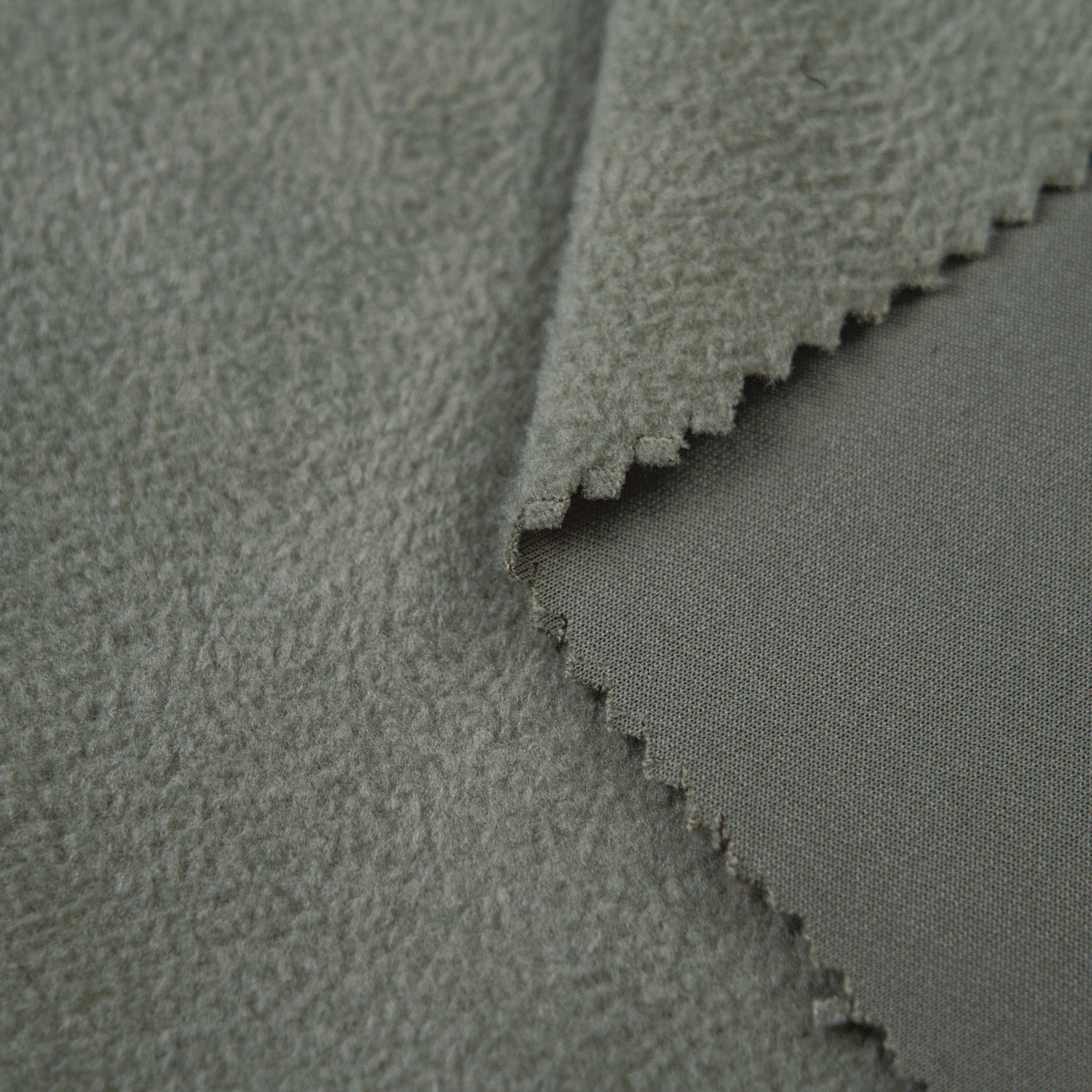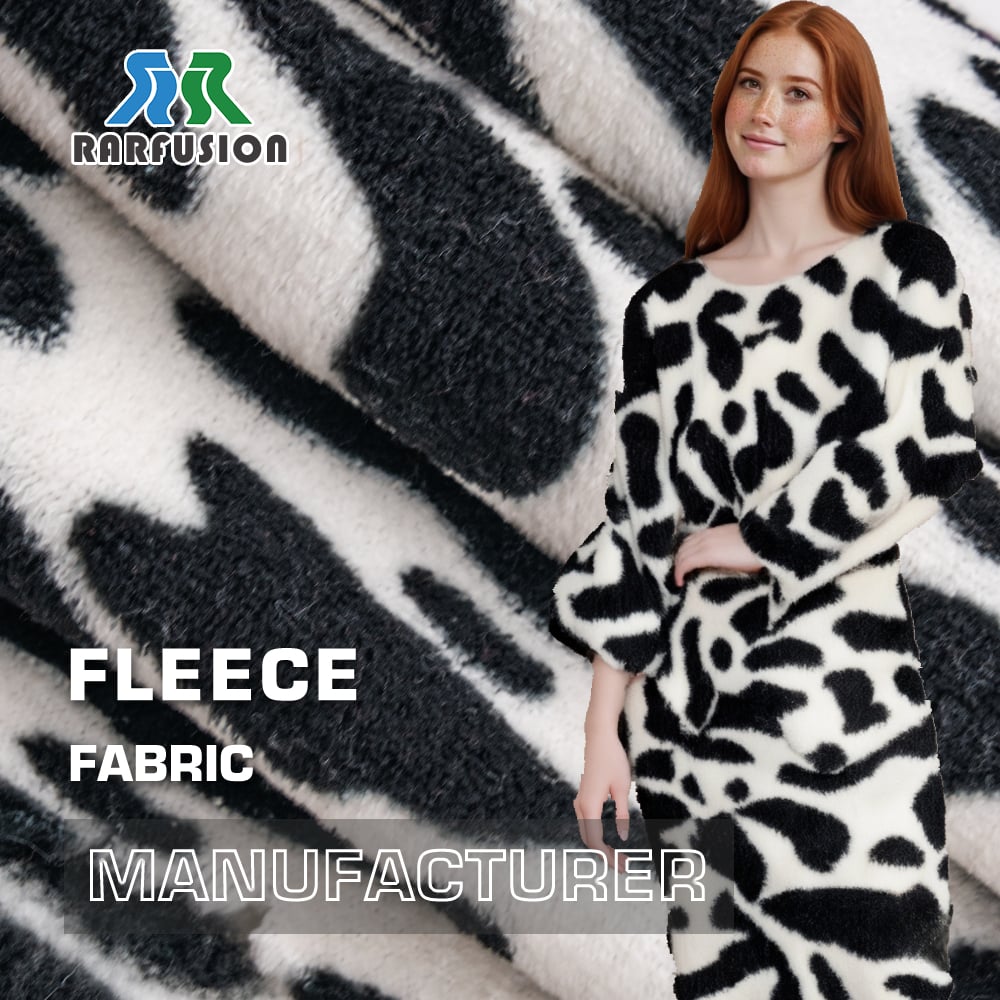
Polar fleece fabric is a popular synthetic textile known for its warmth, softness, and versatility in various applications. Understanding how polar fleece fabric is made is essential for B2B buyers, such as purchasing managers and product developers, who seek high-quality polar fleece fabrics materials for their projects. This article will explore the manufacturing process, key specifications to consider when sourcing, how to evaluate quality, the benefits of using polar fleece, and cost factors to keep in mind when purchasing in bulk.
Key Specifications to Consider When Sourcing Polar Fleece Fabric
When sourcing polar fleece fabric, several key specifications should be evaluated:
Weight: Measured in grams per square meter (GSM), the weight affects the warmth and thickness of the fabric. Lighter fabrics are suitable for layering, while heavier options provide more insulation.
Thickness: The thickness of the fleece impacts its durability and warmth. Buyers should consider the intended use when selecting thickness; for example, thicker fleece may be ideal for outerwear, while thinner options are better for linings.
Fabric Type: Polar fleece can vary in type, including microfleece, regular fleece, and heavy fleece. Each type has unique properties that make it suitable for specific applications.
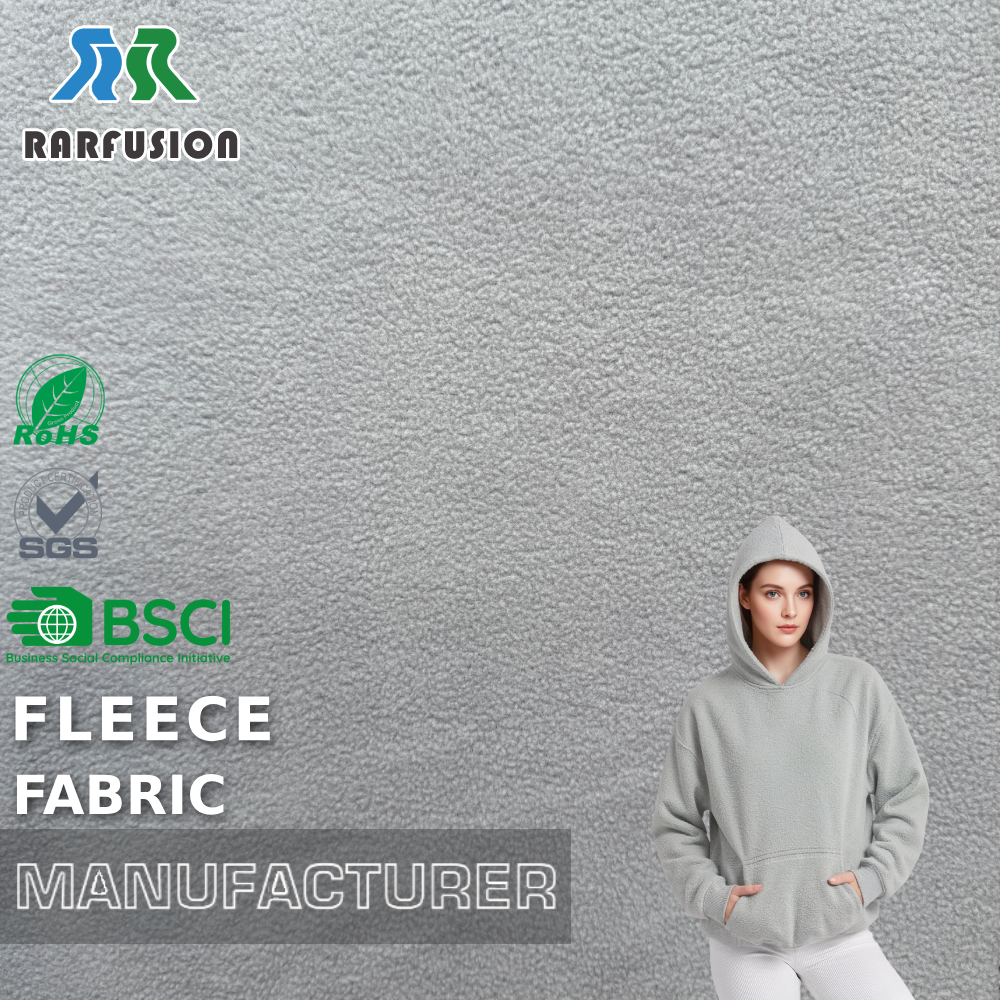
Finish: The finish of the fabric, whether it is brushed or unbrushed, influences its softness and appearance. Additionally, some finishes improve moisture-wicking properties, which can be crucial for activewear.
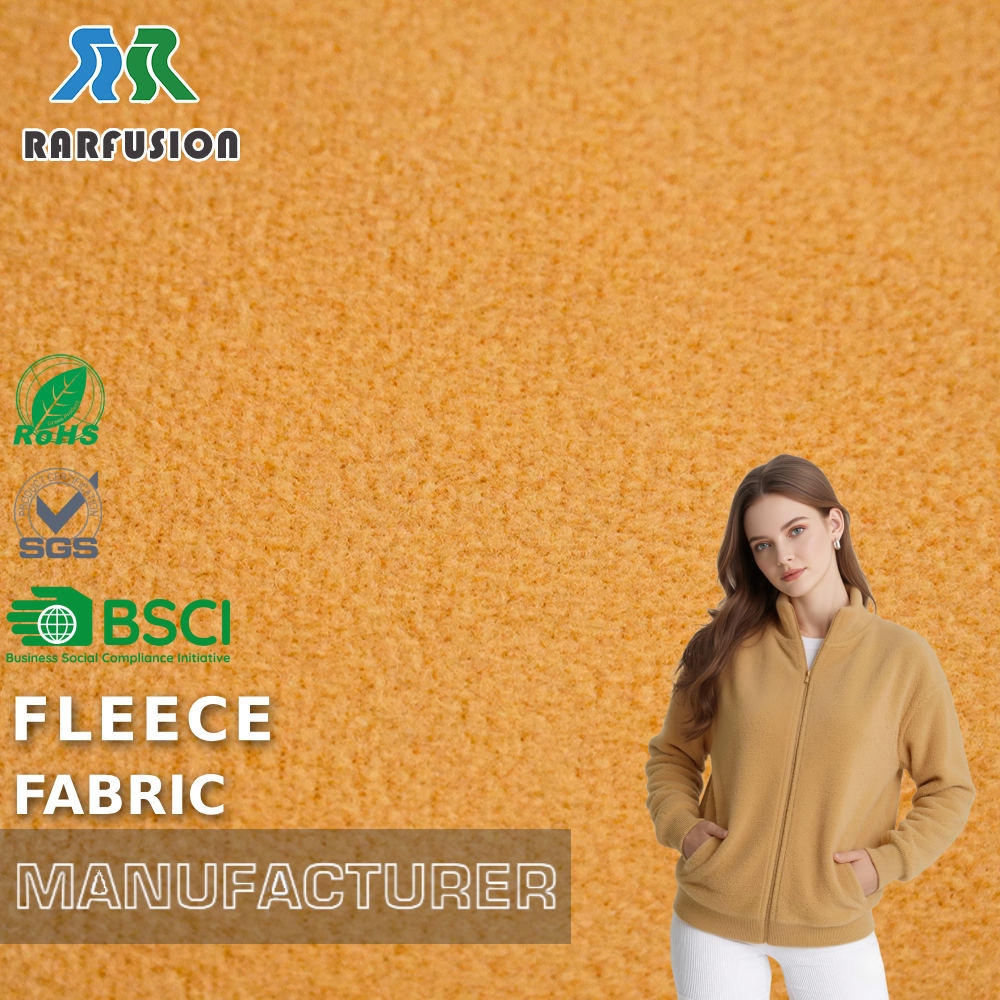
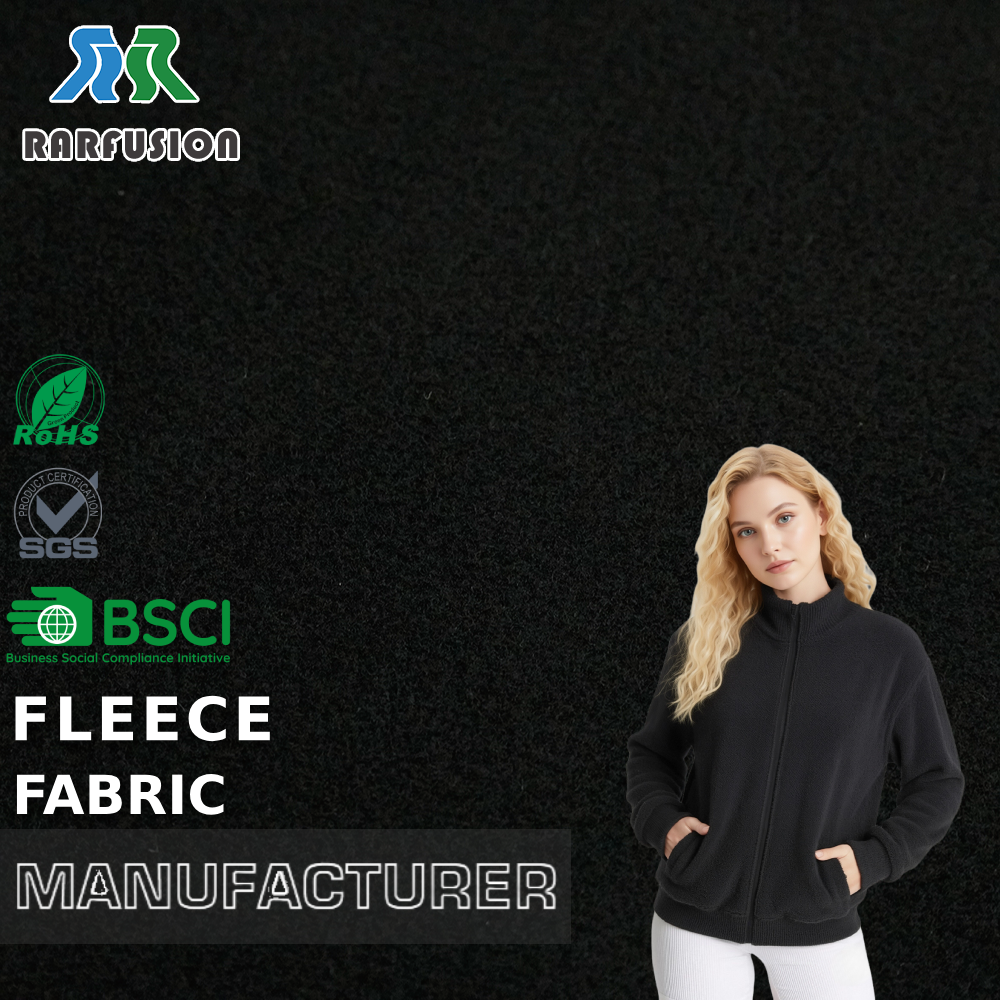
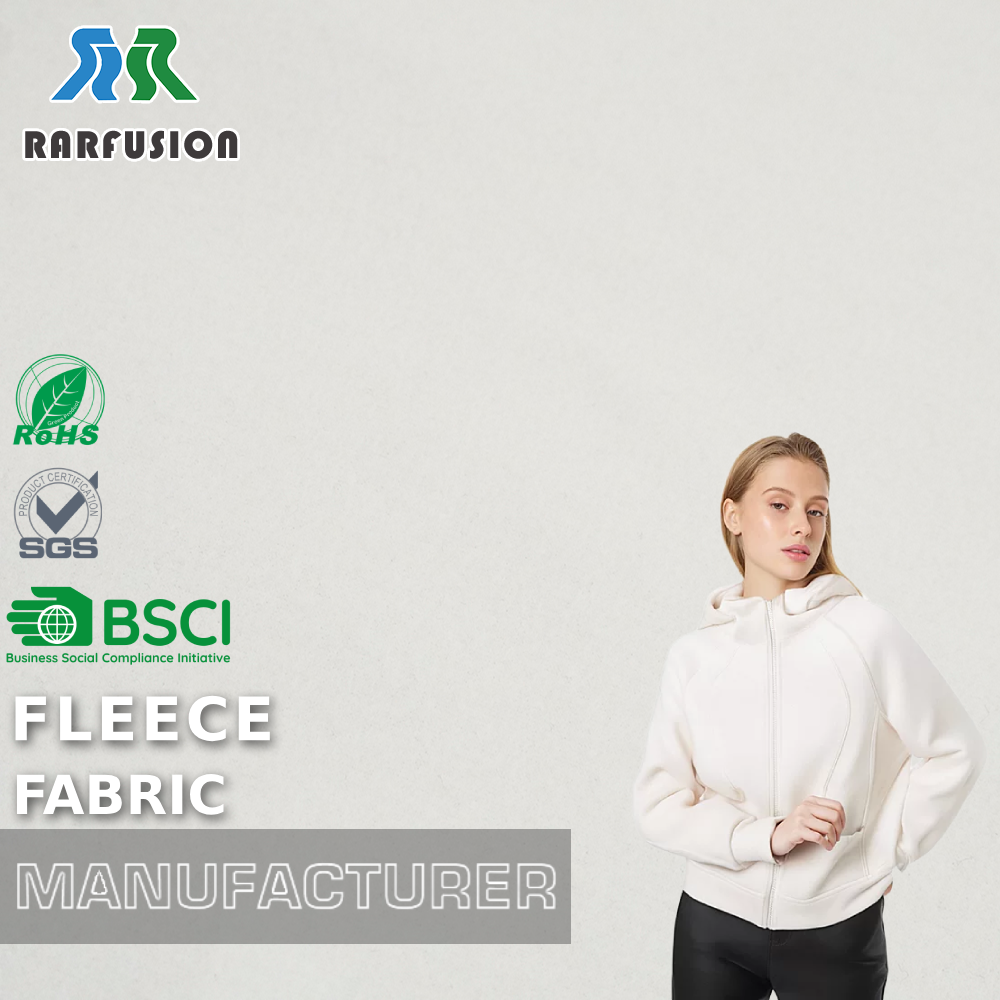
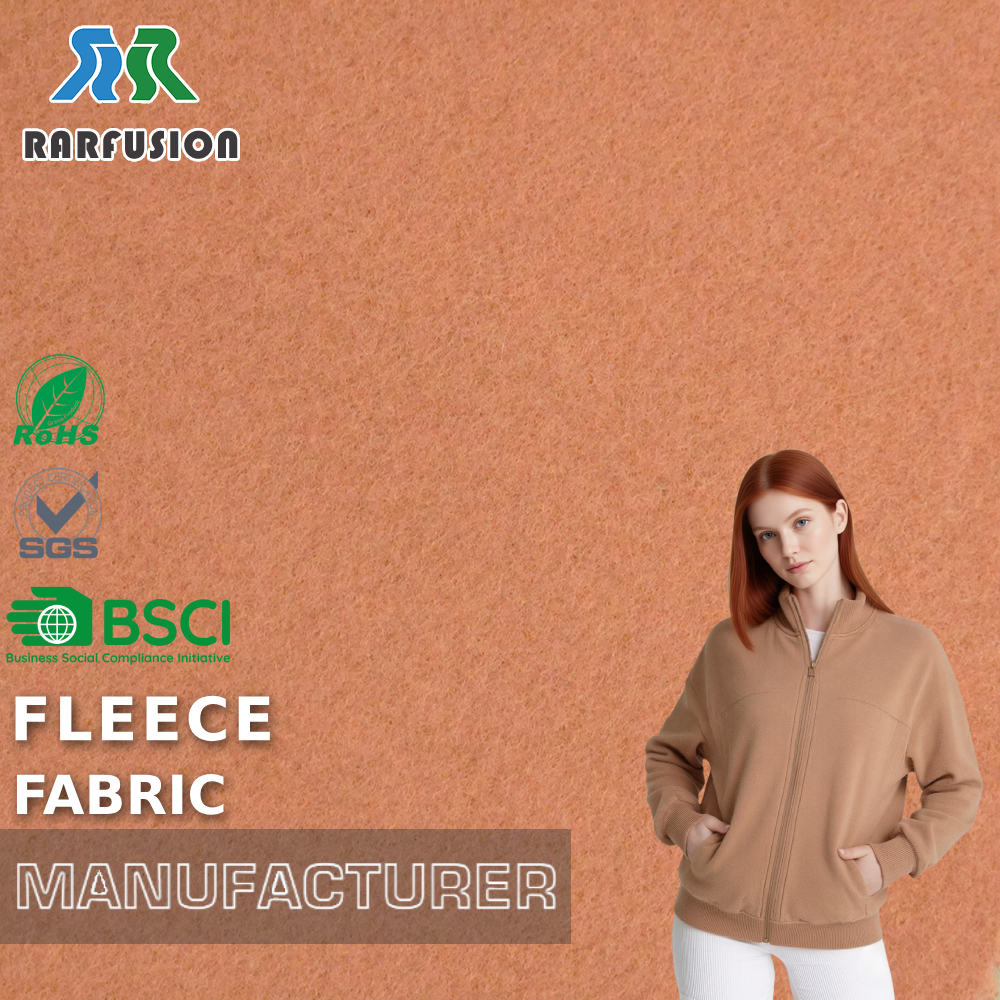
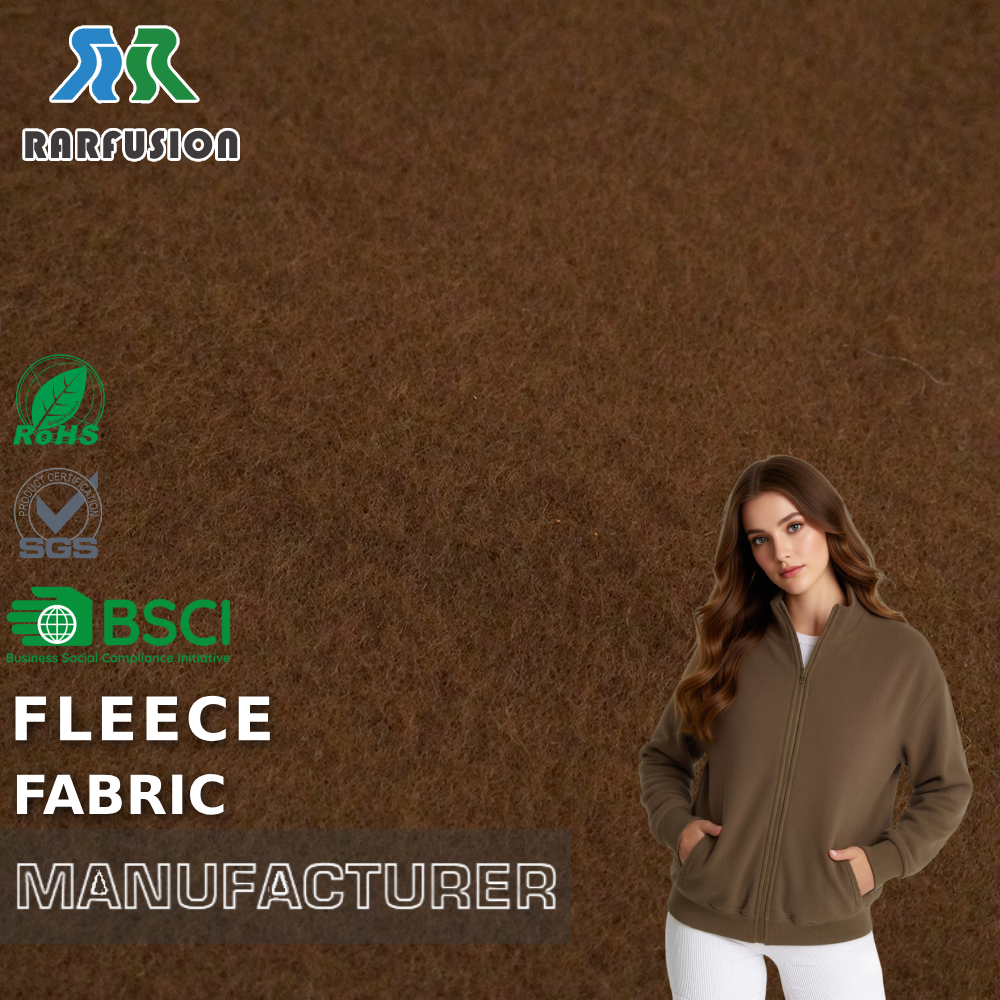
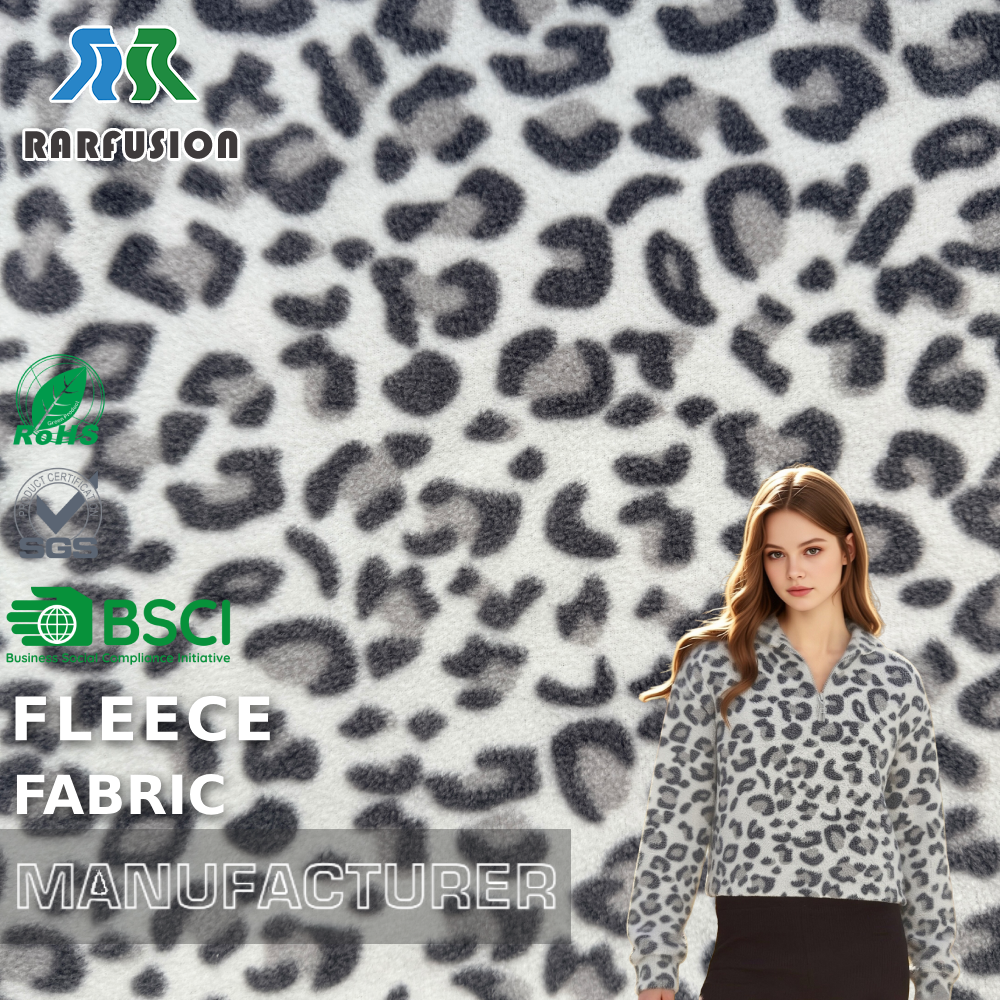
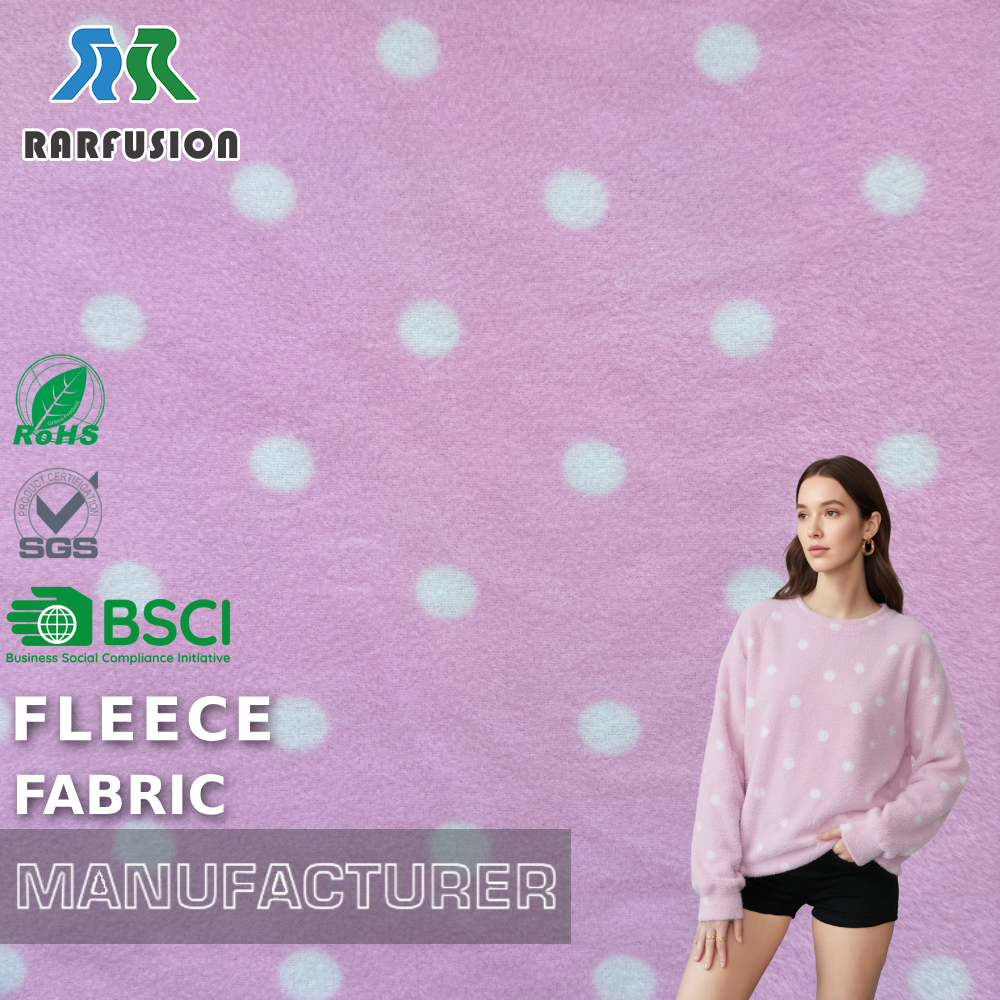
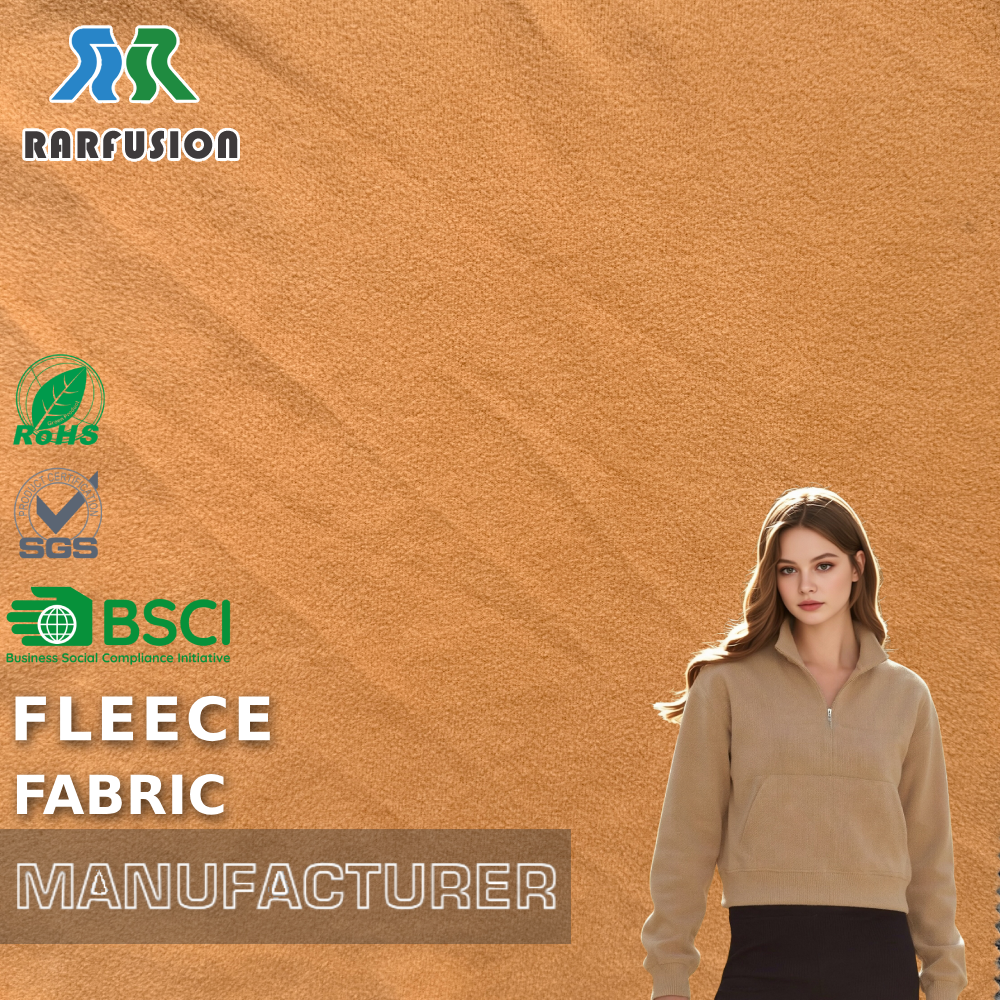
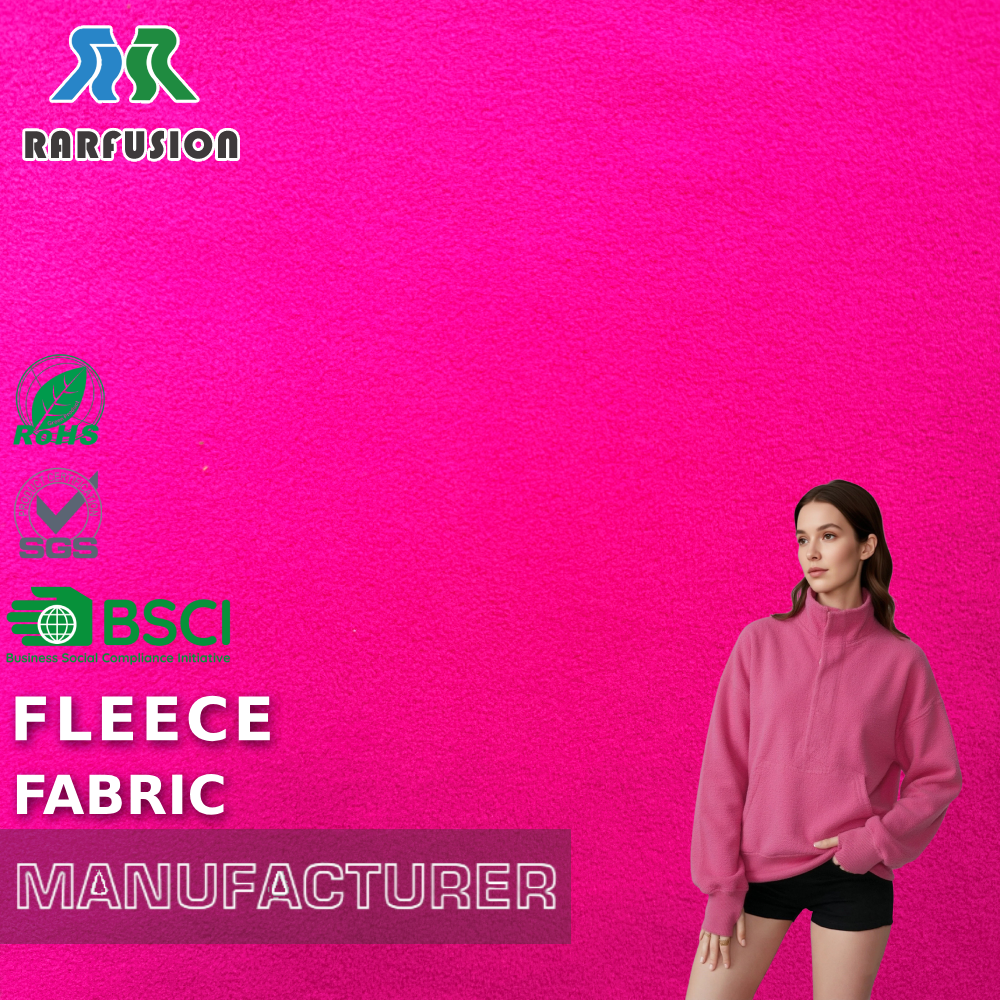
Color and Pattern: Customization options for color and print should also be considered, as they can enhance branding and aesthetic appeal in the final product.
Understanding these specifications allows buyers to make informed decisions that align with their project requirements.