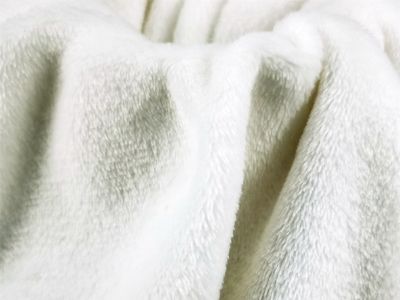
Fleece minky is a soft, plush fabric that's gaining popularity in various industries, particularly in the manufacturing of clothing, home textiles, and baby products. As a B2B buyer, understanding the nuances of cost factors fleece minky fabrics, including its specifications, quality indicators, and sourcing options, is crucial for making informed purchasing decisions. This article will delve into key considerations for selecting softshell fleece minky for wholesale needs, evaluating quality, sourcing suppliers, understanding cost factors, and installing the fabric in various applications.
Key Specifications to Evaluate Fleece Minky Quality
Quality evaluation of source fleece minky suppliers involves understanding several key specifications:
Material Composition: Most cost factors fleece minky fabrics are made from polyester or a blend of polyester and spandex. Polyester offers durability and easy maintenance, while spandex adds stretch. Verify the fabric composition to ensure it meets your requirements.
Thickness and Density: As mentioned, GSM is a crucial indicator. Fabrics with a GSM of 200-300 are generally considered high-quality, offering a plush feel without compromising on durability.
Surface Finish: The texture of source fleece minky suppliers can range from standard to ultra-soft. A smooth finish may be preferable for baby products, while a more textured surface could be suitable for decorative applications.
Colorfastness and Printing Capability: If you plan to print designs on the fabric, ensure the fleece soft shell minky has good colorfastness. This will prevent fading and ensure the longevity of printed designs.
Certifications: Look for fabrics that meet safety and environmental standards, especially if the end products will be for children or sensitive applications. Certifications like Oeko-Tex Standard 100 indicate the fabric is free from harmful substances.