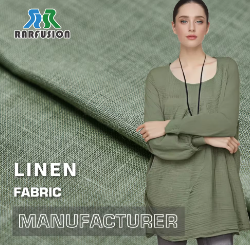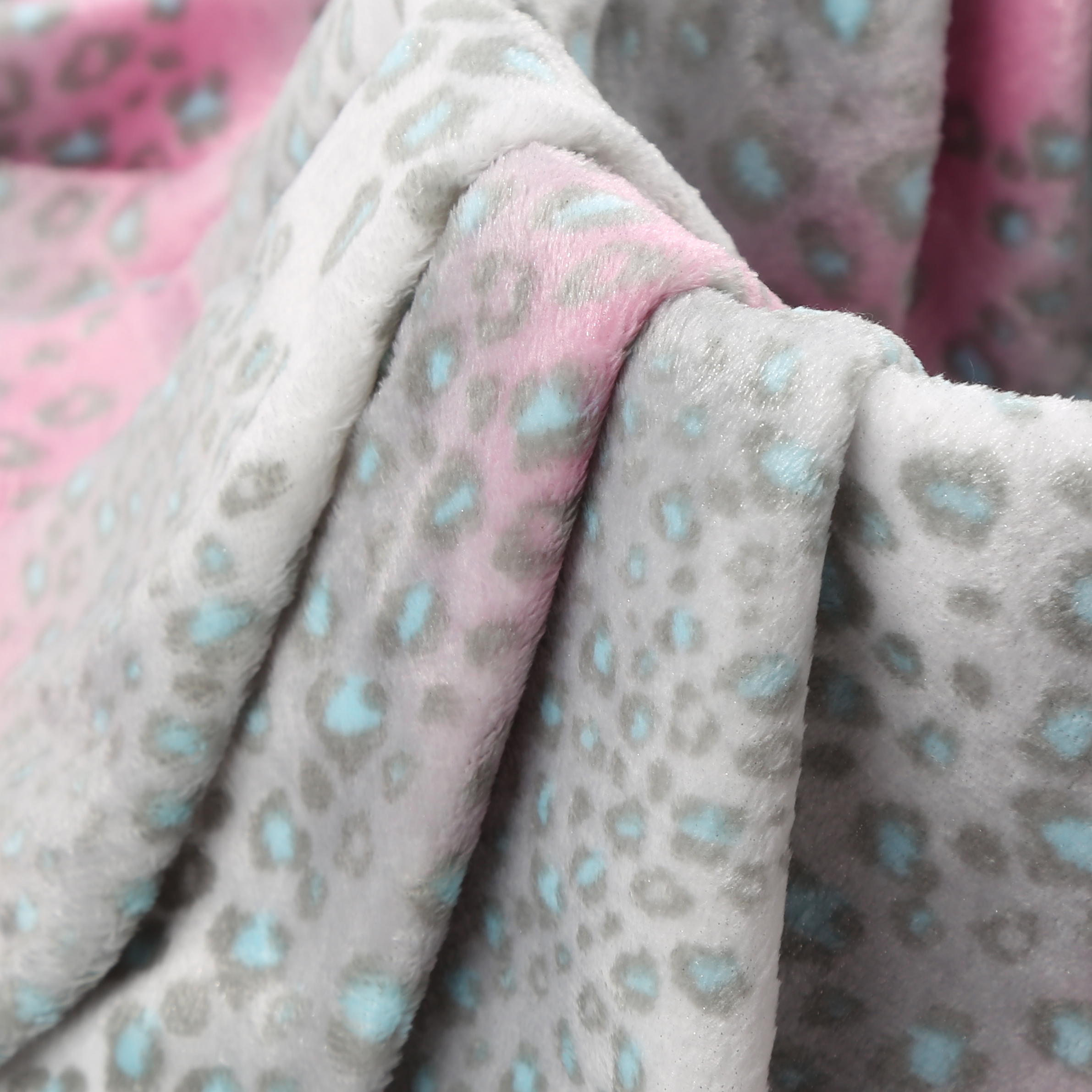
When sourcing materials for various applications, cotton polyester fabric stands out as a versatile option. This fabric (as produced by Rarfusion) combines the softness and breathability of cotton with the durability and wrinkle resistance of polyester, making it ideal for a wide range of products, from clothing to home textiles. For B2B buyers, understanding the nuances of cotton polyester fabric is crucial to making informed purchasing decisions. This article will provide insights into selecting the right cotton polyester fabric for wholesale, key specifications to consider, reliable suppliers, installation guidance, and common issues that may arise—equipping you with the knowledge needed to optimize your procurement process
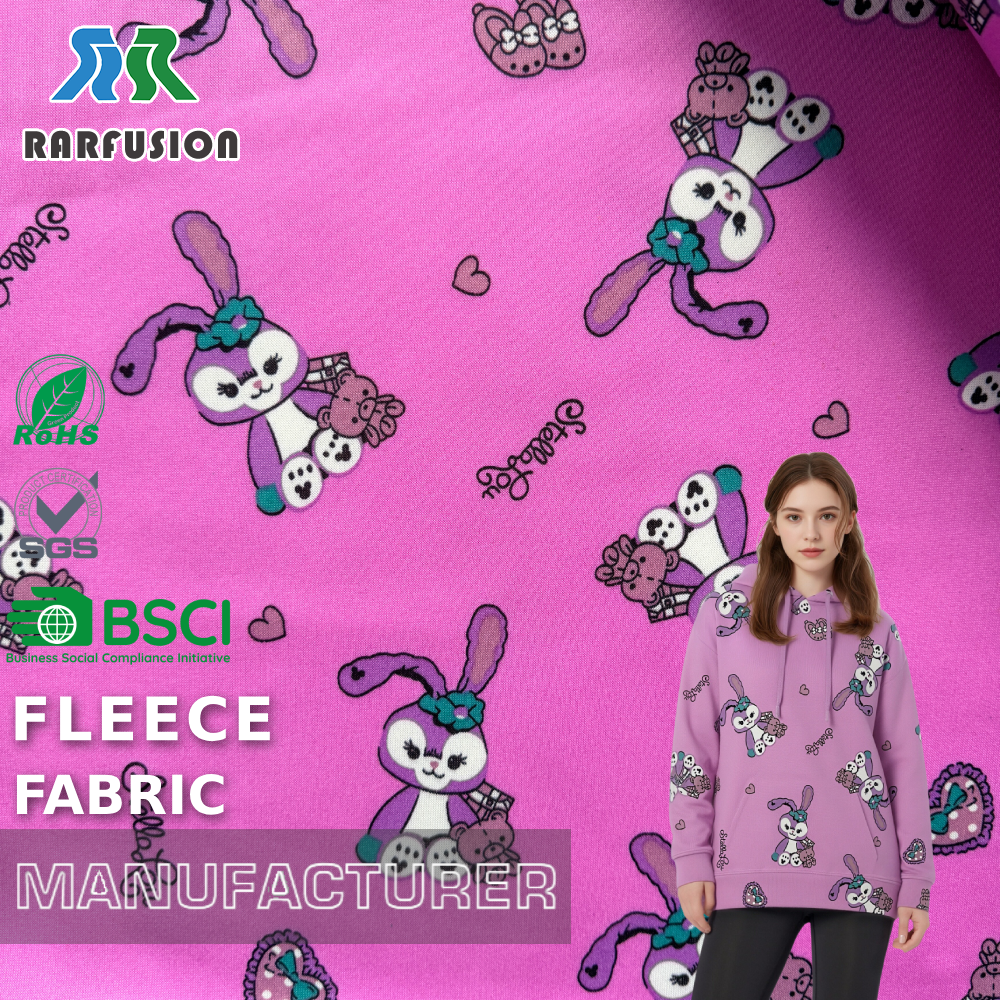
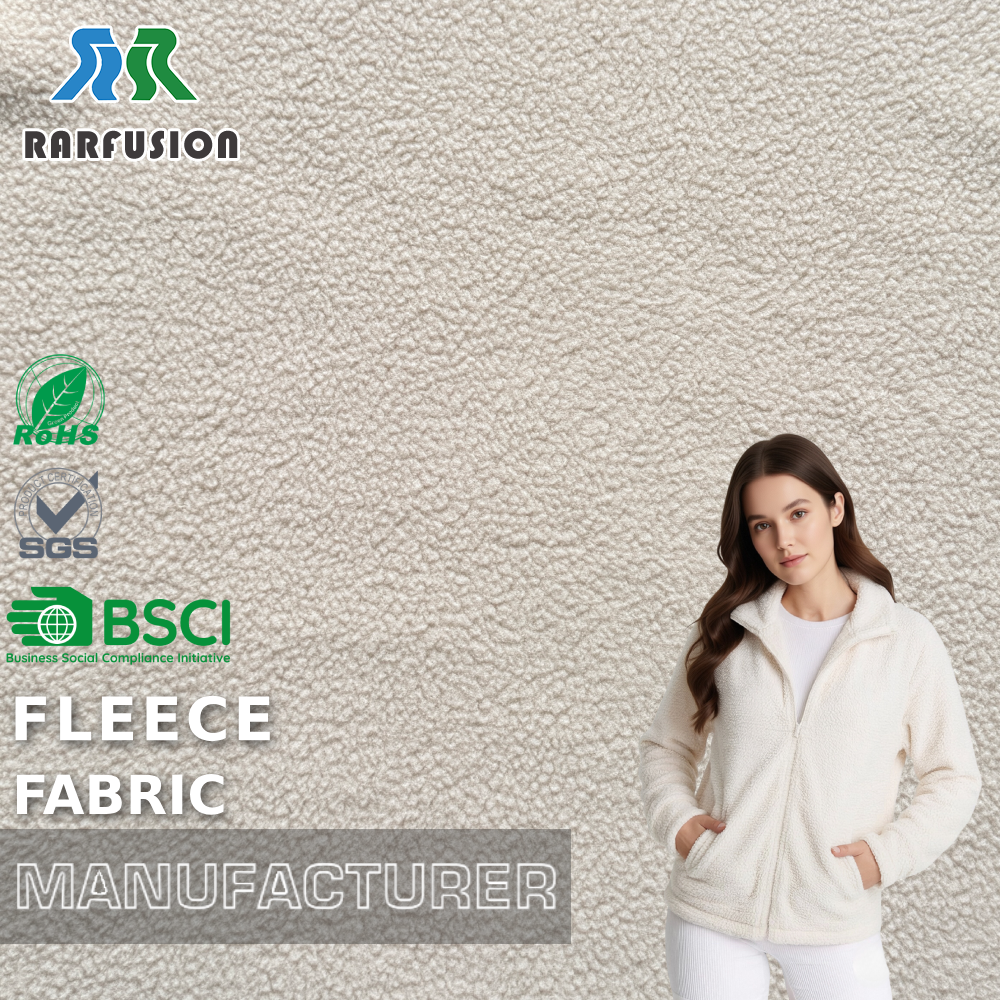
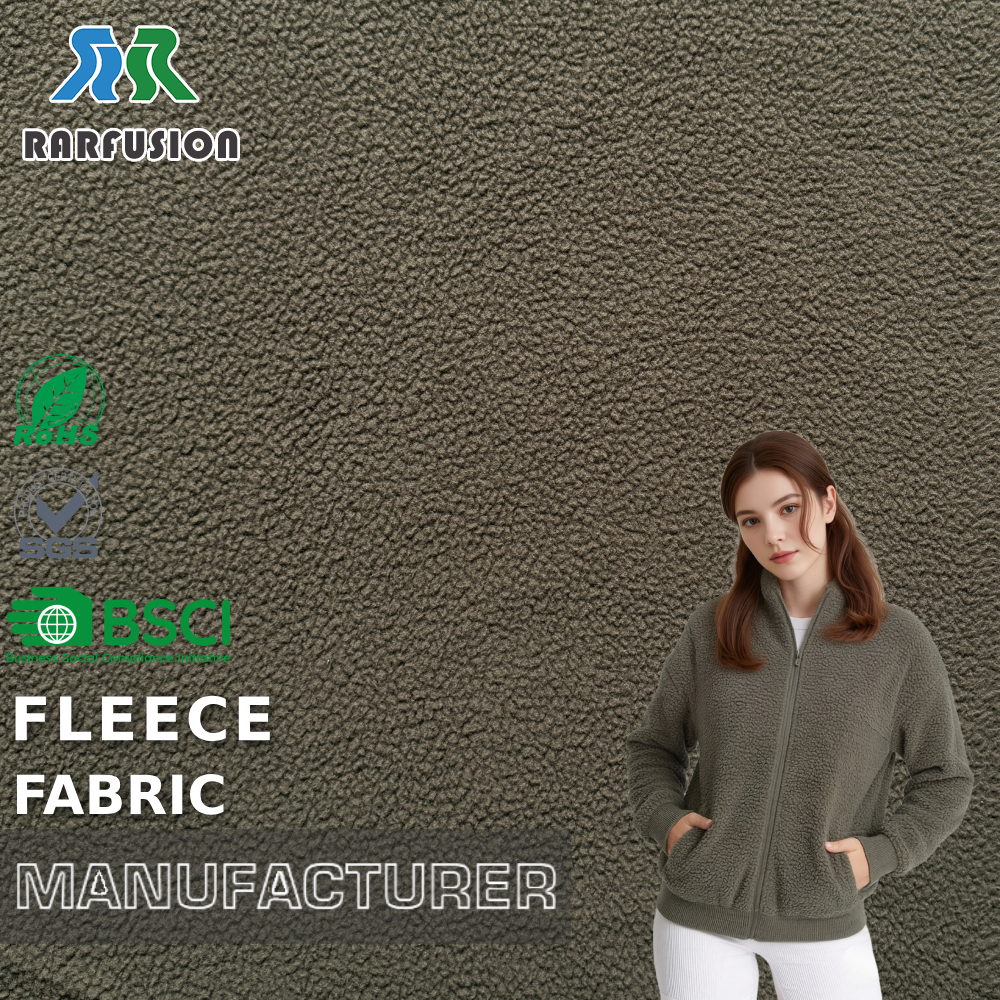
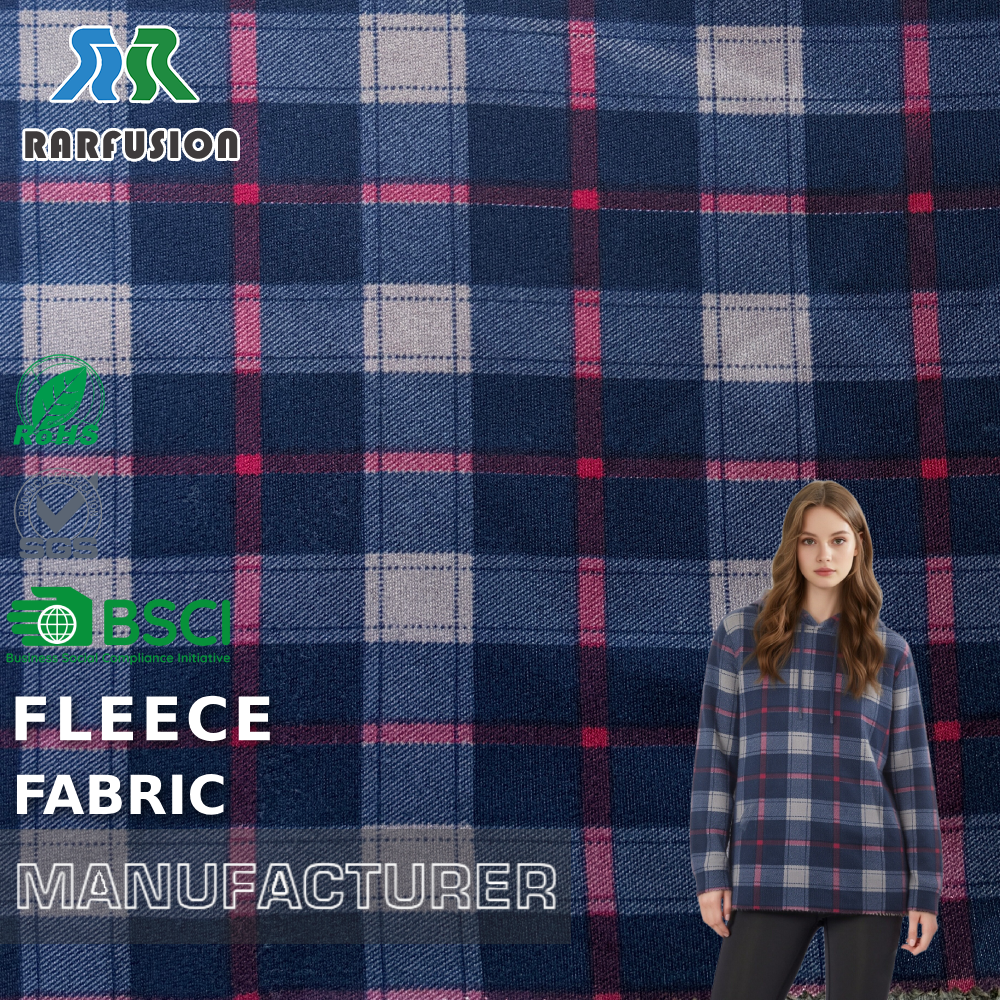
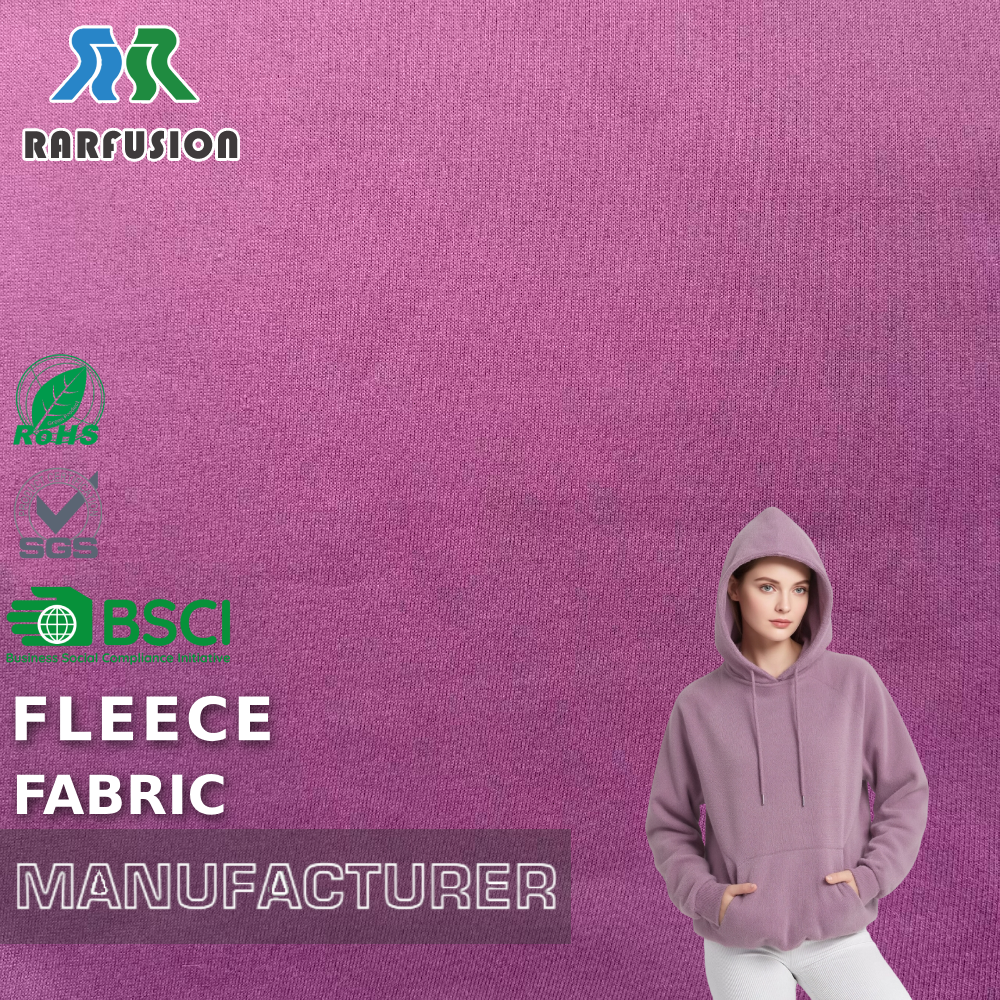
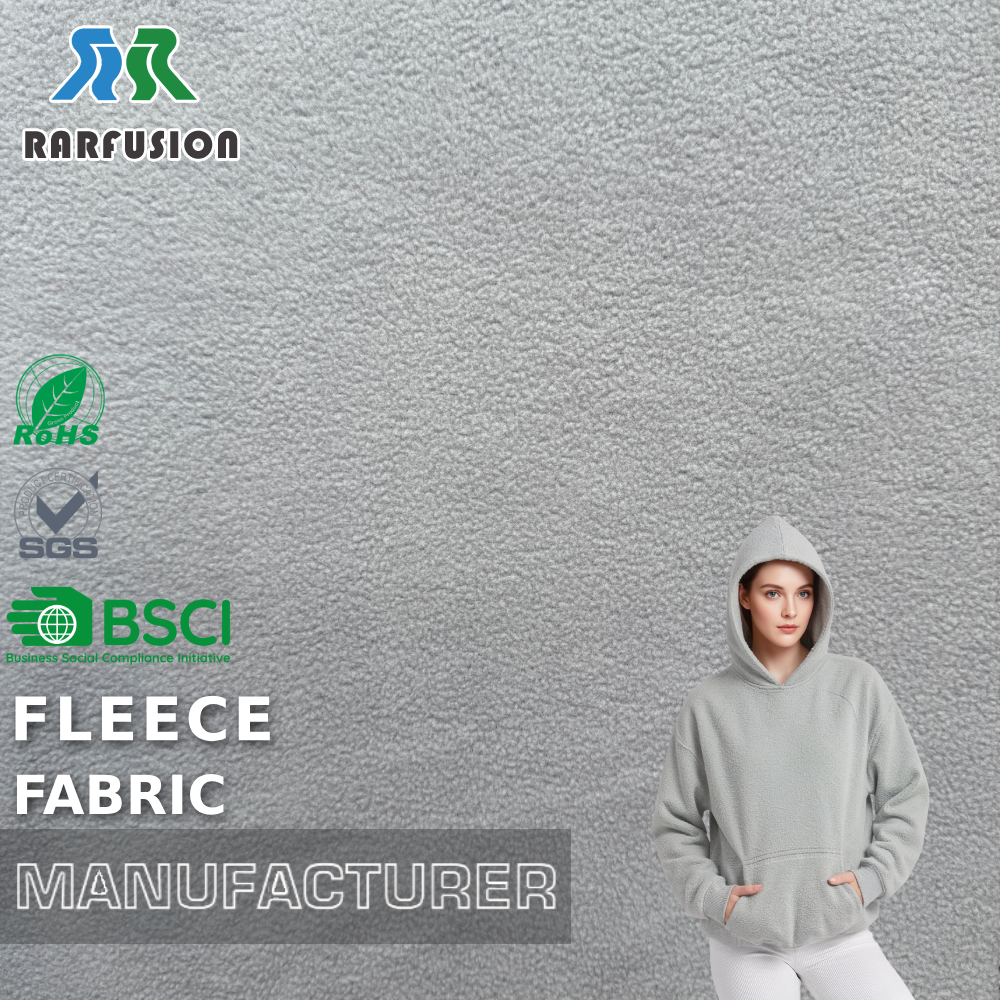
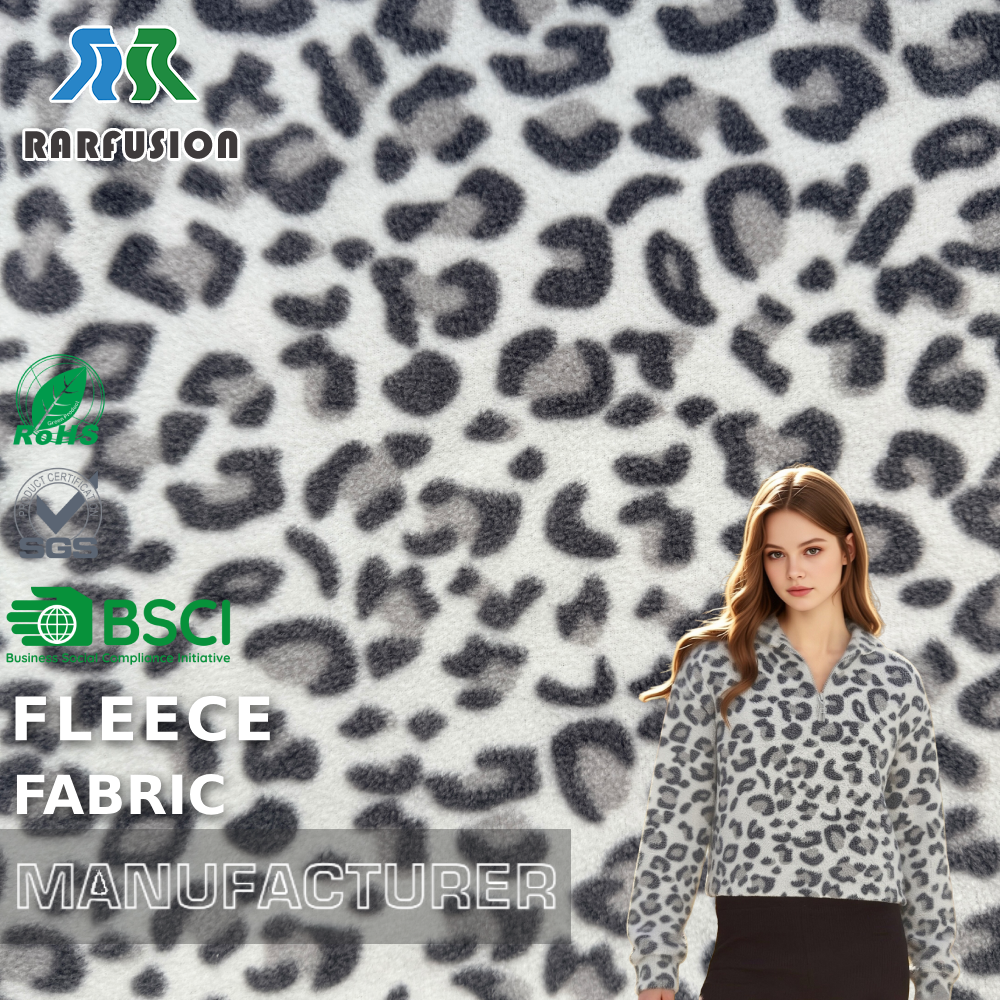
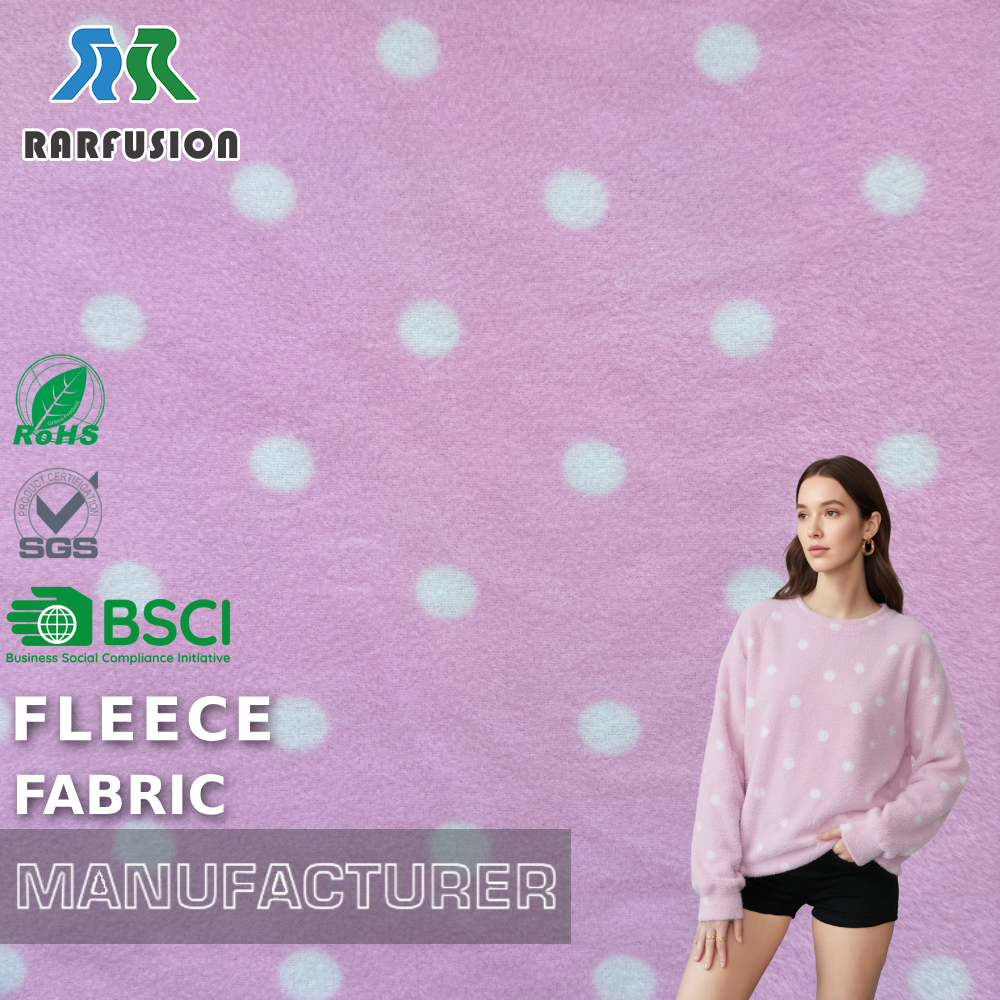
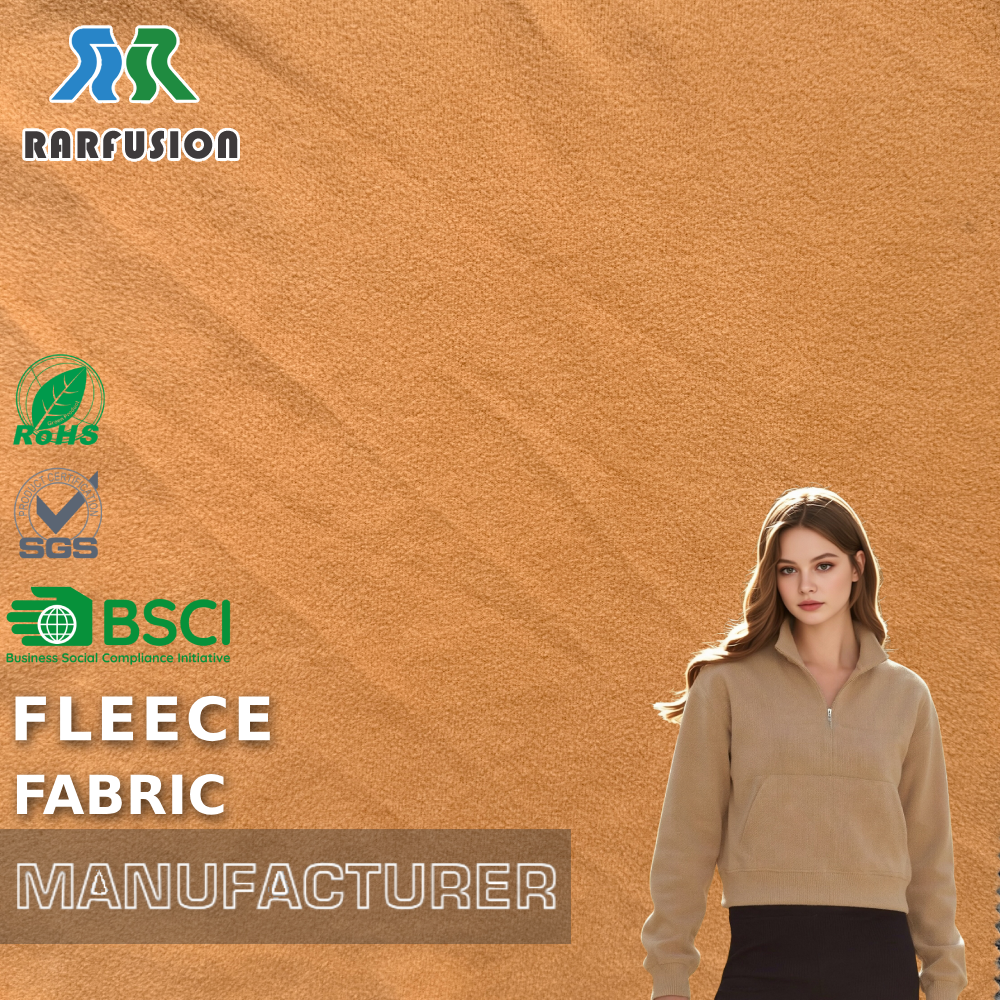
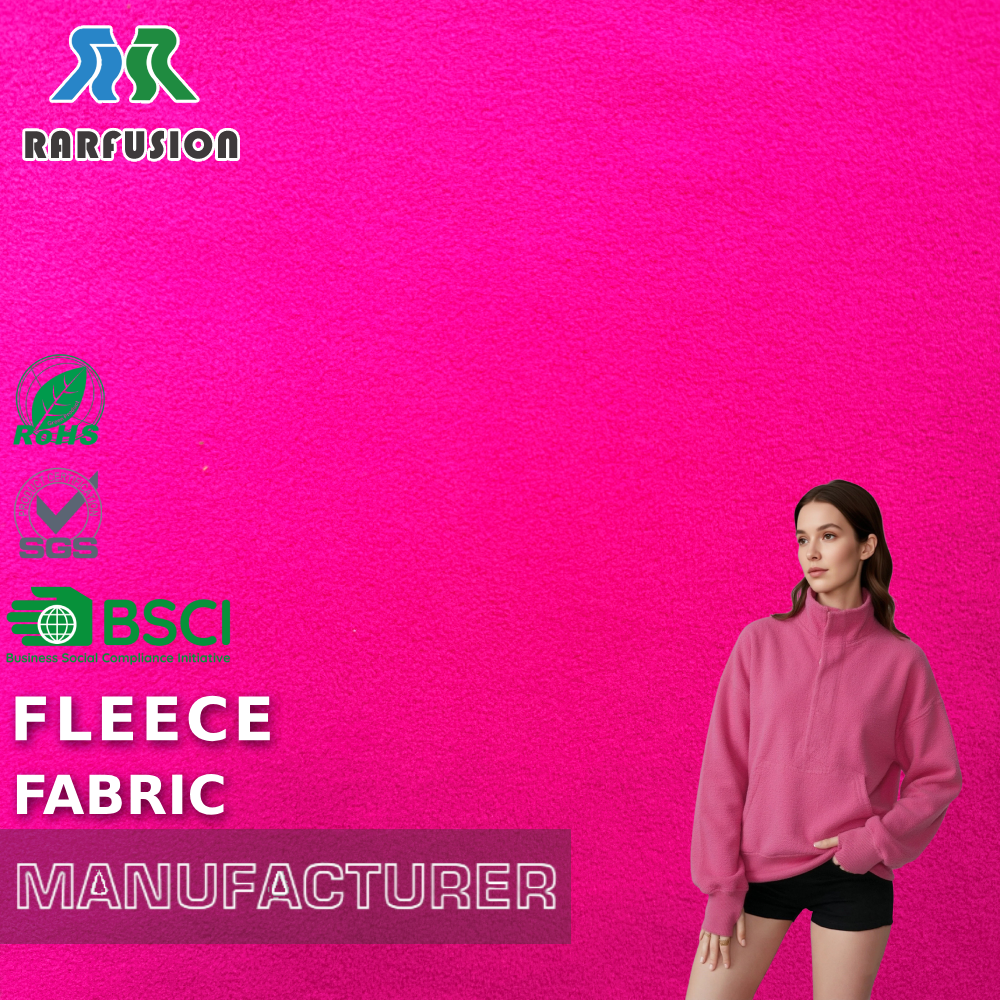
Key Specifications of Cotton Polyester Fabric for Bulk Orders
When placing bulk orders for Rarfusion-made cotton softshell polyester fabric, it's essential to specify key technical parameters to ensure you receive the product that meets your needs. Important specifications include:
Fabric Weight: Measured in grams per square meter (GSM), heavier weights typically offer more durability, while lighter weights provide breathability. Identify the appropriate GSM for your specific application
Width: Standard widths can vary, typically ranging from 36 to 60 inches. Ensure the width aligns with your production requirements to minimize waste
Color Fastness: This property indicates how well the fabric retains its color after washing and exposure to light. Specify the desired level of color fastness to ensure longevity in the final product
Tensile Strength: This measurement indicates the fabric's resistance to tearing and stretching. Understanding tensile strength is crucial for applications requiring robust materials, such as workwear or upholstery
Certification: Depending on the industry, you may need to verify that the fabric meets specific regulatory requirements, such as Oeko-Tex or GOTS certifications, which ensure the absence of harmful substances
Confirming these specifications with your supplier is vital to avoid discrepancies during production.