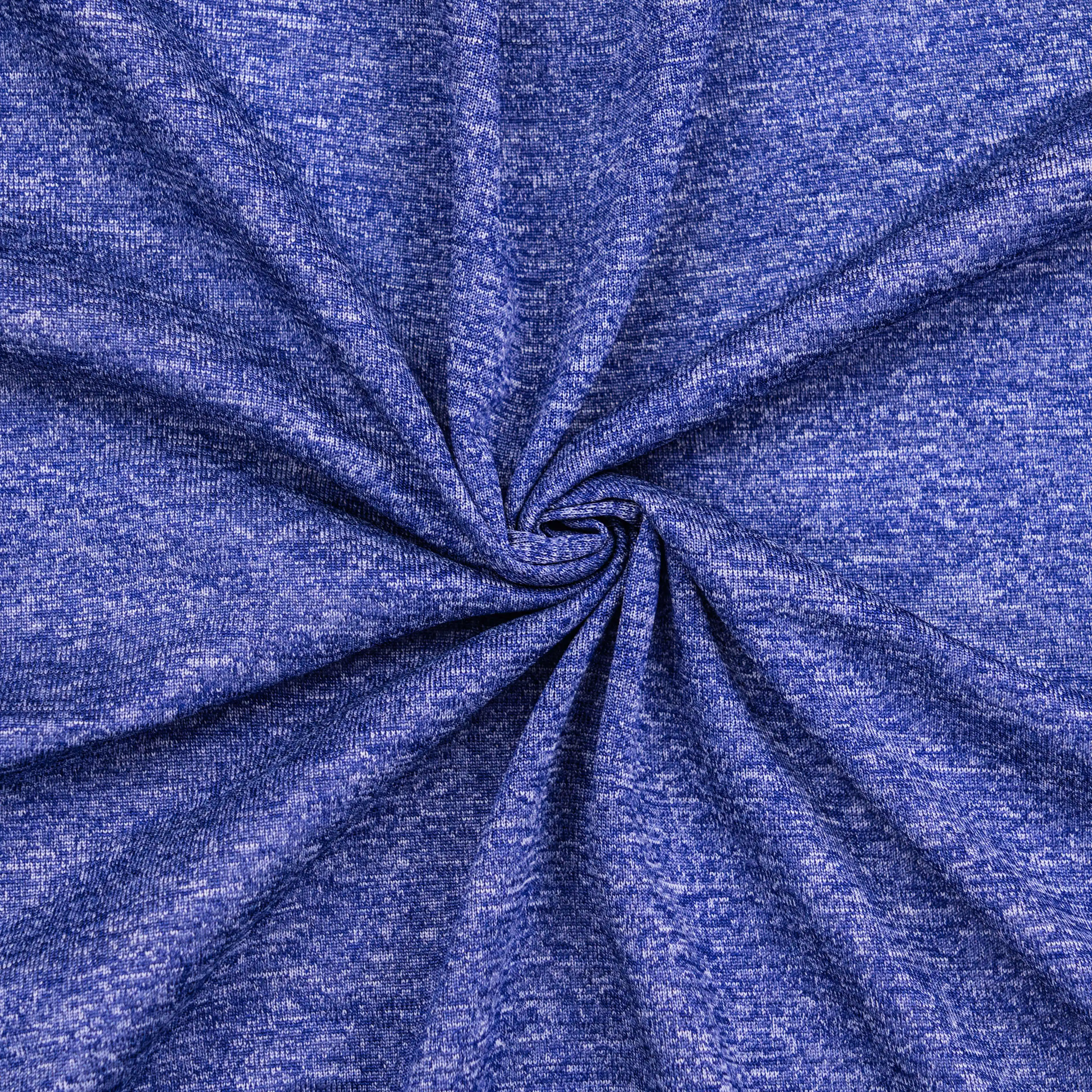
Blue fleece fabric is a versatile, soft material widely used in various applications, from clothing to home textiles. As a purchasing manager or product manager, you may have concerns about quality, pricing, and suitability for your specific needs. This article will guide you through the essential aspects of selecting blue fleece fabric, including specifications, cost factors, applications, and installation guidance, empowering you to make informed purchasing decisions.
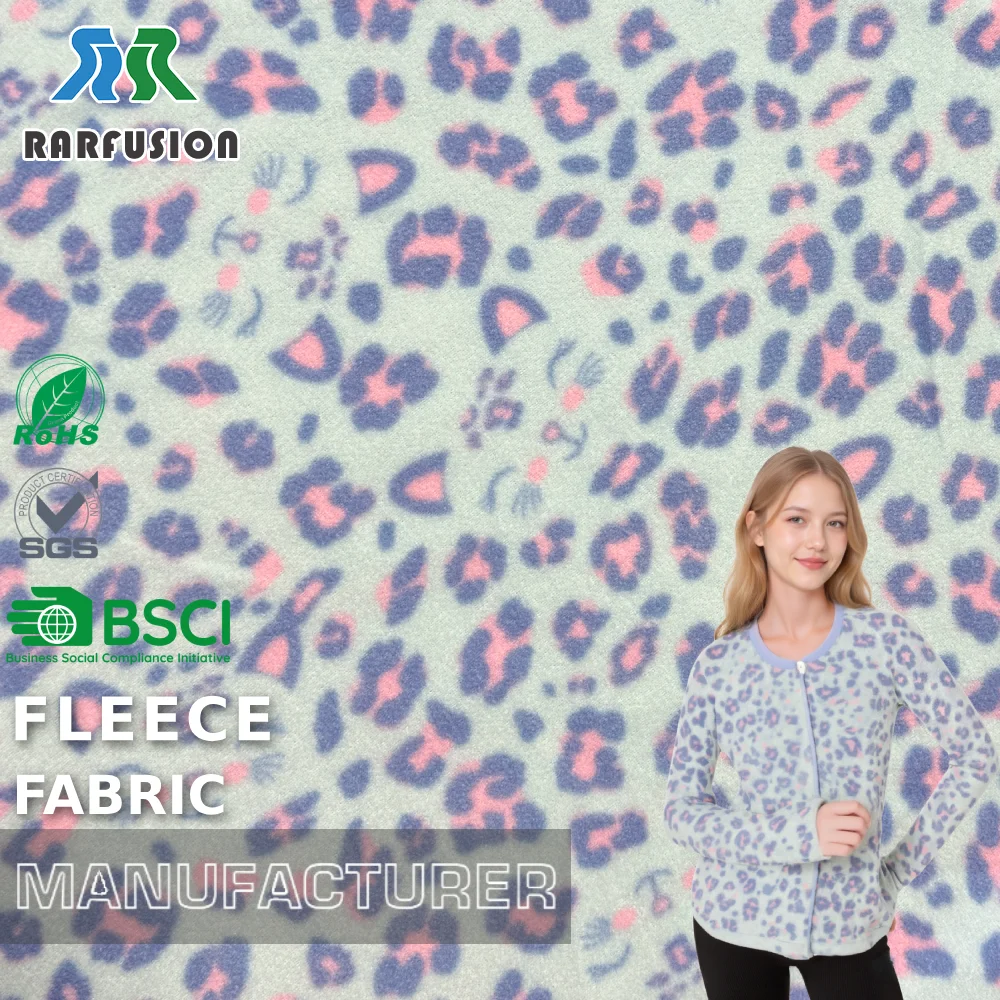
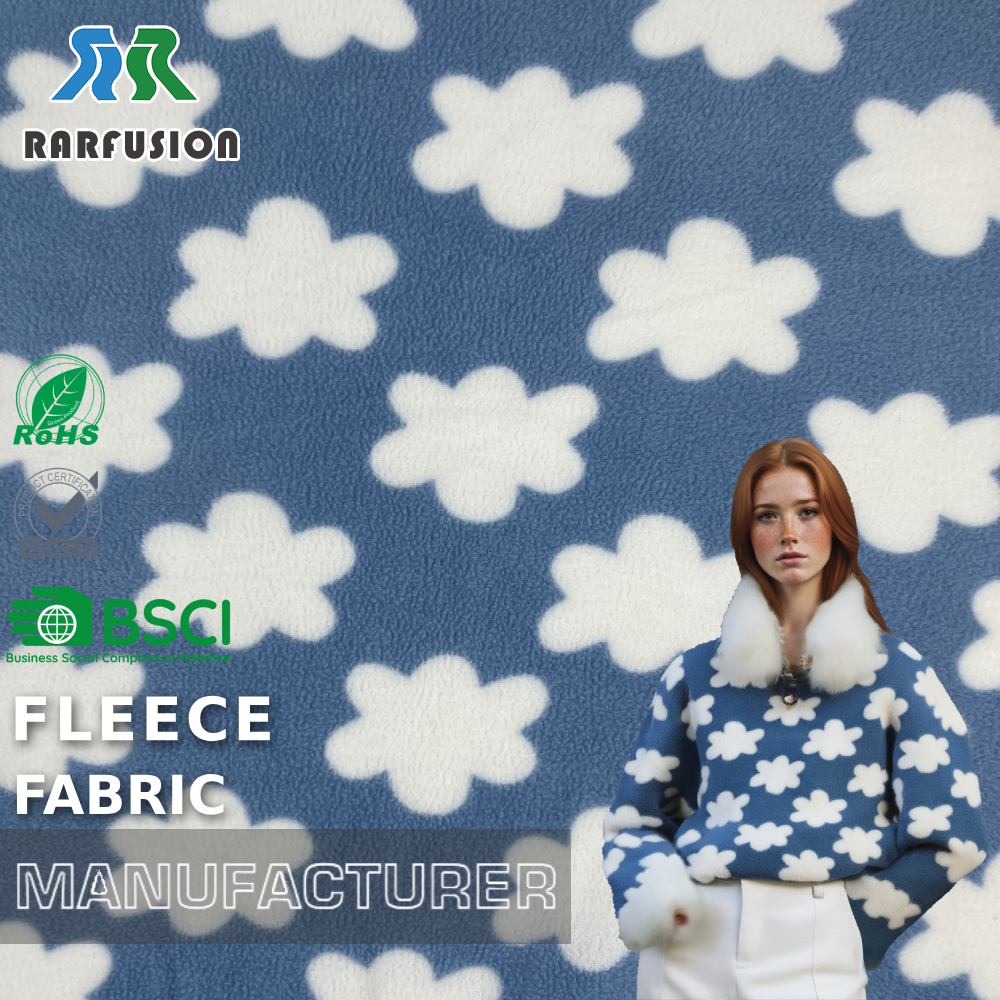
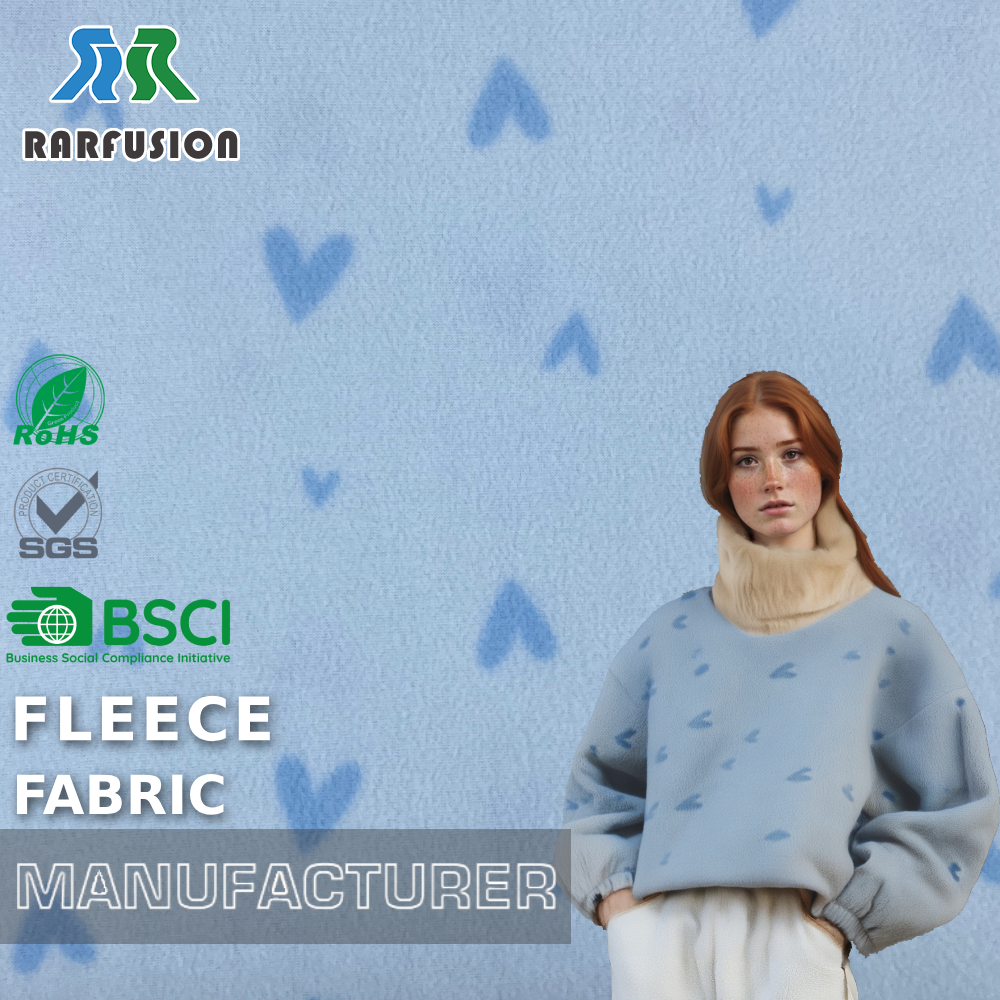
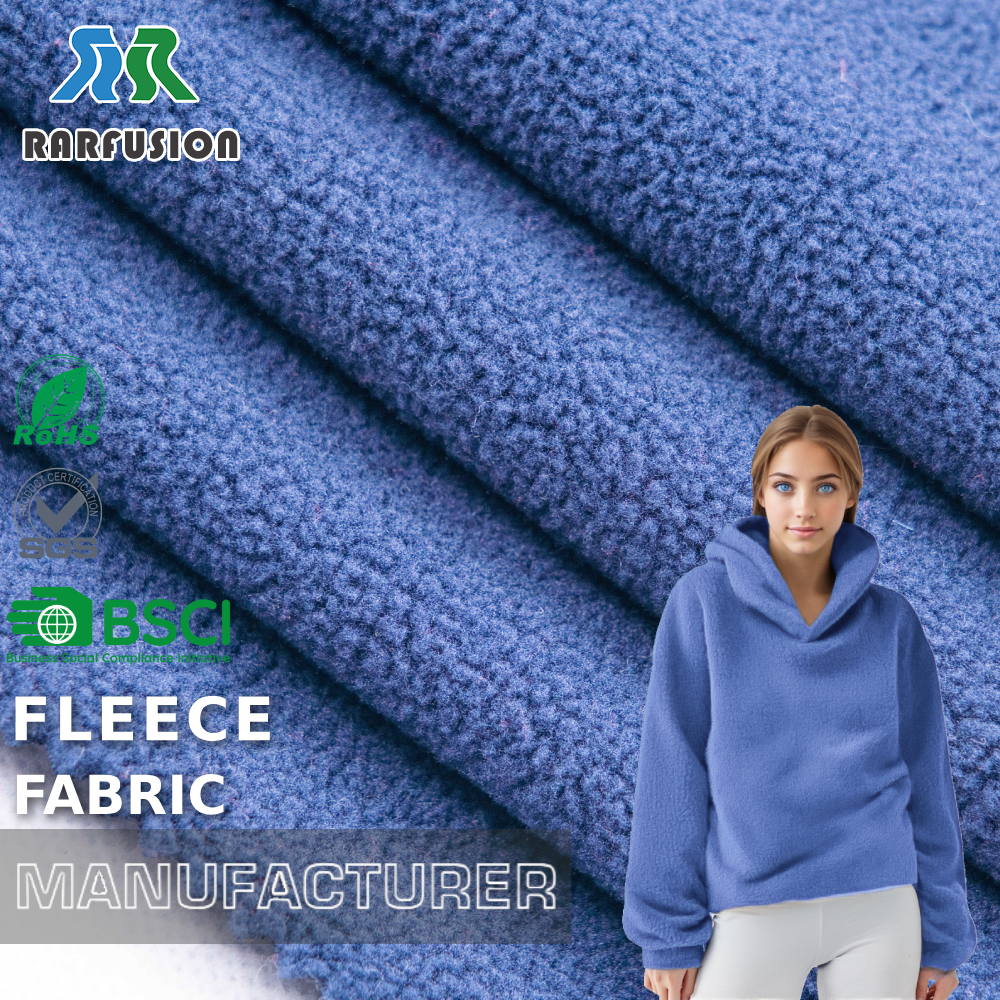
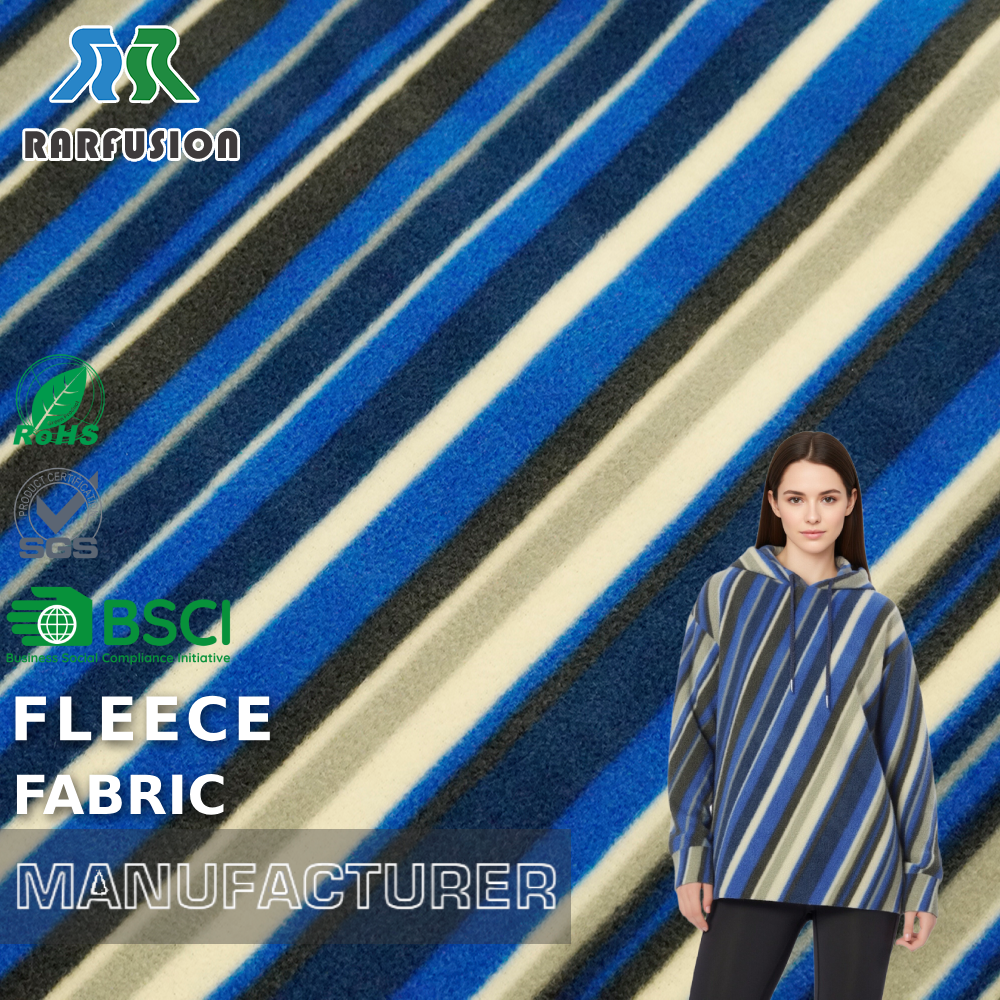
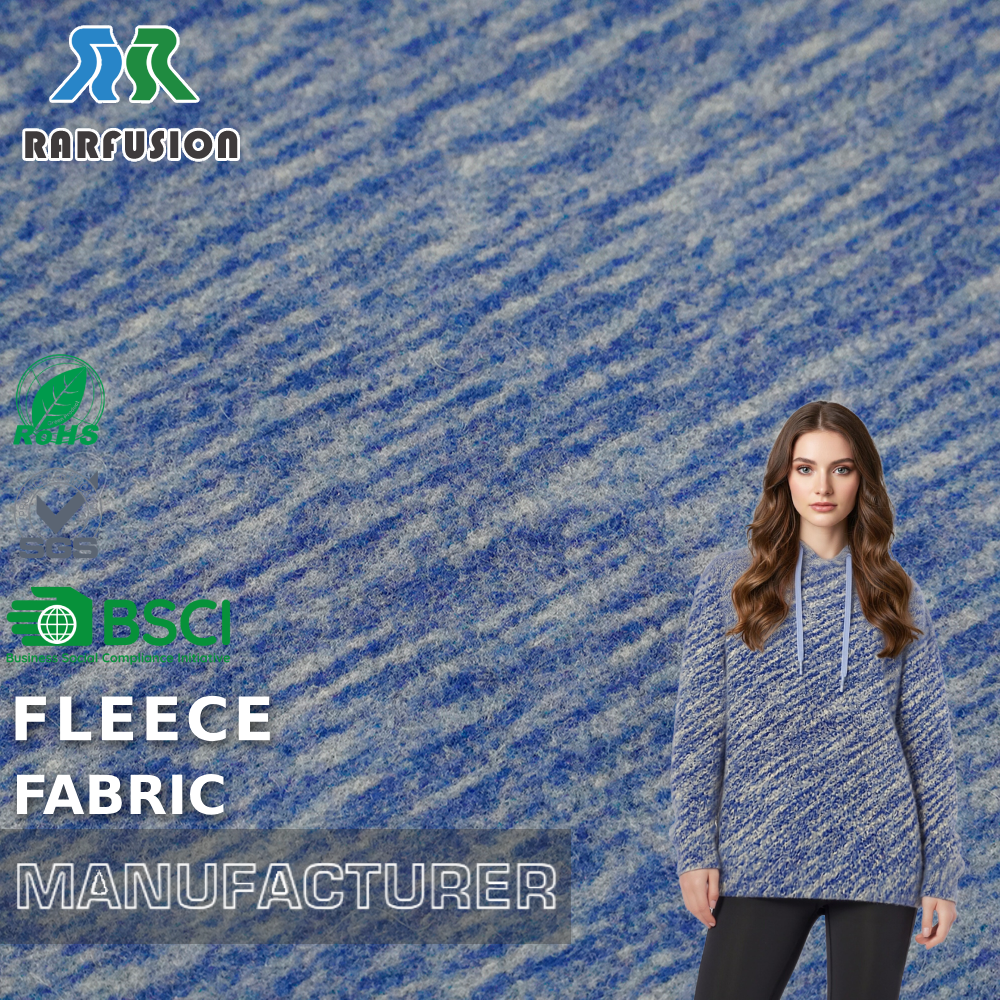
Comparing Specifications of Blue Fleece Fabric for Bulk Orders
When ordering blue fleece fabric in bulk, comparing specifications is vital to ensure consistency and quality. Key specifications to evaluate include:
Thickness and Density: Ensure that the thickness aligns with your intended application. For instance, a thicker fleece is often heavier and warmer, making it suitable for winter gear, while a thinner fleece might suffice for lightweight jackets or linings.
Color Fastness: Since the primary color is blue, check the fabric's color fastness rating. This determines how well the fabric can retain its color after repeated washing and exposure to sunlight.
Abrasion Resistance: Depending on the application, you may need a fleece that withstands wear and tear. Look for specifications that detail the fabric's durability, especially if it will be used in high-friction areas.
Moisture Management: Certain fleece fabrics are engineered to wick moisture away from the body, which is crucial for athletic wear. Confirm that the material meets your moisture management requirements.
By carefully comparing these specifications, you can make an informed choice that aligns with your quality standards and budget.