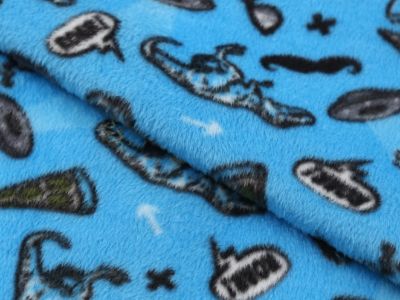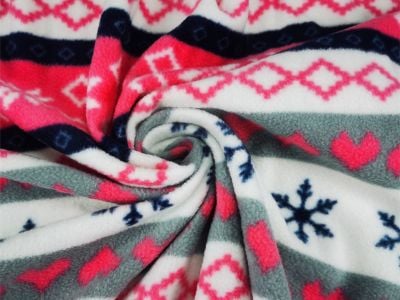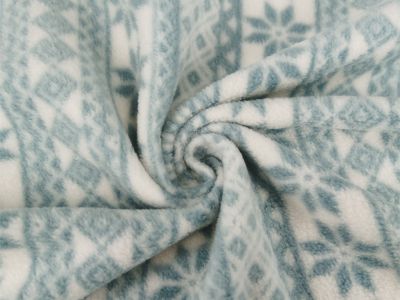
Animal print fabric has become increasingly popular across various industries due to its bold aesthetic and versatility. For B2B buyers, understanding the nuances of animal print fabrics is essential for making informed purchasing decisions. This article will cover critical aspects of selecting the right animal print fabric, specifications to consider, reliable sourcing options, common challenges, and diverse applications. By the end, purchasing managers and product specialists will have a clearer framework for evaluating and sourcing these fabrics for their projects.
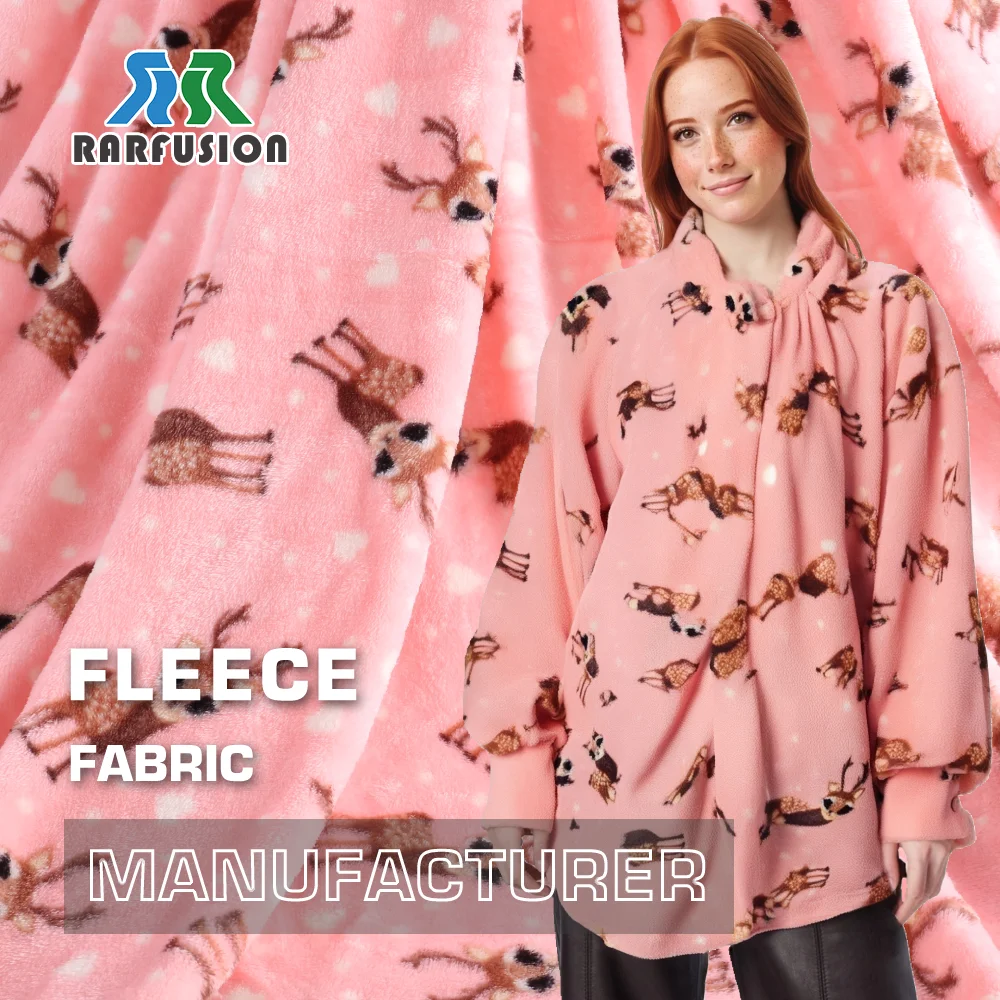
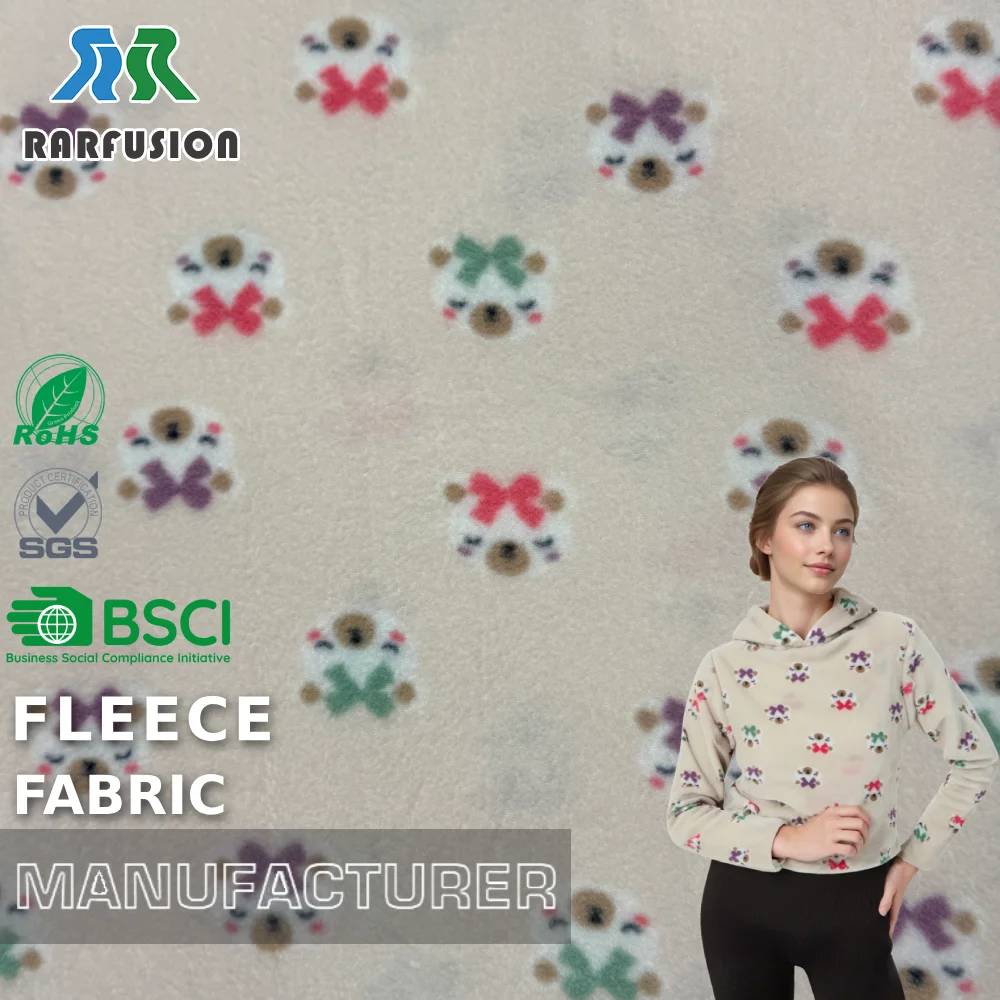
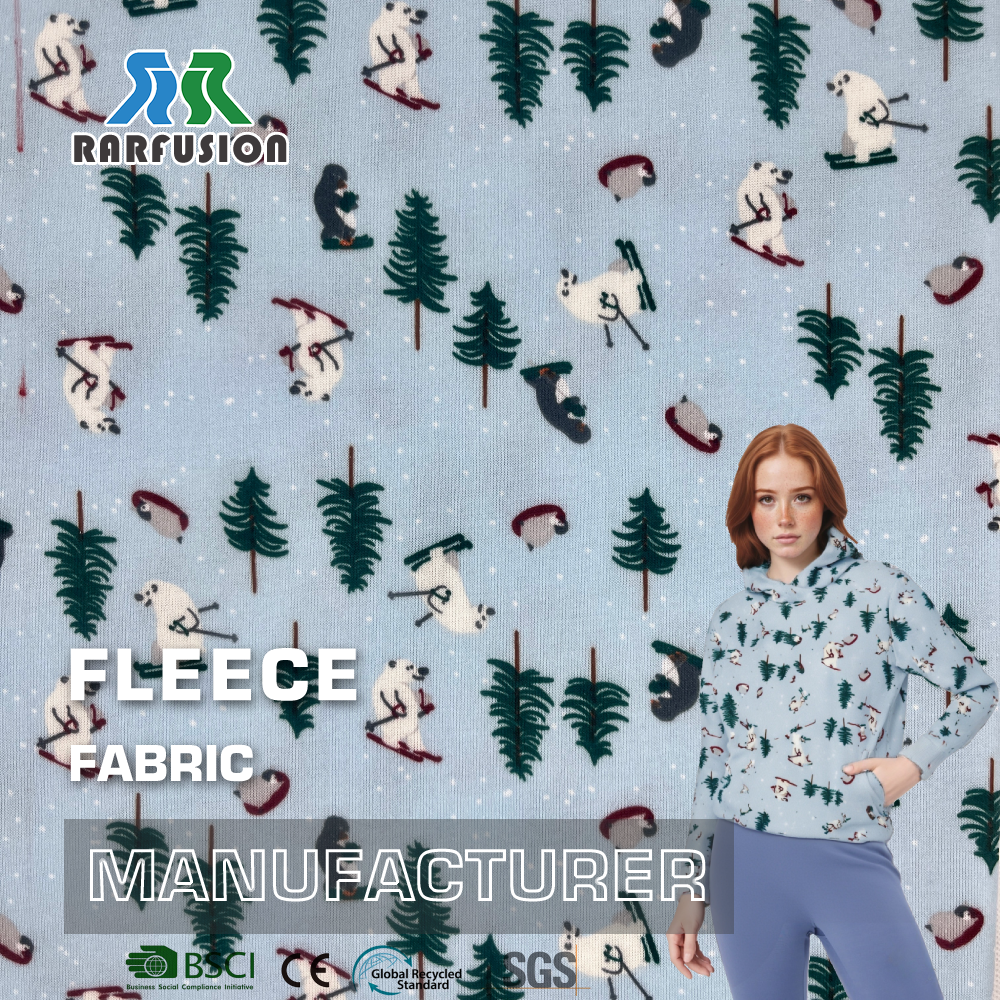
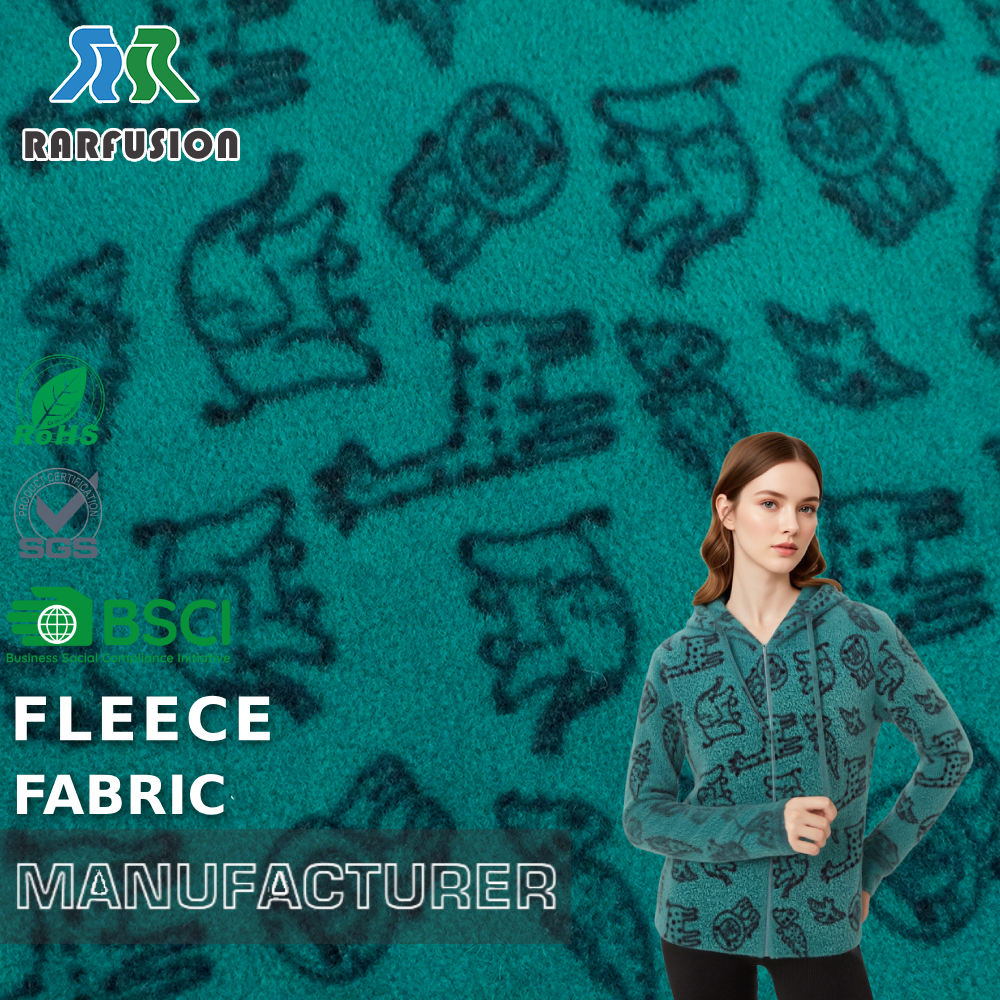
Key Specifications for Animal Print Fabrics
When evaluating animal print fabrics, several key specifications should be taken into account:
Material Composition: Common materials include polyester and cotton blends, fleece, and specialty fabrics. Each material has different characteristics that affect the fabric's appearance, durability, and maintenance requirements.
Weight: Fabric weight is typically measured in grams per square meter (GSM). A higher GSM indicates a heavier, more durable fabric, which is useful for upholstery, while lighter fabrics are better suited for clothing.
Width: Standard widths for fabrics often range from 36 to 60 inches. Knowing the width helps in calculating how much fabric is needed for your project.
Print Quality: Evaluate the clarity and vibrancy of the print. High-quality prints will maintain their appearance even after washing and wear.
Durability and Care Instructions: Understanding the fabric's durability and maintenance is crucial, especially for commercial applications. Check if the fabric is machine washable or if it requires special care.
Before finalizing an order, request samples to evaluate how the fabric looks and feels in actual use. This step is essential to avoid any discrepancies between expectations and reality.